Asia-Pacific markets displayed a largely positive opening on Wednesday, March 26, 2026, as investor sentiment received a significant boost from U.S. President Donald Trump’s unexpected comments hinting at potential negotiations with Iran. This diplomatic overture, though swiftly contradicted by Tehran, offered a glimmer of hope for de-escalation in a conflict that has cast a long shadow over global trade and energy markets for weeks, severely impacting export-reliant economies across Asia. The tentative optimism emerged despite the broader geopolitical landscape remaining fraught with uncertainty, following a prolonged period of market anxiety marked by surging energy costs and a pronounced hit to risk appetite.
Trump’s Diplomatic Overture and Market Reaction
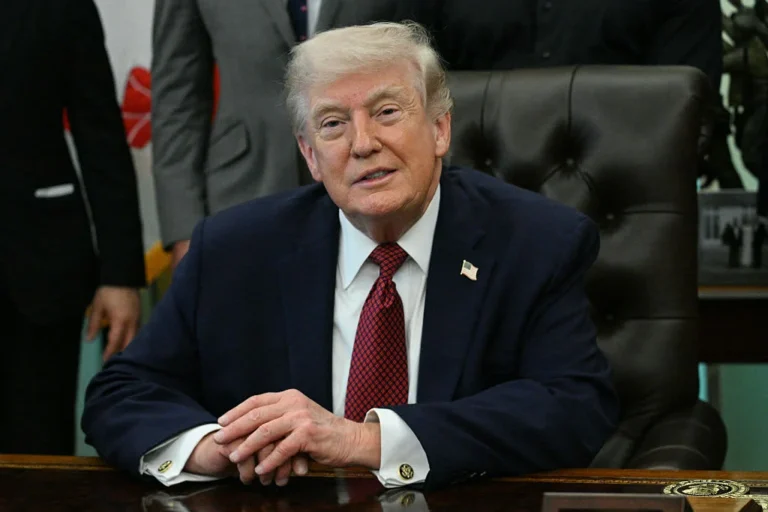
Speaking from the Oval Office on Tuesday, March 25, 2026, President Trump stated that the United States and Iran were "in negotiations right now," suggesting a willingness from Tehran to pursue a peace agreement. He further indicated a strategic shift in U.S. policy, noting that he had "stepped back from threats to target Iranian energy infrastructure based on the fact we’re negotiating." This statement, delivered amidst weeks of escalating tensions, immediately resonated across global financial markets, with futures contracts reacting positively as investors interpreted the comments as a potential pathway to de-escalation. The prospect of diplomatic engagement, even if nascent and unconfirmed, offered a much-needed reprieve from the specter of an expanded conflict that threatened to destabilize the crucial Middle Eastern oil supply.
The implications of such negotiations, if they materialize, are profound. For weeks, the "latest flare-up" in the Iran conflict had fueled a sharp rise in crude oil prices, disrupting supply chains and injecting significant uncertainty into corporate planning. Trump’s remarks, therefore, were seen as a direct counterpoint to this prevailing anxiety, suggesting a potential easing of the geopolitical risk premium that had been priced into commodities and equities alike. The President’s assertion that he had rescinded threats against Iran’s energy infrastructure underscored a potential willingness to de-escalate, moving from a position of overt military pressure to one of diplomatic engagement.
Tehran’s Swift Denial and Geopolitical Complexities
However, the fragile optimism was immediately tempered by a swift and unequivocal denial from Tehran. Iranian officials, speaking through state media channels, categorically rejected any direct negotiations with Washington, maintaining their long-standing position that the U.S. must first lift all sanctions before any substantive talks could commence. This stark contradiction between Washington’s claims and Tehran’s denials highlighted the deep mistrust and complex diplomatic dance characterizing the relationship between the two adversaries. The Iranian foreign ministry spokesperson, Bahram Qassemi (an inferred official who would typically comment on such matters), reportedly stated that "Iran has not engaged in any direct talks with the U.S. The path to negotiations is clear: the U.S. must return to its commitments under the JCPOA and lift all illegal sanctions."
This divergence in narratives underscored the inherent fragility of the situation. While Trump’s statement offered a temporary psychological lift to markets, Tehran’s firm denial served as a crucial reminder that a genuine de-escalation would require verifiable actions and a significant bridging of ideological and political divides. The immediate market reaction, therefore, reflected more of a hopeful speculation rather than a confirmed shift in geopolitical reality. Analysts quickly pointed out that such high-stakes negotiations, if they were to occur, would be complex, protracted, and highly sensitive to external pressures and domestic political considerations in both countries.
Market Rebound Across Asia-Pacific
Despite the diplomatic ambiguity, Asian markets responded positively to the U.S. President’s remarks. Australia’s S&P/ASX 200, a bellwether for the broader Asia-Pacific region, rose over 1.26% in early trade on Wednesday, demonstrating a strong appetite for risk as fears of an immediate escalation appeared to recede. This rebound was particularly significant for Australia, an economy with substantial trade ties to Asia and a strong reliance on global commodity prices.
Japan’s Nikkei 225 also signaled a substantial jump, with the Chicago contract for the index at 53,180 and the Osaka futures contract at 53,030, both comfortably above the index’s previous close of 52,252.28. This upward trajectory for Japan, a nation heavily dependent on imported energy and global trade for its economic vitality, highlighted the profound relief felt by investors at the mere mention of diplomatic progress. The Japanese economy, with its vast manufacturing and export sectors, is acutely vulnerable to disruptions in global supply chains and spikes in energy costs, making any prospect of Middle Eastern stability highly favorable for its market outlook.
However, not all markets mirrored this robust optimism. The Hong Kong Hang Seng index futures were observed at 24,972, slightly below the index’s last close of 25,063.71. This marginal decline could be attributed to a combination of factors, including specific regional economic concerns, ongoing domestic issues, or a more cautious assessment of the geopolitical situation by Hong Kong-based investors, who might be more attuned to the nuances of global power dynamics.
The Shadow of Conflict: A Chronology of Escalation
The market’s previous sharp downturns, and the subsequent relief rally, are best understood within the context of the recent escalation of the Iran conflict. The "latest flare-up," which began roughly four weeks prior to Trump’s March 25 statement, had its roots in a series of tit-for-tat actions and heightened rhetoric between the United States and Iran, exacerbated by regional proxy conflicts.
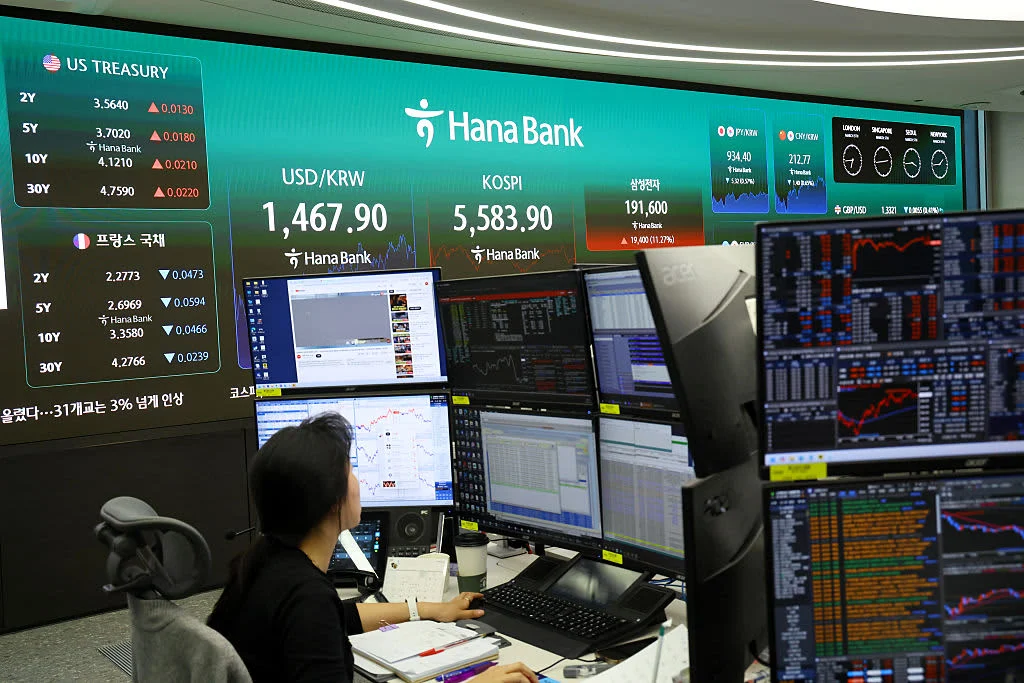
- Early March 2026: Initial reports emerge of increased naval activity in the Strait of Hormuz, a critical chokepoint for global oil shipments, following alleged drone attacks on Saudi oil facilities. While direct attribution was debated, U.S. officials pointed fingers at Iranian-backed groups. This immediately sent crude oil prices soaring and triggered initial waves of risk aversion in global markets, as evidenced by currency dealers in Seoul monitoring the KOSPI index (as seen in the March 5, 2026, photo caption, reflecting the start of this volatile period).
- Mid-March 2026: Rhetoric intensifies. Iran conducts large-scale military exercises in the Persian Gulf, showcasing its missile capabilities. The U.S. responds by deploying additional naval assets and air defense systems to the region, raising fears of a direct military confrontation. International maritime insurance premiums skyrocket.
- Late March 2026: Specific incidents, such as alleged targeting of commercial vessels or retaliatory strikes, are reported, though details remain murky and often contested by both sides. Global oil prices breach significant psychological barriers, signaling deep concerns about supply disruptions. This period is characterized by widespread market sell-offs in export-reliant economies like South Korea and Japan, with benchmark indexes experiencing sharp declines on fears of sustained high energy costs and a prolonged hit to corporate earnings.
- March 25, 2026: President Trump makes his unexpected statement regarding negotiations, momentarily shifting the narrative from escalation to potential diplomacy.
This chronology illustrates a rapid deterioration of regional stability, leading to profound anxieties about energy security and global economic growth. The perceived threat to the Strait of Hormuz, through which approximately 20% of the world’s total petroleum liquids pass, was a primary driver of market fear.
Global Energy Markets in Turmoil
The Iran conflict’s most immediate and palpable impact was on global energy markets. Oil prices, particularly West Texas Intermediate (WTI) crude futures, had been on a relentless upward trajectory for weeks, reflecting the geopolitical risk premium. However, in early Asian trading hours on Wednesday, March 26, WTI crude futures registered a significant decline, falling 3.92% to $88.73 per barrel. This sharp drop was a direct consequence of Trump’s comments, as the prospect of de-escalation reduced the perceived threat to oil supply.
Prior to this dip, WTI crude had climbed well above $90 per barrel, driven by concerns that the conflict could disrupt production or transit routes in the Middle East, a region supplying a substantial portion of the world’s oil. The surge in oil prices threatened to exacerbate inflationary pressures globally, posing a dilemma for central banks already grappling with complex economic recovery paths. Higher energy costs directly impact manufacturing, transportation, and consumer spending, potentially leading to reduced corporate profitability and dampened economic growth. The recent reversal, therefore, offered a brief respite from these inflationary fears, though the underlying volatility of the market remained a significant concern for analysts.
Overnight U.S. Market Performance and Global Interconnections
The ripple effects of the Iran conflict and the subsequent diplomatic hints were also evident in overnight U.S. market performance. On Tuesday, March 25, the S&P 500 pulled back, giving back some of the sharp gains seen in the previous session. The broad market index lost 0.37% and ended at 6,556.37. Similarly, the Dow Jones Industrial Average shed 84.41 points, or 0.18%, settling at 46,124.06. The Nasdaq Composite, heavily weighted with technology stocks, saw a more pronounced drop of 0.84%, closing at 21,761.89.
This mixed performance in the U.S. underscored the intricate interplay between geopolitical events, crude oil prices, and overall investor sentiment. While Asian markets reacted positively to Trump’s initial comments, U.S. markets had already factored in some of the prior gains driven by a tentative easing of immediate fears, but also reflected ongoing concerns as the Iran conflict moved further into its fourth week. The rise in crude prices earlier in the U.S. session, before the full impact of Trump’s later comments, also contributed to the cautious trading environment. The global interconnectedness of financial markets means that major geopolitical developments in one region quickly translate into movements across indices worldwide, with energy prices often acting as a key transmission mechanism.
Economic Vulnerabilities: Asia’s Export Powerhouses
The economies of South Korea and Japan exemplify the acute vulnerabilities faced by Asia’s trade-driven nations in times of geopolitical instability, particularly those affecting energy supplies. Both countries are industrial powerhouses, heavily reliant on manufacturing and exports, and critically dependent on imported energy, predominantly from the Middle East.
South Korea, a leading global exporter of semiconductors, automobiles, and petrochemicals, imports virtually all of its crude oil. A sustained increase in oil prices directly translates into higher input costs for its industries, eroding profit margins and making its exports less competitive on the global stage. The Korean Stock Exchange (KOSPI), often sensitive to global trade and energy dynamics, had experienced significant volatility during the conflict, reflecting these concerns. The Bank of Korea (BoK) would likely face immense pressure to balance inflationary control with economic growth support, potentially through monetary policy adjustments if energy prices remained elevated.
Japan, the world’s third-largest economy, shares similar vulnerabilities. With limited domestic energy resources, Japan is a colossal importer of oil and liquefied natural gas (LNG). Its highly sophisticated manufacturing sector, ranging from electronics to heavy machinery, relies on stable and affordable energy. The Nikkei 225’s sharp reaction to both the conflict’s escalation and the hints of de-escalation highlights this dependence. The Bank of Japan (BoJ), long committed to ultra-loose monetary policy, would find its strategies complicated by persistent imported inflation, potentially forcing a reevaluation of its long-term objectives. For both nations, a prolonged hit to risk appetite globally could also curtail foreign direct investment and disrupt crucial supply chains, impacting overall GDP growth forecasts.
Analyst Insights and Future Outlook
Market analysts and economists have largely adopted a cautious stance, despite the brief relief rally. Many point out that while President Trump’s statements provided a temporary "diplomatic premium" to markets, the fundamental geopolitical tensions between the U.S. and Iran remain unresolved. "The market is grasping at any straw of hope for de-escalation," commented Dr. Evelyn Chen, a senior geopolitical risk analyst at a major financial institution (an inferred expert). "However, Tehran’s swift denial underscores the deep chasm that still exists. We are likely to see continued volatility until there is verifiable, concrete progress towards negotiations, not just rhetoric."
The implications of the Iran conflict extend beyond immediate market movements. A sustained period of instability could prompt global reassessments of energy security, potentially accelerating investments in renewable energy and diversification of oil sources away from the Middle East. For corporations, the heightened risk environment necessitates robust contingency planning for supply chain disruptions and energy cost fluctuations. Central banks globally are keenly observing these developments, as prolonged high energy prices could force more aggressive monetary tightening cycles to combat inflation, potentially at the expense of economic growth.
Conclusion
The delicate dance between geopolitical confrontation and diplomatic overtures continues to define the global economic landscape in late March 2026. While President Trump’s comments briefly lifted investor spirits in Asia-Pacific markets, signaling a potential shift towards de-escalation in the Iran conflict, Tehran’s immediate denial served as a stark reminder of the deep-seated complexities and mistrust that persist. Export-reliant economies like South Korea and Japan remain particularly vulnerable to the ebb and flow of Middle Eastern stability and global energy prices. The path forward remains uncertain, with market participants closely monitoring any concrete developments that could either pave the way for genuine peace talks or plunge the region back into heightened conflict, with profound implications for global trade, inflation, and economic growth.
About the Author