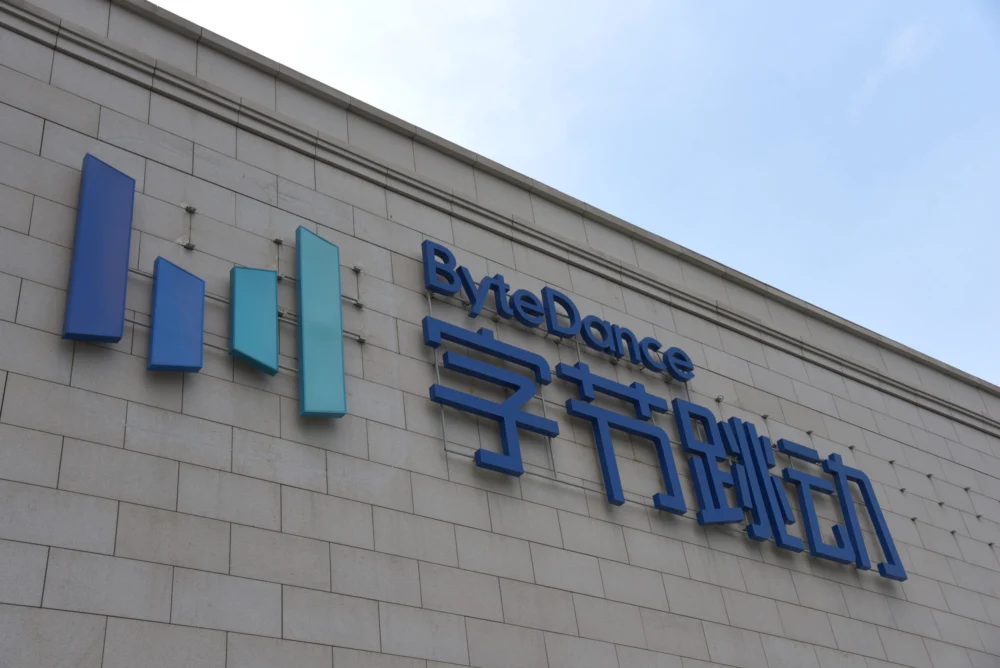
ByteDance, the global technology conglomerate and parent company of the immensely popular social media platform TikTok, has reportedly halted its plans for the international launch of its advanced AI video generation model, Seedance 2.0. The decision comes in response to a barrage of legal challenges and intense criticism from Hollywood studios, who accuse the company of infringing upon their intellectual property rights. This strategic pause underscores the growing complexities and ethical considerations surrounding the rapid advancement of generative AI technology and its potential impact on established creative industries.
The development, first reported by The Information, signifies a significant setback for ByteDance’s ambitions to compete in the burgeoning AI content creation market on a global scale. The company had initially launched Seedance 2.0 in China in February, and the model quickly gained notoriety for its ability to generate remarkably realistic short video clips. Among the most viral outputs were simulated scenes featuring Hollywood A-listers like Tom Cruise and Brad Pitt, seemingly engaged in action sequences that mirrored their cinematic performances. These demonstrations, while showcasing the technological prowess of Seedance 2.0, inadvertently ignited a firestorm of controversy.
Hollywood’s Reaction: A Firestorm of Legal and Ethical Concerns
The creative powerhouse of Hollywood, a sector heavily reliant on copyright and intellectual property, reacted swiftly and with considerable alarm to Seedance 2.0’s capabilities. The potential for AI to replicate the likeness, style, and even performance of actors without their consent or compensation raised existential questions for many within the industry. Prominent figures and industry bodies voiced their strong disapproval. One particularly stark reaction, cited in earlier reports, came from a successful screenwriter who lamented the implications, suggesting, "It’s likely over for us." This sentiment reflected a broader fear that AI-generated content could devalue human creativity and disrupt the economic foundations of filmmaking and television production.
The legal response from major studios was swift and decisive. A flurry of cease-and-desist letters was dispatched to ByteDance, signaling the gravity of their concerns. Among the most pointed accusations came from Disney’s legal team, who characterized the AI’s actions as a "virtual smash-and-grab of Disney’s IP." This strong language highlighted the studios’ perception that ByteDance was leveraging their valuable intellectual property—including character likenesses, film aesthetics, and potentially even specific performance styles—without authorization. Other major studios, including those represented by the Motion Picture Association (MPA) and major players like Netflix, Paramount, Sony, and Universal, were also reportedly involved in these legal discussions and communications.
ByteDance’s Response and Evolving Safeguards
In the face of such formidable opposition, ByteDance initially responded by vowing to implement enhanced safeguards for intellectual property. The company acknowledged the concerns raised and pledged to address them through technical and policy adjustments. The aim was to demonstrate a commitment to responsible AI development and to mitigate the legal risks associated with its technology. However, the scale and scope of the legal challenges appear to have necessitated a more significant strategic reassessment, leading to the current pause in the global launch.
The original timeline for Seedance 2.0’s international release was reportedly set for mid-March. This timing suggests that the company had been actively preparing for a broad market entry, likely anticipating significant global demand for its advanced AI video generation capabilities. However, the escalating legal battles and the unresolved copyright disputes have evidently compelled ByteDance to reconsider its strategy, prioritizing legal compliance and risk mitigation over immediate global expansion. The company’s engineers and legal teams are now reportedly engaged in intensive efforts to devise solutions that can satisfy Hollywood’s demands and prevent further legal entanglements.
Timeline of Events: A Rapid Escalation
The rapid progression of this situation can be traced over a relatively short period, highlighting the speed at which AI advancements and their associated controversies are unfolding:
- February 2026: ByteDance quietly launches Seedance 2.0 in China. The model’s capabilities quickly become apparent through viral demonstrations.
- Mid-February 2026: Short video clips generated by Seedance 2.0, featuring celebrity likenesses, begin circulating widely and attract significant attention.
- Late February 2026: Hollywood studios, including Disney, express strong criticism and begin issuing cease-and-desist letters to ByteDance, accusing the company of IP infringement. ByteDance pledges to introduce stronger IP safeguards.
- Early March 2026: Reports emerge indicating that ByteDance had planned a global launch of Seedance 2.0 for mid-March.
- March 15, 2026: News breaks that ByteDance has paused its global rollout plans for Seedance 2.0 due to ongoing copyright disputes with Hollywood.
This compressed timeline underscores the sensitivity of AI-generated content and its potential to disrupt established industries. The legal and ethical frameworks surrounding such technologies are still in their nascent stages, leading to friction as innovators push boundaries.

Supporting Data and Market Context
The global market for generative AI is experiencing exponential growth. Projections from various industry analysis firms indicate that the market size for generative AI could reach hundreds of billions of dollars within the next decade. This burgeoning market encompasses a wide range of applications, including text generation, image creation, and, increasingly, video synthesis. Seedance 2.0, with its sophisticated video generation capabilities, was positioned to capture a significant share of this rapidly expanding market.
However, the copyright issues are not unique to ByteDance. The broader AI industry has been grappling with similar challenges. Numerous AI art generators have faced lawsuits and criticism for allegedly training on copyrighted images without permission. The debate centers on whether AI models learn from existing data in a transformative way or engage in direct replication and appropriation. The legal definitions of "fair use" and "transformative work" are being tested in this new technological frontier.
The economic stakes for Hollywood are immense. The film and television industry represents a multi-billion dollar global enterprise, built on the careful curation and protection of creative works. The ability of AI to generate content that mimics established styles or characters threatens not only the revenue streams derived from licensing and distribution but also the very concept of original artistic creation. The potential for AI-generated content to flood the market with inexpensive, derivative works could devalue human-created content and impact employment opportunities for actors, writers, directors, and other creative professionals.
Analysis of Implications: A Crossroads for AI and Creative Industries
ByteDance’s decision to pause the global rollout of Seedance 2.0 highlights a critical juncture for both the AI industry and the creative sectors. The incident serves as a stark reminder that technological innovation must be balanced with legal compliance and ethical considerations.
For ByteDance, this pause represents a strategic adjustment. The company likely aims to resolve the immediate legal challenges and potentially develop more robust mechanisms for content moderation and IP protection before re-engaging with the global market. This could involve licensing agreements with content owners, stricter controls on user-generated content, or further refinement of the AI’s training data to avoid direct infringement. The long-term success of Seedance 2.0, and indeed many other generative AI products, will hinge on their ability to navigate these complex legal and ethical waters.
For Hollywood, the situation presents an opportunity to shape the future of AI regulation in the creative space. The strong, unified legal response demonstrates a commitment to protecting their intellectual property and advocating for clear guidelines on AI-generated content. The outcomes of these disputes could set precedents for how AI models are developed, trained, and deployed across various creative industries.
Broader Impact and Future Considerations
The implications of this ongoing saga extend far beyond ByteDance and Hollywood. It raises fundamental questions about authorship, ownership, and the future of creative work in an age of advanced artificial intelligence.
- The Future of Copyright Law: Legal frameworks surrounding copyright are struggling to keep pace with AI advancements. Courts and legislators will likely face increasing pressure to clarify how existing laws apply to AI-generated content and whether new regulations are needed.
- Ethical AI Development: The incident underscores the need for AI developers to prioritize ethical considerations from the outset. This includes ensuring transparency in training data, developing robust mechanisms for detecting and preventing infringement, and engaging proactively with affected industries.
- The Value of Human Creativity: As AI becomes more sophisticated, discussions about the unique value of human creativity, emotional expression, and artistic intent are likely to intensify. The challenge will be to find a symbiotic relationship between AI tools and human artists, rather than a purely adversarial one.
- Global Regulatory Landscape: Different countries may adopt varying approaches to regulating AI and intellectual property. This could lead to a fragmented global landscape, posing challenges for international technology companies.
ByteDance’s decision to hold back Seedance 2.0 is a pragmatic response to immediate pressures. However, the underlying issues of AI, copyright, and creative ownership are far from resolved. The coming months and years will be critical in determining how these powerful technologies are integrated into our society and whether they serve to augment or undermine human creativity. The company’s next steps, and the responses from Hollywood and regulatory bodies, will be closely watched as they chart a path forward in this rapidly evolving digital frontier.
ByteDance did not immediately respond to TechCrunch’s request for comment on the latest developments.
About the Author