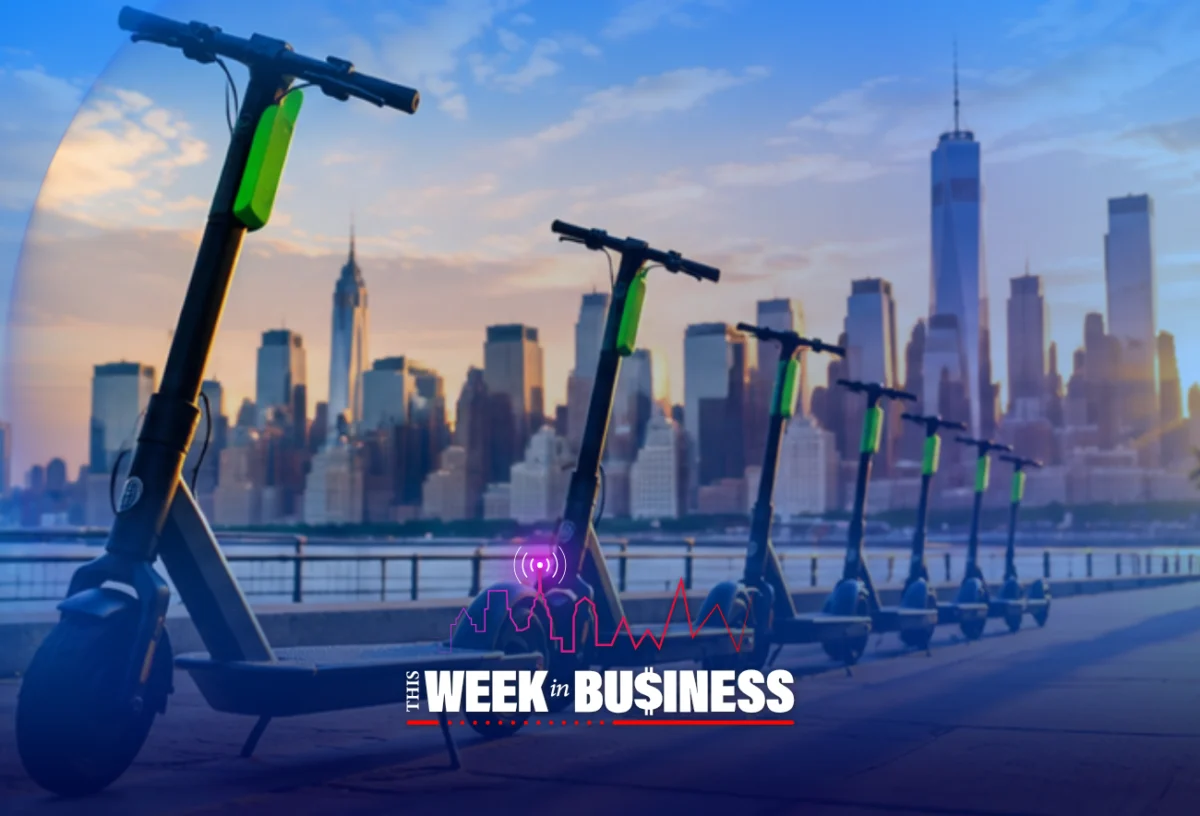
The ubiquitous sight of shared electric scooters and bikes has irrevocably altered the landscape of urban transportation, offering a convenient, often exhilarating, last-mile solution for city dwellers worldwide. However, beneath the surface of this rapid adoption lies a complex economic question: can the business model underpinning these micromobility services truly achieve sustainable profitability? This critical inquiry was recently delved into by Gad Allon, a distinguished Wharton professor of operations, information, and decisions, during an insightful discussion on Knowledge@Wharton’s "This Week in Business" podcast, originally aired on September 9, 2026. Professor Allon’s analysis dissects the intricate economics, regulatory hurdles, and cultural shifts necessary for companies like Lime to not only survive but thrive in the competitive and constantly evolving urban mobility sector.
The Micromobility Revolution: A Brief History and Context
The emergence of shared micromobility platforms represents a significant chapter in the ongoing evolution of urban transport. While docked bike-sharing programs, such as Paris’s Vélib’ or New York’s Citi Bike, laid some groundwork in the early 2010s, it was the advent of dockless electric scooters and bikes around 2017 that truly ignited the "micromobility revolution." Companies like Bird, Lime, Spin, and others burst onto the scene, deploying vast fleets of vehicles almost overnight in major cities across North America, Europe, and Asia.
This initial phase was characterized by a gold rush mentality, fueled by significant venture capital investment. The promise was compelling: reduce traffic congestion, lower carbon emissions, offer an affordable alternative to taxis or ride-shares for short distances, and bridge the "last-mile" gap between public transport hubs and final destinations. For many urbanites, these devices offered unprecedented freedom and flexibility, transforming mundane commutes into more dynamic experiences. Riders could pick up a scooter or bike almost anywhere and drop it off at their destination, a stark contrast to the fixed docking stations of earlier bike-share models.
However, this rapid, often unregulated, expansion also brought a wave of challenges. Cities grappled with "scooter chaos" – vehicles cluttering sidewalks, haphazard parking blocking pedestrian access, and safety concerns arising from riders operating without helmets or in designated lanes. The environmental benefit was sometimes offset by the operational carbon footprint of collecting, charging, and redistributing vehicles, alongside the relatively short lifespan of early-generation scooters prone to damage and vandalism. This initial period of unchecked growth quickly gave way to a more structured and regulated environment as cities began to assert control over their public spaces.
Deciphering the Economics of Shared Micromobility

At the heart of Professor Allon’s analysis is the fundamental question of financial viability. The business model for shared micromobility, while seemingly straightforward, involves a delicate balance of revenue generation and cost management.
Revenue Models: The primary revenue streams are typically bifurcated:
- Pay-per-trip: This is the most common model, involving an "unlock fee" (e.g., $1) charged at the start of a ride, followed by a per-minute rate (e.g., $0.15-$0.30). This model capitalizes on spontaneous usage and short-term convenience.
- Subscription models: Recognizing the need for customer loyalty and predictable revenue, many companies introduced subscription passes. These might offer a certain number of free unlocks, discounted per-minute rates, or even unlimited rides within a time frame (e.g., monthly, annual) for a flat fee. Subscriptions aim to convert casual users into frequent riders, increasing overall utilization and potentially reducing the churn rate. They also provide a steady stream of revenue, cushioning the impact of seasonal dips in usage.
Cost Structures: The operational costs associated with running a shared micromobility fleet are substantial and multi-faceted:
- Hardware Acquisition: The initial purchase of bikes and scooters represents a significant capital outlay. While unit costs have decreased and durability has improved over time, continuous fleet upgrades and expansion remain a major expense.
- Operations and Logistics: This is arguably the most complex and expensive component. It includes:
- Rebalancing: Moving vehicles from low-demand areas to high-demand areas to optimize availability and utilization. This often requires a dedicated team of drivers and vans.
- Charging: For electric scooters, batteries need frequent charging. Early models relied on a network of gig workers ("juicers") who collected, charged, and redistributed scooters, but many companies have since moved towards in-house teams or more efficient swappable battery systems to ensure quality control and reduce costs.
- Maintenance and Repairs: Wear and tear, accidents, and vandalism necessitate constant repairs and component replacements. A robust maintenance infrastructure is crucial to keep the fleet operational and safe.
- Depreciation: The relatively short lifespan of these vehicles, especially in the early days, meant rapid depreciation and frequent replacement cycles. While newer generations are more robust, it remains a factor.
- Regulatory Fees and Fines: Operating permits, concession fees, and potential fines for non-compliance (e.g., improper parking, exceeding fleet caps) can add up significantly.
- Technology and Software: Developing and maintaining the mobile apps, GPS tracking, payment systems, and fleet management software is an ongoing investment.
- Insurance and Customer Service: Protecting against liability and supporting users are essential overheads.
Utilization as a Key Metric:
Professor Allon emphasizes that "utilization" is the single most critical factor for profitability. A scooter or bike only generates revenue when it’s being ridden. Therefore, maximizing the number of rides per vehicle per day is paramount. Factors influencing utilization include:
- Geographic Density: Higher population density and concentrated demand points (e.g., business districts, university campuses) lead to more frequent rides.
- Weather Conditions: Inclement weather significantly impacts usage, making operations in colder or rainier climates inherently more challenging.
- Time of Day/Week: Peak commute times and weekends typically see higher usage.
- Infrastructure: The presence of dedicated bike lanes and safe riding environments encourages more users.
- Strategic Deployment: Sophisticated data analytics and AI algorithms are increasingly used to predict demand hotspots and optimize vehicle distribution, ensuring vehicles are where riders need them most. Achieving a daily ride count of 3-5 rides per vehicle is often considered a benchmark for approaching break-even, though this varies by market and operational efficiency.
The Regulatory Tightrope: Cities’ Embrace and Restrictions
Cities’ relationships with micromobility companies have been a defining feature of the industry’s evolution. Initially, many municipalities viewed shared scooters and bikes with a mix of curiosity and optimism. They presented a novel solution to urban transportation challenges, aligning with goals of reducing car reliance, mitigating congestion, and promoting sustainable travel. Early adopters often welcomed the perceived innovation and convenience.
However, this initial embrace often gave way to apprehension and, eventually, strict regulation. The "scooter chaos" mentioned earlier became a significant public safety and accessibility concern. Pedestrians, particularly those with disabilities, found sidewalks obstructed. Accidents involving scooters surged, prompting calls for stricter safety measures. Questions arose about the equitable distribution of these services – were they only serving affluent areas, or genuinely bridging transport gaps in underserved communities? Data privacy concerns also surfaced regarding the collection of user movement data.

As a result, cities worldwide began to implement a patchwork of regulations:
- Permit Systems and Fleet Caps: Many cities introduced competitive permitting processes, limiting the number of operators and the size of their fleets. This moved away from the initial "free-for-all" to a more controlled environment.
- Geofencing and Speed Limits: GPS technology allowed cities to impose speed restrictions in certain zones (e.g., parks, pedestrian areas) and prohibit riding or parking in others.
- Designated Parking Zones: To combat sidewalk clutter, some cities mandated specific parking areas, sometimes requiring vehicles to be locked to a rack.
- Data Sharing Requirements: Companies were often required to share anonymized ridership data with city planners to help inform urban infrastructure decisions.
- Operating Hours and Maintenance Standards: Regulations often included requirements for operational availability, charging practices, and vehicle maintenance.
These regulations, while essential for public order and safety, directly impact the profitability of micromobility companies. They can increase operational costs, limit fleet size (and thus potential revenue), and reduce the convenience factor for users if parking becomes too restrictive. Professor Allon notes this constant negotiation: cities striving to balance innovation with public safety, and companies seeking predictable, consistent regulatory frameworks that allow for scaled operations. Industry leaders often advocate for a collaborative approach, emphasizing that a stable regulatory environment is key to long-term investment and service quality.
The Rise of Dominant Players: The Case of Lime
In the highly competitive and capital-intensive micromobility market, consolidation was inevitable. Early on, dozens of startups vied for market share, but only a few managed to achieve scale and operational efficiency. Lime, initially known as LimeBike, emerged as a prominent leader. Its trajectory involved strategic pivots, notably from a primary focus on pedal bikes to electric scooters, and a series of successful funding rounds that allowed for aggressive expansion and technological development.
Lime’s success can be attributed to several factors:
- First-Mover Advantage: Being among the earliest and most aggressive deployers in many markets allowed them to capture significant market share.
- Technological Prowess: Continuous investment in robust hardware, advanced GPS tracking, and sophisticated fleet management software.
- Operational Efficiency: Developing refined logistics for rebalancing, charging, and maintenance, often learning from early mistakes and optimizing processes.
- Strategic Partnerships: Collaborating with cities and transit authorities, demonstrating a willingness to adapt to local regulations rather than resist them entirely.
- Capital Acquisition: Securing substantial funding from major investors, allowing them to weather initial losses and invest in long-term growth.
- Acquisitions: Lime also grew through strategic acquisitions, absorbing smaller competitors and consolidating their market position.
The competitive landscape now features fewer, larger players, often backed by significant corporate investors or integrated into broader mobility-as-a-service platforms. This consolidation suggests a maturing industry, where efficiency, scale, and strong relationships with municipal partners are paramount for survival. Companies like Lime have leveraged data analytics extensively to understand rider patterns, optimize pricing, and predict maintenance needs, transforming what was once a chaotic startup into a more data-driven logistics operation.
Beyond Technology: Cultivating a Shared Transportation Culture

Professor Allon’s most profound insight transcends the purely economic and technological aspects, highlighting the critical role of "building a culture around shared transportation." He argues that while cutting-edge technology and optimized algorithms are essential, they are insufficient on their own. The long-term success of micromobility hinges on how users interact with these services and perceive their place within the urban fabric.
This cultural shift involves several dimensions:
- User Responsibility: Encouraging riders to park responsibly, follow traffic laws, and treat vehicles with care. Education campaigns, in-app messaging, and even gamification can play a role in fostering better user behavior.
- Respect for Public Space: Shifting the narrative from scooters as a nuisance to a legitimate and integrated part of urban transport. This requires clear infrastructure (bike lanes, designated parking) and community engagement to ensure all stakeholders feel heard.
- Integration with Public Transit: Positioning micromobility not as a competitor to public transport but as a complementary service that extends its reach. Seamless integration, perhaps through unified ticketing or mobility apps, can enhance the overall appeal of multimodal travel.
- Sustainability Mindset: Promoting the environmental benefits of shared electric vehicles and encouraging their adoption as a green alternative to short car trips.
By fostering a sense of shared responsibility and community ownership, micromobility companies can improve vehicle longevity, reduce operational costs related to repairs and rebalancing, and enhance their social license to operate within cities. It’s about moving beyond the "novelty" phase to making shared bikes and scooters an accepted, reliable, and respected utility in urban life.
Implications and The Future Landscape
Looking ahead, the micromobility sector faces ongoing evolution and adaptation.
- Sustainability and Environmental Impact: The industry continues to refine its environmental footprint, with a focus on longer-lasting vehicles, swappable batteries, and transitioning operational fleets to electric vehicles. The goal is to maximize the green credentials of these services.
- Urban Planning and Infrastructure: The widespread adoption of micromobility is pushing cities to rethink their infrastructure. Investment in more extensive and safer bike lanes, dedicated micromobility parking hubs, and clearer urban planning strategies will be crucial to accommodate these new modes of transport.
- Technological Advancements: Future innovations will likely include more robust vehicle designs, advanced IoT integration for real-time monitoring, and potentially even autonomous rebalancing solutions to further optimize operations and reduce labor costs. Better battery technology will also extend range and reduce charging frequency.
- Continued Consolidation and Partnerships: The market will likely see further consolidation, with a few dominant global players and perhaps some regional specialists. Strategic partnerships with public transport agencies, ride-sharing companies, and even real estate developers could create more integrated mobility solutions.
- Profitability Outlook: While the initial "growth at all costs" mentality has largely faded, the path to consistent profitability remains challenging. Companies are focusing on operational efficiency, higher utilization rates, and diversified revenue streams (e.g., advertising, data insights). The long-term viability will depend on a sustained balance between consumer demand, efficient operations, and supportive regulatory environments.
In conclusion, the question of whether shared scooters can actually make money is not a simple yes or no. As Professor Allon articulates, it’s a dynamic equation involving sophisticated economic models, intricate regulatory negotiations, and, critically, the cultivation of a supportive urban culture. The journey from disruptive innovation to integrated utility is complex, but with strategic planning, technological advancement, and a collaborative spirit between operators and cities, shared micromobility stands a stronger chance of becoming a truly sustainable and profitable component of our urban future.
About the Author