In the rapidly evolving digital landscape of 2026, the way consumers discover and engage with brands has undergone a seismic shift. Traditional search engine optimization (SEO) methodologies, while still vital, are no longer sufficient to capture the attention of a new generation of buyers. These consumers are increasingly turning to sophisticated AI-powered answer engines like ChatGPT, Perplexity, and Gemini for direct product recommendations and information. Consequently, for marketing professionals, content strategists, and growth leaders, a new measurement layer has become not just beneficial, but essential: Answer Engine Optimization (AEO) audit tools. These platforms are critical for understanding brand visibility within these emergent channels and ensuring the accuracy of brand mentions.
While conventional SEO audits meticulously track search engine rankings and website crawl health, AEO audit tools delve deeper, measuring a brand’s presence and accuracy across the very platforms where potential customers are now receiving direct endorsements. This represents a significant departure from established practices, and many teams are finding themselves without the necessary frameworks to gauge this crucial aspect of their online presence. The challenge, however, is not a scarcity of available solutions. A plethora of enterprise-grade answer engine optimization platforms, standalone AEO trackers, and advanced keyword research tools exist to assist. The true hurdle lies in discerning the most effective options and determining if existing SEO toolkits adequately address the demands of AEO. This comprehensive guide aims to cut through the confusion, offering insights into how to audit AEO performance and identify critical visibility gaps.
The Imperative of AEO Audit Tools for a Forward-Looking Strategy
The year 2026 marks a definitive turning point in consumer behavior. As buyers increasingly query AI chatbots for personalized recommendations, the imperative for brands to secure a prominent and accurate presence in these AI-generated responses has never been greater. The advent of answer-driven discovery necessitates that marketing teams possess the capability to ascertain not only their brand’s appearance in these AI outputs but also the veracity and context of those citations. AEO audit tools provide the indispensable means to quantify this vital answer engine visibility.
Furthermore, the dynamic nature of AI models and the constant influx of new competitive content demand that these audits be conducted with a consistent cadence. A brand that is favorably cited by Perplexity today might find its visibility diminished next month if a more authoritative source emerges. The most effective AEO audit tools, therefore, treat visibility tracking not as a singular event, but as an ongoing, iterative process. This continuous monitoring is paramount for maintaining a competitive edge in the evolving AI-driven information ecosystem.
A Structured Approach to Auditing Answer Engine Optimization
Effectively auditing Answer Engine Optimization requires a systematic approach, moving from foundational checks to sophisticated performance tracking. This process ensures that brands not only understand their current standing but also implement strategies for sustained improvement.
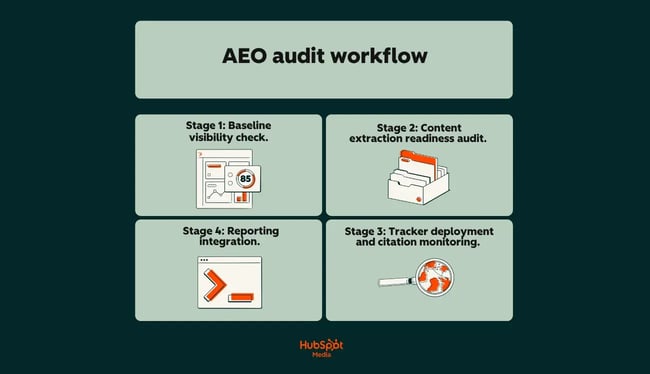
Step 1: Establishing a Baseline Visibility Check
Before investing in any specialized AEO software, it is prudent to conduct an initial, often free, diagnostic. Tools like HubSpot’s AI Search Grader offer a valuable baseline assessment of answer engine visibility. This allows teams to pinpoint precisely where their brand is currently being cited and, perhaps more importantly, where it is conspicuously absent. This foundational step is crucial for informing subsequent investment decisions and strategic planning, providing a clear picture of the existing landscape without immediate financial commitment.
Step 2: Auditing Content for Extraction Readiness
A deep dive into AEO metrics is only effective if the underlying content is structured to be readily understood and extracted by AI models. Answer engines typically analyze individual segments or paragraphs of web content to formulate their responses. Therefore, content marketers must ensure their published material adheres to best practices for AI extraction. This includes reformatting introductory paragraphs to provide immediate answers, incorporating dedicated Q&A sections, and utilizing comparison tables that AI can easily parse. Auditing the top 50 pages of a website against these structural criteria is a critical precursor to optimizing for AEO.
Step 3: Deploying Trackers and Monitoring Citations
Once a baseline visibility has been established and content has been adapted for AI extraction, the deployment of dedicated AEO trackers becomes essential. These tools are invaluable for monitoring citation coverage and ensuring brand accuracy. They provide the granular detail needed to understand which specific queries trigger brand citations and whether those citations accurately represent the brand’s offerings or information. This ongoing monitoring is the bedrock of an effective AEO strategy.
Step 4: Integrating Reporting into Existing Dashboards
The ultimate success of AEO initiatives hinges on their integration into broader marketing performance metrics. AEO success should be measured not in isolation, but in conjunction with other key performance indicators, such as citation volume, customer sentiment, and share of voice. By connecting AEO citation data to existing marketing dashboards, teams can gain a holistic view of their digital marketing effectiveness, demonstrating how AEO efforts contribute to overall business objectives alongside traditional SEO gains and other marketing initiatives.
Tailoring AEO Audit Tools to Organizational Needs
The requirements for AEO audit tools vary significantly based on a company’s size, stage of growth, and the maturity of its marketing operations. A lean startup with a small marketing team will have fundamentally different needs than a large enterprise with multiple product lines and a sophisticated reporting infrastructure. The most effective AEO audit tools are those that can be adapted to these diverse contexts, aligning with budget constraints and existing workflows.
Startup and Small to Medium-sized Business (SMB) Stack
For nascent businesses, the primary concern is often whether AI search surfaces their brand at all. A foundational stack for this segment typically involves free or low-cost tools to validate AI visibility across key answer engines.
- HubSpot’s AI Search Grader: Provides an essential baseline visibility check across major AI platforms.
- Manual Query Testing: Complementary to automated tools, direct testing of key brand queries on ChatGPT, Perplexity, and Gemini offers direct insights.
- Content Audit Tools (e.g., built-in website analytics): To assess the structural readiness of existing content for AI extraction.
This stack is ideal for teams of one to five marketers who need to confirm the viability of AI search as a channel before allocating budget to dedicated AEO tracking software. The key advantage here is cost-effectiveness, answering the critical question: "Is AI search a viable channel for us?" If initial audits reveal zero brand presence, the immediate focus should shift to content optimization rather than software acquisition. A crucial pro tip for these teams is to ensure at least 30% of their top-performing pages incorporate answer-first introductions, Q&A sections, and comparison tables – prerequisites for effective AI extraction.
Mid-Market Stack
As businesses scale, manual spot-checks become increasingly untenable. While enterprise-level AEO platforms might exceed budget constraints, mid-market teams require solutions that offer robust citation tracking without necessitating a completely separate, standalone dashboard.
- Dedicated AEO Tracking Platforms (e.g., MarketMuse, Surfer SEO with AEO features): These platforms offer continuous monitoring of citations across multiple answer engines.
- Advanced Keyword Research Tools (e.g., SEMrush, Ahrefs): To identify high-intent queries that AI engines are likely to address.
- Integration Capabilities: The ability to connect AEO data with existing SEO platforms and CRM systems is paramount for unified reporting.
This stack is best suited for teams of five to twenty marketers with a dedicated SEO function, seeking ongoing citation monitoring, in-depth query research, and seamless integration with their current marketing reporting frameworks. The primary benefit is the reduction in manual effort required for citation monitoring, allowing teams to focus on strategy and optimization.
Enterprise Stack and Compliance Checklist
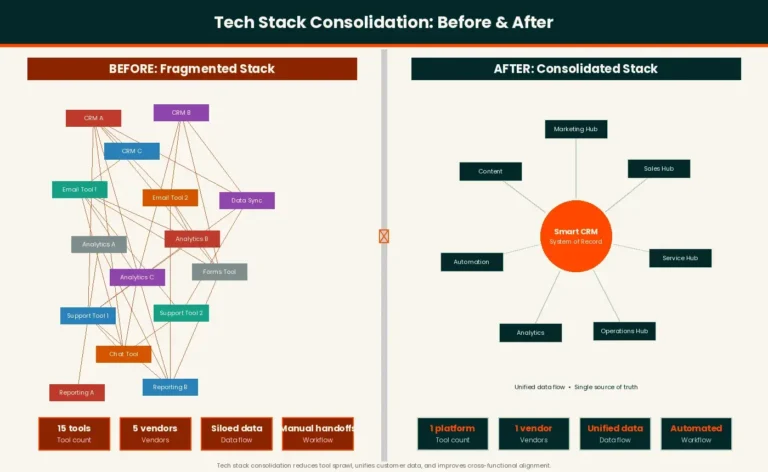
For large organizations with multiple business units, diverse product lines, and a global presence, standardizing measurement and avoiding tool sprawl are critical. Enterprise-grade AEO audit tools at this tier consolidate citation tracking and content governance within the existing technology stack.
- Comprehensive AEO Platforms (e.g., Brandwatch, Sprinklr with AEO modules): These platforms offer advanced analytics, multi-language support, and enterprise-grade scalability.
- Data Visualization and Business Intelligence Tools (e.g., Tableau, Power BI): For integrating AEO data into executive-level dashboards.
- Content Management Systems (CMS) with AEO Features: To ensure content governance and AI optimization are embedded within content creation workflows.
This tier is designed for teams of 20+ marketers, multi-brand corporations, and highly regulated industries. The key advantage lies in consolidating measurement and demonstrating AEO’s impact alongside established marketing metrics. For instance, integrating HubSpot’s marketing attribution with dedicated AEO trackers allows for a clear demonstration of ROI.
Before committing to an enterprise AEO vendor, a thorough compliance checklist is essential. Key considerations include:
- Data Privacy and Security: Ensuring compliance with GDPR, CCPA, and other relevant data protection regulations.
- Scalability and Performance: The platform’s ability to handle large volumes of data and queries without performance degradation.
- Integration with Existing MarTech Stack: Seamless connectivity with CRM, analytics, and content management systems.
- Customization and Reporting Flexibility: The ability to tailor reporting to specific business unit needs and executive requirements.
- Vendor Support and Training: Robust support structures to ensure effective implementation and ongoing utilization.
For enterprise pricing models, it is advisable to negotiate based on the number of tracked queries and answer engines rather than per-seat licenses. Data volume, not user access, is the primary cost driver at scale.
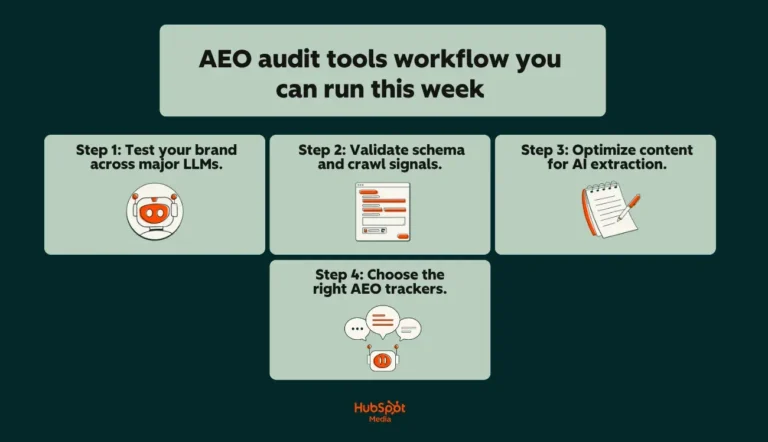
Implementing an AEO Audit Workflow You Can Run This Week
A proactive approach to AEO involves establishing workflows that can be implemented immediately and iterated upon. This ensures consistent progress and adaptability to the rapidly changing AI landscape.
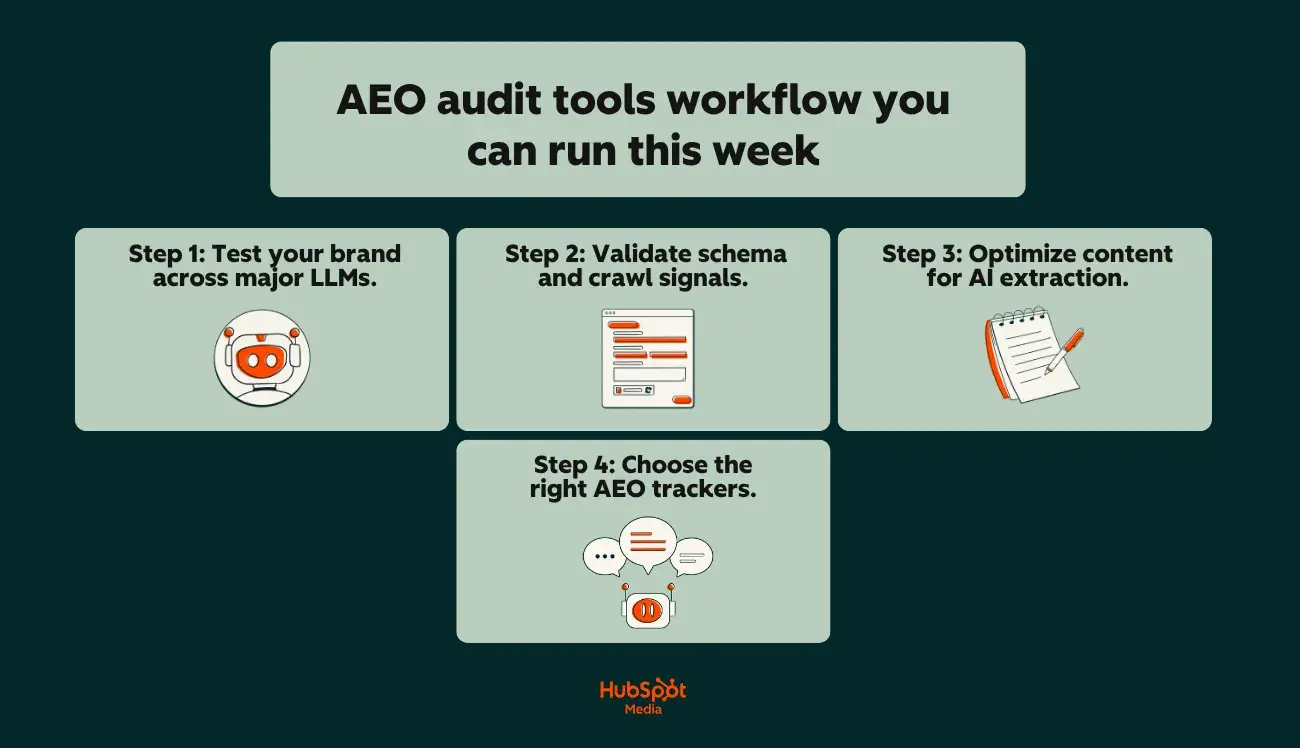
Step 1: Comprehensive Brand Testing Across Major Answer Engines
The initial step involves a thorough baseline test of brand visibility across the primary AI answer engines: ChatGPT, Perplexity, and Gemini. This foundational step is critical for gathering raw data on brand presence and absence.
- Manual Query Testing: Craft a detailed list of brand-related queries, covering product information, service inquiries, and industry-specific questions. Execute these queries across each target AI engine.
- Automated Graders: Utilize tools like HubSpot’s AI Search Grader to automate a significant portion of this baseline check, cross-referencing its findings with manual query results for a more comprehensive understanding.
- Query Consistency: Maintain an exact list of the queries used. Re-running these same prompts monthly is crucial for tracking directional progress, emphasizing consistency over exhaustive coverage in the initial stages.
Step 2: Validating Schema and Crawl Signals
For AI engines to cite content, they must first be able to access and interpret it. This step focuses on ensuring technical visibility for crawlers and indexing systems.

- Robots.txt and Meta Robots Tags: Verify that essential pages are not inadvertently blocked from search engine crawlers.
- XML Sitemaps: Ensure sitemaps are up-to-date and accurately reflect the site’s structure and content.
- Schema Markup: Implement structured data markup (e.g., Schema.org) to provide AI engines with clear, machine-readable information about your content.
- Core Web Vitals and Page Experience: Optimize for user experience signals, as these can influence how AI models perceive content authority and quality.
Step 3: Optimizing Content for AI Extraction
Even with strong visibility and crawl access, content must be structured for AI extraction. This involves a deliberate focus on content formatting.
- Answer-First Intros: Begin content with clear, concise answers to the most probable user questions.
- Q&A Blocks: Incorporate dedicated sections that directly address frequently asked questions.
- Comparison Tables: Present information in a structured, comparative format that AI can easily parse and utilize.
- Prioritization: Identify the top 20 pages with the highest potential for AI extraction and develop a prioritized list of reformatting actions for each.
Tools like HubSpot’s Content Hub offer AI-optimized content modules, including answer-first layouts, FAQ components, and comparison table templates, streamlining this optimization process.
Step 4: Selecting Appropriate AEO Trackers
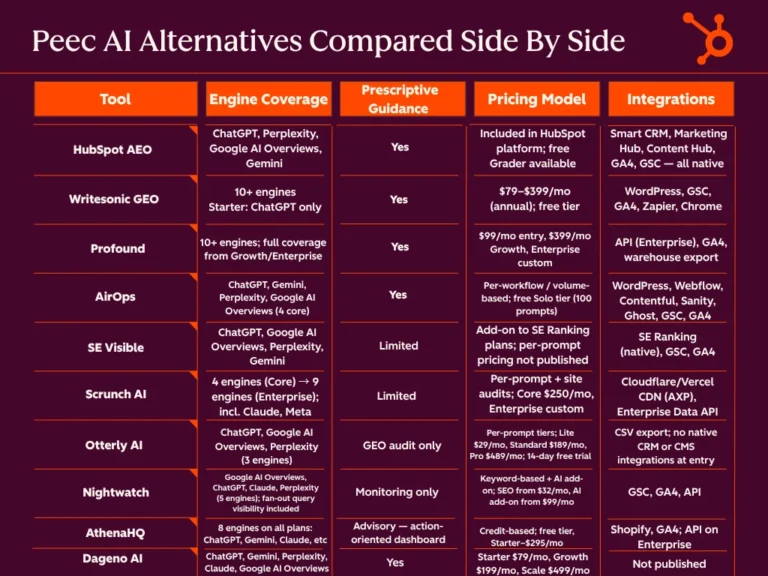
With a solid understanding of baseline visibility and content readiness, teams are well-positioned to evaluate paid AEO audit tools. The selection should be informed by the insights gathered during the initial audit phase.
- Coverage Scope: Determine which answer engines and query types the tool effectively monitors.
- Accuracy Reporting: Assess the tool’s ability to flag inaccurate or misleading brand citations.
- Integration Capabilities: Confirm compatibility with existing marketing technology stacks.
- Reporting and Analytics: Evaluate the depth and clarity of the reporting features, ensuring they align with team needs.
- Cost and Scalability: Choose a tool that fits the budget and can scale with the business.
Automating Recurring AEO Reports for Sustained Performance
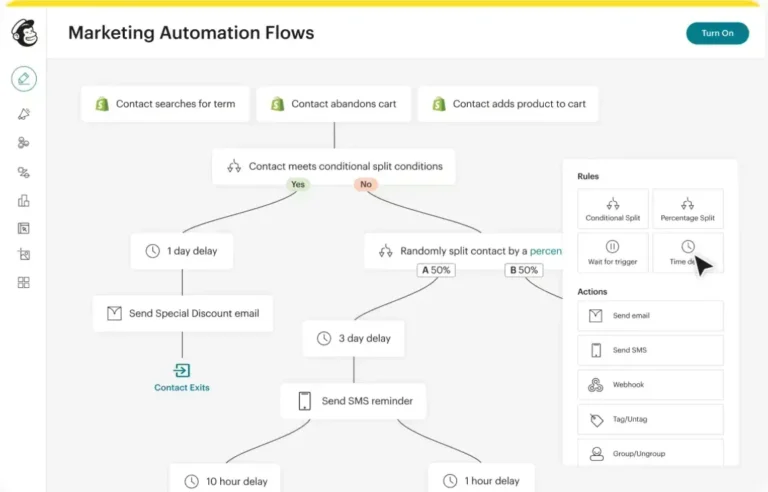
A one-time AEO audit provides a snapshot; a recurring audit system offers a dynamic view of progress and identifies areas for strategic adjustment. AI models are constantly retrained, competitors update their content, and citations can shift without notice. Implementing a tiered reporting cadence transforms manual checks into sustainable, recurring workflows.
Weekly: Citation Alerts and Brand Accuracy Flags
Weekly monitoring is crucial for catching emerging issues before they proliferate. AEO audit tools should be configured to provide immediate alerts for:
- New Brand Citations: Tracking the emergence of new mentions across AI engines.
- Inaccurate Citations: Identifying instances where brand information is misrepresented.
- Significant Changes in Citation Volume: Notifying teams of sudden drops or spikes in brand mentions.
Routing these alerts to existing SEO notification channels (e.g., Slack, email distribution lists) helps consolidate workflows and prevents fragmentation between SEO and AEO efforts.
Monthly: Citation Share Reviews and Content Performance
Monthly reviews transition from reactive monitoring to strategic analysis, addressing the critical question of how to measure AEO success beyond mere presence.
- Citation Share Analysis: Track the proportion of answer engine responses that cite the brand compared to competitors.
- Top Performing Pages: Identify which content pieces are most frequently cited by AI.
- Query Performance Trends: Analyze how brand visibility changes for key query sets over time.
- Sentiment Analysis: Where available, monitor the sentiment of AI-generated responses that mention the brand.
Automating these monthly reviews allows teams to assess strategic impact and make data-driven adjustments to their content and optimization strategies.
Quarterly: Full Engine Tests and Stack Evaluation
Quarterly reviews provide a strategic overview, allowing for comprehensive reassessment and long-term planning.
- Comprehensive Baseline Re-run: Re-execute the full suite of baseline tests to gauge overall progress and identify any systemic shifts.
- Tool Stack Evaluation: Assess whether the current AEO audit tools continue to meet evolving business needs and budget realities.
- Leadership Reporting: Present a consolidated view of AEO performance, highlighting key trends, successes, and areas for future investment to executive leadership.
Avoiding Common Pitfalls in AEO Audit Tool Adoption
Navigating the landscape of AEO audit tools requires awareness of potential missteps that can hinder effectiveness and lead to wasted resources.
Pitfall 1: Prioritizing Tools Over Process (Tool-First Buying)
The most frequent error is acquiring AEO software before establishing a clear understanding of current visibility and identifying specific areas for improvement. A foundational content audit and baseline visibility test should precede any tool purchase. Often, the initial need is not for a tool, but for a process of evaluating content’s AEO readiness.
Pitfall 2: Insufficient Documentation and Lack of a Measurement Framework
Implementing AEO tools without a defined measurement framework is akin to navigating without a compass. Teams may track numbers for a period but lack a clear definition of success or a roadmap for achieving goals. Before deploying any AEO trackers, a robust measurement framework outlining key metrics, target goals, and reporting cadence is essential. Centralizing this framework and baseline data within the same platform as citation reports, such as HubSpot’s Marketing Hub, ensures alignment and accessibility.
Pitfall 3: Over-reliance on a Single Engine (Single-Engine Focus)
Testing visibility solely within ChatGPT, for example, creates significant blind spots. Each AI engine—ChatGPT, Perplexity, Gemini, and others—draws from distinct data sources, employs unique retraining schedules, and applies varied citation logic. A brand that ranks prominently in one engine’s responses might be entirely absent from another’s. A comprehensive AEO strategy necessitates broad testing across multiple platforms to ensure a holistic understanding of brand presence.
Frequently Asked Questions About AEO Audits
How Often Should We Conduct an AEO Audit?
A tiered cadence is recommended: weekly alerts for immediate issues, monthly reviews for strategic analysis and progress tracking, and quarterly comprehensive baseline tests for long-term evaluation.
Which Answer Engines Should Be Prioritized?
Begin with ChatGPT, Perplexity, and Gemini. Expanding to other engines will provide a more complete picture as your AEO strategy matures.
Can Existing SEO Tools Be Adapted for AEO?
While existing SEO tools offer valuable insights into crawlability and content structure, they cannot entirely replace dedicated AEO audit tools. AEO tools are specifically designed to track citation frequency, accuracy, and identify gaps within the AI answer engine ecosystem. The most effective AEO solutions integrate with, rather than replace, existing SEO infrastructure.
How Can AEO Success Be Measured Without New Software?
A meaningful AEO measurement baseline can be established using free tools and manual processes. HubSpot’s AI Search Grader provides a free entry point. Key metrics for measuring AEO success include citation share, citation accuracy, share of voice, and sentiment analysis.
The current search landscape unequivocally demands the adoption of AEO audit tools. Buyers are actively engaging with AI platforms for product recommendations, making it imperative for brands to ensure their presence for relevant queries. AEO audit tools empower teams to evaluate performance, identify gaps, and secure optimal placement in these influential answer engines. To embark on this crucial journey:
- Begin with a baseline test: Utilize free tools and manual queries to understand your current AI visibility.
- Optimize content for extraction: Ensure your content is structured to be readily understood by AI models.
- Choose the right AEO trackers: Select tools that align with your team’s size, maturity, and budget.
- Automate recurring reports: Establish a consistent cadence for monitoring and analysis to sustain progress.
Ready to ascertain your brand’s standing in the evolving world of answer engines? Get started with HubSpot’s comprehensive AEO solutions to navigate this new frontier of digital discovery.
About the Author