In an unprecedented move to stabilize global energy markets and facilitate vital trade, insurance giant Chubb has been appointed as the lead underwriter for a U.S. government-led program designed to provide critical insurance coverage for vessels navigating the perilous Strait of Hormuz. This ambitious initiative, spearheaded by the U.S. International Development Finance Corporation (DFC), commits an estimated $20 billion on a rolling basis to safeguard oil tankers and other commercial shipping traffic that has largely stalled due to the intensifying U.S.-Israeli conflict with Iran. The announcement, coming amidst spiking global oil prices and direct threats to maritime security in the region, underscores the severe economic and geopolitical fallout of the ongoing hostilities.
The Geopolitical Crucible: Strait of Hormuz Under Siege
The Strait of Hormuz, a narrow waterway connecting the Persian Gulf to the Arabian Sea, stands as the world’s most critical oil chokepoint. Under normal circumstances, an astounding 20% of the world’s total petroleum liquids consumption – approximately 21 million barrels per day (b/d) – transits through this vital artery. This includes about 15 million b/d of crude oil and another 5 million b/d in refined petroleum products, making its uninterrupted flow indispensable to global energy security and economic stability. However, since the U.S.-Israeli conflict with Iran erupted in late February 2026, the strait has become a dangerous flashpoint, effectively paralyzing commercial shipping. Ship crews, fearing direct attacks, have grown increasingly reluctant to undertake transits, leading to a dramatic reduction in traffic and a subsequent surge in global energy prices.
The current conflict, rooted in decades of complex geopolitical rivalries, regional power struggles, and disagreements over nuclear programs and proxy forces, escalated sharply in recent weeks. While the precise triggers for this latest phase of hostilities remain multifaceted, the consequences for maritime commerce were immediate and severe. The Strait of Hormuz has historically been a point of contention, with Iran repeatedly threatening to close it in response to international pressure or sanctions, a move that would have catastrophic global economic repercussions. The recent escalation has brought these historical threats closer to reality. On Wednesday, March 11, 2026, the U.K. Maritime Trade Operations (UKMTO) center reported that at least three commercial vessels off Iran’s coast were struck by projectiles, a stark reminder of the imminent dangers. Such incidents have sent shockwaves through the shipping and insurance industries, prompting calls for urgent intervention to mitigate the risks and prevent a full-blown global energy crisis.
A Chronology of Escalation and Economic Response
The current crisis has unfolded rapidly, demonstrating the fragility of global supply chains in the face of regional conflicts:
- Late February 2026: The U.S.-Israeli conflict with Iran intensifies, marking the formal beginning of what has been widely termed the "Iran war." Initial reports of military engagements in the region immediately raise concerns about the Strait of Hormuz, leading to heightened security alerts for maritime traffic.
- Early March 2026: Global oil markets react with extreme volatility. Brent crude prices, a key international benchmark, surge dramatically, quickly surpassing the $90 per barrel mark. This rapid increase signals widespread anxiety among traders and analysts about potential supply disruptions from the Middle East, a region vital for global energy supply. The price point of $91 per barrel echoes market anxieties seen during previous geopolitical crises, such as the 2008 financial crisis or the aftermath of Russia’s 2022 invasion of Ukraine.
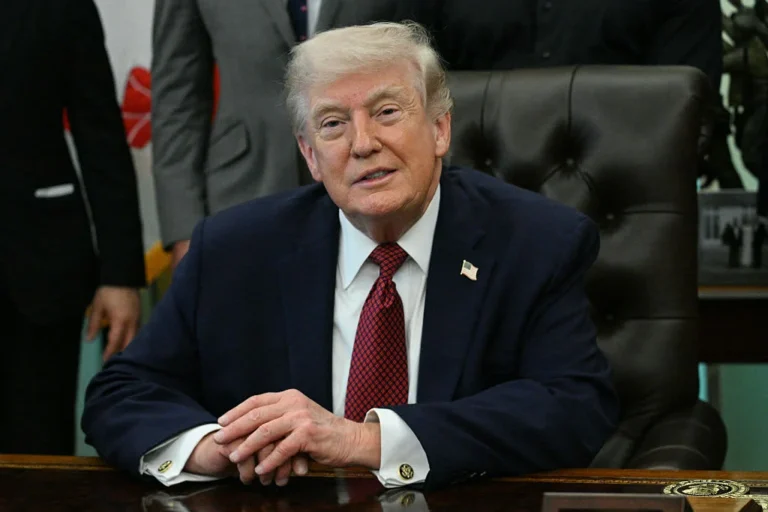
- March 6, 2026 (Implied): Discussions around government-backed reinsurance programs begin to surface within U.S. policy circles, hinting at the severe financial risks commercial insurers are facing and the inadequacy of existing market mechanisms to cover war risks in such a volatile zone. President Donald Trump is reported to have engaged in high-level discussions regarding the implications of the conflict on oil markets and potential government interventions to stabilize trade.
- March 8, 2026 (Implied): In a contentious interview with CBS News, President Trump makes headlines by stating he was "thinking about taking it over" in reference to the Strait of Hormuz, indicating a willingness for direct military intervention to secure the waterway and ensure the free flow of oil, a stance that drew both support and criticism globally.
- March 11, 2026:
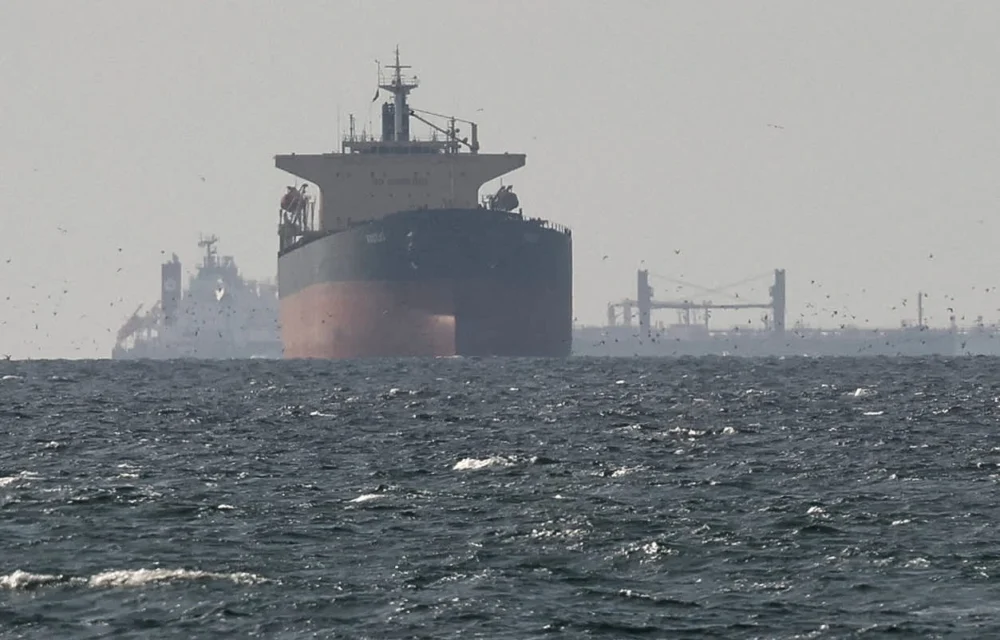
- Visual confirmation from northern Ras al-Khaimah, near the border with Oman’s Musandam governance, shows tankers hesitant to sail, underscoring the standstill in commercial traffic and the palpable fear among mariners.
- News breaks of three cargo ships being struck near Iran’s coast, confirming the active threat to maritime safety and the escalating nature of the conflict. Details of the attacks are sparse, but they are sufficient to deter further shipping.
- The International Energy Agency (IEA) announces a coordinated release of 400 million barrels from its member countries’ strategic petroleum reserves (SPRs). This significant intervention, aimed at tempering soaring crude prices and reassuring markets, represents one of the largest such releases in history, underscoring the severity of the supply threat. IEA chief Fatih Birol notes the usual flow of 20 million barrels per day through the strait, emphasizing the immense void created by the disruption.
- The U.S. International Development Finance Corporation (DFC) officially unveils its $20 billion maritime insurance program, with Chubb designated as the lead underwriter, signaling a concerted effort to restore trade flows by addressing the prohibitive costs and unavailability of commercial war risk insurance.
- March 12, 2026 (Implied): President Trump issues a stern warning, stating that Iran would be hit "TWENTY TIMES HARDER" if it attempted to halt shipments through the Strait of Hormuz, reiterating the U.S.’s resolve to keep the waterway open through military means if necessary.
The Financial Shield: Chubb and the DFC Program Unveiled
The partnership between Chubb and the DFC represents a novel and critical intervention in a rapidly deteriorating economic and security landscape. The DFC, typically focused on facilitating private sector investment in developing countries to advance U.S. foreign policy objectives and support U.S. foreign policy, is now stepping into the complex and high-stakes arena of war risk insurance for a major maritime chokepoint. This expanded mandate highlights the extraordinary nature of the crisis.
Chubb, a global insurance powerhouse with extensive experience in marine and specialty lines, will serve as the pivotal operational hub for this program. Evan Greenberg, Chairman and CEO of Chubb, articulated the necessity of this initiative in a statement: "The commerce passing through the Strait of Hormuz plays a vital role in the global economy, and providing vessels with insurance protection is essential for resuming trade flows." His statement underscores the broader economic implications, extending far beyond the immediate profits of individual shipping companies to the stability of global trade and supply chains. Chubb’s established infrastructure and expertise in complex risk assessment and claims management make it a logical, if unprecedented, choice for such a government-backed venture.
A DFC official, speaking on condition of anonymity due to the sensitivity of the program, explained the division of labor and the rationale behind involving a private sector leader: "At the end of the day, DFC doesn’t have actuaries ourselves. We don’t have the staff to be the focal point for the market." This highlights Chubb’s crucial role as the operational expert, responsible for assessing risks, processing claims, and acting as the primary interface with the shipping industry. The DFC, conversely, will provide reinsurance – a form of "insurance for insurers" – effectively underwriting the bulk of the financial risk, estimated at approximately $20 billion on a rolling basis. This mechanism ensures that commercial insurers, who would otherwise be unable or unwilling to cover war risks in such a volatile zone due to the scale of potential losses, can participate without exposing themselves to catastrophic losses. The DFC official further indicated that while Chubb is the initial lead, the agency might collaborate with additional insurance companies to broaden market participation and capacity, creating a more robust and resilient insurance framework.
The scope of coverage under the DFC program is comprehensive, addressing key concerns of shippers. It will cover "hulls, machinery and cargo," critical components for any vessel and its contents. Hull and machinery insurance protects against physical damage to the ship itself, while cargo insurance covers the goods being transported. Initially, there had been some confusion within the industry regarding whether environmental damage, particularly from potential oil spills, would be included. This is a significant concern, as the financial liabilities for environmental cleanup can often far exceed the value of the vessel or its cargo, posing an existential threat to shipping companies. The DFC official clarified this crucial point: "We are providing that coverage baked within that hull and machinery product," confirming that environmental liabilities associated with covered incidents would indeed be part of the protection. This comprehensive approach aims to alleviate a major impediment to commercial activity and ensures that a potential disaster would not lead to an unmanageable ecological and financial catastrophe.
Broader Economic and Geopolitical Implications
The DFC-Chubb initiative, while a significant step, operates within a complex web of economic and geopolitical factors. The spike in oil prices, with Brent crude trading above $91 a barrel midmorning Wednesday, has already begun to ripple through the global economy. For context, this price point is reminiscent of the market volatility seen during the 2008 financial crisis or the post-invasion surges of 2022, signaling a serious threat of inflation and economic slowdown. Higher energy costs impact everything from transportation and manufacturing to consumer prices, potentially leading to a global economic contraction. The IEA’s coordinated release of 400 million barrels from strategic petroleum reserves, a measure typically reserved for severe supply disruptions, underscores the gravity of the situation. While significant, 400 million barrels represents less than 20 days of the oil that normally transits the Strait of Hormuz, suggesting it offers only a temporary reprieve rather than a permanent solution to a prolonged closure or disruption. The IEA’s role highlights the international community’s shared concern and coordinated efforts to mitigate the crisis.
The U.S. government’s direct involvement in underwriting war risk insurance also sets a precedent. While governments have historically intervened in markets during crises, this specific program highlights the strategic importance of the Strait of Hormuz and the U.S.’s unwavering commitment to global energy security. It also reflects a recognition that market forces alone cannot adequately address the extreme risks posed by active military conflicts in critical maritime chokepoints. This type of government-backed insurance can be seen as a form of economic warfare mitigation, designed to prevent the conflict from inflicting wider, more devastating economic damage.
Beyond the immediate financial mechanisms, the underlying issue remains the "raw danger" faced by crews. As the DFC official candidly noted, "What is ultimately stopping ships from moving is the raw danger of being near a war zone. Insurance may help at a high level, but ships won’t move if crews fear for their lives." This sentiment was echoed by Rachel Ziemba, a senior advisor at Horizon Engage, a political-risk advisory firm. Ziemba articulated the dual necessity: "The physical insurance that only the U.S. military can provide, and the financial risk that insurance can provide, need to go hand-in-hand." Her analysis points to the critical role of military escorts and a visible naval presence to provide actual security, complementing the financial assurances offered by the DFC-Chubb program. Without this physical security, the insurance may only provide cold comfort to those on board.
President Trump’s aggressive rhetoric, including threats of severe retaliation and musings about "taking over" the Strait, further complicates the geopolitical calculus. While intended to deter Iran and assert U.S. dominance, such statements can also heighten tensions and potentially provoke further escalation, adding layers of uncertainty for shipping companies and global markets. The optimal scenario for oil prices and global trade remains a swift and peaceful resolution to the conflict. However, in the absence of an immediate peace, the prospect of U.S. military escorts for commercial vessels through the Strait of Hormuz emerges as a crucial, albeit escalatory, option to ensure the physical passage of goods and stabilize global energy supplies. Such escorts would require significant naval resources and carry their own risks of direct engagement.
Looking Ahead: Challenges and Contingencies
The DFC-Chubb partnership, while robust in its design, faces several significant challenges. Firstly, the sheer scale and duration of the Iran conflict will dictate the long-term efficacy of the program. If hostilities intensify or prolong, even a $20 billion rolling coverage might be tested, potentially requiring further government interventions. Secondly, ensuring compliance and operational efficiency in an active war zone will be complex, requiring seamless coordination between Chubb, the DFC, intelligence agencies, and the U.S. military to provide real-time risk assessments and incident response. Thirdly, the program’s ultimate success hinges on its ability to genuinely reassure shipping companies and, crucially, their crews, that transit through the Strait is acceptably safe, both financially and physically. The psychological impact of operating in a war zone cannot be underestimated.
The global shipping industry, already grappling with post-pandemic supply chain disruptions and geopolitical shifts, now confronts an acute crisis in a region that underpins global energy flows. The initiative by the U.S. government, leveraging private sector expertise, is a testament to the extraordinary measures deemed necessary to prevent a wider economic catastrophe. As the world watches the unfolding conflict, the success or failure of this ambitious insurance program will have far-reaching implications, not only for the stability of oil markets but also for the future of maritime trade and international cooperation in an increasingly volatile world.
The reliance on a single chokepoint for such a significant portion of global energy supply has long been identified as a strategic vulnerability. This crisis may accelerate global efforts towards energy diversification, the development of alternative shipping routes (though few exist for Middle Eastern oil), and enhanced regional security cooperation to prevent similar disruptions in the future. For now, the immediate focus remains on ensuring the continued, albeit precarious, flow of vital resources through the Strait of Hormuz, a task made possible by this unprecedented alliance between government backing and private insurance expertise, coupled with the ever-present shadow of military intervention.
About the Author