The fragile equilibrium of the Himalayan mountain range was shattered on August 26, 2026, when a catastrophic flash flood tore through the border region between central Nepal and Tibet, leaving a trail of unprecedented destruction and a mounting humanitarian crisis. Local authorities and international relief agencies have confirmed that at least 1,252 people have perished, while more than 4,200 individuals remain missing in the rugged terrain. As thousands of displaced residents seek refuge in temporary shelters, the disaster has reignited a global debate over climate liability, the inadequacy of current disaster-monitoring technologies, and the widening gap between the financial needs of vulnerable nations and the commitments made by the world’s largest carbon emitters.
The disaster originated in a high-altitude glacial zone in Tibet, where an unexpected collapse of ice triggered a massive surge in the Trishuli River. Within minutes, the deluge crossed the international border, overwhelming the Rasuwa district in Nepal. The speed and scale of the event caught even seasoned emergency planners off guard, as the floodwaters bypassed recently installed monitoring systems designed for traditional glacial lake outbursts. This event serves as a grim milestone in what scientists describe as the "Himalayan Tsunami," a phenomenon driven by the rapid warming of the Earth’s highest mountain range.
A Chronology of the Himalayan Disaster
The events leading up to the August 26 disaster began in early 2026, following an unusually warm winter and a spring season marked by record-high temperatures across the Tibetan Plateau. For forty years, the Himalayas have been warming at nearly twice the global average rate, leading to the destabilization of the cryosphere—the frozen water part of the Earth system.
In June 2025, a smaller-scale flood had already impacted the same border region after a glacial lake burst in Tibet. In response, disaster officials from both China and Nepal collaborated to establish a new emergency response framework centered on the Gyirong Port complex. This plan included the installation of water-level sensors and early warning sirens along the Trishuli River. However, the August 26 event exposed a critical flaw in this strategy. Unlike the 2025 event, which was a gradual breach of a moraine-dammed lake, the 2026 disaster was caused by a massive ice avalanche from a hanging glacier.
The ice collapse occurred at approximately 3:45 AM, sending millions of tons of ice and debris into a subglacial reservoir. The resulting displacement of water created a "surge wave" that traveled with such velocity that downstream sensors provided only seconds of warning before being swept away. By 4:15 AM, the Rasuwa district was inundated, with entire villages, hydropower construction sites, and bridge infrastructures obliterated. The search for the 4,200 missing persons continues, though rescue teams have warned that the likelihood of finding survivors diminishes with each passing day due to the thick layers of silt and debris covering the valley floor.
The Science of a Warming Third Pole
The Himalayas, often referred to as the "Third Pole" because they hold the largest reserve of freshwater outside the polar regions, are currently functioning as a climate canary in the coal mine. Research published in early 2026 by the United Nations Development Program (UNDP) indicates that the region’s glaciers are losing mass at an accelerating pace, while permafrost—the frozen ground that provides structural integrity to mountain slopes—is thawing.
As of 2020, scientists had identified 47 glacial lakes in the region that were at immediate risk of flooding. By 2026, that number has been revised upward significantly. Shifting river patterns and the weakening of underlying bedrock have made the landscape increasingly volatile. Dr. Saswata Sanyal, a specialist at the International Center for Integrated Mountain Development (ICIMOD), noted that traditional "single-hazard" monitoring is no longer sufficient for the complex realities of climate change. While sensors were in place for rising water levels, there were no sensors capable of detecting the structural failure of high-altitude ice shelves. This technological gap highlights a broader global issue: emergency infrastructure is being built to withstand the disasters of the past, rather than the unpredictable, multi-hazard events of the future.
Economic Devastation and the Call for Climate Justice
The financial toll on Nepal is staggering. Preliminary estimates suggest that the cost of recovery and reconstruction will exceed $5 billion. To put this figure in perspective, it represents approximately 10 percent of Nepal’s total Gross Domestic Product (GDP). For a developing nation already grappling with high levels of external debt and the need for infrastructure modernization, a loss of this magnitude is catastrophic.
In the wake of the floods, Nepal’s Foreign Minister, Shishir Khanal, has taken a firm diplomatic stance, signaling a shift in how the nation interacts with the international community. During an address to the Kathmandu Post, Khanal argued that the era of viewing disaster relief as "charity" must end. He asserted that the disaster is a direct consequence of the greenhouse gas emissions produced by the world’s industrial giants.
"We are shifting our diplomatic framework from ‘aid’ to ‘justice and compensation,’" Khanal stated. He specifically named China, the United States, and India—the world’s top three emitters—as having a "historical responsibility" to compensate vulnerable nations like Nepal. This rhetoric reflects a growing sentiment among the "V20" (Vulnerable Twenty) group of nations, who argue that they are paying the highest price for a crisis they did not create. Nepal’s contribution to global carbon emissions is negligible, yet it faces some of the most severe physical and economic consequences of global warming.
The Underfunded Loss and Damage Fund
The mechanism intended to address these grievances is the international Fund for Responding to Loss and Damage. Approved by nearly 200 countries during the COP28 climate talks in 2023, the fund was designed to provide financial assistance to developing countries suffering from "irrecoverable" climate impacts. However, the gap between the fund’s promises and its reality is vast.
Climate experts estimate that by 2030, developing nations will require up to $580 billion annually to cover losses related to climate change. As of late 2025, the total amount committed to the Loss and Damage fund was only $741 million—less than 0.2 percent of the projected need. Furthermore, of that $741 million, less than $500 million has actually been delivered to the fund’s accounts. With recovery costs for a single disaster in Nepal already reaching $5 billion, the fund is at risk of total exhaustion before it can even begin to address larger-scale crises in Africa or the Pacific Islands.
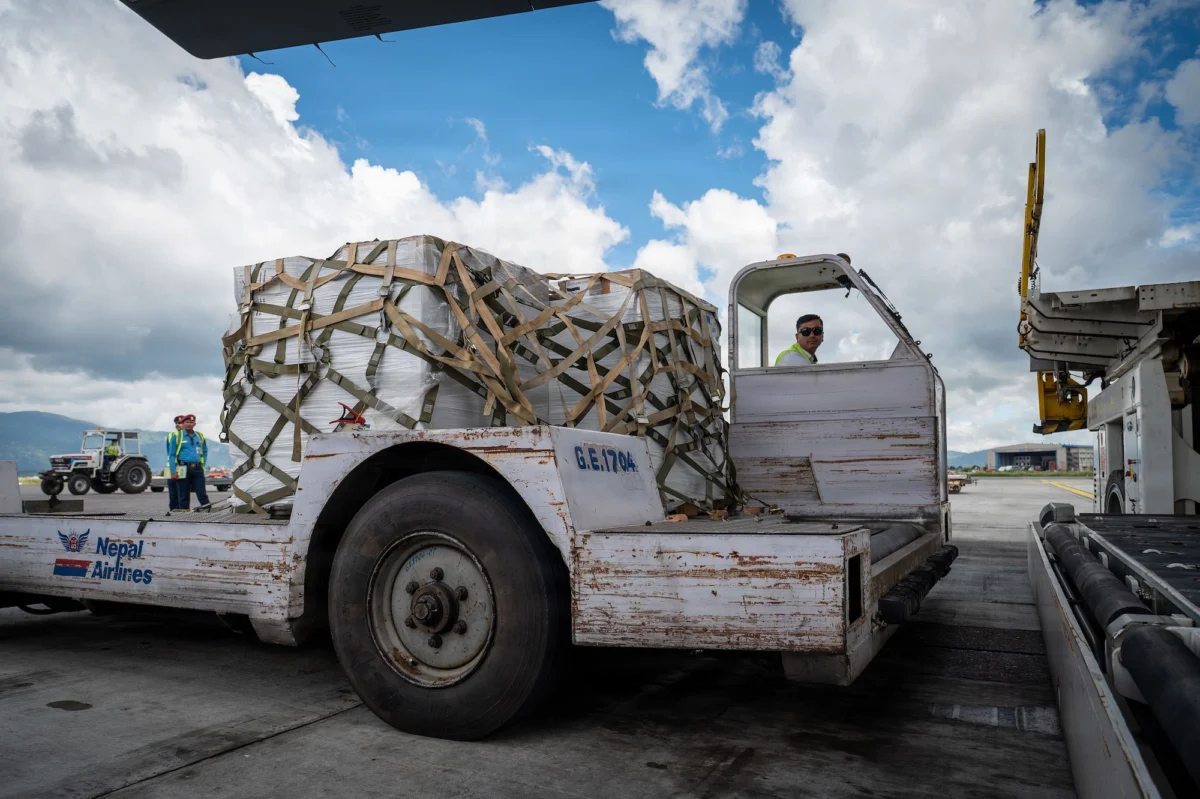
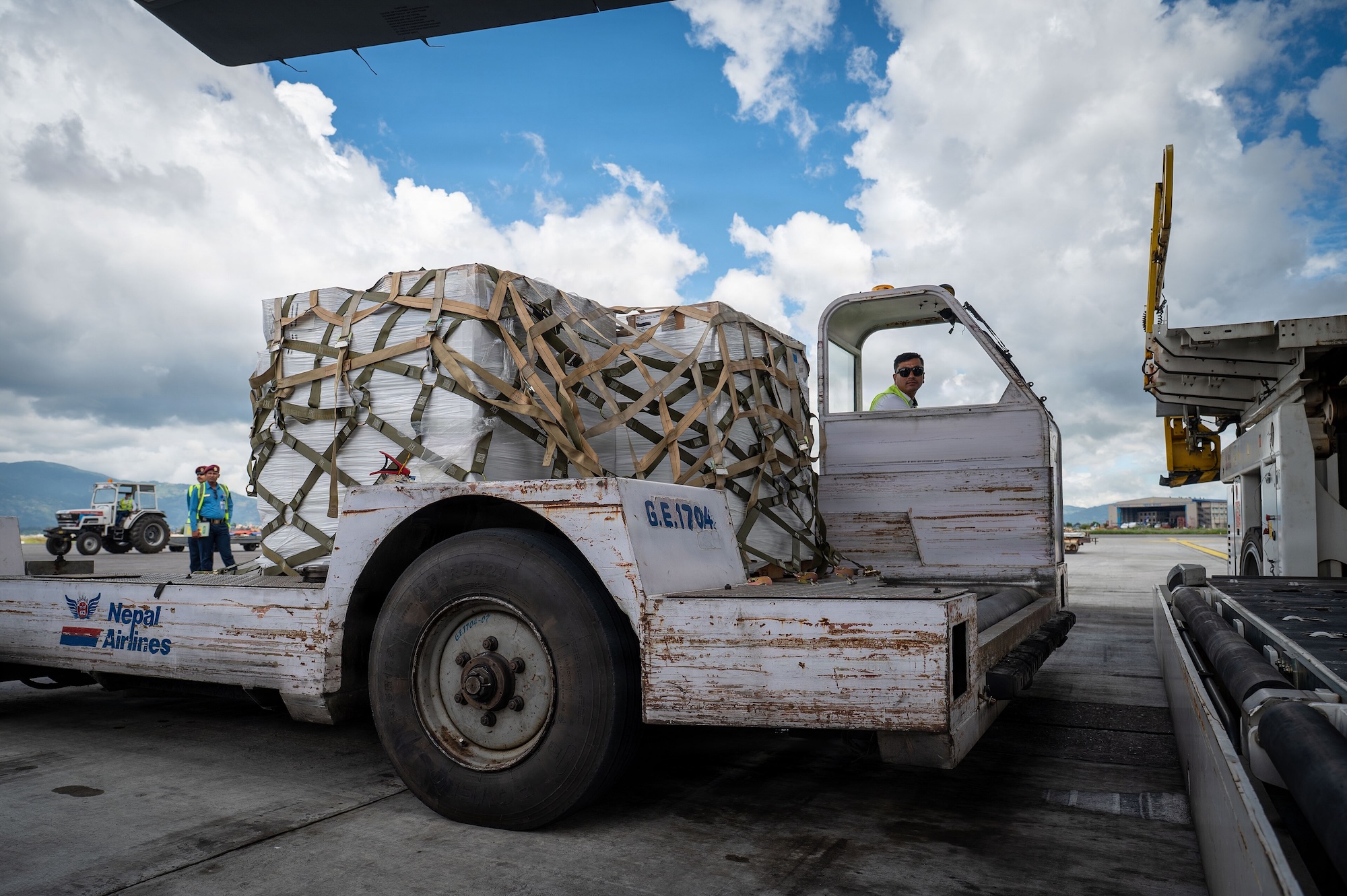
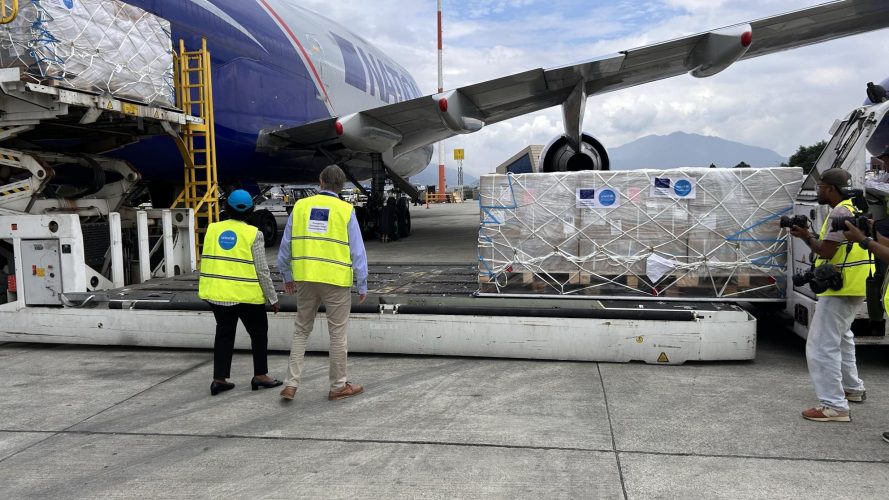
While 29 countries have sent emergency relief to Nepal—including medical supplies, food, and search-and-rescue teams—this immediate aid does not address the long-term economic scarring. Bridges, roads, and hydropower plants that took decades to fund and build have been destroyed in hours, setting back the country’s development goals by a generation.
Global Flood Risks: From the Himalayas to the United States
The tragedy in Nepal is part of a broader global trend of increasing flood risk. According to the World Bank, approximately 1.8 billion people—nearly one-quarter of the global population—now live in areas with significant flood risk tied to climate change. This threat is not confined to developing nations; wealthy countries are also finding their infrastructure and insurance markets underprepared for the new climate reality.
In the United States, the rising frequency of "thousand-year floods" occurring every few years has forced a re-evaluation of real estate and insurance practices. Historically, property buyers and planners relied on FEMA flood maps based on past data. However, as the climate changes, these historical records are becoming increasingly irrelevant. In response, a handful of U.S. states have passed aggressive flood disclosure laws. States like New York and New Jersey now require sellers and landlords to provide detailed histories of flood damage to prospective buyers and tenants.
Despite these localized efforts, many parts of the United States remain in a state of "climate blindness." The Natural Resources Defense Council (NRDC) recently reported that more than a dozen states have no flood disclosure requirements at all, leaving residents to purchase homes in high-risk zones without their knowledge. This lack of transparency is compounded by a federal shift in climate policy.
Political Obstructions and the Affordability Crisis
The ability of the United States to manage its own flood risks and contribute to global solutions has been hampered by significant political shifts. Under the administration of Donald Trump, the federal government has moved toward a policy of climate denialism. This has included the removal of climate change data from official government websites and a reorganization of the U.S. Department of Agriculture (USDA) that critics say is designed to purge climate-literate professionals from the agency.
By prioritizing fossil fuel expansion and obstructing renewable energy initiatives, the administration has not only increased the long-term risk of climate-related disasters but has also contributed to a burgeoning "affordability crisis." As flood risks increase and the government downplays the threat, insurance companies are raising premiums or exiting high-risk markets altogether, such as in Florida and California. This leaves homeowners with devalued assets and no safety net.
The NRDC’s recent report highlights that the rising cost of flood damage is a primary driver of economic instability. When the federal government denies U.S. responsibility for global climate impacts, it also undermines the domestic preparation necessary to protect its own citizens. The refusal to acknowledge the link between carbon emissions and extreme weather events creates a vacuum where both domestic and international policy fail to meet the urgency of the moment.
Conclusion: A New Paradigm for Emergency Planning
The August disaster in the Himalayas serves as a definitive warning that the climate crisis has entered a more volatile phase. The transition from predictable seasonal flooding to "Himalayan Tsunamis" caused by ice avalanches requires a fundamental rethink of emergency planning. Monitoring systems must evolve from single-hazard sensors to integrated, multi-hazard networks capable of observing changes in the cryosphere, geology, and hydrology simultaneously.
Furthermore, the diplomatic tension between Nepal and major emitters like the U.S. and China suggests that the era of voluntary climate aid is coming to an end. As the costs of recovery begin to consume significant portions of national GDPs, the demand for legal and moral liability will only grow louder. Whether through the UN Loss and Damage fund or direct bilateral compensation, the financial burden of climate change is becoming a central pillar of international relations.
For the people of the Rasuwa district and the thousands still missing in the debris of the Trishuli River, the technical and political debates of the world stage are secondary to the immediate reality of loss. However, their tragedy is a stark reminder that in a globalized climate system, the melting of a glacier in Tibet is inextricably linked to the economic stability and safety of communities worldwide. Without a massive infusion of capital into climate adaptation and a genuine commitment to emissions reductions, the events of August 26 will likely become a recurring feature of the 21st-century landscape.
About the Author