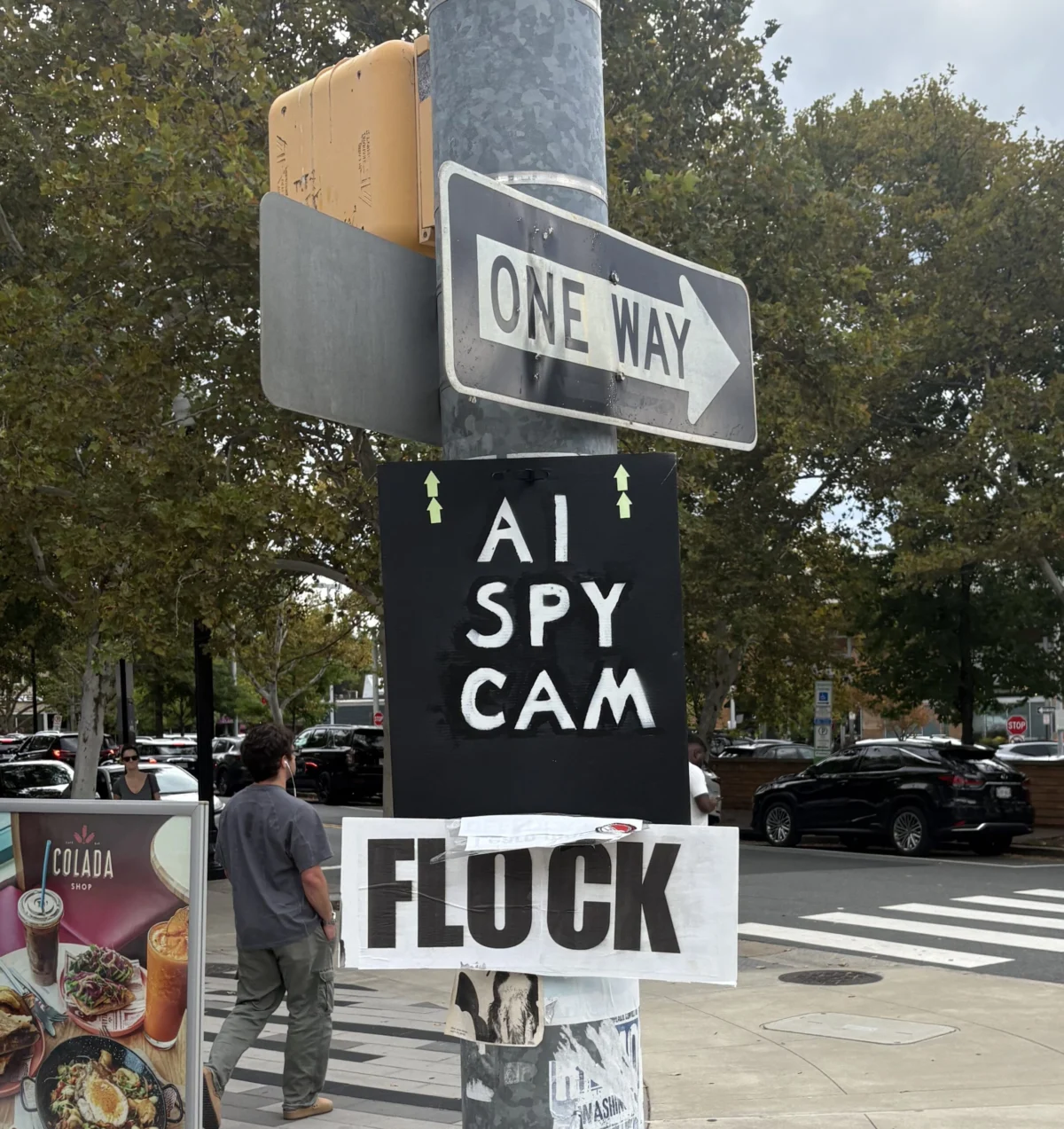
Flock Safety, the surveillance technology company embroiled in controversy over the misuse of its license plate recognition (LPR) cameras, has announced a voluntary departure program for its employees. The initiative, revealed on Friday, September 19, 2026, offers what the company describes as "generous" severance packages to employees who choose to leave voluntarily. This move comes as Flock faces increasing scrutiny and a significant number of contract terminations from municipalities nationwide, fueled by revelations of privacy violations and alleged misuse of its technology by law enforcement.
The company, which employs approximately 1,500 individuals, anticipates a substantial number of its workforce will express interest in these buyouts. In an internal announcement, Flock characterized these packages as the "most generous" ever extended to its staff. By facilitating voluntary departures, Flock aims to manage its workforce reduction in a manner that mitigates further damage to internal morale, which has reportedly been severely impacted by the ongoing public outcry. The alternative, according to reports, would have been almost certain layoffs, a process often perceived as more damaging to company culture and employee confidence.
The decision to offer buyouts can be viewed as a strategic response to a rapidly deteriorating public image and increasing regulatory pressure. The core of the controversy lies in Flock’s LPR technology, which captures and stores images of license plates, creating a vast database accessible to law enforcement agencies. While intended to aid in crime fighting, concerns have mounted over the potential for abuse and the erosion of privacy.
A Growing Tide of Criticism and Contract Terminations
The public relations crisis for Flock Safety intensified in August 2026, when The Washington Post published a detailed report highlighting at least 46 documented cases of alleged misuse of Flock technology by police officers. These alarming instances included accusations of officers using the system to stalk ex-partners, current spouses, and girlfriends. Such revelations have served as a major catalyst for the widespread rejection of Flock’s services by government entities.
In the wake of these reports, several states and numerous municipalities have taken decisive action. Florida and Texas, two significant markets for the company, announced they would cease using Flock’s cameras. The impact of these decisions is amplified by the actions of anti-surveillance advocacy groups. One such organization identified a staggering 90 cities that terminated their contracts with Flock in August 2026 alone. This figure represents a fourfold increase compared to the previous month, indicating an accelerating trend of cities severing ties with the surveillance provider.
This rapid exodus from municipalities poses a significant threat to Flock’s business model. The company’s LPR cameras are typically deployed in partnership with local law enforcement, and widespread contract terminations directly translate to reduced revenue and operational scale. The voluntary buyout program could therefore be seen as a measure to streamline operations and reduce overhead in anticipation of continued business challenges.

The Roots of the Backlash: A Timeline of Concern
The issues surrounding Flock Safety’s LPR technology have been developing over several years, but the public awareness and regulatory action have sharply escalated in recent months.
- Early 2020s: Flock Safety gains traction with law enforcement agencies by offering a seemingly affordable and effective solution for crime deterrence and investigation through its network of LPR cameras. The company emphasizes its role in helping to solve crimes and recover stolen vehicles.
- 2024-2025: Growing concerns about data privacy and the potential for misuse begin to surface in academic research and investigative journalism. However, these reports often remain within niche circles.
- Early 2026: Incidents of alleged misuse by law enforcement, though often handled internally or through minor disciplinary actions, start to accumulate. Whistleblowers and civil liberties advocates begin to draw more attention to the systemic risks.
- August 2026: The Washington Post publishes its groundbreaking report detailing numerous instances of alleged abuse of Flock’s LPR system by police officers for personal and invasive surveillance. This report acts as a major turning point, bringing the issue to mainstream public attention.
- August 2026: Following the Washington Post report, cities begin to terminate contracts at an unprecedented rate. Anti-surveillance groups begin actively tracking and publicizing these terminations. Florida and Texas announce their intent to halt the use of Flock technology.
- September 2026: Flock Safety announces its voluntary employee departure program, signaling an acknowledgment of the significant challenges the company is facing. The company’s CEO, Garrett Langley, acknowledges the detrimental impact on "internal morale."
Flock’s Defense and Internal Challenges
In the face of mounting criticism, Flock Safety has maintained that its technology is a valuable tool for public safety. The company has previously stated that it has policies in place to prevent misuse and that it cooperates with investigations into any alleged improprieties. However, the sheer volume and severity of the reported incidents have cast doubt on the efficacy of these measures.
Flock CEO Garrett Langley recently addressed the backlash on the "All-In" podcast, where he reportedly stated that the "biggest damage" had been to "internal morale." This statement underscores the internal pressures within the company as it grapples with external condemnation and potential financial instability. The voluntary buyout program can be seen as an attempt to manage this internal fallout proactively, allowing employees who may be disillusioned or concerned about the company’s future to leave with a financial cushion.
The company’s decision to offer buyouts also serves to avoid the negative connotations associated with widespread layoffs. Layoffs can signal financial distress and can lead to a loss of institutional knowledge and talent that the company may wish to retain if it can successfully navigate the current crisis. By framing the departures as voluntary, Flock attempts to maintain a semblance of stability and control over its workforce reduction.
Broader Implications for Surveillance Technology
The situation at Flock Safety has significant implications for the broader surveillance technology industry and the evolving landscape of public-private partnerships in law enforcement.
- Increased Regulatory Scrutiny: The widespread rejection of Flock’s technology by numerous municipalities suggests a growing public and governmental demand for greater transparency, accountability, and privacy protections in the deployment of surveillance tools. This could lead to more stringent regulations and oversight mechanisms for companies operating in this space.
- Shift in Public Perception: The revelations about Flock’s technology have likely contributed to a broader shift in public perception regarding the balance between security and privacy. Citizens are becoming more aware of the potential for mass surveillance and are demanding that the benefits of such technologies be weighed carefully against the risks to civil liberties.
- Market Correction: The challenges faced by Flock could signal a market correction in the surveillance technology sector. Companies that prioritize robust privacy safeguards, transparent data handling practices, and strong ethical guidelines may find themselves better positioned for long-term success. Conversely, those that fail to adequately address these concerns may face similar headwinds.
- Data Governance and Accountability: The controversies highlight the critical need for clear data governance policies and mechanisms for accountability when surveillance technologies are misused. This includes ensuring that law enforcement agencies have appropriate training, oversight, and consequences for violating privacy laws and departmental policies.
The voluntary severance package offered by Flock Safety is a clear indication that the company is navigating a period of significant disruption. While the specifics of the packages and the exact number of employees who will accept them remain to be seen, the move reflects a company attempting to adapt to a challenging environment marked by intense public scrutiny and a growing trend of municipalities divesting from its services. The long-term success of Flock Safety, and indeed many companies in the surveillance technology sector, will likely depend on their ability to demonstrate a genuine commitment to privacy and ethical data practices in an increasingly vigilant public sphere.
About the Author