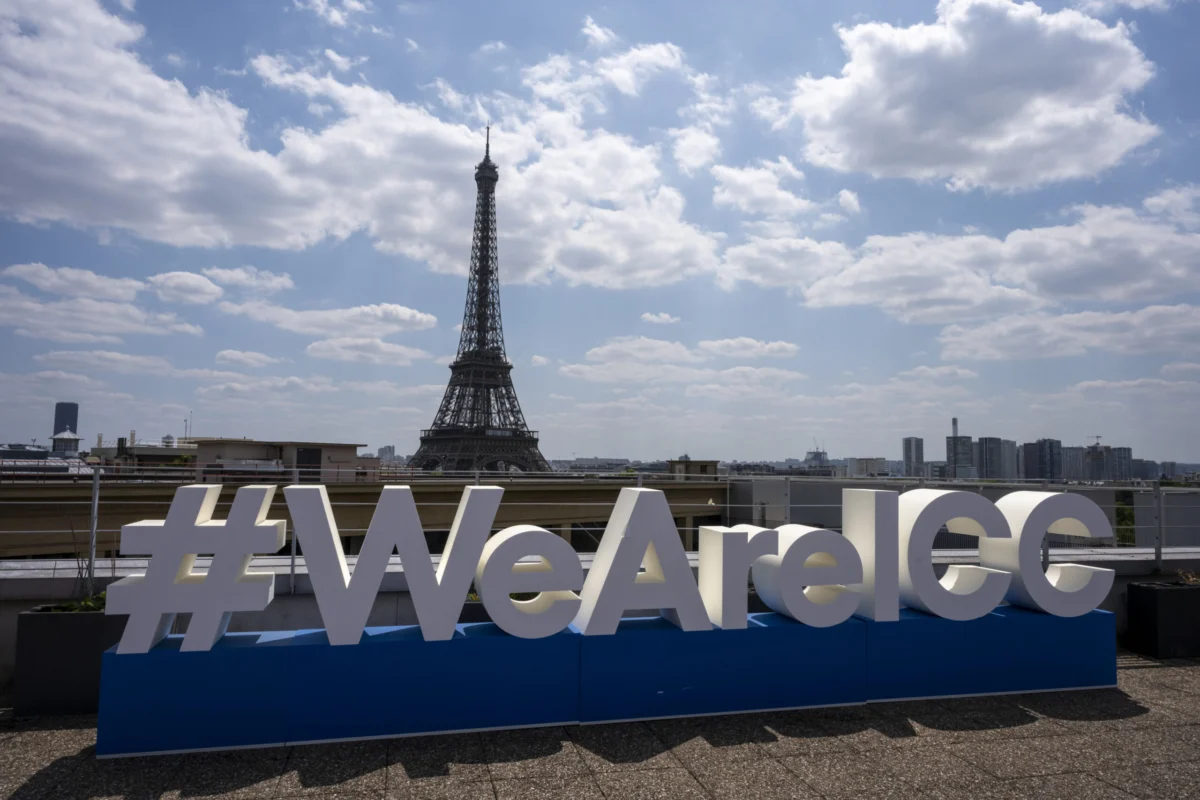
The International Chamber of Commerce (ICC), the institutional representative of 45 million companies in over 170 countries, has undergone a radical metamorphosis in its operational DNA over the last decade and a half. At the heart of this transition is Cyrille, a digital architect whose tenure has spanned from the foundational era of physical network installation to the current frontier of artificial intelligence and global trade digitization. This evolution reflects a broader trend in international trade: the shift from paper-heavy, siloed processes to integrated, data-driven ecosystems that facilitate the seamless movement of goods across borders.
When Cyrille joined the ICC over 15 years ago, the organization’s digital landscape was characterized by the physical necessities of local area networks. The initial mandate was focused on upgrading the ICC’s network and information systems service—a project that involved the literal laying of wires, the strategic placement of switches, and the installation of Wi-Fi access points to modernize the office environment. During this period, the goal was internal efficiency: digitizing daily workflows and streamlining administrative processes to empower staff. The ICC leadership at the time provided the technical teams with the autonomy to explore various technological solutions, fostering a culture of experimentation that would eventually scale to global proportions.
A Chronology of Digital Advancement at the ICC
The timeline of the ICC’s digital journey can be divided into three distinct phases, each reflecting the technological priorities of the era. The first phase, beginning in the late 2000s, was centered on infrastructure. This involved transitioning from legacy hardware to robust server environments and establishing the connectivity required for a global headquarters to communicate effectively with its national committees.
The second phase, spanning the mid-2010s, focused on process optimization. As the internet matured, the ICC began to look outward, identifying how digital tools could enhance its core mission of making business work for everyone. This era saw the introduction of more sophisticated internal databases and the beginning of the transition toward cloud-based services, allowing for better collaboration between the ICC’s Paris headquarters and its diverse global network.
The third and current phase, which gained significant momentum around 2019, is the era of the global digital product. In this stage, the focus shifted from internal support to the creation of digital platforms that serve the entire global trade community. Cyrille’s role evolved from a systems manager to a digital architect, responsible for bridging the gap between complex technical requirements and the strategic objectives of the world’s largest business organization.
The Case of the ATA Carnet: Digitizing 60 Years of Paper
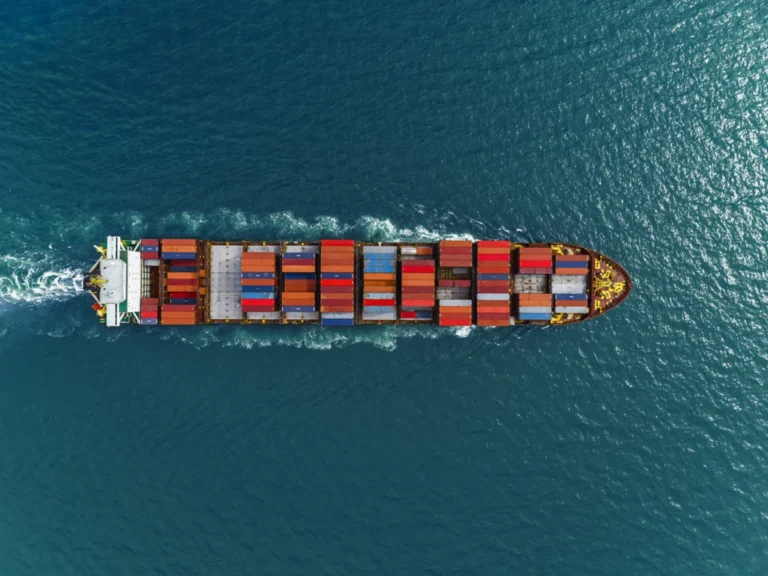
The most significant milestone in this chronological evolution was the digitization of the ATA Carnet system. Often referred to as the "Passport for Goods," the ATA Carnet is an international customs document that permits the duty-free and tax-free temporary import of goods for up to one year. Established in 1963, the system had remained almost entirely paper-based for six decades, involving a complex chain of physical stamps, vouchers, and manual hand-offs between exporters, chambers of commerce, and customs authorities.
Cyrille was appointed as the project lead for this massive undertaking, known as the eATA Carnet project. The scale of the challenge was immense:
- Stakeholder Diversity: The project required coordination between the World Customs Organization (WCO), national customs administrations in over 70 countries, and thousands of local chambers of commerce.
- Volume of Trade: Annually, approximately 185,000 ATA Carnets are issued worldwide, covering goods valued at over $25 billion. These goods range from high-tech broadcasting equipment and professional tools to commercial samples and jewelry.
- Security and Compliance: Transitioning a legal customs document to a digital format required rigorous security protocols to prevent fraud and ensure that digital signatures would be recognized by customs officers at remote border crossings.
The success of the eATA project was not merely a technical achievement but a triumph of relationship management. Cyrille’s role involved translating the needs of "Product Owners" and "Steering Committees" into a functional digital product. By acting as a bridge, he ensured that developers understood the nuances of international customs law, while business leaders understood the technical limitations and possibilities of a digital ledger system.
Supporting Data: The Impact of Digital Trade Documents
The shift toward digital documentation in international trade is supported by compelling economic data. According to research by the Commonwealth Secretariat, the full digitization of trade documents could reduce trade costs by up to 80% and add $1.2 trillion to the GDP of Commonwealth countries alone by 2026.
The ICC’s internal data suggests that the transition to the eATA Carnet significantly reduces the processing time for exporters. In a paper-based system, a lost or damaged Carnet can cause weeks of delay and significant financial penalties. In a digital ecosystem, real-time tracking and cloud-based redundancy eliminate these risks. Furthermore, the eATA system provides customs authorities with "pre-declaration" capabilities, allowing them to assess risks before the goods even arrive at the border, thereby speeding up the flow of legitimate trade.
Strategic Adoption of Artificial Intelligence
As the ICC looks toward the future, the integration of Artificial Intelligence (AI) has become a primary focus. However, the organization’s approach to AI is governed by a philosophy of "readiness over haste." Cyrille emphasizes that the adoption of new technology is never for its own sake; rather, it is driven by a specific framework where business needs are evaluated against the organization’s maturity.
The ICC is currently exploring AI applications in several key areas:
- Automated Document Review: Utilizing Natural Language Processing (NLP) to scan trade documents for compliance with international standards, such as the ICC’s Uniform Customs and Practice for Documentary Credits (UCP 600).
- Predictive Analytics for Trade Trends: Analyzing global trade data to provide members with insights into emerging market trends and potential supply chain disruptions.
- Enhanced Member Services: Deploying intelligent interfaces to help businesses navigate the vast library of ICC rules, guidelines, and arbitration services.
This measured approach to AI ensures that the organization maintains its reputation for reliability while still benefiting from the efficiencies of automation.
Official Responses and Collaborative Frameworks
The digital transformation at the ICC has been met with positive responses from both internal stakeholders and international partners. The World Chambers Federation (WCF), which operates under the ICC umbrella, has noted that the digital evolution led by teams like Cyrille’s has been essential for maintaining the relevance of chambers of commerce in a digital-first economy.
"The digital transformation of the ICC is not just about technology; it is about people and the relationships we build across borders," Cyrille noted in his reflections on the project. This sentiment is echoed by international trade experts who argue that the "human element" of technology—collaboration, trust-building, and common standards—is the most difficult part of any digital project to replicate.
The ICC’s IT team is no longer viewed as a "support function" that reacts to problems. Instead, they are proactive partners. This shift in organizational structure means that technical experts are now involved at the earliest stages of policy development, ensuring that the ICC’s global rules and standards are "digital by design."
Broader Implications for Global Business
The work performed by Cyrille and his colleagues at the ICC has implications that extend far beyond the walls of their office. By digitizing the infrastructure of global trade, the ICC is lowering the barrier to entry for Small and Medium Enterprises (SMEs). Historically, the complexity of international trade documentation acted as a "non-tariff barrier," favoring large corporations with the resources to manage extensive paperwork.
Digital platforms like the eATA Carnet and the ICC’s various digital trade initiatives democratize access to global markets. They provide SMEs with the same tools used by multinationals, allowing them to compete on a more level playing field. Furthermore, the shift toward digital processes supports global sustainability goals by drastically reducing the paper footprint of international commerce.
In conclusion, the 15-year journey of the ICC’s digital revolution serves as a blueprint for other international organizations. It demonstrates that successful transformation requires a balance between maintaining foundational infrastructure and pursuing cutting-edge innovation. As Cyrille continues to lead the development of the ICC’s digital ecosystem, the focus remains clear: using technology to connect people, ideas, and businesses, ensuring that the global economy remains open, efficient, and accessible to all. The "digital architect" at the ICC is not just building software; they are building the future of global trade.
About the Author