The transition from academic theory to the high-stakes environment of global governance often begins with a series of daunting questions for young professionals. On their first day within an international organization, interns frequently grapple with concerns regarding cultural fit, the complexity of multilateral systems, and the internal dynamics of high-level teams. However, at the International Chamber of Commerce (ICC), the world’s largest business organization representing more than 45 million companies in over 170 countries, the initial apprehension typically gives way to a fast-paced immersion into the mechanics of global trade. As daily routines settle, these interns find themselves at the center of critical initiatives, from climate policy negotiations to the digitalization of trade in the world’s least developed economies.
The ICC internship program has evolved into a strategic pipeline for talent, offering what many participants describe as a front-row seat to the practical application of international business law, policy advocacy, and cross-border cooperation. Unlike stereotypical internships characterized by administrative tasks, the ICC model emphasizes early integration into substantive projects. This approach reflects a broader institutional commitment to nurturing a workforce capable of navigating an increasingly fragmented geopolitical landscape. By providing a "safe but high-responsibility" environment, the ICC allows interns to contribute to the organization’s mission of promoting international trade, responsible business conduct, and a global approach to regulation.
Institutional Context: The Role of the ICC in the Global Economy
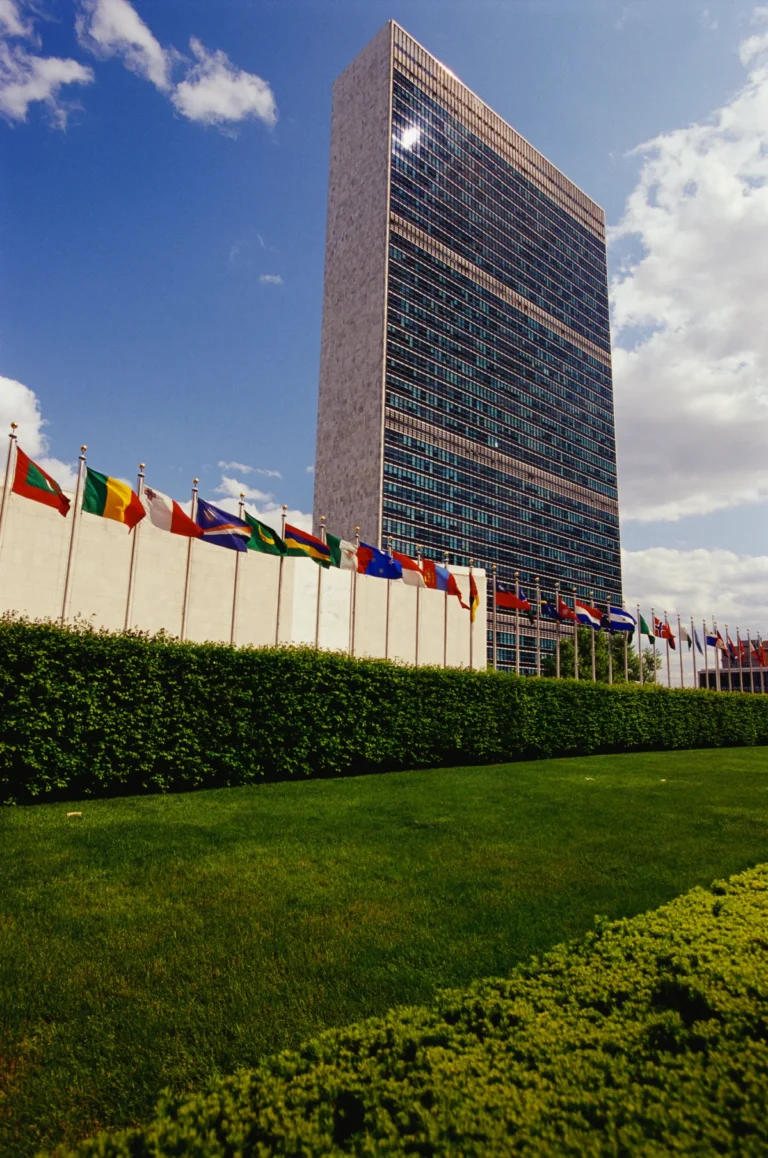
To understand the weight of the responsibilities handed to ICC interns, one must consider the organization’s historical and contemporary significance. Founded in 1919 in the aftermath of the First World War by a group of industrialists known as the "Merchants of Peace," the ICC was established on the conviction that trade is a powerful force for peace and prosperity. Today, it holds Permanent Observer status at the United Nations—the only private sector organization to do so—and serves as a primary interlocutor between global business and intergovernmental bodies like the G20, G7, and the World Trade Organization (WTO).
Interns entering this environment are not merely observing; they are supporting a machinery that sets the rules for international commerce. From the Incoterms rules that define the responsibilities of buyers and sellers in international sales contracts to the ICC International Court of Arbitration, the organization’s output is fundamental to the stability of the global market. Consequently, an internship within the Global Policy Department or the Dispute Resolution Services involves interacting with frameworks that govern trillions of dollars in annual trade.
Departmental Integration and the Culture of Recognition
The experiences of the current cohort of interns highlight a culture that prioritizes horizontal collaboration over rigid hierarchy. Ana Carolina de Lima Santos, currently positioned within the ICC Global Policy Department, noted that the reality of the office surpassed her expectations of a traditional corporate environment. She described the ICC as a space where every contribution is recognized, regardless of the intern’s tenure. This sentiment is critical in an era where "quiet quitting" and employee detachment are rising; the ICC appears to counter this by fostering a sense of belonging and purpose from the outset.
In the Digital Marketing team, Mariana Toffanello Ramirez emphasized the human element behind the international facade. She noted that the sheer scale of "behind-the-scenes" operations at the ICC—coordinating communications across various time zones and industries—requires a level of interpersonal synergy that is rarely visible from the outside. For Ramirez and her peers, the internship serves as a lesson in organizational agility, demonstrating how a century-old institution maintains relevance in a digital-first economy.
Chronology of an ICC Internship: From Onboarding to Real-World Impact
The typical trajectory of an ICC internship follows a structured path of increasing complexity. The initial phase focuses on orientation, where interns are introduced to the ICC’s multifaceted structure, including its National Committees and specialized commissions. However, this introductory period is brief, as interns are quickly mobilized to support the organization’s heavy calendar of international summits and policy launches.
A mid-term phase often involves deep-dive research or project management. For instance, an intern’s week might be split between drafting briefing notes for a major international meeting and contributing data to climate policy discussions. This period is characterized by the development of "soft skills," such as cross-cultural communication and priority management, alongside technical expertise in trade law or digital marketing.
In the final stages, interns often take the lead on specific components of larger initiatives. Prithvi Killivalavan, an intern with ICC Dispute Resolution Services, provided a clear example of this progression. He was entrusted with supporting the application and selection process for the ICC Young Arbitrators and ADR Forum (YAAF), a global network for young dispute resolution professionals. Furthermore, he contributed to the preparations for the annual meeting of the heads of ICC National Committee arbitration commissions. This level of involvement ensures that by the end of their tenure, interns have tangible achievements to add to their professional portfolios.

Strategic Contributions: Digitalization and Global Partnerships
One of the most significant areas of intern contribution involves the ICC’s work in digitalization and economic development. Suebat Gbadamosi Hamzat, working with the Global Partnerships and Development team, has been instrumental in a market assessment and feasibility study regarding the introduction of electronic Certificates of Origin (eCOs) in Least Developed Countries (LDCs).
This project is not merely academic; it has profound implications for global equity. According to WTO data, trade costs in LDCs are significantly higher than in G20 economies, often due to cumbersome paper-based documentation. By supporting the transition to digital trade tools, interns like Hamzat are helping to lower the barriers to entry for Small and Medium-sized Enterprises (SMEs) in emerging markets. This work aligns with the ICC’s broader Digital Standards Initiative (DSI), which aims to create a harmonized, paperless trade environment globally.
The Learning Café: Investing in Human Capital
Beyond project work, the ICC maintains a dedicated infrastructure for internal professional development. The "Learning Café" sessions, highlighted by Hamzat, represent a formal commitment to continuous education. These sessions allow staff and interns to engage in training focused on both technical competencies and personal growth. In a rapidly changing job market where the World Economic Forum estimates that 44% of workers’ skills will be disrupted by 2027, such initiatives are vital.
Emilia Hofmann, an intern in the Human Resources department, observed that the diversity of the ICC—encompassing a multitude of nationalities and professional backgrounds—creates a unique laboratory for learning. Her focus on managing priorities and adapting to different cultural communication styles reflects the core competencies required for leadership in any international organization.
Analysis of Implications: The Future of the Global Workforce
The ICC’s approach to internships provides a case study in how international organizations can effectively bridge the gap between education and employment. By entrusting young professionals with meaningful responsibility, the ICC addresses a common criticism of entry-level positions: the lack of "real-world" experience.
Furthermore, the emphasis on initiative and curiosity, as advised by current interns like Ramirez, suggests that the ICC is looking for more than just technical proficiency. In a world increasingly influenced by Artificial Intelligence and automation, the "human" skills of negotiation, empathy, and strategic thinking become even more valuable. The ICC internship program serves as a training ground for these indispensable qualities.
The broader impact of these programs extends to the global business community. As these interns move on to roles in government, law firms, and multinational corporations, they carry with them a deep understanding of the ICC’s standards and values. This creates a global network of "alumni" who are equipped to uphold the principles of fair trade and international cooperation.
Conclusion: A "Golden Ticket" to Professional Maturity
For the participants, the ICC internship is often described in transformative terms. The concluding sentiment from the cohort is one of exceeded expectations. The author of the original testimonial, an intern themselves, likened the experience to finding a "golden ticket"—a rare opportunity where the reality of the professional environment surpasses the initial prestige of the brand.
As the ICC continues to lead on issues ranging from the UN Sustainable Development Goals to the regulation of the digital economy, its role as an educator and mentor to the next generation of leaders remains a cornerstone of its strategy. The organization demonstrates that by investing in interns today, it is securing the future of the global business world, one project and one "Learning Café" at a time. Future interns are encouraged to arrive with an open mindset, ready to navigate the complexities of a world that moves quickly, but always with the support of a global team dedicated to building a better business world.
About the Author