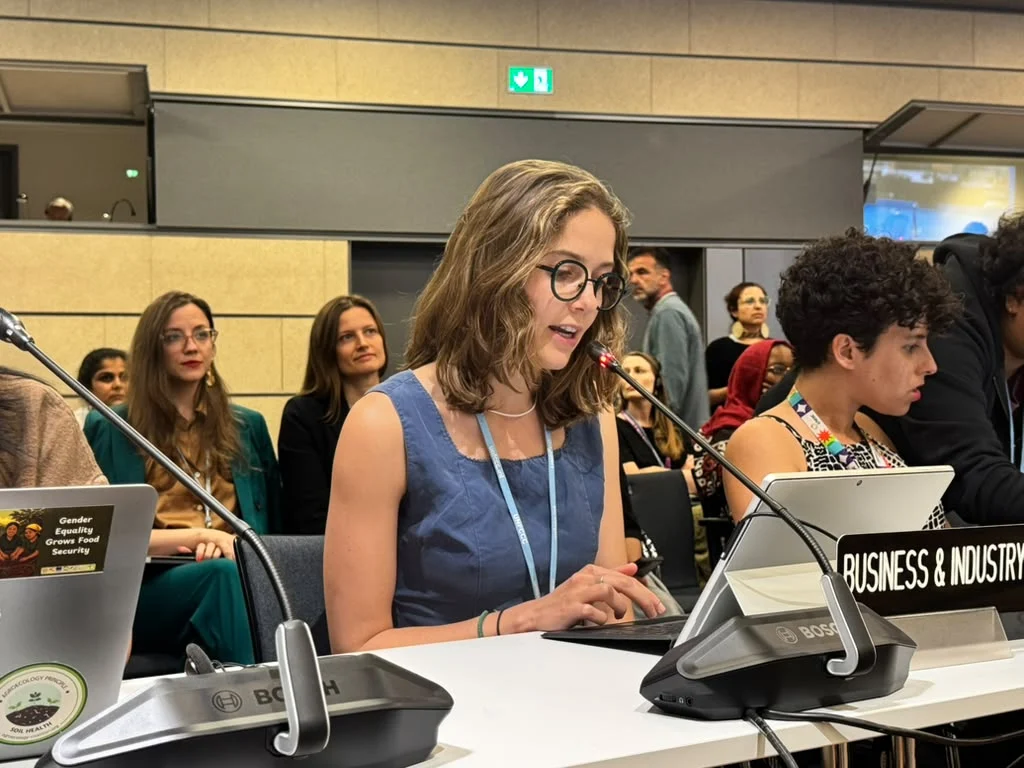
The mid-year UN Climate Change Conference in Bonn, Germany, concluded with a stark message from the global business community regarding the sluggish pace of negotiations and the widening gap between climate ambitions and implementation realities. As delegates from nearly 200 nations gathered for the 60th sessions of the Subsidiary Bodies (SB 60), the dialogue was characterized by deep-seated divisions over the Mitigation Work Programme (MWP) and the New Collective Quantified Goal (NCQG) on climate finance. Business representatives, acting as critical observers and stakeholders in the transition to a low-carbon economy, expressed profound concern that the lack of technical progress in Bonn could jeopardize the success of the upcoming COP29 in Baku and the long-term objectives of the Paris Agreement.
The Stagnation of the Mitigation Work Programme
Central to the frustrations expressed during the closing sessions was the perceived lack of movement on the Mitigation Work Programme. Established at COP26 in Glasgow and further refined at COP27 in Sharm el-Sheikh, the MWP was designed to urgently scale up mitigation ambition and implementation in this critical decade. However, the Bonn talks revealed that parties remain far apart on how to translate the high-level commitments made during the first Global Stocktake (GST) at COP28 into actionable domestic policies.
The business community emphasized that mitigation is not merely a policy goal but the cornerstone of the Convention and the Paris Agreement. For the private sector, the MWP serves as a vital platform for identifying specific opportunities for decarbonization while highlighting the barriers—both regulatory and financial—that prevent rapid scaling. Business leaders argued that without a sustained signal from governments, the massive capital shifts required for the "Great Transition" will remain stalled. The "UAE Consensus" reached in Dubai, which called for transitioning away from fossil fuels and tripling renewable energy capacity, requires a clear roadmap that many feel the Bonn sessions failed to provide.
The Critical Link Between Finance and Action
A recurring theme throughout the Bonn negotiations was the inextricable link between mitigation and finance. The statement delivered to the SB Chairs made it clear: without a robust financial framework, the transformations needed to put climate commitments into action are functionally impossible. This puts the spotlight on the New Collective Quantified Goal (NCQG), which is set to replace the previous $100 billion annual commitment established in 2009.
Negotiations for the NCQG have been fraught with tension. Developing nations are advocating for a goal that reflects the actual needs of climate-vulnerable regions—estimated by some experts to be in the trillions of dollars annually—while developed nations are pushing for a broader contributor base and a focus on mobilizing private capital. The business sector has noted that while it is prepared to play a role in scaling up climate finance, the current investment climate in emerging and developing markets (EMDEs) remains a significant deterrent.
Addressing the Investment Climate in Emerging Markets
One of the most significant contributions of the business community’s intervention in Bonn was the call for a serious debate on "enabling environments." While global liquidity exists, it often bypasses the regions that need it most due to high-risk profiles, currency volatility, and inconsistent regulatory frameworks. The private sector pointed out that the future finance work programme must move beyond simple "dollar targets" and address the structural barriers to investment.
To attract the level of investment required for a 1.5°C-aligned pathway, business leaders urged parties to focus on:
- Regulatory Stability: Clear, long-term policy signals that de-risk green investments.
- Operational Barriers: Streamlining the bureaucratic processes involved in cross-border climate projects.
- Risk Mitigation: Enhancing the role of Multilateral Development Banks (MDBs) to provide guarantees and blended finance structures that make EMDE projects bankable for private institutional investors.
Chronology of Climate Negotiations: From Dubai to Baku
The road to the 2024 Bonn sessions began with the conclusion of COP28 in December 2023. The "Dubai Outcome" was historic for being the first time a COP decision explicitly mentioned transitioning away from fossil fuels. However, it left the "how" and "who pays" largely undecided.
- December 2023 (COP28): Completion of the first Global Stocktake. Adoption of the UAE Consensus.
- January – May 2024: Technical dialogues and workshops held to prepare for the NCQG and the MWP.
- June 2024 (SB 60 Bonn): Mid-year negotiations intended to produce draft texts for COP29. The sessions ended with "informal notes" rather than agreed-upon draft decisions in several key areas, reflecting the "divergent views" noted by observers.
- Late 2024 (COP29 Baku): The "Finance COP," where the NCQG is expected to be finalized.
- 2025 (COP30 Brazil): The deadline for countries to submit their updated Nationally Determined Contributions (NDCs), which must show significantly increased ambition.
Supporting Data: The Scale of the Challenge
The urgency expressed in Bonn is supported by a growing body of data regarding the climate finance gap and the trajectory of global emissions. According to the Independent High-Level Expert Group on Climate Finance, emerging markets and developing countries (excluding China) require approximately $2.4 trillion in annual investment by 2030 to meet climate and nature goals.
Current investment levels are a fraction of this requirement. Furthermore, the International Energy Agency (IEA) has noted that while clean energy investment is rising, it is heavily concentrated in advanced economies and China. In 2023, more than 80% of the growth in clean energy investment occurred in these regions, leaving the rest of the world behind. This geographic imbalance underscores the business community’s plea for improved domestic enabling environments to diversify the flow of capital.
On the mitigation front, the gap remains equally wide. The UN Environment Programme’s (UNEP) Emissions Gap Report 2023 indicated that current NDCs put the world on track for a temperature rise of 2.5°C to 2.9°C above pre-industrial levels by the end of the century, far exceeding the 1.5°C goal of the Paris Agreement.
Official Responses and Reactions from Stakeholders
The reaction to the slow progress in Bonn has been polarized. Simon Stiell, the Executive Secretary of UN Climate Change, acknowledged in his closing remarks that while some steps forward were taken, "too many items are still on the table" for COP29. He warned that "we have a very steep mountain to climb to achieve ambitious outcomes in Baku."
Developing country blocs, such as the G77 and China, expressed disappointment that finance remains the primary bottleneck. They argued that without clear commitments on public finance from developed nations, they cannot be expected to enhance their mitigation targets in the next round of NDCs.
Conversely, the business community’s intervention served as a bridge, acknowledging the need for public finance while emphasizing that private capital is the only source of funding large enough to meet the trillion-dollar requirement. The statement delivered in Bonn was a call for "global cooperation" involving not just nations, but cities, businesses, and civil society.
Broader Impact and Implications for COP31 and Beyond
The stalemate in Bonn has significant implications for the future of the UNFCCC process. With the presidency of COP31 expected to be a joint bid by Australia and Pacific Island nations, there is a growing push to ensure that the agenda includes a wider array of issues, including just transition, agriculture, and trade.
The business community specifically highlighted the importance of Article 6 of the Paris Agreement, which governs international carbon markets. Finalizing the rules for Article 6 is seen as essential for creating a transparent, high-integrity global carbon market that can funnel private sector funds into mitigation and adaptation projects in the Global South. The lack of resolution on these technicalities in Bonn means that COP29 will face an even more crowded and contentious agenda.
Furthermore, the mention of "trade" in the business statement reflects growing concerns over carbon border adjustment mechanisms (CBAMs) and other trade-related climate policies. As nations implement domestic climate regulations, the risk of trade disputes increases, making international alignment on trade and climate policy more critical than ever.
Conclusion: The Opportunity for a New Path
Despite the "immense challenges" identified during the Bonn sessions, the closing message from the business sector was one of cautious optimism. The current friction in negotiations was framed as a "unique opportunity" to forge a new path for global cooperation.
The call for "united nations, cities, businesses, and people" to come together suggests a shift toward a more multi-stakeholder approach to climate governance. As the focus moves toward Baku and the 2025 NDC deadline, the pressure on governments to deliver a clear, bankable, and inclusive climate framework has never been higher. Business leaders have made it clear: they are ready to work with the incoming COP31 Presidencies and all parties, but they require the policy certainty and financial structures that only high-level political consensus can provide. The failure to bridge the "divergent views" seen in Bonn before the end of the year could result in a lost decade for climate action—a luxury the global community cannot afford.
About the Author