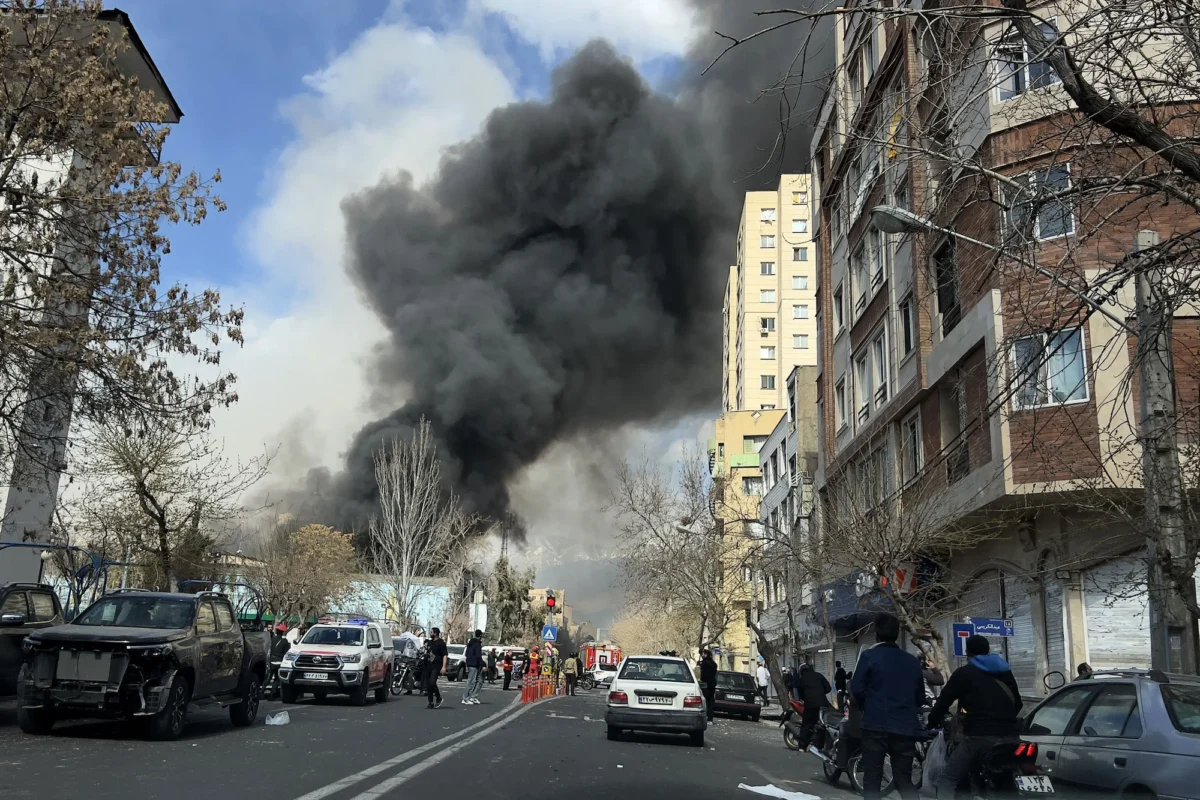
The geopolitical landscape of the Middle East underwent a seismic shift over the weekend as U.S. President Donald Trump authorized a series of intensive military strikes against Iranian targets, signaling the commencement of a major new conflict in the region. Conducted in coordination with Israeli forces, the air and missile campaign has resulted in significant loss of life and immediate volatility across global commodity markets. According to data compiled by Reuters, an estimated 787 people have been killed in Iran over the first five days of the operation. Among the casualties, international observers have highlighted a strike on an all-girls primary school that resulted in the deaths of 165 children and staff members. The United Nations has issued a preliminary statement suggesting the strike may constitute a violation of international humanitarian law, calling for an immediate cessation of hostilities to prevent further civilian suffering.
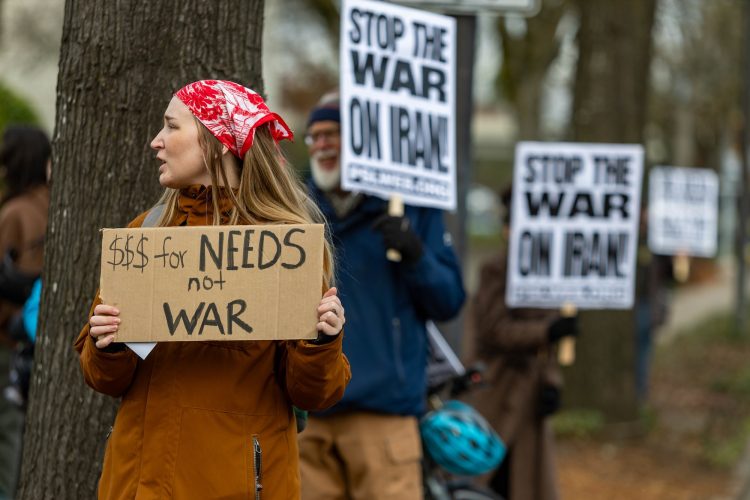
On March 2, Chairman of the Joint Chiefs of Staff Gen. Dan Caine conducted a press briefing at the Pentagon to outline the scope of the "Operation Epic Fury." Gen. Caine confirmed that the strikes targeted Iranian integrated air defense systems, command-and-control hubs, and drone manufacturing facilities. However, the collateral damage in residential areas of Tehran and other major cities has sparked a wave of international condemnation and domestic protests across the United States, with significant demonstrations reported in cities ranging from New York to Eugene, Oregon.
A Chronology of Escalation and Market Shock
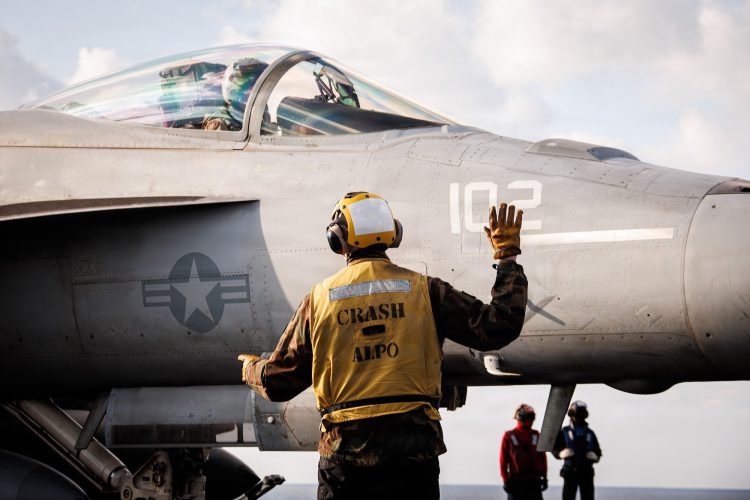
The transition from diplomatic tension to open kinetic warfare occurred rapidly over the final weekend of February 2026. Following reports of increased enrichment activity at Iranian nuclear sites and alleged provocations against maritime traffic in the Persian Gulf, the White House issued a 24-hour ultimatum. By Saturday morning, U.S. carrier-based aircraft from the USS Gerald R. Ford began sorties against coastal defense positions.

The market response was instantaneous. By the close of business on Monday, global crude oil prices had surged by nearly 9 percent. The Brent Crude benchmark, which had been trading steadily in the weeks prior, spiked as traders factored in the risk of a prolonged disruption to Middle Eastern supply chains. The volatility extended into the natural gas sector, where U.S. prices rose by 5 percent. In Europe, the impact was even more pronounced; natural gas prices skyrocketed by 45 percent following an announcement from Qatar that it would temporarily halt all shipments of liquefied natural gas (LNG) through the Strait of Hormuz due to safety concerns.
The Strait of Hormuz remains the world’s most critical maritime chokepoint. Approximately 20 percent of the world’s total oil consumption passes through this narrow waterway daily, bordered by Iran to the north and Oman and the United Arab Emirates to the south. While Iran has not officially declared the strait closed—a move that would be considered an act of war under international maritime law—threats from the Islamic Revolutionary Guard Corps (IRGC) have effectively shuttered the route. Ebrahim Jabbari, a senior advisor to the IRGC, issued a directive stating that Iranian forces would "set ablaze" any vessel attempting to transit the waterway, leading to a massive spike in maritime insurance premiums and the rerouting of dozens of tankers.
Domestic Economic Implications and the Rising Cost of Living
While the human tragedy in Iran dominates international headlines, the economic consequences are being felt acutely by households across the United States. The surge in energy prices arrives at a time when American consumers are already grappling with a sustained increase in the cost of living. Last year, average household electricity prices in the U.S. rose by 12 percent, driven by a combination of aging infrastructure, the rapid expansion of energy-intensive data centers, and multi-billion-dollar grid modernization projects.
The current conflict is expected to exacerbate these trends. Approximately 43 percent of the United States’ electricity generation is currently derived from natural gas-fired power plants. As the global price of gas rises in response to the Middle East crisis, the cost of generating electricity will inevitably follow. Economists warn that if the Strait of Hormuz remains contested for more than 30 days, the "pain at the pump" will be matched by a "pain at the plug," as utility companies pass increased fuel costs directly to ratepayers through fuel adjustment clauses.
The Conflict Over Coal and Federal Emergency Orders
Compounding the upward pressure on electricity prices is a controversial domestic energy policy spearheaded by the Trump administration. Under the banner of "energy dominance," Energy Secretary Chris Wright has moved to suppress the growth of renewable energy sectors while providing federal lifelines to the declining coal industry. This policy has centered on the use of "emergency orders" to prevent the retirement of coal-fired power plants that utility companies had previously determined were no longer economically viable.
A 2025 analysis by the research firm Grid Strategies found that mandating the continued operation of fossil fuel plants scheduled for retirement between 2025 and 2028 could cost American ratepayers upwards of $3 billion per year. These costs stem from the high maintenance requirements of aging coal units and the fact that coal is increasingly unable to compete on price with domestic wind and solar resources.
One of the most prominent examples of this policy conflict is the J.H. Campbell power plant in West Olive, Michigan. The plant’s owner, Consumers Energy, had planned to shutter the 1960s-era facility in May 2025 as part of a long-term transition to a mix of natural gas, wind, and solar energy. The utility estimated that closing the plant would save Michigan ratepayers approximately $650 million through 2040. However, Secretary Wright issued a series of 90-day emergency orders forcing the plant to remain operational. The first of these orders alone resulted in $135 million in additional costs—costs that Consumers Energy is now seeking to recover from its customers.
Legal Challenges and Official Responses
The administration’s reliance on emergency energy mandates has triggered a wave of legal pushback from state officials. Michigan Attorney General Dana Nessel has been a vocal critic of the Department of Energy’s (DOE) intervention, arguing that the administration has failed to provide evidence of an actual energy emergency that justifies the continued operation of the J.H. Campbell plant. In February 2026, Nessel’s office requested a formal hearing with the DOE to challenge the legality of the orders, asserting that the mandates serve as an indirect subsidy to the coal industry at the expense of Michigan families.
Similarly, Colorado Attorney General Phil Weiser filed a challenge in January 2026 regarding Craig Unit 1, a 45-year-old coal unit. Weiser categorized the federal order to keep the unit open as "illegal," noting that it would result in millions of dollars of unnecessary costs for Colorado residents. "There is no evidence of an energy emergency that would require keeping Craig Unit 1 open," Weiser stated, emphasizing that the state’s grid was prepared for the transition to cleaner, cheaper alternatives.
The administration has defended these moves as necessary for "national security" and "grid reliability," particularly in light of the current war in Iran. Proponents of the policy argue that maintaining a diverse fuel mix, including coal, provides a buffer against the volatility of the natural gas market. However, critics point out that coal plants are often less flexible than modern gas turbines or battery storage systems, making them poorly suited for a modern grid that must balance fluctuating demand.
The Strategic Case for Renewables
The outbreak of war in Iran has, ironically, strengthened the economic argument for a rapid transition to renewable energy. Unlike natural gas and oil, which are subject to global price shocks and the stability of distant shipping lanes, wind and solar power provide a localized, zero-fuel-cost source of energy.
Data from the U.S. Energy Information Administration (EIA) indicates that the transition is already well underway, despite federal policy shifts. The EIA anticipates that new wind and solar installations will account for 65 percent of all utility-scale capacity additions in 2026. When combined with energy storage projects, which are expected to add another 28 percent of capacity, renewable resources and their supporting technologies represent 93 percent of planned new energy infrastructure.
Industry experts suggest that the current conflict highlights the vulnerability of the "fossil fuel status quo." While the U.S. has increased its domestic production of oil and gas, these commodities are sold on a global market. Therefore, a war in the Middle East still dictates the price of energy in the American Midwest. In contrast, the "marginal cost" of wind and solar—the cost of producing one additional kilowatt-hour once the infrastructure is built—is essentially zero.
Broader Impact and Future Outlook
As "Operation Epic Fury" enters its second week, the broader implications for the global economy remain uncertain. If the conflict expands into a regional conflagration involving other major producers like Saudi Arabia or the United Arab Emirates, the 9 percent spike in oil prices could be merely the beginning of a historic energy crisis.
For the American ratepayer, the convergence of a Middle Eastern war and a domestic "coal-first" policy creates a perfect storm of rising costs. The $3 billion in projected annual costs from coal mandates, combined with the 12 percent baseline increase in electricity prices, suggests that energy poverty could become a major political flashpoint in the coming months.
The Pentagon has indicated that military operations will continue until Iran’s "offensive capabilities" are neutralized. However, as smoke rises over Tehran and energy prices climb in London, New York, and Tokyo, the true cost of the war is being measured not just in military expenditures, but in the stability of the global economy and the financial security of millions of households. The coming weeks will determine whether the U.S. can successfully navigate this dual crisis or if the combined weight of international warfare and domestic energy mismanagement will lead to a sustained economic downturn.
About the Author