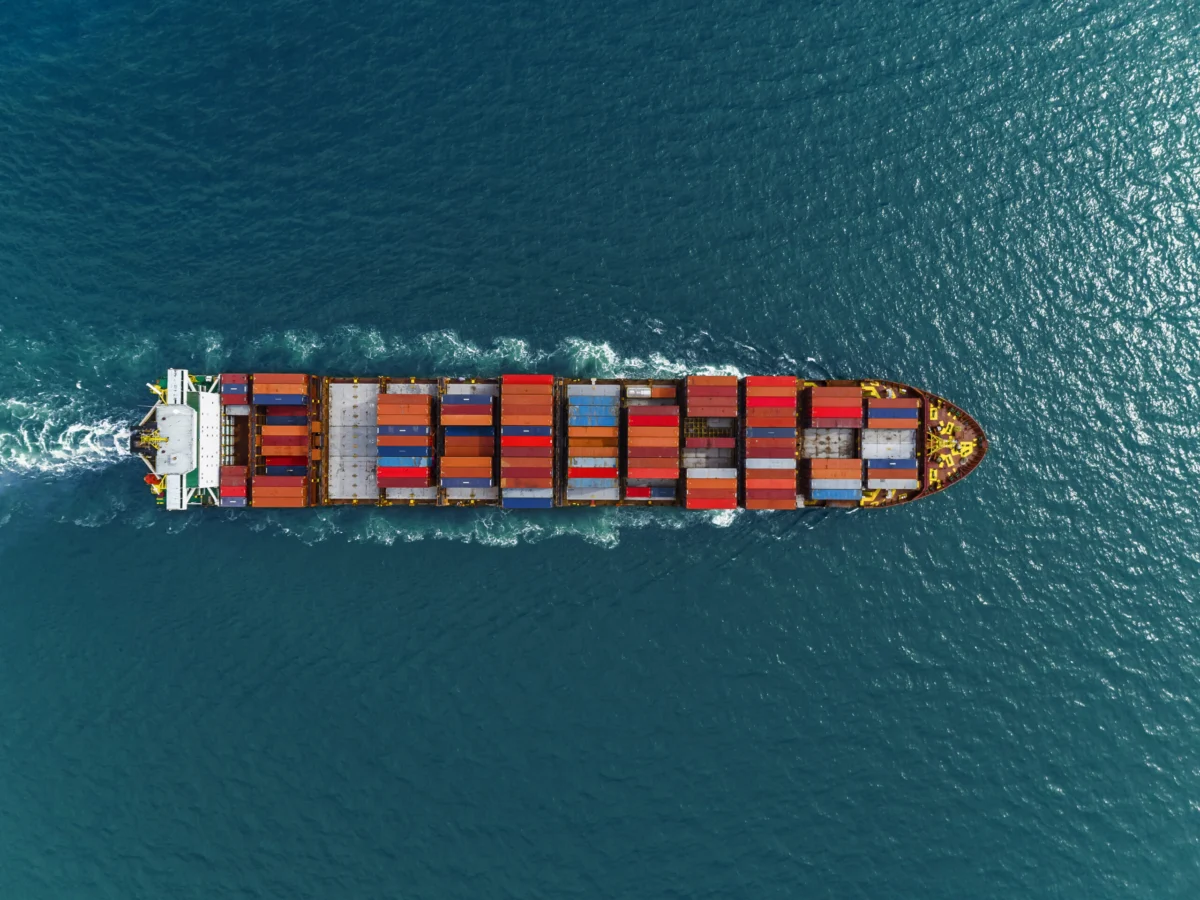
The United Nations, in a concerted effort with international trade bodies, has unveiled a comprehensive proposal for a structured maritime mechanism aimed at restoring the flow of essential goods through the Strait of Hormuz. This proposed framework, spearheaded by the United Nations Office for Project Services (UNOPS) and the International Chamber of Commerce (ICC), establishes a practical blueprint for the registration, deconfliction, prioritization, and monitoring of vessel movements. With an initial focus on the transport of fertilizers and related raw materials, the initiative seeks to mitigate a burgeoning global humanitarian crisis triggered by a staggering 95% decline in maritime traffic through one of the world’s most critical trade arteries.
The urgency of this intervention was underscored in a recent briefing by Jorge Moreira da Silva, Executive Director of UNOPS and coordinator of the UN Strait of Hormuz Task Force. According to the task force, the continued disruption of shipping in the region has reached a critical inflection point, placing global supply chains, regional livelihoods, and international food security at unprecedented risk. The proposal arrives at a time when the World Food Programme (WFP) warns that nearly 45 million people could descend into acute food insecurity if the flow of agricultural inputs and energy products is not stabilized.
A Practical Framework for Maritime Stability
The proposed mechanism is not intended to be a permanent regulatory body but rather a time-bound, exceptional, and limited-scope intervention designed to build trust among stakeholders. It focuses on several key operational pillars: registration, deconfliction, prioritization, facilitation, monitoring, verification, and reporting. By creating a transparent and predictable environment for shipping companies and sovereign states, the task force aims to provide the necessary assurances to insurers and ship owners who have largely abandoned the route due to escalating security risks.
Crucially, the framework is designed to respect the rights and obligations of states under international law. It explicitly does not involve the transfer of sovereign authority to any participating party, addressing potential geopolitical sensitivities that often stall international maritime agreements. Instead, it functions as a technical and operational bridge, facilitating the movement of vessels through the Strait while ensuring that all parties remain informed and engaged in the deconfliction process.
The initial emphasis on fertilizers is a strategic choice. The Strait of Hormuz is a primary conduit for the raw materials necessary for global crop production. Disruptions here have a delayed but devastating impact on harvest yields in distant markets, leading to price volatility and scarcity in the global food market. By prioritizing these essential goods, the UN Task Force hopes to prevent a secondary wave of the crisis—a global food shortage that could last for years.
Contextualizing the Crisis: The Strategic Importance of the Strait
The Strait of Hormuz, a narrow waterway separating the Persian Gulf from the Gulf of Oman, is widely regarded as the world’s most important oil transit chokepoint. Historically, approximately one-fifth of the world’s total oil consumption—roughly 21 million barrels per day—passes through the Strait. Furthermore, it is a vital route for Liquefied Natural Gas (LNG) and a significant portion of the world’s chemical and fertilizer exports.
The current crisis, which has seen traffic plummet by more than 95% compared to pre-war levels, represents a near-total paralysis of a major global trade artery. This decline is not merely a statistic; it reflects a complete breakdown in the predictability and safety of international shipping in the region. The disruption is attributed to a combination of regional conflict, increased insurance premiums for "war risk" zones, and the physical threats posed to civilian vessels.
The economic repercussions are already being felt globally. As energy and transport costs rise, the burden is being shifted onto farmers and consumers. In developing nations, where a higher percentage of household income is spent on food and energy, the impact is particularly acute. The ICC has consistently warned that the consequences of such disruptions extend far beyond the immediate geography of the Middle East, threatening the fragile recovery of the post-pandemic global economy.
A Chronology of Maritime Disruption and Diplomatic Response
The path to the current proposal has been marked by escalating tensions and a series of tactical shifts in global trade. To understand the necessity of the current mechanism, it is essential to look at the timeline of events that led to the formation of the UN Strait of Hormuz Task Force.
- Pre-Conflict Baseline: Before the current regional hostilities, the Strait maintained a high-volume, steady flow of tankers and container ships, with established protocols for safe passage under the United Nations Convention on the Law of the Sea (UNCLOS).
- Initial Escalation: The onset of regional conflict led to a series of maritime incidents, including vessel seizures and drone attacks. This prompted international shipping giants to reroute vessels around the Cape of Good Hope, adding significant time and cost to global trade.
- The 95% Traffic Collapse: As security conditions deteriorated, the cumulative impact of high insurance costs and physical risk led to the current 95% drop in traffic. This vacuum in the Strait has strained alternative routes and created bottlenecks in global logistics.
- Formation of the Task Force: Recognizing the systemic risk, the UN established the Strait of Hormuz Task Force, bringing together UNOPS, the United Nations Trade and Development (UNCTAD), and the International Maritime Organization (IMO).
- The ICC Partnership: Building on the successful model of the 2022 Black Sea Grain Initiative, the ICC joined the Task Force to provide the private sector perspective. John Denton, ICC Secretary General, has been a key figure in aligning business interests with humanitarian goals.
- Current Proposal Launch: The announcement of the registration and monitoring mechanism marks the transition from assessment to operational planning.
The Role of the Private Sector and the Black Sea Precedent
The involvement of the International Chamber of Commerce is a critical component of the proposal. John Denton’s participation in the Hormuz Task Force is informed by the ICC’s previous role in the Black Sea Grain Agreement, which successfully facilitated the export of grain from Ukraine amid the ongoing conflict with Russia. That agreement proved that even in highly contested environments, a structured, UN-backed mechanism could provide enough security and transparency to allow commercial shipping to resume.
Responding to the Task Force’s statement, Mr. Denton emphasized the private sector’s responsibility: "Continued disruption to shipping through the Strait is putting enormous pressure on global food security and economic stability. ICC’s engagement in the Task Force reflects the critical role of the private sector in working with partners to deliver practical solutions to issues impacting global trade flows and the lives and livelihoods of people everywhere who depend on them."
The ICC’s role is to ensure that the mechanism is commercially viable. For the plan to work, shipping companies must believe that the "deconfliction and monitoring" provided by the UN is robust enough to lower the risk profile of the route. Without private sector buy-in, the mechanism would remain a theoretical framework rather than an operational reality.
Economic and Humanitarian Implications: By the Numbers
The data supporting the need for this mechanism is stark. The UN World Food Programme’s estimate of 45 million people at risk of acute food insecurity is based on the compounding effects of high fertilizer prices and reduced crop yields. Fertilizers, particularly urea and phosphate-based products, are energy-intensive to produce and rely on the stable trade routes of the Middle East.
Furthermore, the 95% drop in shipping volume has secondary effects on the "blue economy" of the region. Local ports, logistics hubs, and service industries that depend on the transit of large vessels have seen their revenues evaporate. This economic vacuum often leads to further regional instability, creating a vicious cycle of poverty and conflict.
From a global perspective, the disruption to energy flows through the Strait adds a "risk premium" to oil and gas prices. While some of this volume can be rerouted or replaced by other producers, the sheer scale of the Hormuz transit means that any prolonged closure creates a permanent upward pressure on global inflation. The proposed UN mechanism seeks to deflate this pressure by restoring a "safe and predictable" movement of goods.
Analysis of the Path Forward: Challenges and Opportunities
While the proposed mechanism is a significant diplomatic achievement, its success depends on the cooperation of regional powers and the continued neutrality of the UN agencies involved. The "confidence and trust" mentioned by Jorge Moreira da Silva are the most fragile yet essential components of the plan.
"It is time to give a chance to an operational mechanism to build confidence and trust," Moreira da Silva stated. "There is no peaceful path through further escalation. The immediate priority must be to reduce risks, protect civilians and civilian infrastructure, build trust and confidence and restore safe and predictable movement through the Strait."
One of the primary challenges will be the physical monitoring and verification of cargo. To maintain the mechanism’s integrity, the Task Force must ensure that vessels are carrying exactly what they claim—essential fertilizers and raw materials—without becoming embroiled in the wider regional conflict. This requires a high degree of technical expertise and a physical presence that respects the sovereignty of the littoral states.
However, the opportunity presented by this framework is immense. If successful, it could serve as a template for other maritime chokepoints currently under threat, such as the Bab al-Mandab Strait. It reinforces the idea that international trade routes are a global common good that must be protected even in times of geopolitical strife.
Conclusion: A Call for International Cooperation
The proposal for a structured shipping mechanism in the Strait of Hormuz is more than a logistical plan; it is a vital intervention in a deepening global crisis. By focusing on the practicalities of vessel registration and deconfliction, the UN and ICC are offering a way out of the current maritime paralysis.
The stakes could not be higher. With 45 million lives hanging in the balance and the global economy struggling under the weight of supply chain disruptions, the restoration of safe passage through the Strait is a humanitarian and economic necessity. The international community now faces the task of moving this proposal from a conceptual framework to an operational reality, ensuring that the essential flow of fertilizers and energy continues to reach those who need it most. As the Task Force moves into its next phase, the world will be watching to see if diplomacy and practical cooperation can prevail over the forces of disruption and conflict.
About the Author