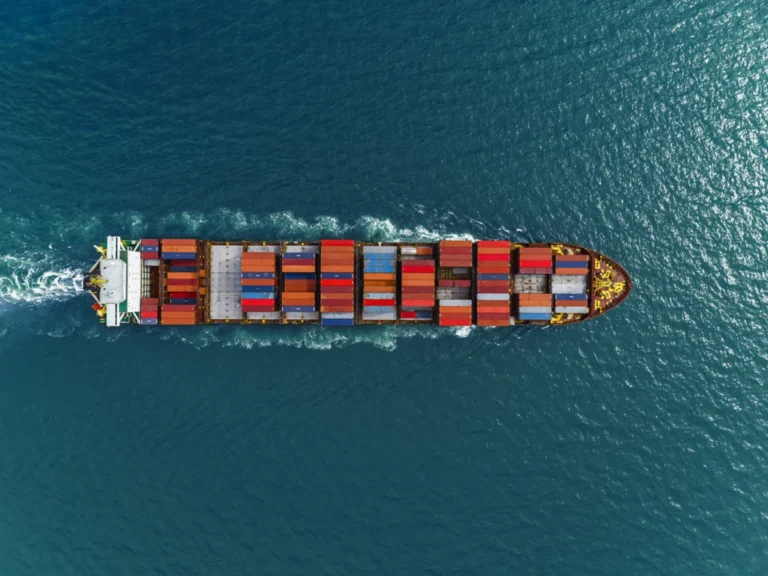
The International Maritime Bureau (IMB) has released its mid-year report for 2026, revealing a significant and historic downturn in global piracy and armed robbery against ships. According to the latest data, only 38 incidents were recorded worldwide between January and June 2026, marking the lowest mid-year figure since 1992. This represents a dramatic decline from the 90 incidents reported during the same period in 2025 and the 60 incidents documented in the first half of 2024. While the quantitative reduction in attacks provides a momentary reprieve for the global shipping industry, the IMB warns that the nature of these incidents remains violent, with a resurgence of activity in Somali waters and a concerning spike in boardings at the Manila Anchorage.
The reporting period saw a diverse range of maritime crimes, categorized by the level of success and the methods employed by perpetrators. Of the 38 recorded incidents, 27 vessels were successfully boarded by unauthorized individuals, five vessels were hijacked, three were fired upon, and three attempted attacks were thwarted by alert crews or security measures. Despite the overall drop in frequency, the human cost remains high. The report highlights that 67 crew members were taken hostage, two were directly threatened, and one sustained injuries during these encounters. These statistics underscore a persistent reality: while the number of attacks is dwindling, the risk to the lives and well-being of seafarers remains a primary concern for the international maritime community.
A Statistical Overview of the 2026 Maritime Security Landscape
The sharp decline in piracy incidents in 2026 is a testament to the evolving strategies of maritime law enforcement and the rigorous implementation of security protocols by shipping companies. To put the 2026 figures into perspective, the 38 reported incidents represent a nearly 58% decrease compared to 2025. This downward trend is attributed to several factors, including enhanced naval patrols in high-risk areas, better technological surveillance, and more effective regional cooperation among littoral states.
However, the distribution of these crimes is far from uniform. The IMB’s Piracy Reporting Centre (PRC) noted that the vast majority of hostage-taking incidents—approximately 94%—were carried out by Somali pirates. This statistic is particularly alarming as it indicates that Somali criminal networks have retained, and perhaps even refined, their capability to hijack large vessels and hold crews for ransom, despite years of international intervention. The report indicates that Somali-based groups are no longer confined to small-scale opportunistic theft but are once again targeting a wide array of commercial shipping, ranging from bulk carriers to tankers.
The Somali Resurgence: A Return to High-Intensity Piracy
One of the most critical developments in the first half of 2026 is the "slight resurgence" of piracy originating from the Somali coast. After a period of relative dormancy, Somali pirates have demonstrated a renewed aggression. Between April and May 2026, four vessels were successfully hijacked in the region. This was followed by a series of attempted attacks and suspicious approaches throughout June, signaling a clear escalation in activity.
The IMB suggests that the current instability in the Horn of Africa, combined with a potential thinning of international naval resources in the Indian Ocean, may have provided the necessary vacuum for these groups to reorganize. Somali pirates continue to utilize "mother ships"—captured dhows or fishing vessels—to launch attacks far from the coastline, allowing them to intercept merchant ships in deep waters.
Michael Howlett, Director of the IMB, emphasized that the decline in global numbers should not lead to a sense of false security. "The lowest mid-year level of reported piracy and armed robbery incidents since 1992 is encouraging and reflects the impact of sustained efforts by governments, law enforcement agencies, and the maritime community," Howlett stated. "However, there is no room for complacency. Crew safety remains at risk, and the slight uptick of Somali piracy is a reminder that continued vigilance and regional cooperation remain essential to protect seafarers, global shipping, and trade."
Success Stories: Gulf of Guinea and the Singapore Straits
In contrast to the rising tensions off the coast of Somalia, two historically volatile regions—the Gulf of Guinea and the Singapore Straits—have seen a marked improvement in maritime security.
In the Gulf of Guinea, once labeled the world’s most dangerous waterway for piracy, only two incidents were reported in the first half of 2026. This is a monumental shift from the early 2020s, when mass kidnappings for ransom were a near-monthly occurrence. The IMB credits this success to the proactive measures taken by littoral states, such as Nigeria’s "Deep Blue Project" and the coordinated efforts of the Yaoundé Architecture, which have improved information sharing and rapid response capabilities across West and Central Africa.
Similarly, the Singapore Straits, a vital artery for global commerce connecting the Indian and Pacific Oceans, reported a decline in incidents. During the first six months of 2026, only a handful of boardings occurred: two in April and one each in May and June. While these incidents are often categorized as low-level armed robbery—typically targeting engine spares or ship stores—they are not without violence. The IMB noted that two crew members were threatened in separate incidents, two were held hostage for the duration of a robbery, and one was injured. Given the density of traffic in the Singapore Straits, the IMB continues to call for enhanced engagement and enforcement by the coastal states of Indonesia, Malaysia, and Singapore.
Emerging Hotspots: The Manila Anchorage Incident Spike
While traditional piracy hubs are seeing a decline, new areas of concern are emerging. The Manila Anchorage in the Philippines has seen a troubling rise in activity. In the first half of 2026, eight incidents were reported, compared to zero during the same period in 2025.
In June 2026 alone, three vessels were boarded by perpetrators armed with guns and knives while the ships were at anchor. These attacks often occur under the cover of darkness, with criminals targeting vulnerable vessels waiting for berth or cargo operations. The IMB has urged shipmasters to maintain strict 24-hour anti-piracy watches and to ensure that all access points to the vessel are secured while at anchor in the Manila region.
The Role of Best Management Practices (BMP) and Naval Presence
The IMB and the International Chamber of Commerce (ICC) have reiterated the importance of adhering to Best Management Practices (BMP). These guidelines, which include measures such as increasing speed in high-risk areas, using physical barriers like razor wire, and maintaining a high level of situational awareness, have been instrumental in preventing successful boardings.
However, the IMB stresses that industry-led measures must be supported by state-led military and law enforcement action. The report calls on international naval forces to maintain a "strong and visible deterrent presence," particularly in the waters off Somalia and the Gulf of Aden. The presence of naval task forces, such as EUNAVFOR’s Operation Atalanta and the Combined Maritime Forces (CMF), remains a cornerstone of the global strategy to keep sea lanes open and safe.
Broader Implications for Global Trade and Economy
The state of maritime security has a direct impact on the global economy. Piracy and armed robbery contribute to increased operational costs for shipping companies, which are eventually passed down to consumers. These costs include higher insurance premiums (particularly "Kidnap and Ransom" insurance), the hiring of private maritime security companies (PMSCs), and the fuel costs associated with rerouting vessels to avoid dangerous waters.
Furthermore, the psychological toll on seafarers cannot be overstated. As the backbone of the global supply chain, the safety of the world’s 1.89 million seafarers is paramount. The IMB’s report highlights that even in a year of "record lows," dozens of individuals still faced life-threatening situations. The threat of being taken hostage for months in Somalia or being injured during a robbery in the Singapore Straits continues to make seafaring a high-risk profession.
Conclusion: The Path Forward for 2026 and Beyond
As the maritime industry looks toward the second half of 2026, the IMB emphasizes the necessity of timely and accurate reporting. Many incidents of armed robbery, particularly those where the value of stolen goods is low, go unreported. However, the IMB maintains that every report is vital. "We continue to urge masters and ship operators to report all incidents promptly," said Michael Howlett. "Timely reporting enables faster responses, helps prevent further incidents, and improves the safety of crew and vessels operating nearby."
The 2026 mid-year report serves as both a celebration of progress and a cautionary tale. While the international community has made immense strides in reclaiming the seas from criminal elements, the resurgence in Somalia and the new developments in Manila prove that piracy is an adaptive crime. Continued investment in regional security frameworks, sustained naval commitments, and unwavering vigilance by ship crews remain the only effective defense against the evolving threats on the high seas. For now, the global shipping industry remains in a state of guarded optimism, watching the horizon for any signs that the historic lows of early 2026 might be threatened by a return to the volatility of the past.
About the Author