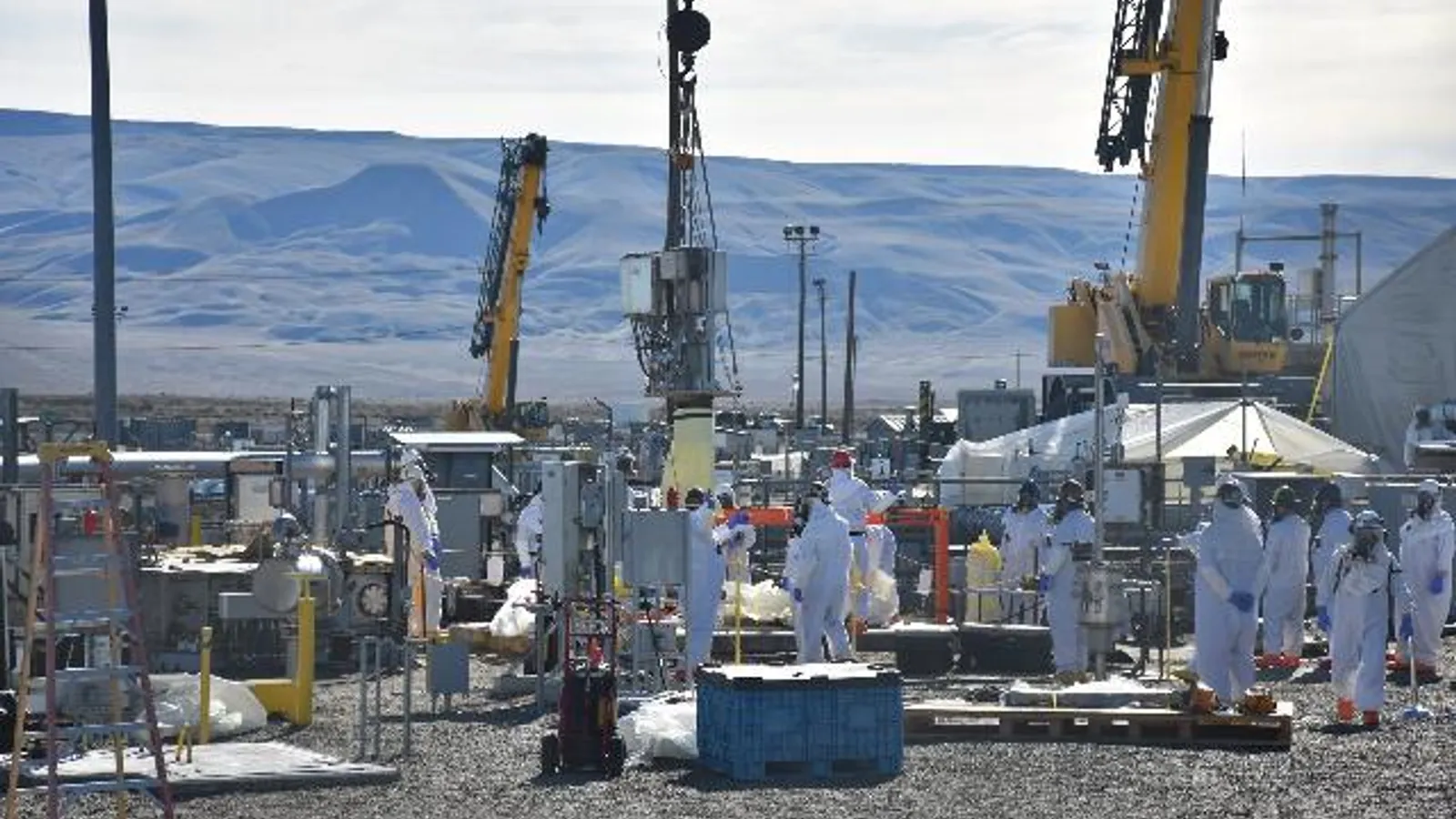
A lawsuit has been filed against the foreman, Waste Treatment Completion Co. (WTPP), and Bechtel National, the government services arm of Bechtel, alleging repeated incidents of sexual harassment experienced by the sole female apprentice electrician at the Hanford Vit Plant in Richland, Washington. The legal action, lodged in the U.S. District Court for the Eastern District of Washington, details a pattern of alleged misconduct that ultimately led to the plaintiff’s departure from the facility in September 2024. Her husband, also an electrician at the plant, resigned later that month due to similar harassment.
Background of the Hanford Vit Plant and the Lawsuit
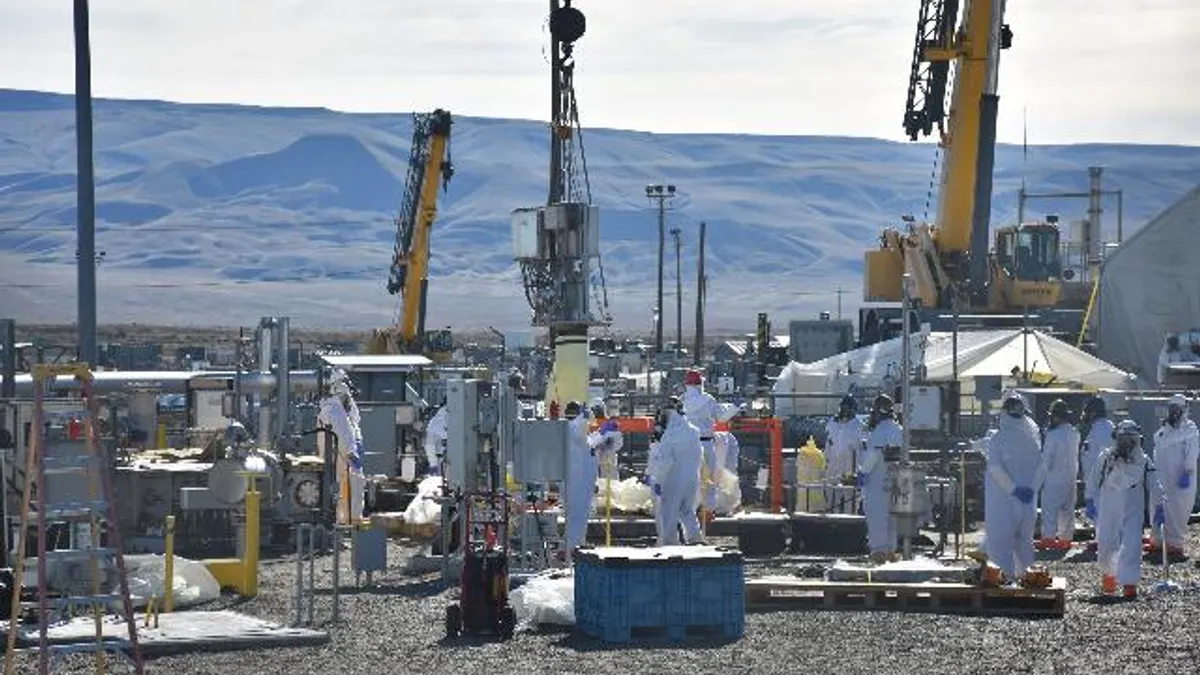
The Hanford Vit Plant is a critical component of the U.S. Department of Energy’s efforts to manage and immobilize vast quantities of radioactive waste generated during decades of nuclear weapons production. The facility’s primary mission is to vitrify approximately 56 million gallons of highly radioactive liquid waste, transforming it into a stable glass form for safe, long-term disposal. Waste Treatment Completion Co. (WTPP), a joint venture between Bechtel and AECOM, was established to oversee the construction, startup, and commissioning of these complex treatment facilities.
The lawsuit brings to light serious allegations of a hostile work environment, challenging the commitment to safety and respect within a sector already under scrutiny for its treatment of women and minority groups. The plaintiff, identified as the only woman in an apprentice electrician role at the plant, claims she was subjected to persistent sexual harassment by her foreman. Court documents further suggest that the foreman’s alleged behavior extended beyond the plaintiff, impacting her husband as well.
Allegations of Foremen’s Impunity and Familial Influence
Central to the lawsuit’s claims is the foreman’s alleged assertion of being "bulletproof" and "untouchable" on the jobsite. This perception of invincibility is reportedly rooted in his family’s deep-seated history within the Hanford site, with five generations of his family reportedly working as journeymen electricians. The lawsuit specifically notes that the local chapter of the International Brotherhood of Electrical Workers (IBEW) Local 112 is named after his grandfather, underscoring the familial legacy and potential influence within the site’s labor structure.
The alleged harassment was not confined to the foreman. The lawsuit also details instances of harassment perpetrated by the foreman’s father, who reportedly worked in the jobsite’s material tent where the plaintiff was assigned. This suggests a broader pattern of unwelcome behavior that may have been facilitated or tolerated within certain segments of the workforce.

Chronology of Alleged Harassment and Departure
While the exact start date of the alleged harassment is not specified in the provided text, the lawsuit indicates a sustained period of misconduct. The plaintiff’s inability to perform her duties following a broken finger, coupled with the alleged failure to provide reasonable accommodations, marked a significant turning point. This physical injury, combined with the ongoing hostile work environment, appears to have culminated in her decision to leave the Hanford Vit Plant in September 2024. Her husband followed suit later the same month, citing continued harassment. This timeline highlights the escalating nature of the alleged incidents and their direct impact on the couple’s employment and well-being.
Legal Redress and Damages Sought
The lawsuit seeks comprehensive redress for the alleged harm suffered by the plaintiff. This includes compensation for lost wages, reflecting the income she lost due to her forced departure and potential future earnings impact. Additionally, the suit demands damages for emotional distress, acknowledging the psychological toll that sustained harassment can inflict. Legal fees and other unspecified damages are also part of the claim, aiming to cover the costs associated with pursuing legal action and to compensate for any other losses incurred.
Industry Context: A Pattern of Harassment in Construction
The allegations at the Hanford Vit Plant are not isolated incidents within the construction industry. This sector has a well-documented history of challenges regarding harassment and discrimination. In 2023, the Equal Employment Opportunity Commission (EEOC) issued a critical report that characterized the building sector as hostile to "men of color and women of all races and ethnicities." This broad condemnation highlights systemic issues that extend beyond gender to encompass racial and ethnic discrimination.

Further underscoring these concerns, a 2021 report by the Institute for Women’s Policy Research revealed that a significant portion of women in construction experience frequent harassment. Specifically, the report found that 26.5% of women working in construction reported being "always or frequently harassed just for being a woman." These statistics paint a stark picture of the occupational hazards faced by women in the industry, suggesting that the Hanford case, while specific in its details, reflects a broader cultural and structural problem.
Company Response and Bechtel’s Stance
In response to the lawsuit, a spokesperson for both Bechtel and WTPP, Staci West, issued a statement emphasizing the company’s commitment to a safe and respectful workplace. "Bechtel does not tolerate harassment, intimidation, or discrimination of any kind and is committed to maintaining a safe and respectful workplace," West stated. However, due to the pending litigation, the company declined to comment further on the specific allegations. This standard legal response is typical in ongoing court cases, aiming to avoid prejudicing the proceedings.
Bechtel National, as the government services arm of Bechtel, plays a significant role in managing large-scale federal projects. The company’s involvement in the Hanford Vit Plant project underscores the magnitude and sensitivity of the work being undertaken at the site. The Department of Energy’s mission to neutralize legacy nuclear waste is of national importance, and such projects often involve complex contracting structures, as seen with the WTPP joint venture.
Implications for the Hanford Site and the Construction Industry
The lawsuit raises critical questions about oversight, accountability, and workplace culture at the Hanford Vit Plant, a site central to national security and environmental remediation efforts. The allegations of a foreman feeling "bulletproof" suggest potential weaknesses in reporting mechanisms, enforcement of anti-harassment policies, and the overall power dynamics within the site’s workforce.
For the construction industry at large, this case serves as another somber reminder of the persistent challenges in creating equitable and safe environments for all workers. The industry’s historical underrepresentation of women and minority groups, coupled with documented instances of harassment, necessitates continuous efforts toward cultural change, robust training programs, and effective disciplinary actions. The findings of the EEOC and the Institute for Women’s Policy Research indicate that the problem is deeply ingrained and requires sustained attention from industry leaders, regulatory bodies, and labor organizations.
The legal outcome of this lawsuit could have broader implications, potentially influencing how similar cases are handled and strengthening the resolve of individuals to come forward with their experiences. It also places renewed emphasis on the responsibility of major contracting firms like Bechtel to ensure that their subcontractors and employees adhere to the highest standards of workplace conduct, regardless of the project’s complexity or the site’s historical context. The pursuit of justice for the plaintiff, and potentially others who may have experienced similar mistreatment, highlights the ongoing struggle for equality and respect in demanding and often challenging industrial environments.
About the Author