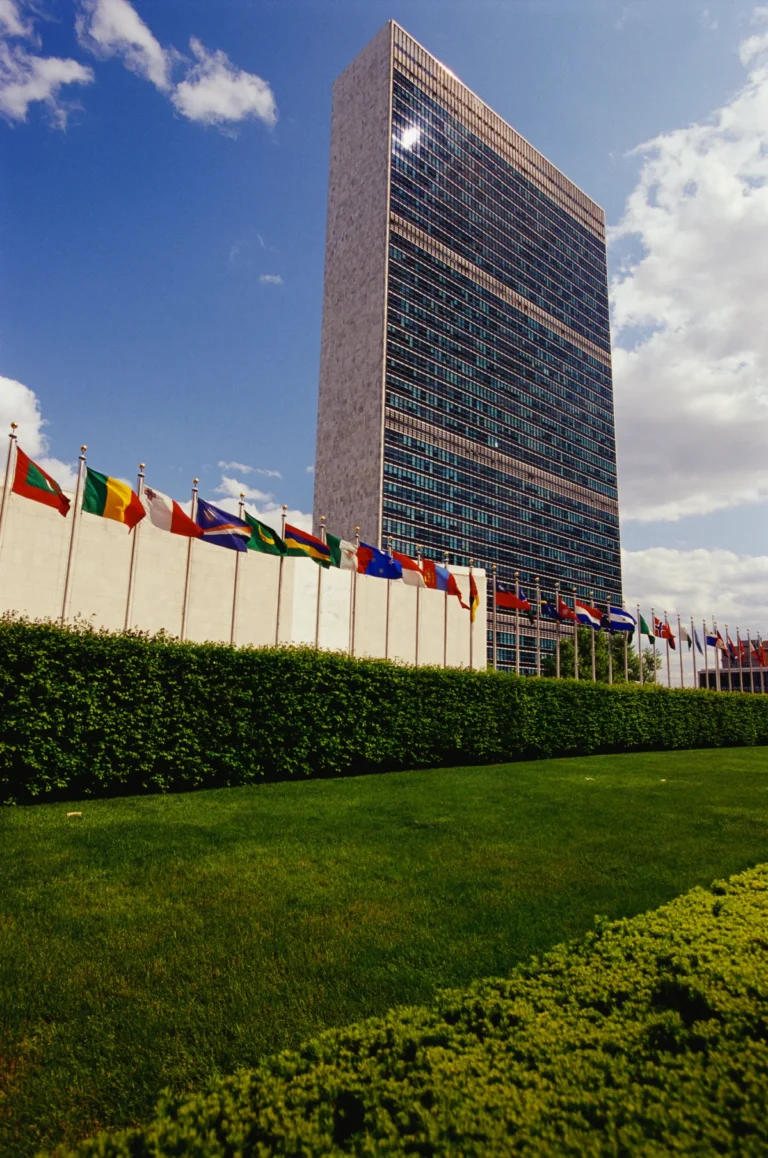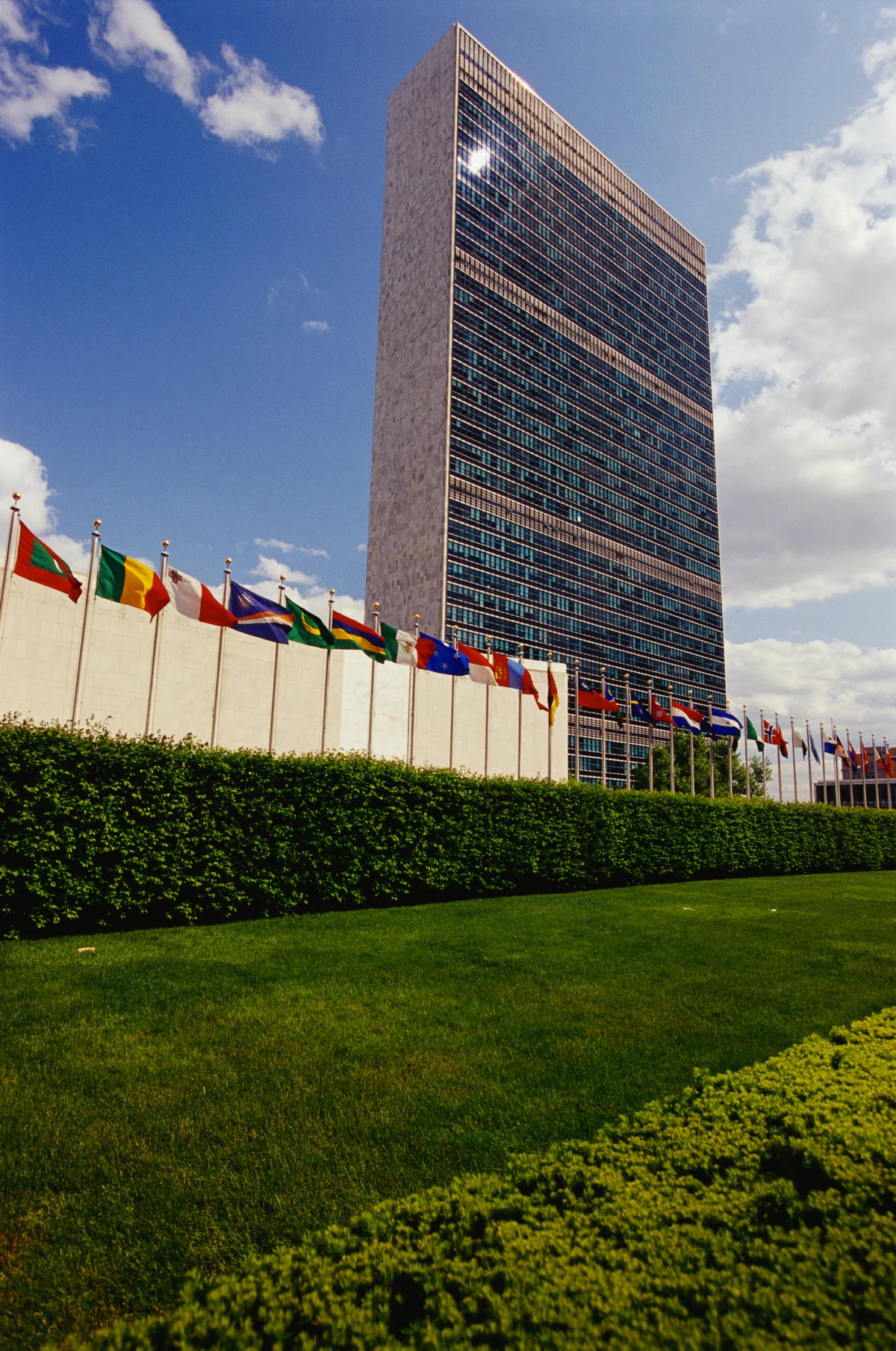
The 81st session of the United Nations General Assembly (UNGA), held under the theme Restoring trust, managing transformation: a United Nations that delivers for all, has served as a pivotal platform for the International Chamber of Commerce (ICC) to advocate for a modernized approach to international cooperation. As the world faces a convergence of geopolitical tensions, technological disruption, and environmental urgency, the ICC has utilized its unique position as the institutional representative of 45 million companies to emphasize that the private sector is no longer just a stakeholder but a primary engine for delivering tangible global results. Throughout the week of high-level deliberations, the ICC delegation, led by Secretary General John W.H. Denton AO and Chair Harsh Pati Singhania, engaged with world leaders to demonstrate how business expertise can be mobilized to bridge the gap between diplomatic ambition and ground-level implementation.
A Chronology of Strategic Engagement at UNGA 2026
The ICC’s participation at the 2026 General Assembly followed a structured timeline designed to align private sector capabilities with the UN’s most pressing humanitarian and economic agendas. The week commenced with the opening session of the General Assembly, where the focus remained on the "Humanitarian Reset," a movement aimed at optimizing the global aid system. This was followed by a series of high-level side events focusing on food security and the preservation of critical trade routes, particularly in the Black Sea and the Strait of Hormuz.
Mid-week, the focus shifted toward the digital and environmental frontiers. The ICC participated in the Digital Ambassadors Forum on Tech Diplomacy and the COP31 Business Forum New York Dialogue. These sessions were designed to prepare for the upcoming climate negotiations in Antalya and to address the growing digital divide in the era of Artificial Intelligence. The week concluded with a reflective look at the ICC’s institutional role within the UN, marking nearly a decade since the organization was granted permanent Observer Status, a milestone that has fundamentally altered how the private sector interacts with the General Assembly’s 193 member states.
Crisis Response and the Preservation of Global Food Systems
One of the most urgent priorities addressed by the ICC was the fragility of global food supply chains. Speaking to an audience of nearly 20 foreign ministers and deputy ministers, ICC Secretary General John W.H. Denton AO issued a stark warning regarding the potential for a renewed global food crisis. He noted that disruption to critical trade routes is currently placing already strained food systems under unprecedented pressure. Drawing on the ICC’s instrumental role in the 2022 Black Sea Grain Initiative—which facilitated the movement of nearly 33 million tonnes of grain and food products to global markets—Denton argued that trade must be recognized as a primary humanitarian tool.
The ICC’s analysis suggests that delay in political cooperation often leads to catastrophic market failures. Denton called for early, coordinated action to restore grain flows through the Black Sea before regional storage capacities are reached. The economic implication is clear: when storage is full and trade is blocked, local prices collapse for farmers while global prices skyrocket for consumers, creating a double-ended economic crisis. Beyond the Black Sea, the ICC also highlighted its engagement on a proposed mechanism for the Strait of Hormuz. This initiative focuses on the practicalities of trade in high-risk zones, including ensuring access to insurance, trade finance, and the logistical frameworks necessary to keep agricultural inputs moving.
Building Resilience by Design
Complementing the discussions on immediate crisis response, ICC Chair Harsh Pati Singhania addressed the Roundtable on Business Leadership for Resilience in Times of Crisis. Singhania argued that the global community must move beyond ad hoc responses toward a "resilience by design" model. According to the ICC, governments and international institutions often lack the visibility required to manage the increasingly complex and fragmented parts of the global economy. In contrast, businesses possess the real-time data and logistical networks to navigate these disruptions.
The ICC’s proposal for a new model of collaboration emphasizes systemic and scalable action. Data from recent global shocks, including the COVID-19 pandemic and the energy crisis, indicates that the most successful recovery efforts were those where private sector logistics were integrated directly into public policy frameworks. Singhania’s message underscored that business leadership is essential for building systems that can absorb shocks rather than simply reacting to them after the damage has occurred.
The Humanitarian Reset and Aid System Efficiency
A significant portion of the ICC’s UNGA engagement was dedicated to the "Humanitarian Reset," a collaborative effort with the United Nations Foundation, the UN Office for the Coordination of Humanitarian Affairs (OCHA), and ServiceNow. The goal of this initiative is to debunk the long-standing myth that the public and private sectors possess inherently conflicting goals in humanitarian response. ICC First Vice-Chair Rebecca Enonchong highlighted that while the humanitarian community seeks impact at scale and speed, businesses seek to solve problems and deliver results efficiently—two objectives that are inherently complementary.
The ICC advocated for a more sophisticated understanding of each sector’s "language" and processes. For instance, when a disaster strikes, the private sector can provide immediate technological infrastructure and supply chain expertise that traditional aid organizations may lack. By integrating these strengths, the global aid system can move from a reactive posture to one of prepared readiness. This is particularly relevant as the UN observes the 40th anniversary of the Declaration on the Right to Development, emphasizing that sustainable development cannot occur without a stable, resilient humanitarian foundation.
Redefining Multilateralism for the 21st Century
In a high-level roundtable, Secretary General Denton introduced the report Rethinking Multilateralism: A New Role for the Private Sector, produced in partnership with IE University. The report argues that the scale of contemporary challenges—ranging from sovereign debt to climate change—requires a transition from simple "consultation" with the private sector to a model of "shared responsibility and accountability."
The ICC’s analysis indicates that traditional multilateralism is often hampered by slow-moving diplomatic processes. By involving the private sector in the actual delivery of international goals, the UN can leverage private capital and innovation at a scale that public funding alone cannot match. Denton emphasized that the future of international cooperation depends on a model based on delivery rather than just dialogue.
Artificial Intelligence and Economic Opportunity for SMEs
As the digital economy evolves, the ICC has focused on ensuring that Artificial Intelligence (AI) serves as a tool for broad-based economic opportunity rather than a source of further inequality. At a roundtable hosted by The Economist Group and TikTok, the ICC stressed that access to AI technology is insufficient if Small and Medium-sized Enterprises (SMEs) lack the infrastructure and policy environment to adopt it.
The ICC identified several critical pillars for AI adoption:
- Interoperability: Building digital policies that allow data to flow across borders without fragmentation.
- Trust Frameworks: Establishing safeguards around privacy, data protection, and cybersecurity.
- Skills Development: Ensuring that the workforce in emerging markets can utilize AI to compete globally.
The ICC’s Tech Diplomacy efforts call for early private sector involvement in digital rule-making to ensure that regulations support innovation rather than stifling it through unnecessary complexity.
Climate Ambition and the Path to COP31
With the COP31 climate summit in Antalya approaching, the ICC used the UNGA platform to pivot the climate conversation from "ambition" to "implementation." At the COP31 Business Forum New York Dialogue, co-hosted by Bloomberg and the Union of Chambers and Commodity Exchanges of Türkiye (TOBB), the ICC emphasized its role as the official focal point for business in international climate negotiations.
The ICC’s position is that climate projects often stall not due to a lack of will, but due to a lack of "bankability." To move from commitments to projects at scale, the ICC is calling for stable policy frameworks, open markets for green technology, and better risk-sharing mechanisms between governments and private financiers. Rifat Hisarcıklıoğlu, President of TOBB and Chair of the ICC World Chambers Federation, noted that chambers of commerce worldwide are ready to lead this transition, provided that the regulatory obstacles to action are removed.
A Decade of Influence: The ICC as UN Observer
The 2026 UNGA sessions hold historical significance as the ICC approaches the 10th anniversary of its UN General Assembly Observer Status. Since formally taking up this status on January 1, 2017, the ICC has successfully integrated the "voice of the real economy" into global discussions on everything from international taxation to plastic pollution. This status, building on the General Consultative Status held with ECOSOC since 1946, has allowed the ICC to move beyond being an outside observer to becoming a functional partner in the UN’s mission.
Chair Harsh Pati Singhania noted that the ICC’s engagement across the UN, WTO, G20, and BRICS provides a comprehensive framework for shaping global resilience. The organization’s ability to mobilize 45 million companies means that when the ICC speaks at the UN, it represents the collective interests of the entities that provide the majority of the world’s employment and investment.
Impact and Implications for Global Governance
The ICC’s extensive engagement at UNGA 2026 signals a shift in the global governance landscape. As the UN seeks to "restore trust," the inclusion of the private sector provides a necessary pragmatic balance to diplomatic discourse. The implications of this involvement are significant: by treating business as a primary partner, the UN increases the likelihood of achieving the Sustainable Development Goals (SDGs) and managing the "transformation" mentioned in this year’s theme.
The success of initiatives like the Black Sea Grain Initiative proves that when political cooperation meets private sector logistics, the result is a tangible reduction in human suffering and economic volatility. As the 81st session of the UNGA concludes, the ICC’s message remains clear: the challenges of the 21st century are too complex for any single sector to solve alone. A United Nations that "delivers for all" must be a United Nations that works effectively with the global business community.
About the Author