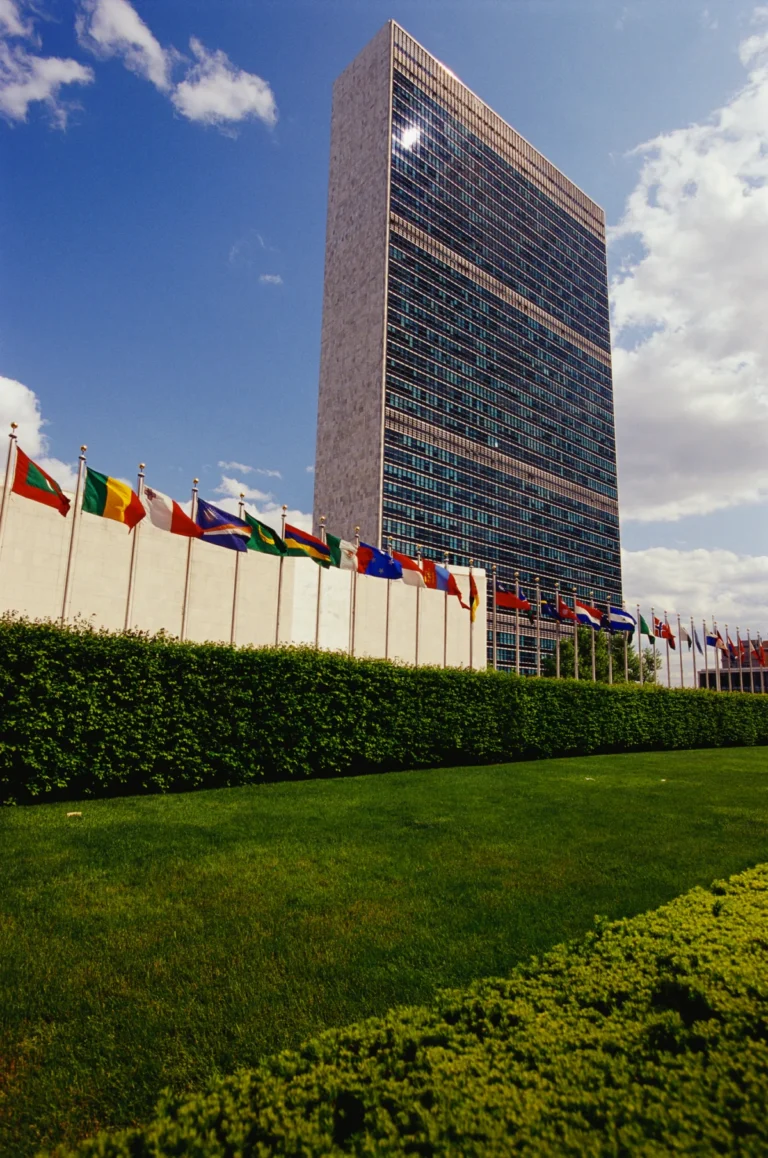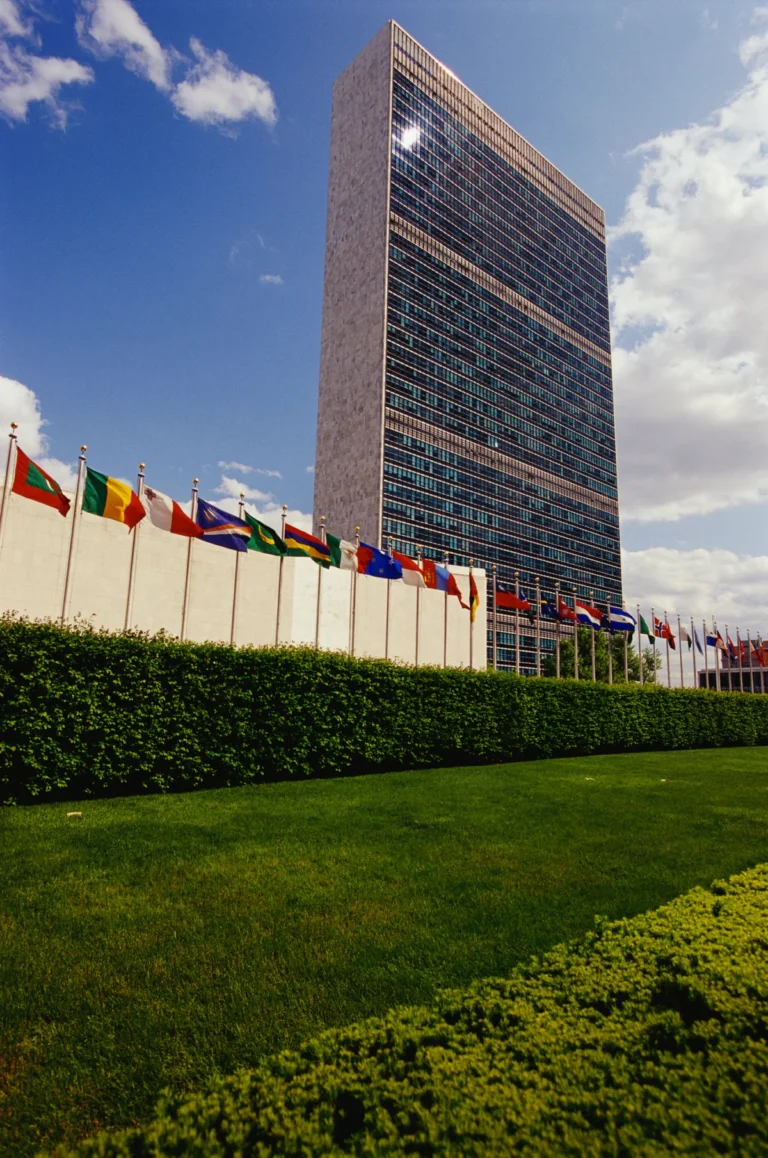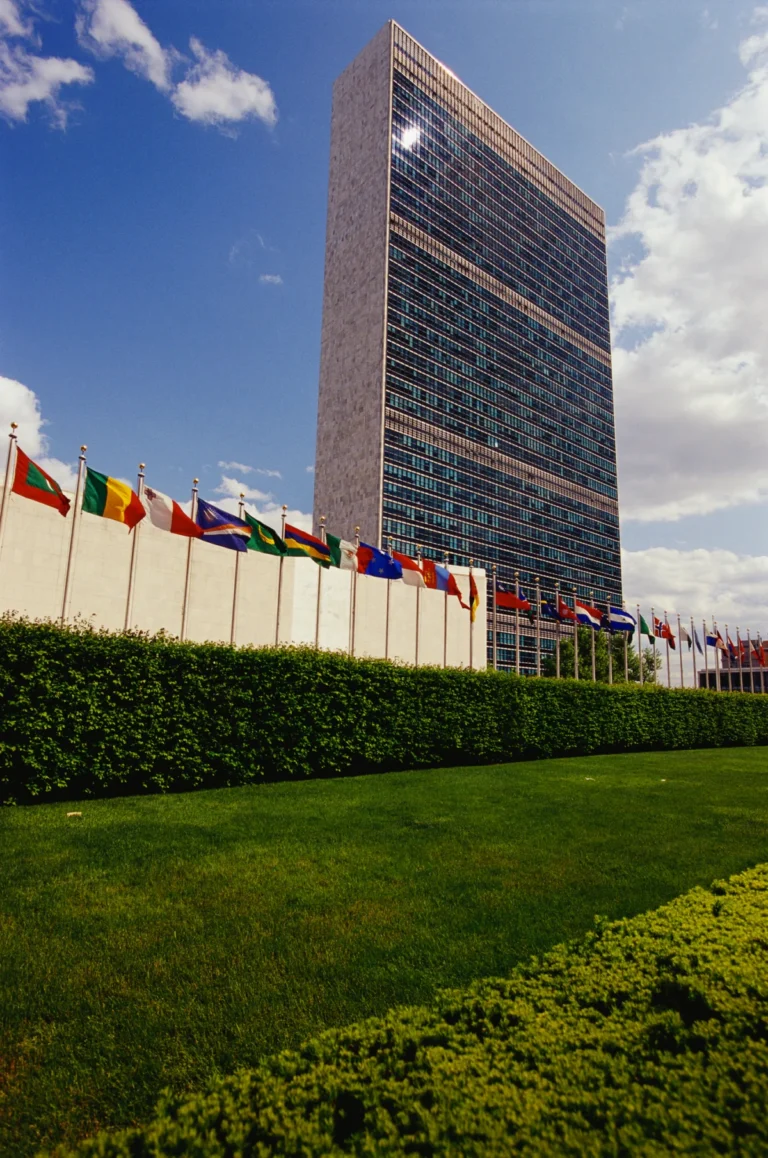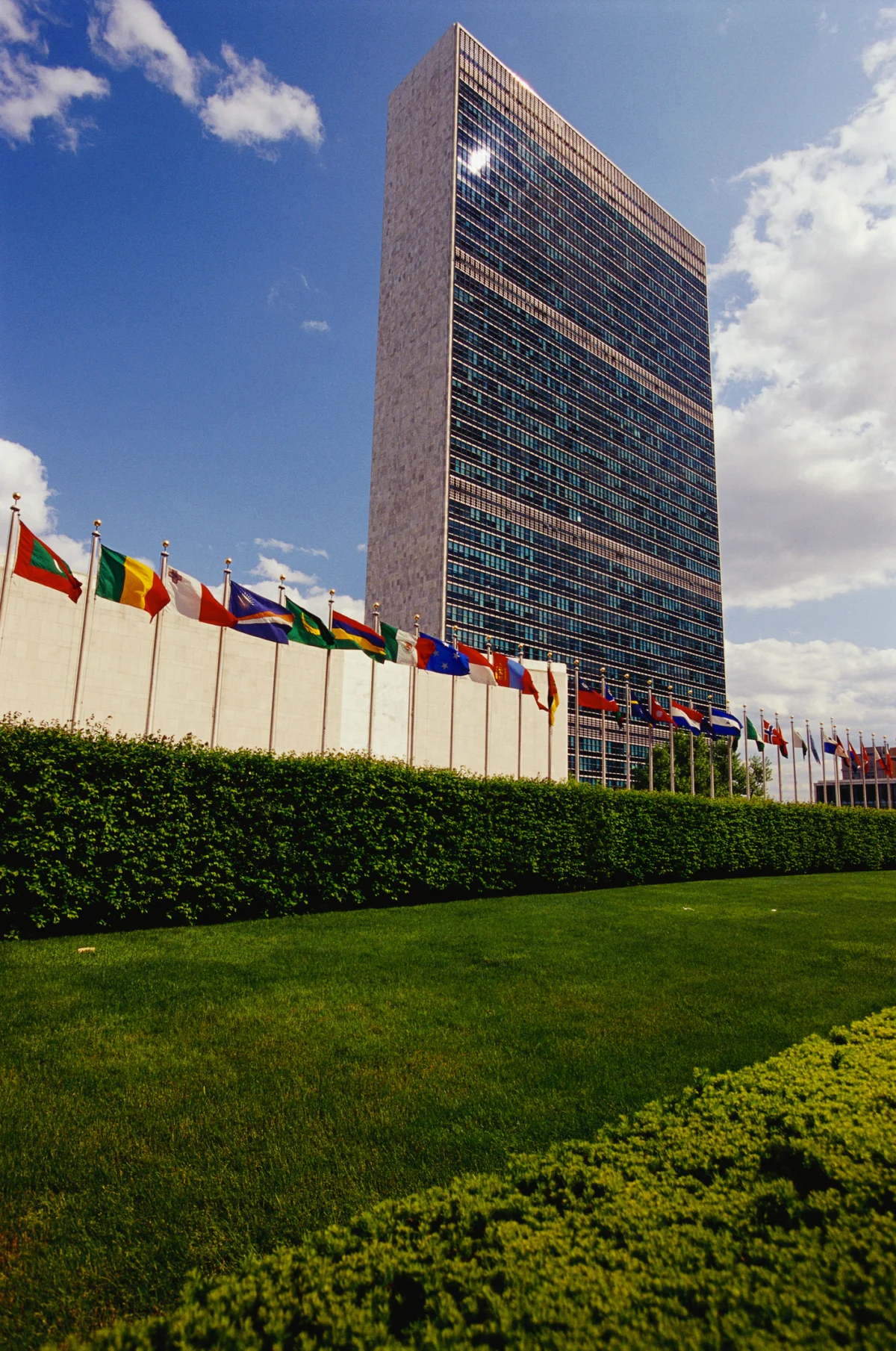
The International Chamber of Commerce (ICC) has concluded its high-level engagement at the 79th session of the United Nations General Assembly (UNGA 79) in New York, reinforcing its position that private sector expertise is indispensable to solving the world’s most pressing systemic challenges. This year’s UNGA theme, “Restoring trust, managing transformation: a United Nations that delivers for all,” served as the backdrop for a series of strategic interventions led by the ICC, aimed at bridging the gap between high-level diplomatic commitments and the practical implementation of global solutions. Across a week of intensive dialogue involving heads of state, foreign ministers, and international organization leaders, the ICC emphasized that the evolution of international cooperation must move beyond consultation toward a model of shared responsibility and tangible delivery.
The ICC’s participation at UNGA 79 occurs at a critical juncture for the global economy. As the world navigates a "polycrisis" characterized by geopolitical volatility, climate instability, and the rapid emergence of transformative technologies like Artificial Intelligence (AI), the organization argued that traditional multilateralism requires a fundamental update. By mobilizing its global network of 45 million companies, the ICC sought to demonstrate how business can move from being a stakeholder to a primary partner in crisis response, humanitarian action, and sustainable development.
A Chronology of Engagement and Crisis Response
The ICC’s week in New York began with a sharp focus on global food security and trade stability. Speaking before an audience of nearly 20 foreign ministers and deputy ministers at a high-level side event, ICC Secretary General John W.H. Denton AO issued a stark warning regarding the fragility of global food systems. Drawing on the ICC’s pivotal role in supporting the 2022 Black Sea Grain Initiative, Denton highlighted that the disruption of critical trade routes remains a primary driver of global inflation and food scarcity.
The Black Sea Grain Initiative, which the ICC helped facilitate alongside the UN and the Turkish government, successfully enabled the export of nearly 33 million tonnes of grain and food products from Ukrainian ports between July 2022 and July 2023. At UNGA, Denton called for renewed, coordinated action to restore grain flows through the Black Sea before storage capacities are reached in key exporting regions. He noted that delays in such initiatives do not merely affect regional economies but threaten the affordability of basic staples across the Global South. The ICC’s current advocacy also extends to a proposed mechanism for the Strait of Hormuz, a critical maritime passage where any disruption could trigger a global energy and shipping crisis.
Following the opening session of the General Assembly, ICC Chair Harsh Pati Singhania addressed a roundtable on Business Leadership for Resilience in Times of Crisis. Singhania argued that the modern global economy is too complex for governments to manage in isolation. He proposed a "resilient by design" model, suggesting that businesses are often better equipped to see and manage the intricate supply chains that sustain modern life. This systemic approach aims to replace the ad hoc crisis management strategies that have historically characterized international responses to shocks.
Reforming the Global Humanitarian and Aid System
A central pillar of the ICC’s mission at UNGA 79 was the "Humanitarian Reset." In collaboration with the United Nations Foundation, the UN Office for the Coordination of Humanitarian Affairs (OCHA), and ServiceNow, the ICC convened public and private sector leaders to explore the modernization of the aid system. The timing of these discussions coincided with the 40th anniversary of the Declaration on the Right to Development, providing a historical context for the current need to improve crisis preparedness.
The global humanitarian sector currently faces a record funding gap, with UN appeals often reaching only 30% to 40% of their targets. ICC First Vice-Chair Rebecca Enonchong addressed the common misconception that the goals of the public and private sectors are at odds during humanitarian crises. She noted that while humanitarian agencies prioritize speed and scale of impact, businesses prioritize efficiency and resource mobilization—objectives that are fundamentally complementary. The ICC’s goal is to move beyond corporate social responsibility (CSR) toward a model where business assets, such as logistics, data analytics, and telecommunications, are integrated into the primary humanitarian response framework.
Data-Driven Multilateralism and the Role of the Private Sector
The ICC’s advocacy for a new model of multilateralism was supported by the release of a significant report, "Rethinking Multilateralism: A New Role for the Private Sector," produced in partnership with IE University. The report argues that the traditional UN structure, which is primarily intergovernmental, lacks the mechanisms to fully leverage private capital and innovation.
Current data suggests that achieving the UN Sustainable Development Goals (SDGs) by 2030 requires an annual investment of approximately $5 trillion to $7 trillion. With public budgets under strain globally, the ICC emphasized that this financing gap can only be closed by creating "bankable" projects and stable regulatory environments that attract private investment. Secretary General Denton stressed that the future of international cooperation depends on moving from "dialogue to delivery," urging the UN to adopt more inclusive governance structures that give business a seat at the decision-making table.
AI as an Economic Equalizer and the Digital Frontier
The rapid advancement of Artificial Intelligence was a recurring theme throughout the UNGA week. Participating in a roundtable hosted by The Economist Group and TikTok, the ICC addressed the potential for AI to drive economic growth while warning of a widening digital divide. According to recent economic projections, AI could contribute up to $15.7 trillion to the global economy by 2030. However, the ICC warned that these benefits will only be realized if Small and Medium-sized Enterprises (SMEs) are empowered to adopt the technology.
Denton called for a policy environment that prioritizes interoperable standards and practical safeguards for privacy, data protection, and cybersecurity. He argued that a fragmented regulatory landscape—where different countries adopt conflicting AI rules—would stifle innovation and prevent SMEs from participating in the global digital economy. At the Digital Ambassadors Forum on Tech Diplomacy, the ICC urged diplomats to involve the private sector in the earliest stages of digital policy-making to ensure that rules support trusted cross-border data flows.
Climate Implementation: Moving Beyond Declarations
As the official focal point for business in international climate negotiations, the ICC used UNGA 79 to set the stage for the upcoming COP29 in Baku and COP31, which Türkiye is bidding to host. At the COP31 Business Forum New York Dialogue, co-hosted by Bloomberg and the Union of Chambers and Commodity Exchanges of Türkiye (TOBB), the ICC shifted the conversation from climate ambition to climate implementation.
The ICC highlighted that while 150 countries have pledged to reach net-zero emissions, the practical conditions for implementation—such as stable policy frameworks and access to green finance—are often missing. Rifat Hisarcıklıoğlu, President of TOBB and Chair of the ICC World Chambers Federation, emphasized the role of local chambers of commerce in translating global climate goals into local business actions. The ICC’s message was clear: governments must provide policy certainty and price risk, while business provides the technology and capital.
A Decade of Official Representation at the United Nations
The discussions at UNGA 79 are particularly significant as the ICC approaches the 10th anniversary of being granted Permanent Observer Status at the UN General Assembly. This historic decision, made in late 2016 and effective January 1, 2017, marked the first time a private sector organization was given a direct voice in the work of the General Assembly.
For over 70 years prior, the ICC held General Consultative Status with the UN Economic and Social Council (ECOSOC). However, the upgrade to Observer Status has allowed the ICC to participate in high-level debates on topics ranging from international taxation and plastic pollution to the "Pact for the Future." This status has enabled the ICC to provide real-time economic data and business perspectives to UN member states, ensuring that global resolutions are grounded in market realities.
Broader Impact and Global Implications
The ICC’s engagement at UNGA 79 signals a shift in the global governance landscape. By positioning itself as a "delivery partner" for the UN, the ICC is challenging the notion that global challenges can be solved through government policy alone. The organization’s focus on SMEs, trade facilitation, and digital interoperability reflects a pragmatic approach to the Sustainable Development Goals.
The implications of this heightened engagement are far-reaching. If the UN moves toward the ICC’s suggested model of "shared responsibility," it could lead to more public-private partnerships in infrastructure, a more streamlined global aid system, and a more robust response to climate change. However, as Secretary General Denton noted, the success of this transition depends on trust—trust between governments and the private sector, and trust that the international system can still deliver results for all citizens in an era of transformation.
As the 79th session of the UNGA continues, the ICC remains focused on ensuring that the commitments made in New York are translated into actionable projects that support the "real economy." The organization’s leadership believes that by harnessing the innovative capacity of business, the international community can turn the current period of global uncertainty into an opportunity for systemic renewal.
About the Author