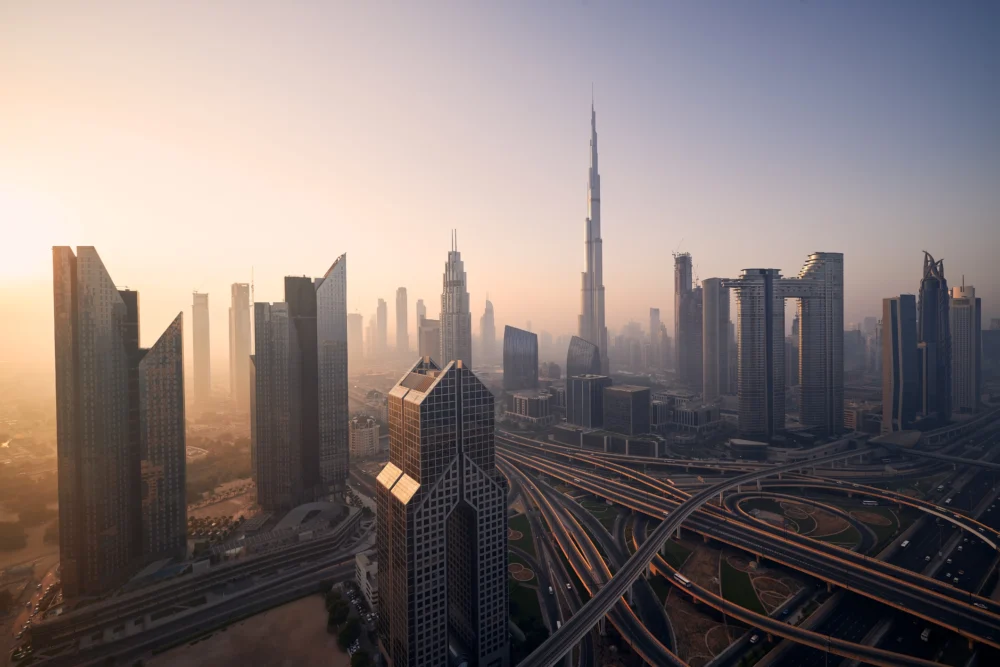
The International Chamber of Commerce (ICC) has reinforced its commitment to the stability of the global economy by convening a high-level ministerial and business roundtable during the World Governments Summit (WGS) in Dubai. As part of its second year as a Knowledge Partner of the Summit, the ICC brought together an influential assembly of state ministers, global business executives, and international trade experts from across the Middle East and North Africa (MENA) region. The primary objective of the gathering was to move beyond theoretical discussions regarding trade reform and instead establish concrete, actionable pathways for revitalising the multilateral trading system (MTS) amidst a period of unprecedented global economic volatility.
The roundtable served as a critical platform for addressing the growing phenomenon of trade fragmentation. Participants explored how the private sector and government entities can align their strategies to restore confidence in international commerce, which has been shaken by geopolitical tensions, shifting supply chain dynamics, and a resurgence of protectionist policies. The Dubai session follows a strategic trajectory set by the ICC, building upon a similar high-level engagement held for the ASEAN region in Singapore in October 2025, signaling a concerted effort by the ICC to build a global consensus ahead of major international trade milestones.
The Strategic Imperative of the MENA Region
In his opening remarks, ICC Secretary General John W.H. Denton AO emphasised that the survival and evolution of the multilateral system cannot be viewed as the sole responsibility of national governments. He argued that a "shared commitment" involving civil society, international institutions, and the private sector is essential for meaningful reform. Mr. Denton highlighted the MENA region’s unique geopolitical and economic geography, describing it as a vital bridge between continents, markets, and political blocs.
Historically, the MENA region has served as the crossroads of global trade, but its modern role has expanded into a sophisticated hub for logistics, digital finance, and energy transition. With major economies in the region, such as the United Arab Emirates and Saudi Arabia, investing heavily in non-oil diversification and digital infrastructure, the region is now seen as a primary laboratory for testing new trade technologies and regulatory frameworks. The roundtable discussions focused on how these regional strengths could be leveraged to pilot initiatives outlined in the "ICC Call for Action" for the World Trade Organization’s (WTO) 14th Ministerial Conference (MC14) and the "ICC Compact for Trade, Growth and Jobs."
Core Pillars of Trade Revitalisation
The roundtable identified several priority areas where MENA economies are uniquely positioned to lead. These pillars form the technical backbone of the ICC’s strategy to modernise global trade:
1. Trade Digitalisation and Interoperability
The transition from paper-based to digital trade remains a top priority. The ICC has long advocated for the adoption of the UNCITRAL Model Law on Electronic Transferable Records (MLETR) to harmonise legal frameworks. Participants in Dubai discussed the necessity of ensuring that digital trade systems are interoperable across borders, reducing the administrative burden on Small and Medium-sized Enterprises (SMEs) and accelerating customs clearance processes.
2. Bridging the Trade Finance Gap
Global trade is currently hampered by a significant trade finance gap, estimated by the Asian Development Bank and the ICC to be approximately $2.5 trillion. This gap disproportionately affects businesses in emerging markets. The roundtable explored mechanisms to mobilise capital and improve access to credit, particularly through digital trade finance solutions that reduce risk and increase transparency for lenders.
3. Regulatory Coherence and Shared Standards
Fragmentation often stems from diverging national regulations. The discussion highlighted the need for MENA countries to rally behind shared standards to reduce technical barriers to trade. By aligning regulatory requirements in sectors such as technology, food security, and healthcare, the region can create a more seamless internal market while enhancing its attractiveness to foreign direct investment (FDI).
4. Supply Chain Connectivity and Resilience
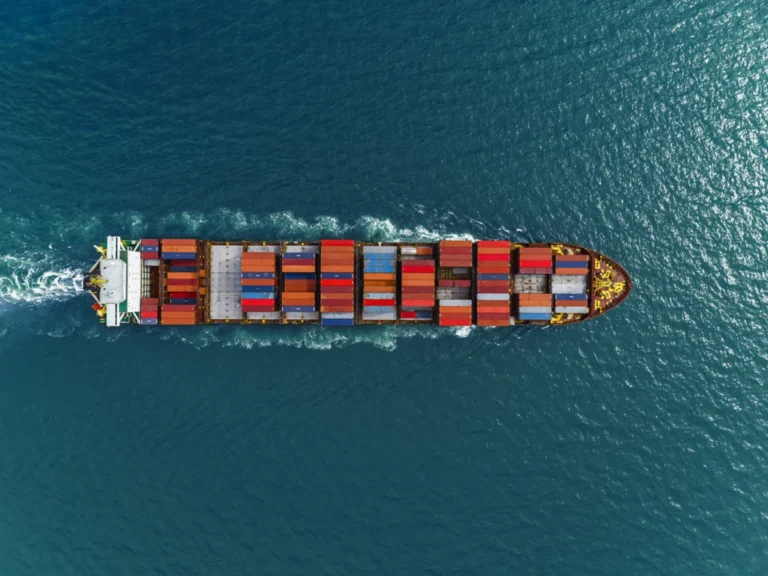
In light of recent disruptions in the Red Sea and other vital maritime corridors, the roundtable focused on "shock-proofing" trade networks. This involves investing in resilient physical and digital infrastructure that can withstand geopolitical shocks and climate-related events.
Ministerial Perspectives on a Rules-Based Order
The discussion was co-chaired by H.E. Dr. Thani bin Ahmed Al Zeyoudi, the UAE Minister for Foreign Trade, and H.E. Dr. Amer Bisat, the Lebanese Minister of Economy and Trade. Their presence underscored the high level of political will within the region to support a rules-based international trading system.
Dr. Al Zeyoudi, who has been a vocal proponent of "TradeTech," reiterated that the multilateral system has been the engine of global prosperity for decades. However, he acknowledged that the system is currently facing a "crisis of confidence" driven by isolationism. "For nations such as the United Arab Emirates, which believe in and benefit from open, rules-based trade, it is imperative that we are able to work collaboratively with global partners to address these challenges," Dr. Al Zeyoudi stated. He further noted that the UAE’s TradeTech Initiative and the Future Investment and Trade Partnership are designed to consolidate the nation’s status as a champion of innovation and supply-chain resilience.
The involvement of UAE chief executives from the Dubai Chambers membership further grounded the discussion in practical business realities. H.E. Mohammad Ali Rashed Lootah, President and CEO of Dubai Chambers, remarked that trade thrives only when the public and private sectors operate as true partners. He highlighted that Dubai is prepared to serve as a testing ground for solutions-oriented collaboration that can eventually be scaled globally.
Addressing the Global Tipping Point
Beyond the roundtable, the ICC played a prominent role in the broader World Governments Summit agenda. John W.H. Denton participated in a high-level plenary panel titled "The Tipping Point in Global Trade." He was joined by Mathias Cormann, Secretary-General of the Organisation for Economic Co-operation and Development (OECD); Rebeca Grynspan, Secretary-General of the United Nations Conference on Trade and Development (UNCTAD); and H.E. Javier Martínez-Acha Vásquez, Minister of Foreign Affairs of Panama.
The panel addressed the systemic risks currently facing the WTO-centric model of trade. Data presented during the summit indicated a concerning trend: the number of trade-restrictive measures implemented globally has increased significantly over the last three years. According to IMF data, nearly 3,000 trade restrictions were imposed worldwide in 2023 alone, a three-fold increase from 2019. The panelists argued that without a renewed commitment to multilateralism, the global economy risks a "decoupling" that could reduce global GDP by as much as 7% in the long term.
To counter these risks, the ICC also contributed to an OECD-European Union ministerial roundtable focused on "Shock-Proofing Trade." This session specifically looked at how to ensure that digital infrastructure remains functional during periods of high geopolitical tension or climate-induced disasters. The consensus among participants was that secure connectivity is no longer just a technical requirement but a cornerstone of national and economic security.
Chronology of Engagement: From Singapore to MC14
The Dubai roundtable is part of a calculated sequence of events designed to build momentum for the 14th WTO Ministerial Conference (MC14). The timeline of this engagement strategy highlights the ICC’s proactive approach:
- October 2025: The ICC convenes the ASEAN region in Singapore to discuss trade facilitation and digital economy agreements within Southeast Asia.
- February 2026: The ICC partners with the World Governments Summit in Dubai to engage the MENA region, focusing on logistics, trade finance, and the "TradeTech" agenda.
- Mid-2026 (Projected): Further regional consultations are expected in Latin America and Africa to ensure a truly global private-sector voice.
- Lead-up to MC14: Insights gathered from these roundtables will be compiled into a final advocacy document to be presented to WTO Director-General Ngozi Okonjo-Iweala and member state ambassadors.
Implications for the Global Business Community
The outcomes of the Dubai discussions suggest a shift in how trade policy is being formulated. Rather than waiting for top-down reforms from the WTO—which have often been stalled by the paralysis of the Dispute Settlement Body—the ICC and its partners are advocating for "plurilateral" and "bottom-up" initiatives. By piloting digital trade standards and finance models in regions like MENA and ASEAN, the private sector is creating a "de facto" modern trading system that the formal multilateral system can eventually adopt.
For businesses, this approach offers a glimmer of hope in an otherwise fragmented landscape. If the MENA region succeeds in harmonising its digital trade laws and improving supply chain interoperability, it could serve as a blueprint for other regional blocs. This would allow trade to continue growing even if global-level negotiations remain slow.
Conclusion and Future Outlook
As the World Governments Summit concluded, the message from the ICC was clear: the revitalisation of global trade is a practical necessity, not just a diplomatic principle. The Dubai roundtable has successfully identified specific regional priorities—ranging from trade finance accessibility to digital standards—that will now be integrated into the ICC’s global advocacy efforts.
The collaboration between the ICC, Dubai Chambers, and the UAE government demonstrates a potent model for how trade-dependent nations can take the lead in safeguarding the global economy. As the world looks toward MC14, the insights generated in Dubai will likely serve as a foundational element in the quest to build a more resilient, inclusive, and modern multilateral trading system. The ICC remains committed to working with MENA leaders to ensure that these shared priorities are translated into tangible actions that expand opportunities for businesses and communities worldwide.
About the Author