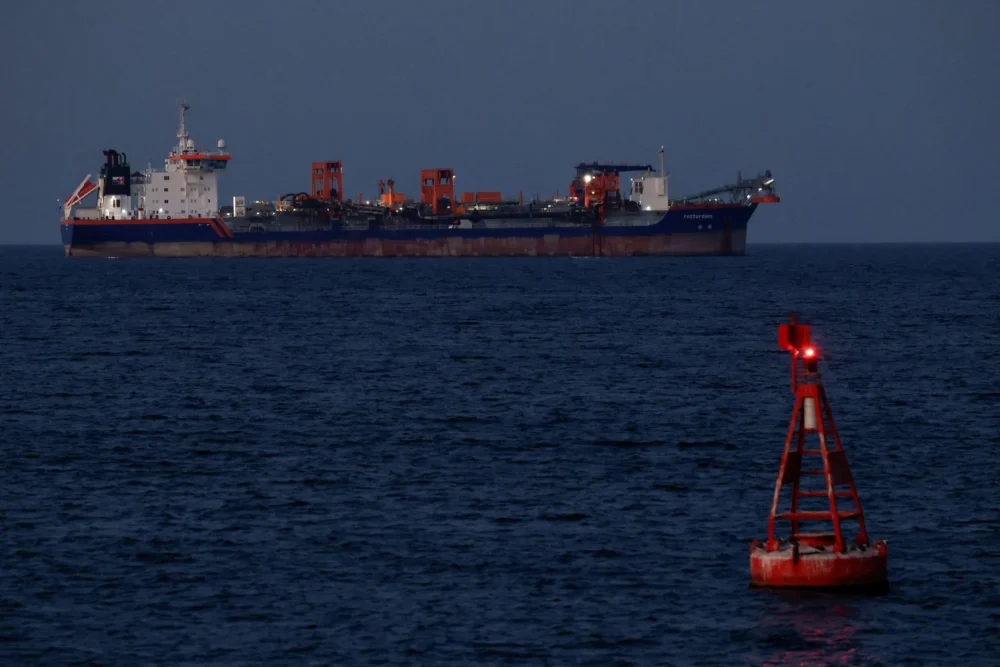
Despite the profound dangers posed by the ongoing U.S.-Israeli conflict with Iran, Tehran has maintained a crucial lifeline of crude oil exports to China, navigating the highly contested waters of the Strait of Hormuz. This sustained flow of oil underscores the strategic imperatives of both nations amidst a regional conflagration that has severely disrupted global energy markets and raised profound concerns about international shipping safety.
The conflict, which commenced on February 28, 2026, has seen the Strait of Hormuz transform into one of the world’s most perilous maritime choke points. Iran, responding to perceived threats and a direct military confrontation that resulted in the death of its Supreme Leader, Ayatollah Ali Khamenei, has repeatedly vowed to close the strategic waterway. This threat, coupled with documented attacks on vessels, has led to a dramatic slowdown in general shipping traffic, with many commercial tankers opting to avoid the besieged passage entirely. However, satellite imagery and shipping intelligence data reveal that Iranian-flagged vessels, and others carrying Iranian crude, continue their transit, predominantly destined for Chinese ports.
The Embattled Strait: A Nexus of Geopolitical Tensions
The Strait of Hormuz, a narrow passage connecting the Persian Gulf to the open waters of the Gulf of Oman and the Arabian Sea, is globally recognized as the most critical chokepoint for oil transit. Historically, approximately one-fifth of the world’s oil and natural gas supplies traverse this waterway daily. Its strategic importance has made it a focal point for geopolitical tensions for decades, but the current U.S.-Israeli conflict with Iran has escalated the risks to unprecedented levels.
Since the outbreak of hostilities, the International Maritime Organization (IMO) has reported at least ten vessels in or near the Strait of Hormuz coming under attack by Tehran’s forces within the first two weeks alone. These incidents tragically claimed the lives of at least seven seafarers, according to IMO statements, highlighting the direct human cost of the conflict on commercial shipping. Such attacks have prompted Iran’s Ministry of Foreign Affairs to issue stark warnings, with a spokesman cautioning on Monday that oil tankers transiting the Strait "must be very careful."
The heightened threat environment has compelled many vessels to "go dark," switching off their Automatic Identification System (AIS) transponders to avoid detection, a tactic that complicates monitoring efforts but does not entirely obscure their movements from sophisticated satellite surveillance. This deliberate obscuration further illustrates the extreme caution, and indeed desperation, of shipping operators attempting to navigate the volatile region.
Iran’s Strategic Maneuvering: The China Lifeline
Amidst this backdrop of intense hostility, Iran has successfully dispatched at least 11.7 million barrels of crude oil through the Strait of Hormuz since the conflict began on February 28. Samir Madani, co-founder of TankerTrackers, a firm renowned for its satellite imagery-based vessel monitoring, confirmed to CNBC on Tuesday that all these shipments were unequivocally bound for China. This data includes vessels that have attempted to evade detection by disabling their tracking systems. Madani noted that three of the six tankers identified on satellite imagery departing Iran since February 28 were Iranian-flagged, signaling Tehran’s direct involvement in securing these vital exports.

Independent analysis largely corroborates these figures. Kpler, another leading shipping intelligence provider, estimates that around 12 million barrels of crude oil have traversed the Strait since the war’s commencement. Nhway Khin Soe, a crude analyst at Kpler, noted the increasing difficulty in confirming the final destinations for these vessels due to the "dark" transits but affirmed, "Given that China has been the primary buyer of Iranian crude in recent years, a significant share of these barrels could ultimately head there." China’s National Energy Administration, when contacted by CNBC, did not provide immediate comment on the matter, maintaining a characteristic silence on sensitive geopolitical energy dealings.
While these shipments represent a substantial volume, they are significantly lower than pre-conflict levels. Prior to the war, in February 2026, Iran’s crude exports had surged to 2.16 million barrels per day (mbd), the highest level since July 2018, with virtually all of it destined for China. This earlier surge was part of Beijing’s aggressive strategy to bolster its energy reserves in anticipation of potential supply disruptions. The current figures, while impressive given the circumstances, reflect the immense pressure the conflict has placed on Iran’s export capabilities.
Global Oil Market Impact and International Response
The escalating tensions and the direct impact on the Strait of Hormuz have sent shockwaves through global energy markets. Oil prices soared dramatically, with Brent crude reaching nearly $120 a barrel on Monday, March 10, levels not seen in four years. This surge was primarily driven by fears of widespread supply disruption, particularly as several oil-producing countries in the Persian Gulf began curbing production in response to the regional instability, and as commercial shipping traffic via Hormuz slowed to a trickle.
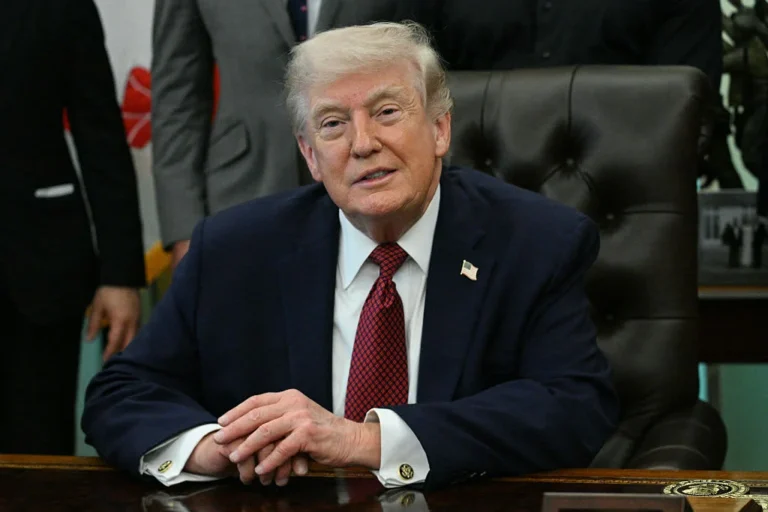
International leaders have scrambled to contain the fallout from a potential global oil shock. The Group of Seven (G7) leaders, including the United States, were reportedly considering the largest ever release of oil from strategic reserves, a move indicative of the severity of the crisis. U.S. President Donald Trump, while acknowledging the peril, adopted a confrontational stance, telling Fox News’ Brian Kilmeade that ships stranded near the passageway needed to "show some guts" and push through. "There’s nothing to be afraid of, they have no Navy, we sunk all their ships," Trump asserted, a statement that downplayed the very real dangers cited by international maritime bodies and shipping companies. He also suggested that the war "may be over soon," a sentiment that contributed to a subsequent pullback in prices.
Indeed, following the initial panic, oil prices eased. U.S. WTI crude oil for April delivery saw a reduction to around $84.9 a barrel by Tuesday 10:50 p.m. ET, while global benchmark Brent with May delivery settled at $88.9 per barrel. This moderation reflects a complex interplay of factors: the initial overreaction, the G7’s contemplated reserve release, and perhaps some market belief in a swift resolution to the conflict, fueled by statements from key figures like President Trump. However, the underlying volatility and the elevated risk premium remain, with the Middle East war showing few signs of abating and keeping tensions around the Strait of Hormuz acutely elevated.
Exploring Alternative Export Routes: The Jask Terminal
Recognizing the vulnerability of the Strait of Hormuz, Iran has been exploring and, to a limited extent, utilizing alternative export routes. The Kharg Island terminal, located approximately 15 miles off the Iranian mainland, has historically served as the country’s primary oil export facility, handling around 90% of its crude exports before tankers embark on their journey through the Strait. While Kharg Island remains operational, the strategic imperative to bypass Hormuz has brought the Jask oil and gas terminal along the Gulf of Oman, south of the Strait, into sharper focus.
Recent intelligence indicates a resumption of loading activities at Jask. TankerTrackers reported that an Iranian vessel was loading 2 million barrels of crude oil at the terminal—only the fifth such loading operation there in the past five years. This renewed activity signals Tehran’s proactive efforts to develop alternatives to the Strait of Hormuz.

However, the efficacy of Jask as a viable, large-scale alternative remains uncertain. As Kpler’s Soe noted, while it offers a direct outlet to the Sea of Oman, entirely bypassing the Strait, it has historically been rarely used due to significant logistical inefficiencies. Samir Madani of TankerTrackers elaborated on these challenges, stating that loading a single Very Large Crude Carrier (VLCC), a supertanker designed for long-haul transport, can take up to 10 days at Jask. In stark contrast, a VLCC can be loaded at Kharg Island in merely one or two days. Madani concluded that while the renewed activity at Jask might have "good domestic propaganda value," its practical "logistical advantage" for large-scale crude shipments is currently limited. The operational bottlenecks and the sheer time required make it a less appealing option for high-volume exports, especially when speed and efficiency are paramount during a crisis.
China’s Energy Security Strategy: A Strategic Stockpile
China’s unwavering commitment to importing Iranian crude, even through a war-torn Strait, is a testament to its long-term energy security strategy and its intricate geopolitical relationship with Iran. Beijing has been systematically building up its strategic petroleum reserves for years, recognizing the vulnerabilities inherent in its reliance on global energy markets. As of January 2026, the Atlantic Council estimated China’s crude inventory at an impressive 1.2 billion barrels, sufficient to meet its demand for three to four months.
This stockpiling effort gained renewed urgency and accelerated significantly in the period leading up to the current conflict. In the first two months of 2026, China’s crude imports soared by 15.8% compared to the previous year, according to customs data released on Tuesday. Kpler data further highlights this aggressive accumulation, with Iranian crude loadings hitting a record high of 3.78 mbd in the week of February 16, more than double the previous weekly average of roughly 1.48 mbd. All these pre-conflict shipments were destined for China, demonstrating a clear intent to amass reserves in anticipation of potential energy supply risks.
This strategic build-up was spurred by a broader geopolitical context. U.S. President Donald Trump’s administration had aggressively targeted two of Beijing’s most critical sources of supply: Venezuela and Iran. The year began with a dramatic military strike that led to the capture of Venezuela’s leader Nicolas Maduro, followed by the even more significant event of Iran’s Supreme Leader Ayatollah Ali Khamenei being killed in the U.S.-Israel war against Iran last month. These events underscored the vulnerability of China’s energy supply lines to geopolitical shifts and U.S. foreign policy, making the accumulation of strategic reserves an absolute priority for Beijing. China’s continued engagement with Iran, despite the conflict, highlights its resolve to diversify energy sources and protect its economic interests, even in the face of international pressure and significant operational risks.
Geopolitical Ramifications and Future Outlook
The ongoing conflict in the Middle East and its immediate impact on the Strait of Hormuz have profound geopolitical ramifications that extend far beyond regional borders. The sustained, albeit reduced, flow of Iranian oil to China highlights the intricate web of alliances and dependencies that defy conventional conflict dynamics. For Iran, these exports represent a vital source of revenue, critical for sustaining its economy and funding its military operations in a time of war. For China, they are a crucial component of its energy security, reinforcing its strategic autonomy and buffering it against global price shocks and supply disruptions.
The global energy market remains on edge, with the specter of sustained high oil prices and widespread supply chain disruptions looming large. While the immediate panic in oil prices has somewhat subsided, the underlying tensions and the physical risks to shipping in the Strait of Hormuz persist. The actions of the G7 and the International Energy Agency (IEA) in contemplating strategic reserve releases underscore the collective concern over global economic stability.
The future trajectory of the conflict and its implications for the Strait of Hormuz remain highly uncertain. The ability of Iran to continue its exports, and China’s willingness to accept them, will be closely watched indicators of the conflict’s intensity and its broader geopolitical fallout. As the war shows few signs of abating, the delicate balance between geopolitical maneuvering, economic necessity, and the very real dangers of maritime transit will continue to define the narrative around the world’s most critical oil chokepoint. The events unfolding in March 2026 serve as a stark reminder of the interconnectedness of global energy markets and the far-reaching consequences of regional conflicts.
About the Author