In the United States, a startling paradox persists where millions of citizens face daily food insecurity while more than one-third of the nation’s total food supply is discarded. This systemic inefficiency carries an estimated annual economic burden of $218 billion, according to the Environmental Protection Agency (EPA). While researchers have documented these trends for decades, the metrics of waste have remained stubbornly stagnant despite a proliferation of public awareness campaigns. In Memphis, Tennessee, where the intersection of poverty and food access is particularly acute, a local nonprofit named Clean Memphis is spearheading a series of interventions within the public school system to bridge this gap. By transforming cafeterias into laboratories for sustainability, the organization is demonstrating that keeping edible food out of landfills is not only an environmental necessity but a vital tool for community nourishment.
Working in close coordination with Memphis-Shelby County Schools (MSCS), Clean Memphis has partnered with global entities such as the Natural Resources Defense Council (NRDC) and the World Wildlife Fund (WWF) to pilot a suite of programs. These initiatives are designed to redirect edible food to those in need while simultaneously educating the next generation on the complexities of global food systems. Although the program is still in its developmental stages, early data suggests a significant reduction in waste and a measurable increase in food access for the district’s most vulnerable students.
The Socioeconomic Landscape of Memphis Schools
To understand the urgency of the Clean Memphis initiative, one must look at the socioeconomic realities of the region. Memphis-Shelby County Schools is one of the 25 largest school districts in the United States, serving a diverse and geographically dispersed student population. According to the 2025 Memphis Poverty Fact Sheet, nearly 39 percent of children in the city live below the poverty line. For many of these students, the meals provided through the National School Lunch and School Breakfast programs represent their only consistent source of daily nutrition.
Federal programs allow students to receive two low-cost or free meals each school day based on household income or participation in other federal assistance programs. However, the efficiency of these programs is often hampered by rigid federal serving requirements, abbreviated lunch periods, and a general lack of clarity regarding food safety regulations. These factors contribute to a high volume of "plate waste"—food that is served but never consumed. In a city where four out of ten children may go home to an empty pantry, the sight of unopened milk cartons and untouched fruit heading toward a dumpster represents a profound systemic failure.
The Evolution of the Clean Memphis Waste Audit
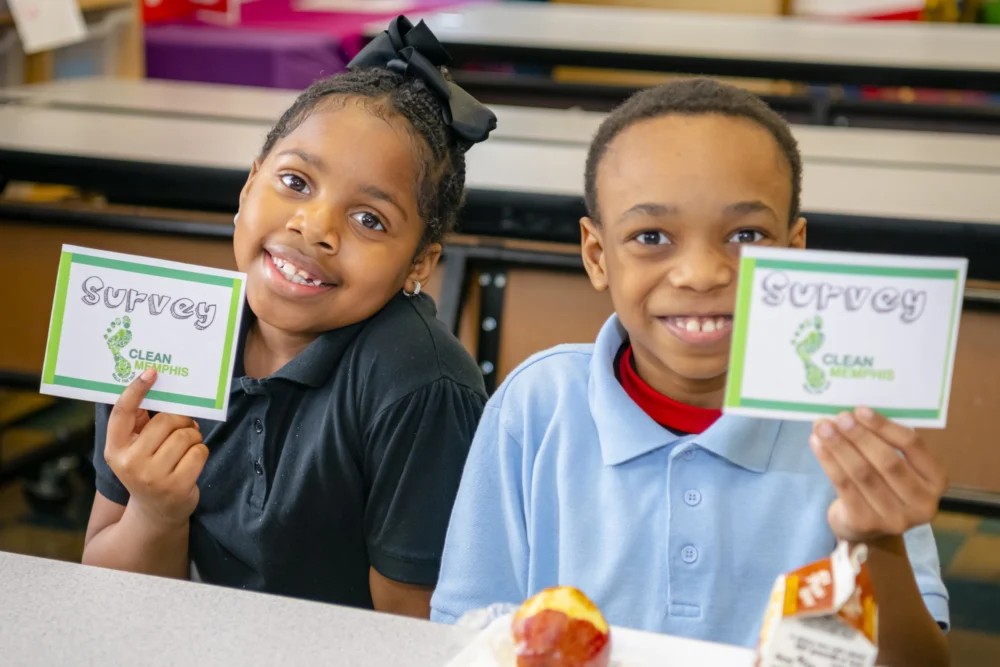
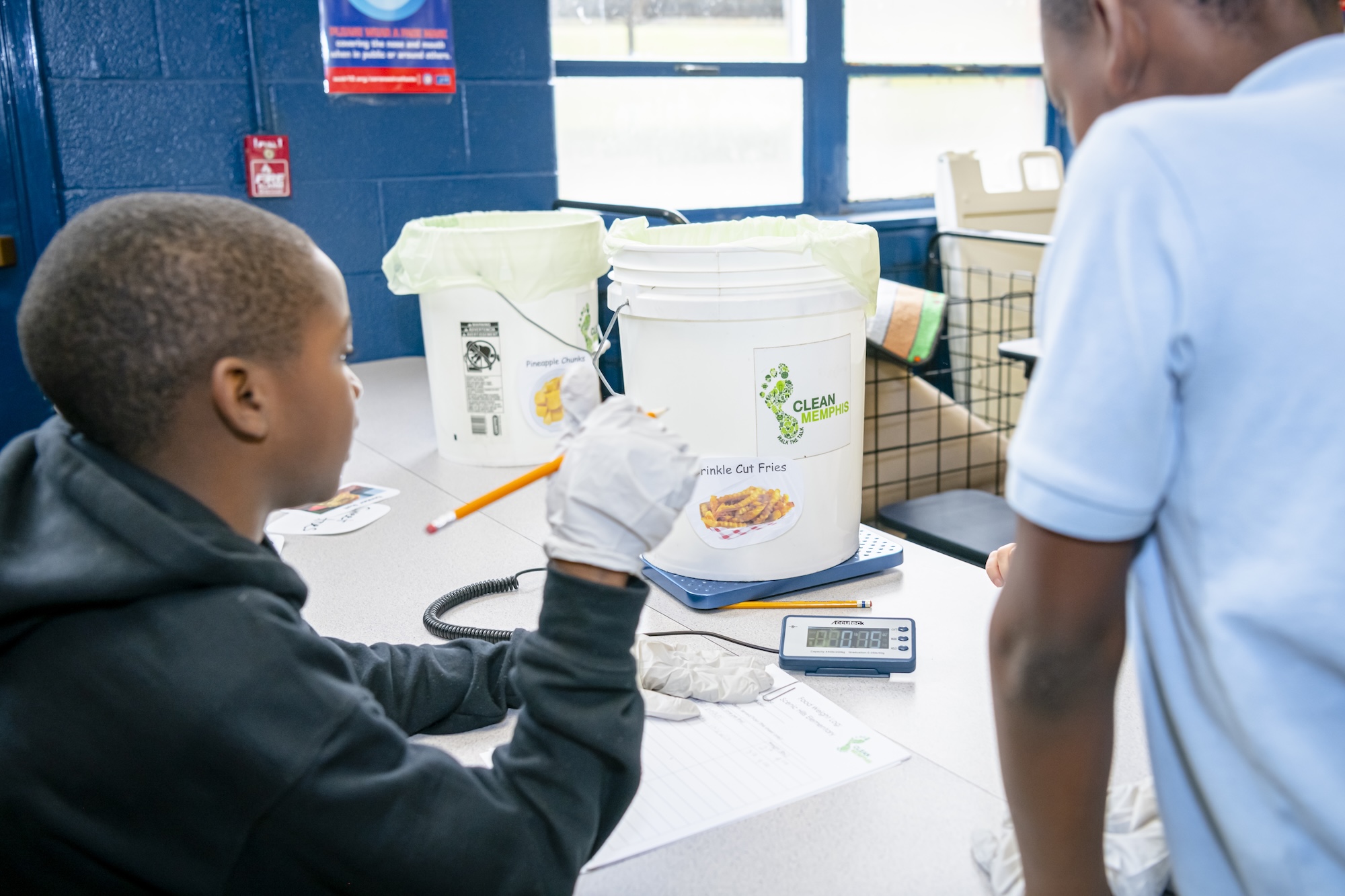
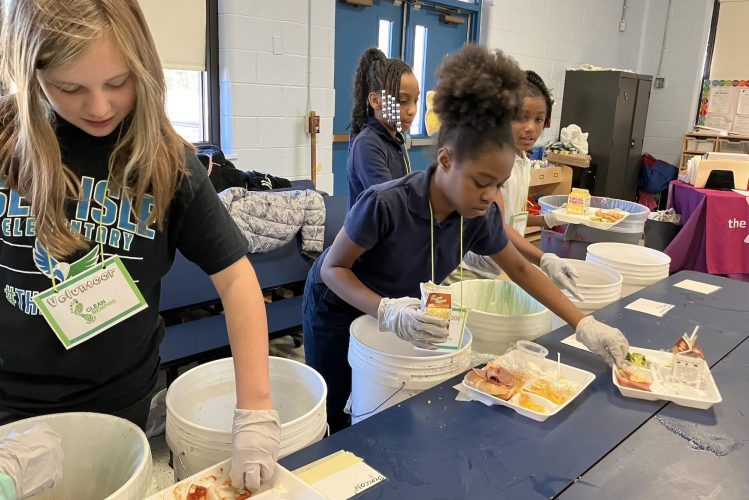
The journey toward a more efficient cafeteria began in 2019 when Clean Memphis launched its school food waste program. The cornerstone of this effort was the "waste audit," a hands-on data collection process involving fourth-grade students. During these audits, students are tasked with physically sorting and weighing the items their peers discard. This process serves a dual purpose: it provides the nonprofit with hard data on waste patterns and provides students with a practical application for math and science concepts.
The initial audits revealed a glaring and unexpected culprit in the waste stream: unopened milk. Michelle Cowan, the Director of Education and Community Impact for Clean Memphis, noted that during a single audit, the team counted more than 100 unopened milk cartons discarded after one meal period. This discovery pointed toward a breakdown in communication rather than a lack of student appetite.
Under the federal "Offer Versus Serve" (OVS) rules, students are permitted to decline certain components of a school meal, including milk, provided they take a minimum number of items to qualify for federal reimbursement. However, Clean Memphis discovered that many cafeteria monitors, teachers, and students operated under the mistaken belief that taking a milk carton was a mandatory requirement for every tray.
Policy Clarification and Immediate Results
To address the milk waste issue, Clean Memphis collaborated with the MSCS nutrition staff to reinforce the actual parameters of federal regulations. The team launched an information campaign to ensure that staff and students understood that milk is an optional component. By simply clarifying the rules and empowering students to decline items they did not intend to consume, the program achieved a 75 percent reduction in unopened milk waste across participating schools.
This intervention highlights a critical aspect of food waste reduction: many solutions are low-cost and involve behavioral or policy changes rather than expensive infrastructure. By aligning cafeteria practices with federal flexibility, the district was able to prevent thousands of gallons of milk from entering the waste stream annually, saving both the product and the resources used to produce and transport it.
Share Tables: A Direct Response to Hunger
While policy clarification helped prevent waste at the point of service, Clean Memphis recognized the need for a "safety net" for food that had already been taken but remained unopened. This led to the introduction of "share tables" at 10 pilot schools.
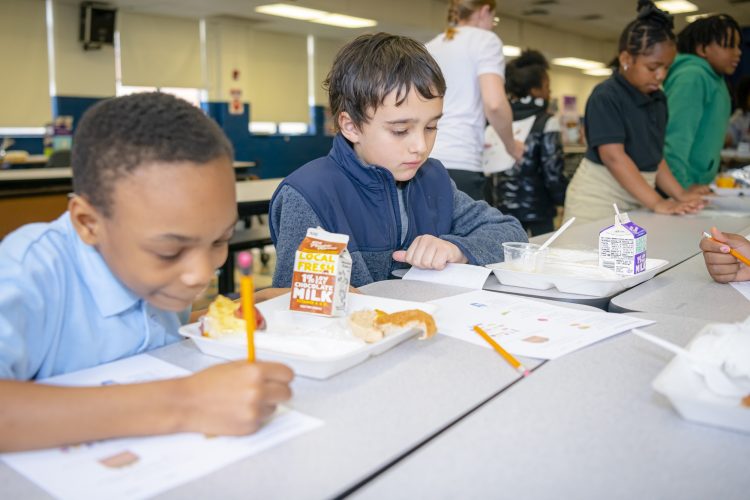
Share tables are designated areas in the cafeteria where students can place unopened, shelf-stable, or refrigerated items—such as milk cartons, fruit cups, and packaged snacks—that they do not wish to eat. Other students who are still hungry after finishing their own meals are free to take items from the table. These stations are supervised by adults and operate strictly during designated meal periods to ensure food safety compliance.
The impact of the share tables is two-fold. Environmentally, they provide a final opportunity for edible food to be consumed rather than discarded. Socially, they offer a dignified way for food-insecure students to access additional nutrition without the stigma often associated with seeking extra assistance. For many students, the share table serves as a vital resource for securing a snack to eat later in the afternoon or on the bus ride home.
Digital Integration and Back-of-House Recovery
The challenge of food waste extends beyond what is left on student trays; it also includes "back-of-house" surplus—prepared food that was never served. To tackle this, Clean Memphis implemented the use of Careit, a digital platform designed to connect businesses and institutions with local food rescue organizations.
Through the Careit app, school cafeteria managers can log surplus food, making it visible to a network of approximately 90 food rescue groups across Memphis and Shelby County. This system provides schools with the flexibility to manage overages efficiently. In some instances, surplus food is made available to students as they depart for the day. In others, schools have installed dedicated refrigerators where students can access food between classes. Any remaining surplus is picked up by community partners and redistributed to local shelters and food pantries.
This technological layer ensures that the efforts of the school district are integrated into the broader regional food recovery ecosystem. It transforms schools from isolated islands of consumption into active contributors to the community’s food security network.
Educational Integration and STEM Alignment
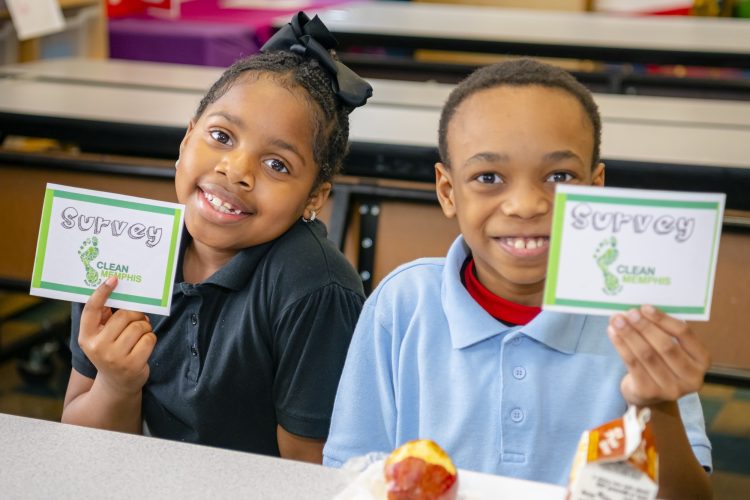
At its core, the Clean Memphis initiative is an educational endeavor. The organization has integrated food waste lessons directly into the fourth-grade curriculum at partner schools. Students do not just participate in audits; they analyze the resulting data, create graphs to track progress, and brainstorm solutions for their specific cafeteria environments.
"We want students to understand systems," Michelle Cowan explained. "This means understanding where food comes from, the environmental cost of the water and land used to grow it, what happens when it’s wasted in a landfill, and how their individual choices can influence that cycle."
By framing food waste as a systemic challenge that can be solved through data and advocacy, Clean Memphis is fostering a sense of agency among students. The program turns the cafeteria into a classroom for social change, where math and science are used to solve real-world problems affecting the students’ own neighborhoods.
Challenges to Scalability and Future Outlook
Despite the documented success of the pilot programs, significant hurdles remain. The Memphis-Shelby County Schools district is vast, and Clean Memphis currently operates with a modest four-person team. Nefertiti Orrin, President and CEO of Clean Memphis, acknowledged that while the model is "absolutely scalable," it is also "capacity-heavy."
The labor-intensive nature of conducting audits, training staff, and monitoring share tables requires a level of oversight that a small nonprofit cannot provide to an entire district indefinitely. The long-term goal for Clean Memphis is to demonstrate the program’s value so clearly that the school district eventually invests directly in scaling these practices.
If the program can be successfully institutionalized in a district as large and economically challenged as Memphis, it could serve as a national blueprint for urban school systems. The initiative proves that the "food waste-to-hunger" gap can be narrowed through a combination of student engagement, policy education, and community partnerships.
Broader Implications for National Food Policy
The work being done in Memphis resonates with a growing national movement to rethink how the U.S. handles its food supply. The EPA and the USDA have set a goal to reduce food loss and waste by 50 percent by the year 2030. Achieving this target will require a fundamental shift in how public institutions—particularly schools, which serve billions of meals annually—manage their resources.
The Clean Memphis model suggests that the solution lies in a multi-tiered approach:
- Prevention: Educating staff and students on "Offer Versus Serve" to ensure only desired food is taken.
- Recovery: Utilizing share tables and donation apps like Careit to redirect surplus.
- Education: Embedding the science of food systems into the curriculum to ensure long-term behavioral change.
As the program continues to evolve, its organizers remain optimistic. The immediate 75 percent drop in milk waste and the enthusiastic participation of student auditors suggest that the "stagnant metrics" of food waste can indeed be moved. For the city of Memphis, the stakes are high; every meal saved from a landfill is a meal that can help a child focus in class, grow healthy, and succeed. The message from Clean Memphis is clear: if the system can be fixed in one of the nation’s most challenged districts, it can be fixed anywhere.
About the Author