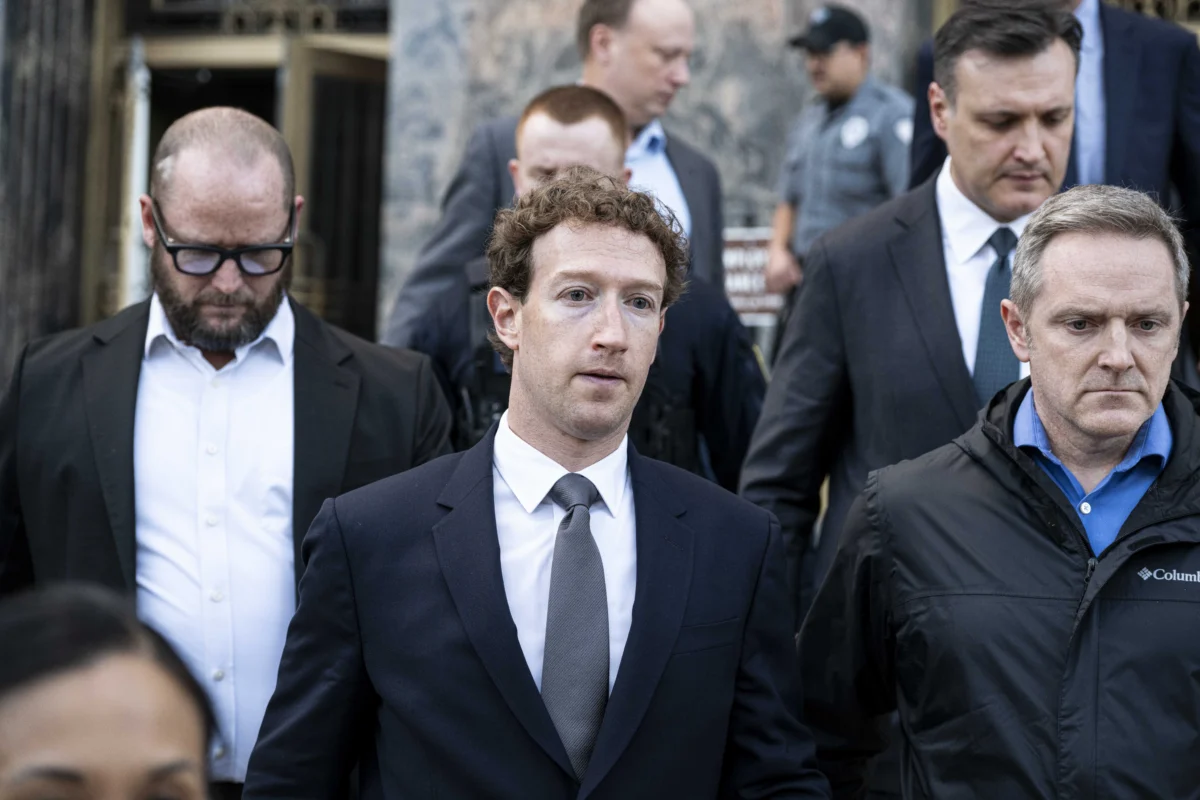
In a sudden and historic conclusion to a high-stakes legal battle, Meta Platforms Inc. has agreed to a settlement valued at up to $16.7 billion to resolve a federal lawsuit brought by dozens of U.S. states and territories. The deal, announced on Wednesday, effectively halts a 19-day federal trial that had only recently begun, marking a pivotal shift in the company’s legal strategy. The settlement addresses long-standing allegations that Meta’s platforms, specifically Instagram and Facebook, were designed to be addictive to minors and that the company failed to protect young users from the psychological harms associated with social media use.
The agreement includes a massive financial payout to 51 U.S. states and territories and mandates a series of transformative product changes aimed at curbing teen engagement and increasing parental oversight. The announcement came just as Instagram head Adam Mosseri was scheduled to return to the witness stand, underscoring the urgency with which Meta sought to avoid further public testimony and the potential for even more staggering court-ordered damages.
Terms of the 16.7 Billion Dollar Agreement
The financial structure of the settlement is complex, featuring both guaranteed payments and contingent bonuses tied to broader industry behavior. Of the total $16.7 billion, approximately $12.7 billion is guaranteed. This sum will be paid out to the participating states and territories in annual installments over the next decade. These funds are expected to be utilized for public health initiatives, youth mental health services, and educational programs focused on digital literacy and online safety.
The remaining $4 billion of the settlement is contingent upon the actions of Meta’s primary competitors. In an unusual legal maneuver, Meta has structured the deal so that the final payout is linked to whether other "core industry members"—specifically TikTok, Snap, and YouTube—adopt similar safety protocols. This contingency serves as a strategic attempt by Meta to level the playing field, ensuring that its own restrictive measures do not result in a mass exodus of teen users to competing platforms that may lack similar guardrails.
As part of the deal, Meta has also urged its competitors to adopt a one-hour daily limit for teens, comparable night-mode settings, and enhanced age assurance measures. If these industry-wide changes are implemented, Meta’s own daily time limit for teens will be further reduced from two hours to one hour.
Mandatory Product Overhauls and Teen Safety Features
The core of the settlement lies in the substantive changes Meta must implement across Facebook and Instagram. These changes are designed to dismantle features that critics and state attorneys general have long argued contribute to "doom-scrolling" and social media addiction among adolescents.
Beginning with time management, teens will now face a default two-hour daily limit across both platforms. Unlike previous iterations of "time limit" features that were easily bypassed, this new limit will require explicit parental approval to be deactivated or extended. However, the settlement includes a notable exception for "longform content," defined as audio or video segments lasting at least 22 minutes. Messaging services also remain exempt from these limits, allowing teens to continue using direct messaging features without a time cap.
To address the issue of sleep deprivation among adolescents, the apps will be blocked by default between midnight and 6:00 a.m. Furthermore, to minimize distractions during the academic year, notifications will be automatically muted between 8:00 a.m. and 3:00 p.m. from August 15 to June 15. The apps will also introduce more frequent usage prompts, appearing every 15 minutes of continuous screen time, with escalated notifications at the 60- and 90-minute marks.
Parental control features will see a significant expansion. Parents will now have the ability to set their child’s feed to a chronological view by default, bypassing the algorithmic "For You" feeds that prioritize high-engagement content. Autoplay features will be disabled by default for minors, and the public display of "likes" and reactions on teen posts will be hidden. Additionally, Meta has agreed to disable "cosmetic surgery and extreme makeup filters" for teen users, a move intended to mitigate body dysmorphia and self-esteem issues linked to unrealistic beauty standards.
Evidence from the Abbreviated Federal Trial
The trial, which took place in a federal court under Judge Yvonne Gonzalez Rogers, provided a rare glimpse into Meta’s internal operations and the data that allegedly informed its decision-making. Attorneys general from 29 states argued that Meta intentionally designed its platforms to exploit the dopamine-driven reward systems of the adolescent brain.
One of the most damaging pieces of evidence presented before the settlement concerned the "Take a Break" feature, which Meta had touted as a solution to excessive use. Internal documents and testimony revealed that months after its launch, less than 1 percent of Instagram’s weekly teen users had actually activated the feature. Even two years later, adoption rates hovered at a mere 1.8 percent. Similar results were found for "Quiet Mode," suggesting that voluntary safety tools were largely ineffective.
Former Meta employees and data scientists testified to a corporate culture that prioritized user retention and growth metrics over safety. This "engagement at all costs" mentality was a central pillar of the states’ case. The court also heard from academic psychologists who presented data linking the rise of social media to a 15-year upward trend in teen loneliness, depression, and self-harm, particularly among young girls.
Chronology of the Legal Battle Against Meta
The settlement is the culmination of years of mounting legal and regulatory pressure. The following timeline outlines the major milestones leading to this week’s agreement:
- September 2021: The "Facebook Papers" are leaked by whistleblower Frances Haugen, revealing internal research that suggested Instagram was "toxic" for teen girls.
- November 2021: A bipartisan coalition of state attorneys general launches a multi-state investigation into Meta’s impact on young users.
- October 2023: 33 states file a massive lawsuit in federal court, while several others file in state courts, alleging Meta misled the public about the safety of its platforms.
- Early 2024: Meta loses state-level trials in California and New Mexico, resulting in approximately $1 billion in combined penalties.
- August 2024: The federal trial begins in Oakland, California. Meta faces potential damages exceeding $1 trillion based on statutory violations of federal child privacy laws (COPPA) and state consumer protection acts.
- August 2024 (Current): Meta agrees to the $16.7 billion settlement less than five days into the trial.
Official Responses and Industry Reactions
In a public statement, Meta emphasized its commitment to youth safety while framing the settlement as a collaborative effort to set new standards. "Ensuring teens have a safe and productive experience on our platforms is an absolute imperative for Meta," the company wrote. "We want to get this right for parents and teens, and that’s why we partnered with state attorneys general to set a new industry standard."
California Attorney General Rob Bonta, a lead figure in the litigation, hailed the deal as a transformative victory for families. "Today, we have secured a settlement with Meta that will make social media less dangerous for our kids and make a world of a difference for children and their families," Bonta stated. He characterized the new default settings as a "ban" on harmful practices, noting that the shift from "opt-in" to "opt-out" for safety features would dramatically increase their effectiveness.
While YouTube, TikTok, and Snapchat have not yet officially responded to Meta’s call for industry-wide adoption of these standards, the settlement places significant pressure on these companies. Because $4 billion of Meta’s payout is contingent on their cooperation, the states now have a financial incentive to pursue similar litigation or settlements with these other tech giants.
Broader Impact and Regulatory Implications
The $16.7 billion settlement represents one of the largest corporate payouts in history related to consumer protection. It serves as a stark warning to the tech industry that the legal immunity often associated with Section 230 of the Communications Decency Act may not protect companies from claims involving product design and deceptive business practices.
A critical component of the settlement is the appointment of an independent auditor. This third-party monitor will have the authority to review Meta’s internal data, assess compliance with the new safety mandates, and report concerns directly to the state attorneys general. This level of external oversight is unprecedented for a social media company and could serve as a model for future regulation.
Furthermore, the settlement addresses the collection of data from users under the age of 13, a violation of the Children’s Online Privacy Protection Act (COPPA). By agreeing to stop making "false, misleading, or deceptive statements" about safety features, Meta is now under a permanent injunction that could lead to even more severe penalties if future violations occur.
As the digital landscape evolves, this agreement may be viewed as the "Big Tobacco" moment for social media—a turning point where the industry is forced to acknowledge the public health implications of its products and accept a high degree of state-mandated regulation. For parents and educators, the settlement offers the first concrete set of tools to manage the digital lives of the next generation, shifting the burden of safety from the individual user to the multi-billion-dollar corporations that profit from their attention.
About the Author