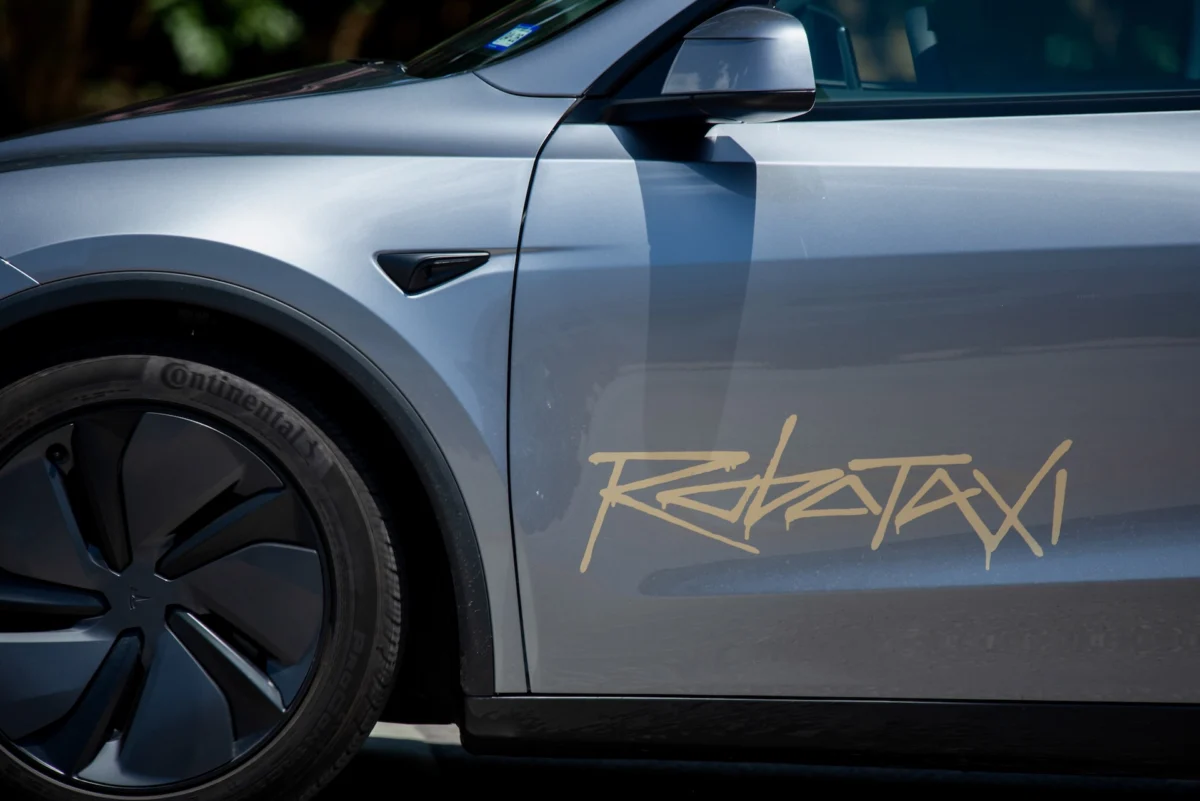
The Nevada Transportation Authority (NTA) has unanimously granted permits to three major players in the autonomous vehicle industry – Tesla, Uber, and Waymo – to launch commercial robotaxi services within Clark County, the bustling home of Las Vegas. This landmark decision, made on Thursday, signals a significant acceleration in the deployment of driverless transportation in a region already at the forefront of technological innovation. The approvals pave the way for a potential deployment of up to 8,000 robotaxis across the county over the next 12 months, setting the stage for what is poised to be a highly competitive and transformative era in personal mobility.
Permit Allocations and Deployment Potential
The permits issued by the NTA outline specific deployment caps for each company. Tesla has received authorization to deploy a maximum of 5,000 robotaxis. Waymo, a long-standing pioneer in autonomous driving technology, is permitted to operate up to 1,000 autonomous vehicles within the same timeframe. Uber, while not directly operating its own fleet of autonomous vehicles, has secured approval for 1,000 robotaxis. These will be operated through strategic partnerships with established autonomous vehicle developers, namely Hyundai’s Motional and Amazon’s Zoox. Notably, Zoox already holds a separate autonomous vehicle network company permit that allows for the operation of 100 robotaxis, which will now integrate into Uber’s broader offering.
However, the sheer scale of these permitted deployments is tempered by a candid acknowledgment from the companies themselves. Representatives from Tesla and other involved entities indicated during the NTA meeting that achieving these maximum figures within the stipulated 12-month period is ambitious. Eric Early, Tesla’s Cybercab chief engineer, articulated this sentiment, stating, "The 5,000 has always been a ceiling for us. I don’t think we’ll be in a position by this time next year to deploy 5,000 vehicles, and it’s not [because of] the technology. I think we would be extremely happy and satisfied if we could get ourselves up to 2,500, maybe a bit higher than that in the next year." This suggests that while the regulatory framework is in place for a substantial rollout, the actual number of vehicles on the road may initially be more conservative, driven by operational readiness and scaling capabilities rather than regulatory limitations.
A New Era of Competition in Las Vegas
Even if the companies deploy only a fraction of their permitted numbers, Clark County, and Las Vegas in particular, is on the cusp of becoming a major battleground for robotaxi services. The presence of Tesla, Uber (through its partners Motional and Zoox), and Waymo competing for the same riders will undoubtedly drive innovation and potentially lead to aggressive pricing and service offerings. This influx of autonomous vehicles represents a significant shift from the current landscape, which has seen extensive testing by these entities but limited commercial public deployment.
Background and Chronology of Autonomous Vehicle Regulation in Nevada
Nevada has historically been a progressive state when it comes to autonomous vehicle (AV) technology. As early as 2011, the state passed legislation authorizing the testing of self-driving cars. This early adoption created a favorable environment for companies to develop and refine their technologies. Over the years, the regulatory framework has evolved to accommodate testing and, more recently, commercial operations.
The journey towards commercial robotaxi services has been a gradual one, marked by extensive testing phases. Companies like Waymo and Motional have been conducting pilot programs and testing their vehicles in designated areas of Clark County for several years. This has allowed them to gather crucial data on performance, safety, and passenger experience in real-world conditions. The NTA’s decision represents the culmination of these efforts and a clear signal that the state is ready to embrace the commercialization of this technology. The unanimous vote underscores a broad consensus within the regulatory body regarding the safety and potential benefits of these services.
Economic and Workforce Implications
The large-scale deployment of robotaxis is poised to have profound economic and workforce implications for the Las Vegas metropolitan area. The impact is multifaceted, with potential benefits and significant challenges.
On one hand, proponents argue that robotaxis will create a new ecosystem of jobs. These roles could include technicians for maintenance and repair, specialists for charging and fleet management, and personnel for cleaning and sanitizing the vehicles. Furthermore, the increased efficiency and availability of transportation could stimulate tourism and economic activity within the region.
Conversely, there are serious concerns about the displacement of human drivers. The traditional taxi and ride-sharing industries, which rely heavily on human operators, could face significant disruption. Representatives from the Livery Operators Association and local taxi companies have voiced strong opposition to the permits, highlighting this as a primary concern. They argue that the speed and scale of the approved deployments are too rapid and could lead to widespread job losses for their members.
Industry Concerns and Opposition
The approval of the permits was not without significant opposition. Kimberly Maxson-Rushton, a lawyer representing the Livery Operators Association, presented a compelling argument during the NTA hearing. She outlined two primary concerns: "One deals with the oversaturation of the commercial transportation industry as a whole in Nevada," and "The second one deals with the overcrowding of the roadways, and specifically the Golden Triangle."
The "Golden Triangle" refers to a densely trafficked area encompassing the vicinity of the airport, Las Vegas Boulevard, and surrounding districts. This region has been a focal point for AV testing due to its high volume of traffic and diverse road conditions. The fear is that a significant influx of robotaxis, coupled with existing traffic, could exacerbate congestion and negatively impact the existing transportation infrastructure and the experience of residents and tourists alike. The association advocates for a more phased approach to integration, allowing the market and infrastructure to adapt more gradually.
Uber’s Hybrid Approach and Strategic Positioning
Uber has positioned itself as a proponent of a hybrid model, advocating for a system where ride-hailing networks comprise both human drivers and autonomous vehicles. This stance is not only a strategy to manage the transition but also a hedge against the uncertainties of full AV adoption. By lobbying for regulations that mandate robotaxis operate within networks that also include human drivers, Uber aims to maintain a diversified fleet and mitigate the risks associated with its own autonomous ambitions potentially falling short of competitors like Tesla or Waymo.
During the NTA meeting, Uber reiterated this proposal, emphasizing that a hybrid approach would enable cities to integrate autonomous vehicles incrementally, better managing peak demand without overwhelming the transportation system. This "Goldilocks" strategy seeks to balance technological advancement with the practical needs of urban mobility and workforce stability, offering a middle ground between complete reliance on human drivers and a fully autonomous future.
Analysis of Future Implications
The approval of these permits marks a pivotal moment for autonomous vehicle technology and urban transportation. The sheer scale of potential deployment in a high-traffic, high-visibility area like Las Vegas will provide invaluable real-world data for further development and refinement of AV technology. It will also serve as a crucial testbed for regulatory frameworks and public acceptance.
The competitive landscape is likely to intensify, potentially leading to faster innovation and improved service offerings for consumers. However, the societal implications, particularly concerning employment, will require careful monitoring and proactive policy interventions. The debate over the speed of AV deployment and its impact on the workforce is a complex one, with valid arguments on both sides. As these robotaxis begin to share the roads with human drivers and passengers, the coming months and years will be critical in shaping the future of transportation in Nevada and beyond. The ability of the state and the companies involved to navigate these challenges effectively will be a key determinant of the long-term success and societal integration of autonomous mobility.
About the Author