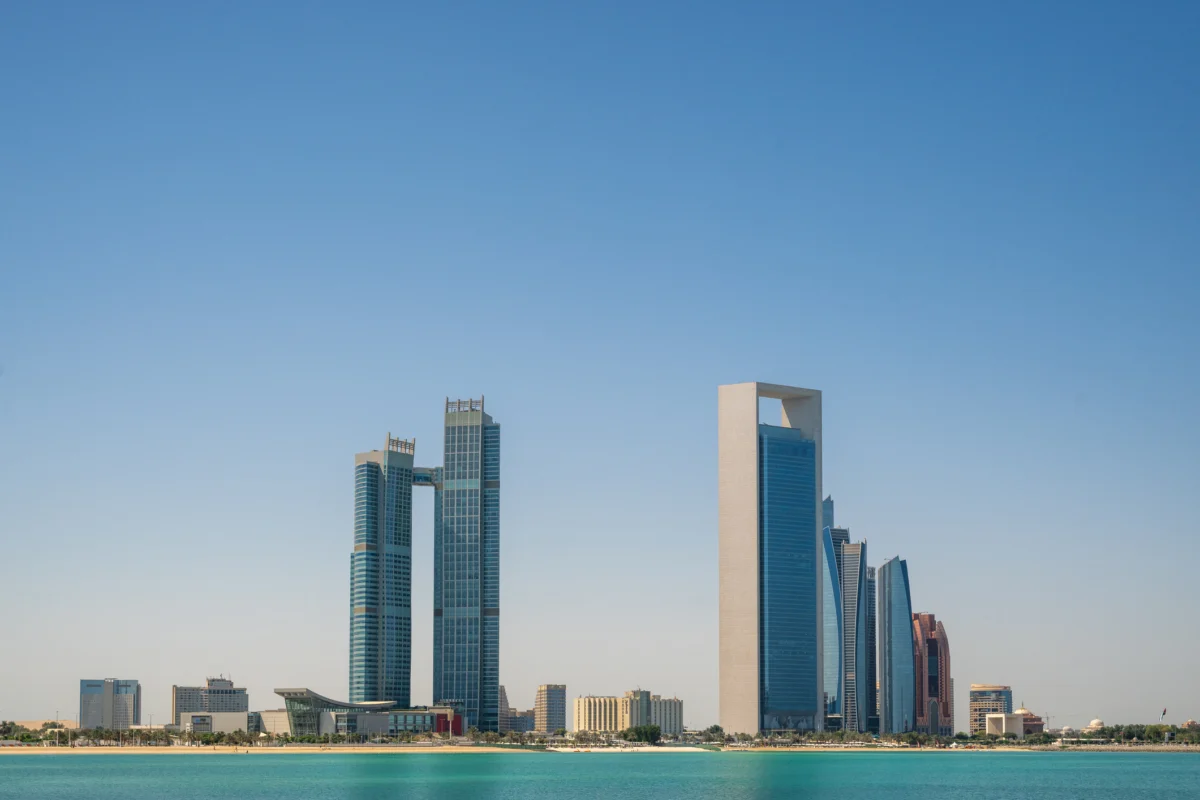
The International Chamber of Commerce (ICC) International Court of Arbitration has announced a comprehensive set of operational adjustments and safety protocols for its case management office located within the Abu Dhabi Global Market (ADGM). This strategic move comes in response to evolving regional developments in the Middle East, prioritizing the safety of ICC staff and ensuring the uninterrupted continuity of dispute resolution services for global parties, counsel, and arbitrators. As a premier institution for the resolution of international commercial disputes, the ICC’s decision to reinforce its ADGM operations reflects a broader commitment to maintaining the rule of law and procedural certainty during periods of heightened geopolitical volatility.
The Secretariat’s office in Abu Dhabi, which serves as a vital hub for arbitration across the Middle East, North Africa, and parts of Asia, is currently implementing measures designed to mitigate risks while maintaining the high standards of efficiency associated with the ICC brand. The announcement underscores a proactive approach to "business continuity," a term that encompasses everything from secure digital communications to the physical safety of personnel and the integrity of the arbitral process. By providing clear guidance to parties and legal practitioners, the ICC aims to minimize the impact of external factors on pending and future cases.
Historical Context: The ICC’s Strategic Expansion into the Middle East
To understand the significance of the current operational updates, it is essential to examine the history of the ICC’s presence in the United Arab Emirates. The ICC International Court of Arbitration opened its representative office in Abu Dhabi in 2021, marking a significant milestone in its global expansion strategy. This move was intended to bring the Court’s world-renowned services closer to its users in the MENA region, which has seen a dramatic increase in complex infrastructure, energy, and technology disputes over the last decade.
The ADGM, an international financial center and free zone, provides an ideal environment for the ICC’s operations. It operates under a legal framework based on English Common Law, offering a familiar and predictable environment for international businesses. The synergy between the ICC’s arbitration rules and the ADGM’s pro-arbitration judiciary has made Abu Dhabi a preferred seat for many international contracts. However, the region’s complex geopolitical landscape necessitates periodic reviews of operational safety. The current announcement represents the latest iteration of the ICC’s adaptive management style, ensuring that even as regional dynamics shift, the institutional framework for commerce remains robust.
Chronology of Institutional Response and Regional Evolution
The timeline of the ICC’s engagement with the Middle East reveals a steady trajectory of growth followed by the current phase of strategic resilience:
- 2017–2020: The ICC identifies the Middle East as a high-growth region for international arbitration, noting a 20% increase in cases involving parties from the UAE and Saudi Arabia.
- January 2021: The ICC officially launches its case management office in the ADGM, the first of its kind in the region, allowing for the direct administration of cases by a local Secretariat.
- 2022–2023: The office sees a surge in caseloads, particularly in the construction and energy sectors, as regional "Giga-projects" move into implementation phases.
- Late 2023 – Present: Regional security dynamics undergo significant shifts, prompting international organizations to reassess their physical and digital footprints.
- Current Update: The ICC issues formal guidance on safety and business continuity, signaling a shift toward hybrid and digital-first operations to ensure stability.
Detailed Operational Adjustments: Safety and Continuity
The ICC has categorized its current measures into four primary areas: current status, communications, new requests, and miscellaneous logistics. While the core mission remains the administration of justice, the methods of delivery have been refined to account for "exceptional backgrounds."
Current Status of ADGM Operations
The ADGM office remains operational, but with enhanced security protocols. Staffing levels are being managed to ensure that essential case management functions are covered, while non-essential physical presence may be limited depending on real-time safety assessments. This hybrid model allows the Secretariat to remain responsive to the needs of parties without exposing personnel to unnecessary risks.
Communications and Digital Infrastructure
In an era of digital transformation, the ICC has emphasized the use of its "ICC Case Connect" platform. This secure, centralized system allows parties, counsel, and arbitrators to exchange documents, track deadlines, and communicate with the Secretariat in a protected environment. By prioritizing digital over physical correspondence, the ICC reduces the reliance on local courier services and physical mail, which can be disrupted during regional instability.
Processing New Requests for Arbitration
The ICC has clarified that new requests for arbitration involving the ADGM Secretariat should be filed electronically. This ensures that the commencement of an arbitration—a critical step for tolling statutes of limitations—is not delayed by logistical hurdles. The Court’s ability to intake new cases remains unimpeded, providing a "safe harbor" for companies seeking to resolve disputes despite the surrounding uncertainty.
Hearing Logistics and Virtual Proceedings
One of the most significant shifts involves the conduct of hearings. While the ADGM offers world-class hearing facilities, the ICC is encouraging parties to consider virtual or hybrid hearings where travel or physical assembly poses a challenge. The ICC’s 2020 Note on Possible Measures Aimed at Mitigating the Effects of the COVID-19 Pandemic remains a foundational document, providing the technical and legal framework for remote testimony and electronic evidence presentation.
Supporting Data: The Rising Stakes of Arbitration in the MENA Region
The importance of maintaining the ICC’s ADGM operations is highlighted by recent statistical data. According to the ICC’s 2023 Preliminary Dispute Resolution Statistics, the MENA region continues to be a major contributor to the global caseload. Parties from the UAE, Saudi Arabia, and Qatar frequently appear in the top 20 nationalities represented in ICC arbitrations.
Furthermore, the value of disputes handled by the ICC globally often exceeds billions of dollars. In the Middle East, these disputes are frequently tied to sovereign wealth fund investments, oil and gas concessions, and large-scale urban development. Any disruption to the arbitral process could have significant economic repercussions, affecting investor confidence and delaying the resolution of multi-million dollar claims. By reinforcing its ADGM office, the ICC is effectively safeguarding the financial interests of the global business community.
Analysis of Implications for International Trade and Law
The ICC’s proactive stance has several implications for the future of international dispute resolution. First, it reinforces the concept of "institutional resilience." In a world where geopolitical "black swan" events are becoming more frequent, the ability of a legal institution to maintain operations is a key competitive advantage.
Second, the move highlights the growing importance of Abu Dhabi as a global legal hub. By choosing to adapt rather than withdraw, the ICC signals its long-term confidence in the ADGM as a stable jurisdiction. This is likely to encourage other international legal and financial institutions to maintain or even expand their presence in the UAE, viewing the current measures as a sign of institutional maturity.
Third, the emphasis on digital solutions and remote proceedings accelerates a trend that began during the pandemic. The "de-localization" of arbitration—where the physical location of the Secretariat or the hearing room becomes less important than the legal "seat" of the arbitration—is becoming a permanent feature of the landscape. This shift provides parties with greater flexibility and reduces the environmental and financial costs associated with international travel.
Official Responses and Stakeholder Reactions
While official statements from individual law firms are typically kept confidential, the broader legal community in the UAE has welcomed the ICC’s transparency. Leading arbitration practitioners in Dubai and Abu Dhabi have noted that clear communication from the Secretariat is essential for managing client expectations.
"Parties choose ICC arbitration because of the certainty and rigor it provides," noted a senior partner at a major international law firm based in the ADGM. "Knowing that the Secretariat has a robust business continuity plan in place, even in the face of regional challenges, provides the peace of mind necessary to continue choosing Abu Dhabi as a seat for high-stakes disputes."
The ADGM authorities have also reaffirmed their support for international institutions operating within their jurisdiction. The partnership between the ADGM and the ICC is seen as a cornerstone of the UAE’s "Vision 2031," which aims to position the country as a global leader in the provision of specialized legal services and a primary destination for international business.
Conclusion: Commitment to Neutrality and the Rule of Law
The International Chamber of Commerce concludes its advisory with a message of commitment and gratitude. "Against the current exceptional background, we are committed to pursuing our work with the least impact possible," the statement reads. This commitment to "the least impact possible" is a testament to the ICC’s role as an objective and neutral administrator of justice.
By prioritizing safety and continuity, the ICC ensures that the wheels of international commerce continue to turn, even when the geopolitical landscape is in flux. The measures implemented in the ADGM office serve as a blueprint for how international organizations can navigate complexity without compromising on their core mission. As the regional situation continues to evolve, the ICC’s ADGM Secretariat stands ready to provide the stable, predictable, and efficient service that the global business community has relied upon for over a century.
About the Author