The paradox of American food security is nowhere more visible than in the disconnect between the nation’s agricultural abundance and the systemic waste that occurs within its public institutions. While federal data indicates that nearly 44 million people in the United States, including one in five children, live in food-insecure households, approximately 30 to 40 percent of the country’s food supply is discarded annually. In Memphis, Tennessee, where the child poverty rate remains among the highest in the nation, a collaborative effort between the nonprofit Clean Memphis, Memphis-Shelby County Schools (MSCS), and global environmental organizations is transforming school cafeterias into laboratories for sustainability and social equity.
Through a suite of programs designed to intercept edible food before it reaches the landfill, Clean Memphis is addressing both the environmental impact of organic waste and the immediate nutritional needs of students. The initiative, which began as a series of grassroots waste audits, has evolved into a multi-layered system involving policy clarification, digital logistics, and curriculum integration. By empowering students to track their own waste and providing schools with the tools to redistribute surplus meals, the program is demonstrating that significant reductions in waste are possible through low-cost, high-impact interventions.
The National and Local Context of Food Insecurity
The economic and environmental costs of food waste in the United States are staggering. According to the Environmental Protection Agency (EPA) and the nonprofit organization ReFED, food waste costs the U.S. economy an estimated $218 billion every year. This waste represents not only a loss of financial resources but also a significant environmental burden; when food rots in landfills, it produces methane, a greenhouse gas significantly more potent than carbon dioxide in its contribution to global warming.
In Memphis, these statistics take on a more urgent human dimension. Data from the University of Memphis 2025 Poverty Fact Sheet indicates that approximately 38.8 percent of children in the city live below the poverty line. For many of these students, the meals provided through the National School Lunch and School Breakfast programs represent their only consistent source of nutrition. However, rigid federal regulations, logistical hurdles, and a lack of awareness regarding "Offer Versus Serve" (OVS) protocols have historically led to massive amounts of nutritious food being discarded by students who were either not hungry enough to finish their portions or were unaware they could decline certain items.
A Chronology of Intervention: From Audits to Action
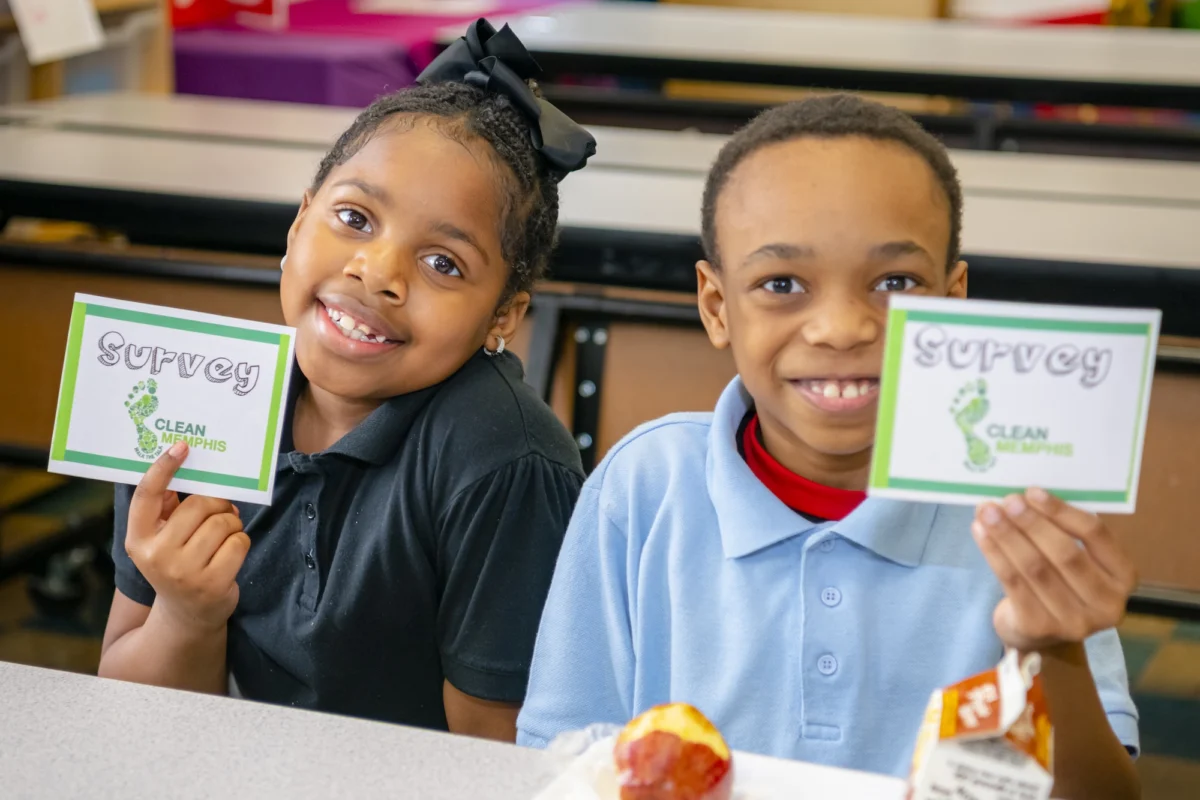
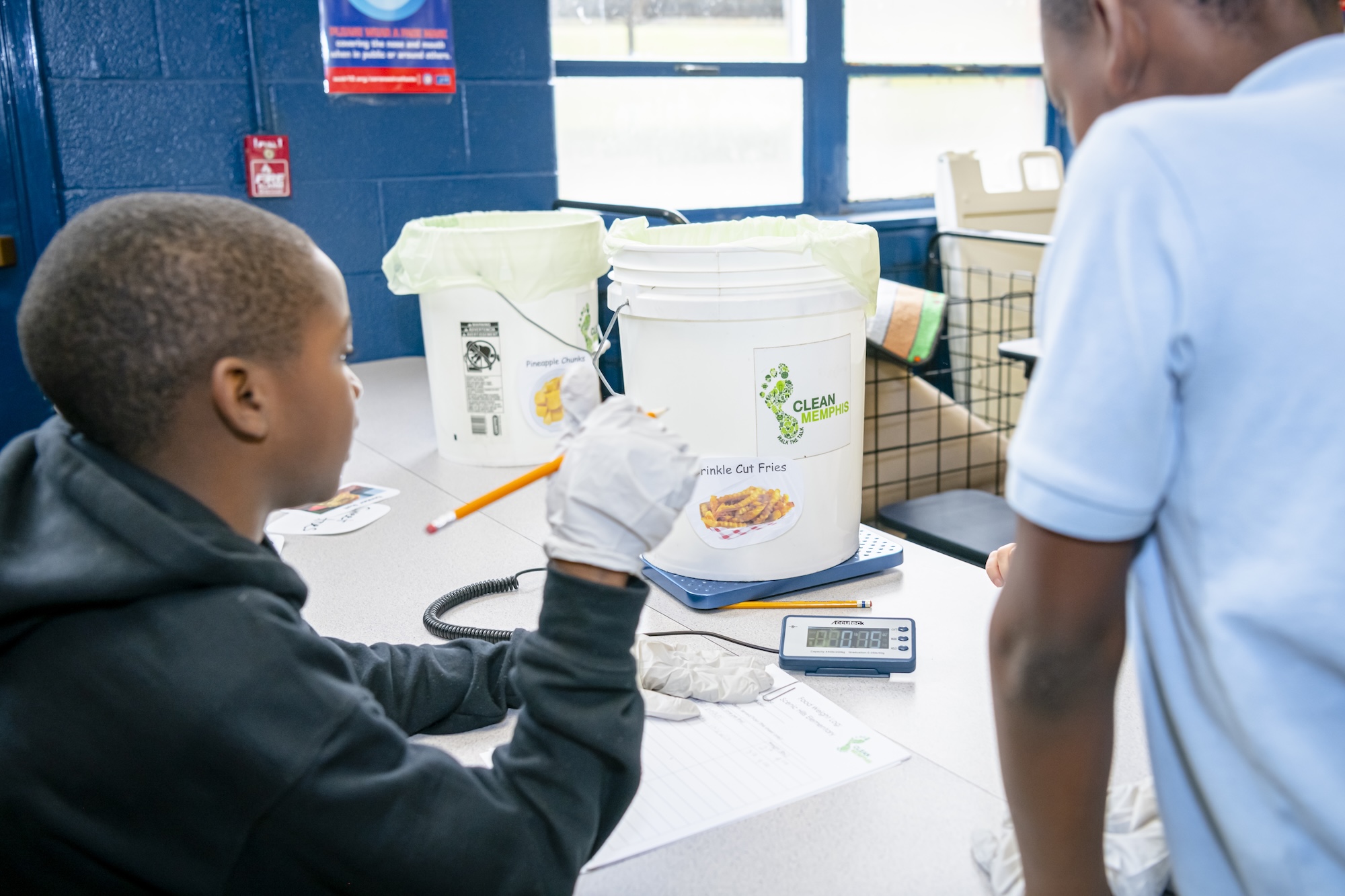
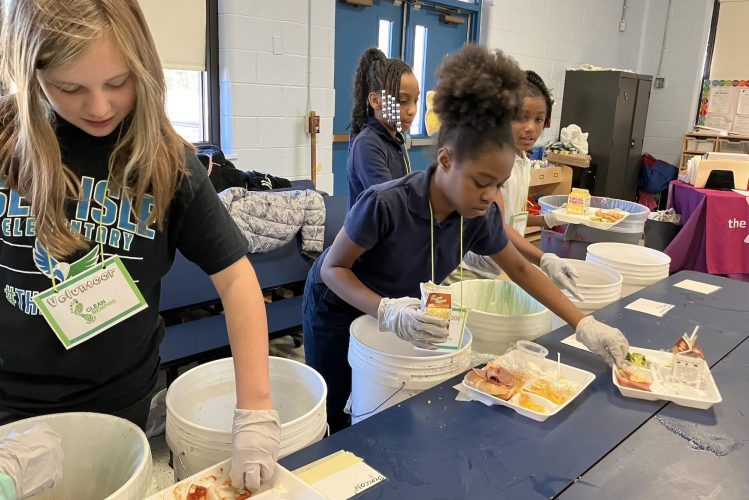
The journey toward a more efficient school food system in Memphis began in 2019. Recognizing that data is the first step toward behavioral change, Clean Memphis launched a series of waste audits focused on elementary school cafeterias. These audits were not conducted by outside consultants but by the students themselves. Fourth-grade classes were tasked with the literal job of sorting through the remains of lunch periods, separating liquid waste, unopened packages, and organic scraps into five-gallon buckets for weighing.
The results of these initial audits were revelatory. In a single meal period at one participating school, student volunteers counted over 100 unopened milk cartons destined for the trash. This discovery highlighted a systemic misunderstanding of federal nutrition guidelines. Under the USDA’s Offer Versus Serve rules, students are required to take at least three of the five food components offered, one of which must be a fruit or vegetable. However, many cafeteria monitors and students operated under the false assumption that milk was a mandatory component of every tray.
Following this discovery, Clean Memphis worked directly with the Memphis-Shelby County Schools nutrition department to reinforce the actual federal guidelines. By training staff and educating students on their right to decline milk, the program achieved a 75 percent reduction in unopened milk waste across pilot locations. This early victory provided the momentum necessary to expand the program into more sophisticated redistribution models.
Implementing Share Tables and Digital Redistribution
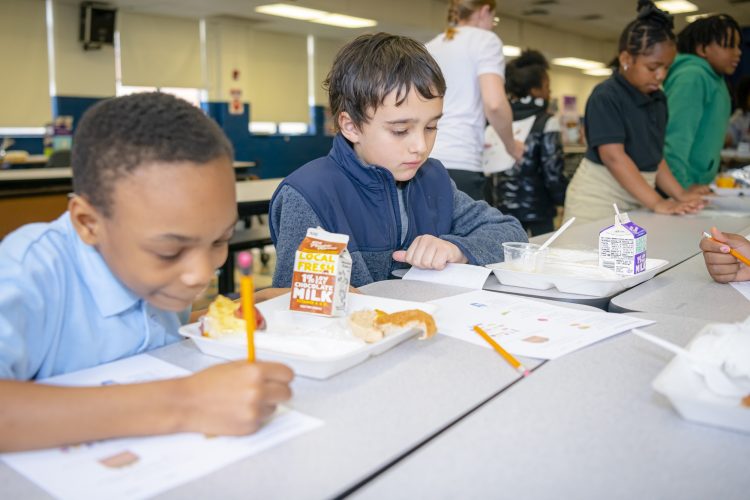
Once the "low-hanging fruit" of milk waste was addressed, Clean Memphis turned its attention to other packaged and unopened items that were still being discarded. The solution was the implementation of "share tables" at 10 pilot schools. Share tables provide a designated space where students can place unopened, shelf-stable items—such as fruit cups, crackers, or whole fruits—that they do not intend to eat. Other students who may still be hungry after finishing their meals are permitted to take items from the table for free.
While share tables effectively handle front-of-house waste during meal times, back-of-house surplus—food that was prepared but never served—required a different approach. To manage this, Clean Memphis partnered with the Natural Resources Defense Council (NRDC) and the World Wildlife Fund (WWF) to introduce "Careit," a digital platform that connects schools with a network of approximately 90 food rescue organizations throughout Shelby County.
The Careit app allows cafeteria managers to log surplus food in real-time. Local nonprofits can then claim the food and redistribute it to community kitchens, shelters, and families in need. In some instances, schools have utilized this surplus internally by installing "grab-and-go" refrigerators, allowing students to take food home at the end of the school day or access snacks between classes. This digital infrastructure has effectively bridged the gap between institutional surplus and community hunger.
Educational Integration and STEM Alignment
A unique feature of the Memphis model is its deep integration into the academic curriculum. Clean Memphis has worked to ensure that food waste reduction is not merely an extracurricular activity but a core component of the fourth-grade science and math experience. By analyzing the data collected during waste audits, students learn about percentages, weight, and volume while simultaneously exploring ecological concepts such as decomposition and the carbon cycle.
Michelle Cowan, Director of Education and Community Impact for Clean Memphis, emphasizes that the goal is to foster a generation of "systems thinkers." By understanding the journey of a single apple—from the orchard to the cafeteria and potentially to the landfill—students gain a greater appreciation for the resources required to sustain human life. This educational component ensures that the behavioral changes seen in the cafeteria are rooted in a genuine understanding of environmental stewardship.
Stakeholder Responses and Environmental Analysis
The success of the program has garnered support from a wide array of stakeholders. Environmental advocates point to the significant reduction in methane emissions as a primary benefit. When food is diverted from landfills and either consumed by students or composted, the environmental footprint of the school district shrinks.
From a policy perspective, the collaboration with MSCS nutrition staff has been cited as a model for other large urban districts. By aligning nonprofit agility with the scale of a major public institution, Clean Memphis has bypassed many of the bureaucratic hurdles that often stall sustainability initiatives. While the program currently operates with a small four-person team, the leadership at Clean Memphis, including President and CEO Nefertiti Orrin, maintains that the model is entirely scalable. The primary challenge remains capacity; as MSCS is one of the 25 largest school districts in the United States, expanding these interventions to every campus would require a significant increase in dedicated personnel and logistical support.
Broader Implications and the Path Forward
The Memphis initiative serves as a critical case study for the "Food Waste-to-Hunger" pipeline. As the USDA and EPA work toward the national goal of halving food waste by 2030, programs like those in Memphis provide a blueprint for how local communities can contribute to federal targets. The implications of this work extend beyond the borders of Tennessee; they suggest that the solution to food insecurity may not always require producing more food, but rather managing the food we already have with greater efficiency and empathy.
The future of the program depends on continued investment and the potential for the school district to institutionalize these practices. Organizers hope that as the data continues to show both cost savings for the district and improved nutritional outcomes for students, the "Memphis Model" will become a permanent fixture of the city’s educational landscape.
As the pilot programs continue to mature, the focus is shifting toward long-term sustainability. The ultimate goal is to move beyond "rescue" and toward "prevention," using the data collected by students to help cafeteria managers more accurately predict demand and adjust ordering accordingly. By closing the loop on waste, Memphis is proving that a more resilient and equitable food system starts with a single tray in a school cafeteria.
About the Author