The traditional glass wine bottle, an icon of the beverage industry that has remained largely unchanged for nearly four centuries, is currently undergoing a radical transformation as producers seek to mitigate the significant environmental costs associated with its production and disposal. In the Pacific Northwest, a burgeoning movement led by Oregon-based companies is challenging the "take-make-waste" linear model of packaging. By introducing sophisticated refillable bottle systems and reinforcing the importance of sustainable cork harvesting, these organizations are attempting to decouple the luxury of fine wine from its historically high carbon footprint.
The Evolution of Wine Packaging and the Glass Dilemma
For millennia, the storage and transport of wine were dictated by the materials available to various civilizations. Ancient producers relied on wooden barrels, wax-lined ceramic amphorae, and even treated animal skins. It was not until the 17th century that glass bottles emerged as a viable option, though they remained a luxury reserved for the elite until the Industrial Revolution. By the 19th century, mass production made glass the global standard, favored for its chemically inert properties that preserve the nuanced flavors of wine without leaching contaminants.
However, the environmental price of glass is substantial. The manufacturing process requires specialized furnaces operating at temperatures exceeding 2,700 degrees Fahrenheit (1,500 degrees Celsius), typically powered by fossil fuels. Furthermore, the weight of glass—often accounting for up to 50 percent of a filled bottle’s total weight—results in high transportation emissions. Despite glass being theoretically 100 percent recyclable, the reality in the United States is stark: only about 25 percent of glass containers are actually recycled, according to the Glass Packaging Institute. The remainder frequently ends up in landfills, where it can take upwards of a million years to decompose.
The Revino Model: Establishing a Circular Infrastructure
Recognizing that recycling alone cannot solve the wine industry’s sustainability crisis, the Oregon-based company Revino has launched a specialized infrastructure for refillable glass bottles. Unlike traditional recycling, which involves crushing glass and melting it down to create new products, the refillable model operates on a "wash and return" basis. This system, often compared to the historic "milkman model," focuses on maintaining the integrity of the original container.
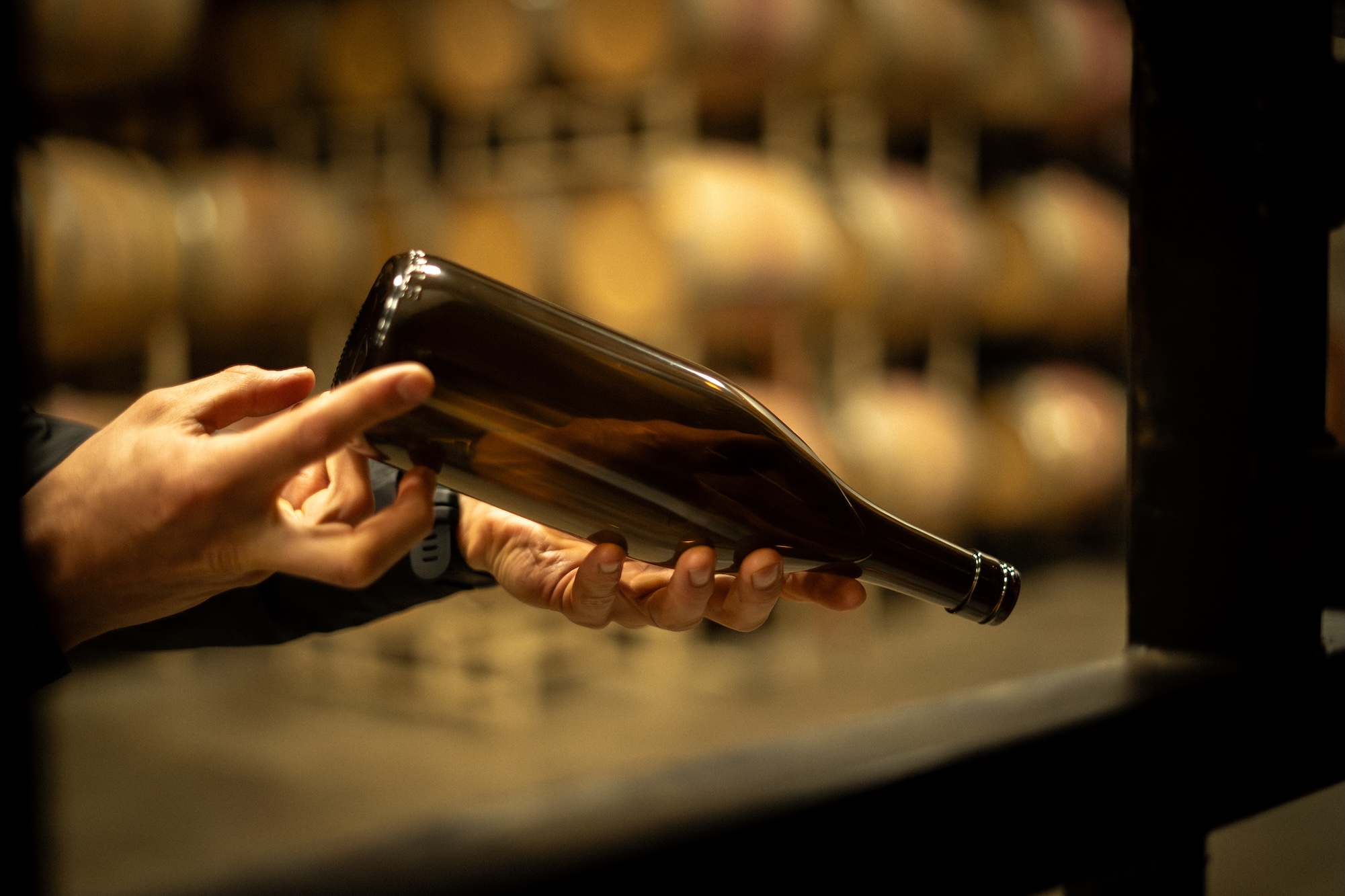
Revino’s business model centers on the production of a standardized, durable glass bottle designed to withstand multiple cycles of use. According to the company, these bottles can be collected, professionally cleaned, inspected, and redistributed to wineries up to 50 times. The environmental implications of this shift are profound; Revino estimates that utilizing refillable bottles can reduce greenhouse gas emissions by as much as 85 percent compared to the production and one-time use of conventional glass.
The success of this initiative relies on a robust regional network. Currently, the company focuses its efforts on the West Coast, establishing drop-off sites at participating tasting rooms and restaurants. By concentrating on a regional loop, Revino minimizes the fuel consumption that would otherwise be required to transport heavy glass over long distances, ensuring that the energy saved in production is not lost in logistics.
Case Study: Willamette Valley Vineyards and Strategic Adoption
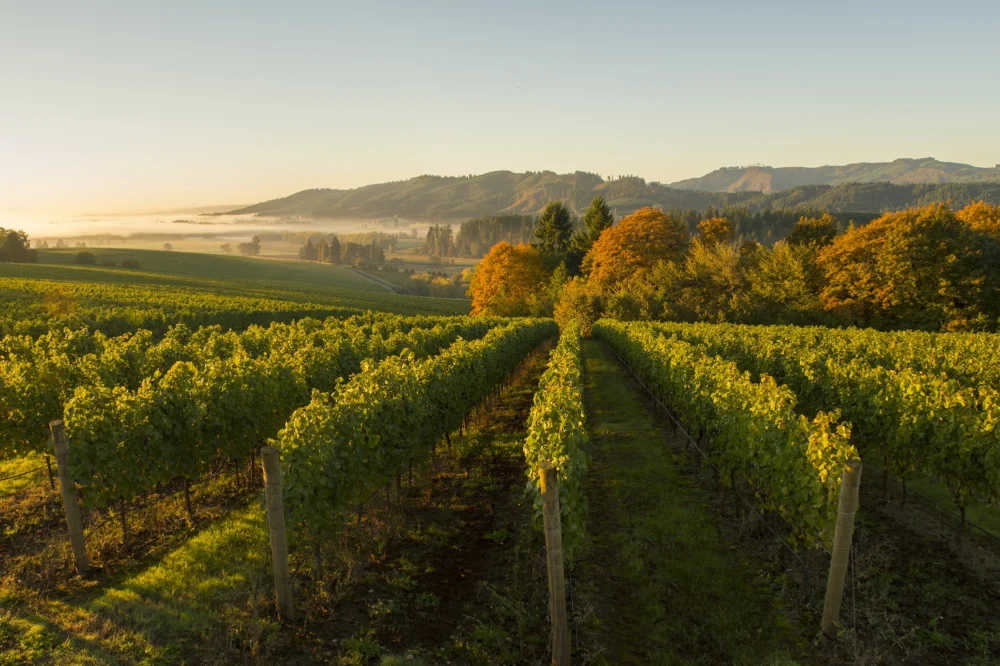
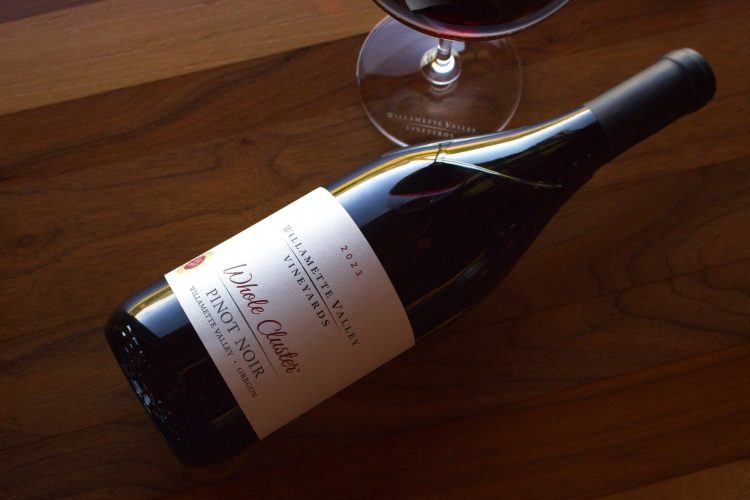
One of the primary adopters of this circular technology is Willamette Valley Vineyards, a prominent producer with a portfolio of sites across Oregon and Washington. Founded in 1983 by Jim Bernau, the winery has a long-standing history of environmental stewardship, incorporating biodynamic farming and renewable energy into its operations. For Terry Culton, the director of winemaking and vineyards at Willamette Valley Vineyards, the move toward refillable bottles was a logical extension of the company’s founding ethos.
However, the implementation of a refillable system requires a nuanced approach to distribution. Because the refillable bottles are intentionally heavier to ensure durability through multiple washing cycles, shipping them across the country can be counterproductive from a carbon standpoint. To address this, Willamette Valley Vineyards employs a dual-packaging strategy.
For local sales within Oregon, where the Revino return infrastructure is most mature, the winery utilizes refillable bottles. For national and international distribution to regions where return sites do not yet exist, the winery switches to lightweight glass bottles. These specialized containers are approximately 27 percent lighter than standard bottles, a reduction that the winery claims has saved roughly 10 metric tons of carbon emissions. This hybrid model demonstrates a pragmatic approach to sustainability, balancing the ideal of circularity with the current realities of global shipping logistics.
The Role of Sustainable Closures and Biodiversity
While the bottle represents the largest portion of a wine’s packaging footprint, the closure—the cork—plays a vital role in both preservation and environmental impact. Willamette Valley Vineyards was the first winery in the world to achieve Forest Stewardship Council (FSC) certification for its corks, a designation that ensures the material is sourced from forests managed with strict biodiversity and social standards.
The majority of the world’s natural cork is harvested from the Montado forests of Portugal and Spain. These cork oak woodlands are recognized as global biodiversity hotspots, providing essential habitats for endangered species such as the Iberian lynx and the Spanish imperial eagle. Unlike many other forms of forestry, cork production does not require the felling of trees. Instead, the bark is carefully stripped every nine to ten years, a process that allows the tree to continue growing and absorbing carbon dioxide.
"You’re not cutting the tree down to get the bark; you’re using a more sustainable process," Culton noted, emphasizing that a single cork oak can live for over 200 years, providing decades of renewable material. To close the loop on this material, the winery founded the Cork Forest Conservation Alliance in 2008. This initiative collects used natural corks and upcycles them into consumer products such as flooring, insulation, footwear, and jewelry, preventing the material from entering the waste stream and raising public awareness about forest conservation.
Overcoming Logistical and Economic Bottlenecks
Transitioning a decades-old industry to a circular model is not without significant hurdles. The primary challenge lies in the lack of existing infrastructure for large-scale bottle washing and collection. For wineries like Willamette Valley Vineyards, being an early adopter meant participating in the creation of a system that did not previously exist.
"Usually, once the programs are up and going, it’s not that much of a pain," Culton explained. "It’s more if you’re one of the first wineries doing it, you have to figure it out."
The economics of the refillable model are also closely tied to scale. For the system to be financially viable and environmentally superior, there must be a high return rate from consumers. This requires a shift in consumer behavior, moving away from the "toss and forget" mentality of recycling toward a more active participation in return programs. Furthermore, wineries must carefully calculate the "break-even" point where the energy and water used for cleaning and transporting refillable bottles become lower than the energy required to manufacture new glass.
Market Trends and the Future of Sustainable Viticulture
The shift toward sustainable packaging is increasingly supported by market data. According to the Wine Market Council, a nonprofit research organization, more than one-third of American wine consumers now factor environmental and health concerns into their purchasing decisions. This trend is particularly strong among younger demographics, who are more likely to scrutinize the carbon footprint of the products they consume.
As the U.S. wine industry faces broader economic challenges, including changing consumption patterns and climate-related harvest volatility, sustainability has become a key differentiator. Analysts suggest that the "green pour" is no longer just a niche marketing tactic but a necessary evolution for brand longevity.
The efforts in Oregon serve as a pilot for what could eventually become a national or even global standard. If companies like Revino can successfully scale their cleaning and distribution networks, and if more wineries follow the lead of Willamette Valley Vineyards in adopting flexible packaging strategies, the wine industry may finally move past its reliance on single-use glass.
Conclusion: A Blueprint for Industry Transformation
The integration of refillable bottles, lightweight glass, and FSC-certified corks represents a comprehensive strategy to address the multifaceted environmental impact of wine production. While the logistical challenges are significant, the potential rewards—an 85 percent reduction in packaging emissions and the preservation of critical forest ecosystems—provide a compelling case for industry-wide change.

By grounding sustainability in their core operations rather than treating it as a secondary consideration, Oregon’s vintners are demonstrating that tradition and innovation can coexist. As the infrastructure for reuse expands, the familiar clink of a wine bottle may soon signify not just a finished drink, but the beginning of a container’s next journey in a truly circular economy.
About the Author