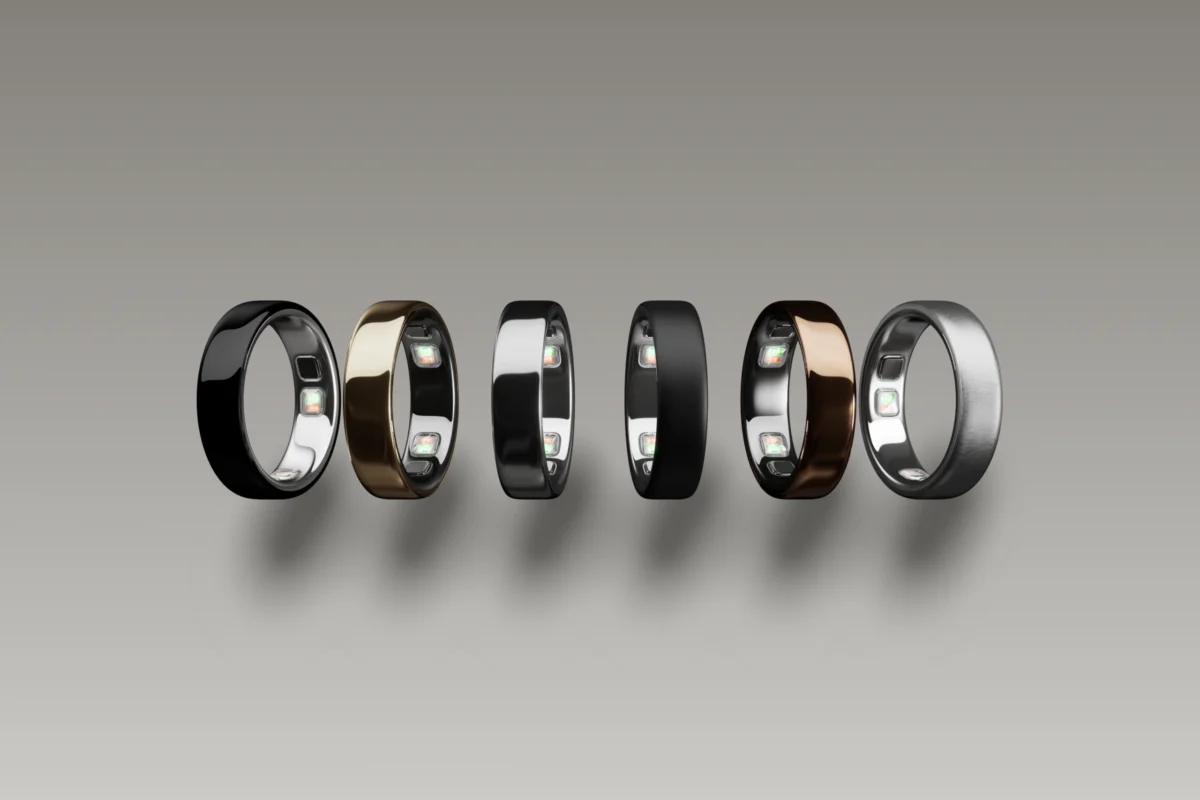
Oura, the pioneering smart ring company with dual headquarters in San Francisco and Finland, is reportedly preparing for a significant market debut, aiming to raise up to $3 billion through a U.S. Initial Public Offering (IPO) as early as next month. This ambitious move is expected to catapult the company’s valuation to over $16 billion, a substantial leap from its previous funding rounds. According to sources familiar with the matter and reported by Bloomberg, a substantial portion of shares in the offering will be sold by existing investors, signaling strong confidence in Oura’s future growth prospects.
A Meteoric Rise in Valuation
The reported $16 billion valuation represents a dramatic ascent for Oura, particularly when contrasted with its most recent private funding round. In September 2025, the company successfully closed an $875 million Series E funding round, which valued Oura at approximately $10.9 billion. This significant private investment was bolstered by prominent venture capital firms and strategic investors, including Fidelity, ICONIQ, Whale Rock, and Atreides, alongside earlier supporters such as Dexcom, The Chernin Group, Forerunner Ventures, Coatue, and Temasek. This consistent backing underscores the market’s belief in Oura’s innovative technology and its potential to disrupt the burgeoning wearables sector.
Navigating a Crowded Wearables Landscape
The wearables market has witnessed an explosive surge in competition, with major technology players and specialized startups vying for consumer attention. Samsung’s entry into the smart ring arena with its Galaxy Ring, launched two years ago, highlights the growing interest in this form factor. However, Oura’s most formidable competitor is arguably Whoop, a company that has undergone a significant strategic evolution.
Initially positioned as a performance-tracking tool for elite athletes and a younger male demographic, Whoop has strategically broadened its appeal over the past year. Its enhanced offerings now include advanced hormone tracking and blood-panel testing capabilities, specifically targeting health concerns such as perimenopause and thyroid conditions. This pivot has proven successful, contributing to Whoop’s own impressive valuation of $10 billion, achieved during its Series G fundraising round in March.
Oura has mirrored this strategic expansion, evolving from its initial niche appeal among biohacking executives to establishing itself as a mainstream brand focused on sleep optimization and recovery. This broader market penetration is crucial for sustaining its growth trajectory and justifying its high valuation in the public markets.
A Glimpse into Oura’s Financial Performance
Oura’s financial trajectory appears robust, providing a strong foundation for its IPO aspirations. The company announced in May its confidential filing for an IPO, a procedural step that allows companies to test the waters with the Securities and Exchange Commission before making their plans public.
Oura has disclosed substantial revenue figures, reporting $500 million in revenue for 2024. Projections indicate a significant doubling of this figure, with revenues reaching approximately $1 billion in 2025. Looking ahead, the company anticipates generating close to $2 billion in revenue for 2026. These figures, while impressive, are preliminary, and a comprehensive understanding of Oura’s financial health will only become available once its S-1 filing, a detailed document required for IPOs, is made public. This filing will offer investors an in-depth look at the company’s financial statements, business operations, risks, and management team.
Legal Challenges and Defense
Despite its promising market position and financial performance, Oura has recently faced legal scrutiny. A proposed class-action lawsuit, filed in San Francisco last week, accuses the company of misleading consumers regarding the accuracy of its sleep-tracking features. The lawsuit, stemming from a complaint filed by Clarkson Law Firm, alleges that Oura falsely claims to measure not just basic physiological metrics like heartbeat and temperature, but also precise sleep stages.
The legal filing contends that accurately determining sleep stages, such as REM and deep sleep, typically requires more sophisticated monitoring tools, including electrodes on the scalp and sensors near the eyes, as found in clinical sleep studies (polysomnography). The lawsuit cites Oura’s marketing and claims as deceptive, suggesting that the technology embedded in a wearable ring cannot achieve the level of accuracy attributed to it.
In response to these allegations, Oura issued a statement over the weekend, vehemently defending its technology and vowing to contest the lawsuit. A company spokesperson stated, "Oura plans to defend against them in the appropriate legal forum." The statement further clarified that while the Oura Ring is not a medical device or a substitute for a clinical sleep study, its sleep staging capabilities have been validated. Oura asserts that multiple studies, including comparisons against polysomnography, have shown favorable results for its sleep staging accuracy. The company also highlighted that independent, third-party studies support its claims, and that it has been transparent about the methodologies informing its sleep-stage analysis.
The Broader Implications of Oura’s IPO
The impending IPO of Oura carries significant implications for the wearables market and the broader health technology sector.
Market Validation: A successful IPO at such a high valuation would serve as a powerful validation of the smart ring category and Oura’s leadership within it. It could attract further investment into the space, potentially spurring innovation and competition.
Consumer Health Technology: Oura’s journey from a niche biohacking tool to a mainstream wellness device reflects a broader trend of consumers seeking more accessible and integrated ways to monitor and manage their health. Its IPO could signal a growing maturity in the consumer health tech market, moving beyond basic fitness tracking to more nuanced physiological insights.
Competitive Dynamics: The IPO will undoubtedly intensify the competitive landscape. With Oura’s increased visibility and potential access to capital, rivals like Samsung and Whoop will likely face renewed pressure to innovate and differentiate their offerings. This could lead to a rapid advancement of features and accuracy across the sector.
Investor Sentiment: The success or failure of Oura’s IPO will be closely watched by investors. A strong debut could encourage further investment in hardware-focused tech companies, while a weaker performance might temper enthusiasm for similar ventures.
Regulatory Scrutiny: The lawsuit concerning sleep-tracking accuracy highlights a potential area of increased regulatory scrutiny for wearables that make health-related claims. As these devices become more sophisticated, ensuring accuracy and transparent communication with consumers will be paramount.
A Detailed Timeline of Oura’s Growth and IPO Preparations
Understanding the context of Oura’s impending IPO requires a look at its recent history:
- Early Years & Niche Focus: Founded in 2013, Oura initially targeted early adopters and biohackers interested in optimizing performance through detailed physiological data. The smart ring offered a discreet and comfortable alternative to wrist-worn trackers, focusing on sleep, recovery, and readiness.
- Series E Funding (September 2025): Oura secured $875 million in Series E funding, valuing the company at $10.9 billion. This round saw participation from major investors, underscoring significant market confidence and fueling further product development and expansion.
- Revenue Growth Announcements (2024-2026): Throughout this period, Oura began publicly sharing its impressive revenue growth. The company reported $500 million in revenue for 2024, projected $1 billion for 2025, and anticipated nearly $2 billion for 2026, signaling a strong upward financial trajectory.
- Confidential IPO Filing (May 2026): Oura formally initiated the IPO process by filing confidentially with the SEC. This allowed the company to prepare its registration statements and gauge investor interest discreetly.
- Class-Action Lawsuit Filed (August 21, 2026): Just days before significant news of the IPO valuation emerged, Oura faced a class-action lawsuit alleging deceptive practices regarding its sleep-tracking accuracy. This legal challenge adds a layer of complexity to the IPO narrative.
- Reported IPO Plans and Valuation (Late August 2026): Bloomberg and other outlets reported on Oura’s plans to raise up to $3 billion in an IPO, with a valuation expected to exceed $16 billion, potentially occurring as early as the following month.
This timeline illustrates a company rapidly scaling its operations, achieving substantial revenue growth, and navigating significant market and legal developments in parallel. The IPO represents a culmination of years of product development, strategic market positioning, and investor confidence, albeit now shadowed by a significant legal challenge. The coming weeks will be crucial as Oura prepares to disclose more details about its business and faces the public market.
About the Author