Pie, the innovative social application founded by Bonobos co-founder Andy Dunn, has launched its new "Community Homes" feature, marking a significant evolution in its mission to foster real-life connections. This development, announced on Tuesday, introduces persistent digital spaces designed to serve as enduring hubs for social groups, offering a robust alternative to ephemeral group texts, fragmented Facebook Groups, and other conventional digital tools used for maintaining social ties. The strategic shift aims to reframe the user experience, moving from an event-centric model to one where events naturally emerge as a byproduct of established community bonds, directly addressing a growing demand for authentic, sustained social engagement in an increasingly digitally-saturated world.
The Genesis of Pie: Addressing Social Isolation with Intentionality
The inspiration behind Pie stems from a deeply personal experience of its founder, Andy Dunn. After relocating from New York to Chicago, Dunn encountered firsthand the challenges of establishing new friendships and integrating into a local community. This personal struggle resonated with a broader societal trend, particularly among younger generations, who, despite growing up immersed in digital communication, are increasingly seeking tangible, real-world connections. The years preceding and during the pandemic, characterized by heightened digital interaction and reduced physical contact, have amplified feelings of social isolation and a yearning for authentic, in-person social experiences.
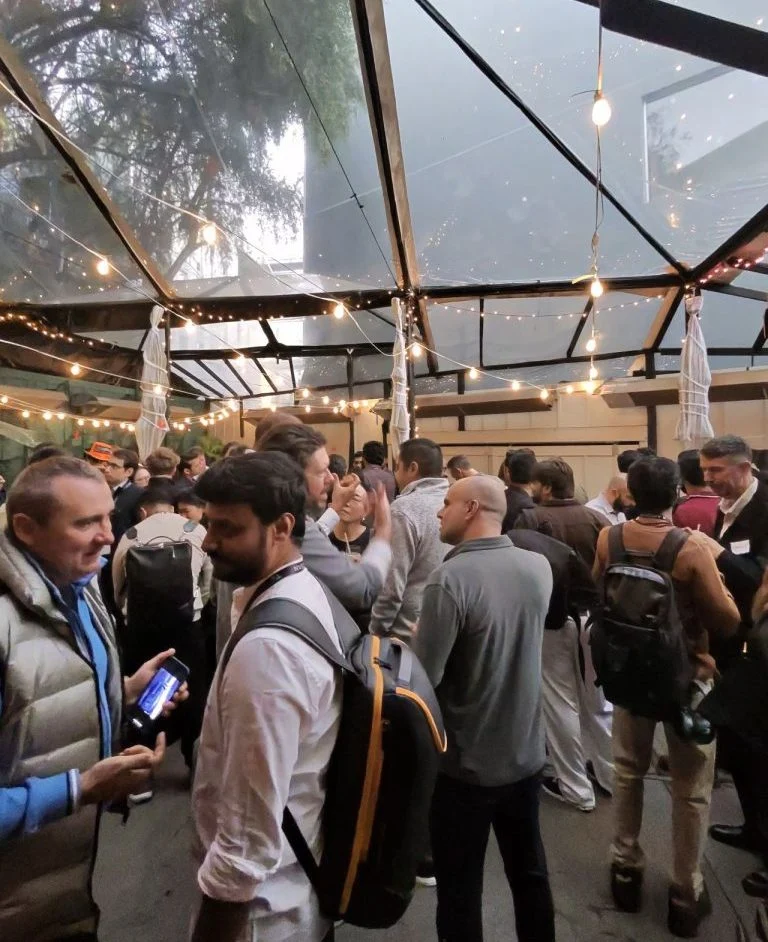
Dunn observed a burgeoning cultural movement, especially among Gen Z, towards the formation of interest-based social clubs. From "run clubs" that combine fitness with camaraderie, to "art markets" fostering creative exchange, and "watch parties" for shared entertainment, these grassroots initiatives underscore a collective desire to be together again. Recognizing this powerful undercurrent, Dunn envisioned a digital platform that could not only facilitate these gatherings but also provide the underlying infrastructure for these social clubs to thrive and deepen their connections. He articulated this vision, describing Pie as a "Reddit for IRL," a platform designed to create an environment and ecosystem where individuals can "start to run into other people and belong to communities and start to have deeper connections." This foundational philosophy underpins Pie’s ongoing development and its latest feature launch.
A Chronology of Pie’s Evolution: From Events to Community

Pie’s journey began as an event-focused application in Chicago, seeking to simplify the organization and discovery of local happenings. However, the team quickly recognized that while events were a catalyst for connection, the true value lay in the sustained relationships formed around those events. This realization prompted a series of strategic pivots, gradually shifting the app’s emphasis from transient gatherings to lasting community building.
- Initial Conception (Early Stages): Pie launched as an event-discovery and organization app, primarily focusing on bringing people together for one-off activities. This initial phase allowed the team to gather valuable insights into user behavior and the dynamics of real-world social interaction.
- December (Previous Year): A significant update was rolled out, altering the activity feed to prioritize the social graph over event listings. Instead of merely announcing events, the feed began showcasing who a user knew was attending a particular event. This seemingly minor change had a profound impact on user engagement, with the average time spent on the app reportedly increasing from 2 minutes to an impressive 10 minutes. This data point validated the hypothesis that users were more interested in connecting with familiar faces and potential new friends than just browsing events in isolation.
- More Recently (Prior to "Community Homes"): Pie introduced a "favorites" feature, empowering users to enrich their public profiles by listing their preferred interests. This enhancement aimed to facilitate more organic connections based on shared passions, moving beyond simple event attendance to foster deeper, more meaningful interactions. By allowing users to express their identities and interests more fully, Pie began laying the groundwork for more robust community formation.
- Tuesday’s Launch: "Community Homes": The culmination of these strategic shifts is the introduction of "Community Homes." This feature represents Pie’s most ambitious step yet towards becoming a true platform for sustained community engagement. It transforms the app from a tool for finding events into a permanent digital anchor for social groups, where events are a natural extension of ongoing relationships rather than the sole purpose of interaction.
- Future Roadmap: Pie’s development trajectory continues with plans to integrate additional features designed to enhance community interaction further. These include the imminent addition of dedicated group chats, which will provide a more direct and immediate communication channel for community members. Furthermore, the company plans to introduce a feature allowing members to post more casual "bids for connection." This could range from a simple query like, "Anyone want to hang out and craft together?" to a spontaneous invitation such as, "Who’s watching the ‘Love Island reunion’ tonight?" These features aim to lower the barrier to interaction, encouraging more organic, less structured social engagements within established communities.
Dissecting "Community Homes": A New Paradigm for Group Interaction
The "Community Homes" feature is meticulously designed to provide a comprehensive, intuitive, and engaging platform for group management and interaction. Each "home" functions as a dedicated digital space for a community, offering a suite of tools that surpass the capabilities of traditional group communication methods.
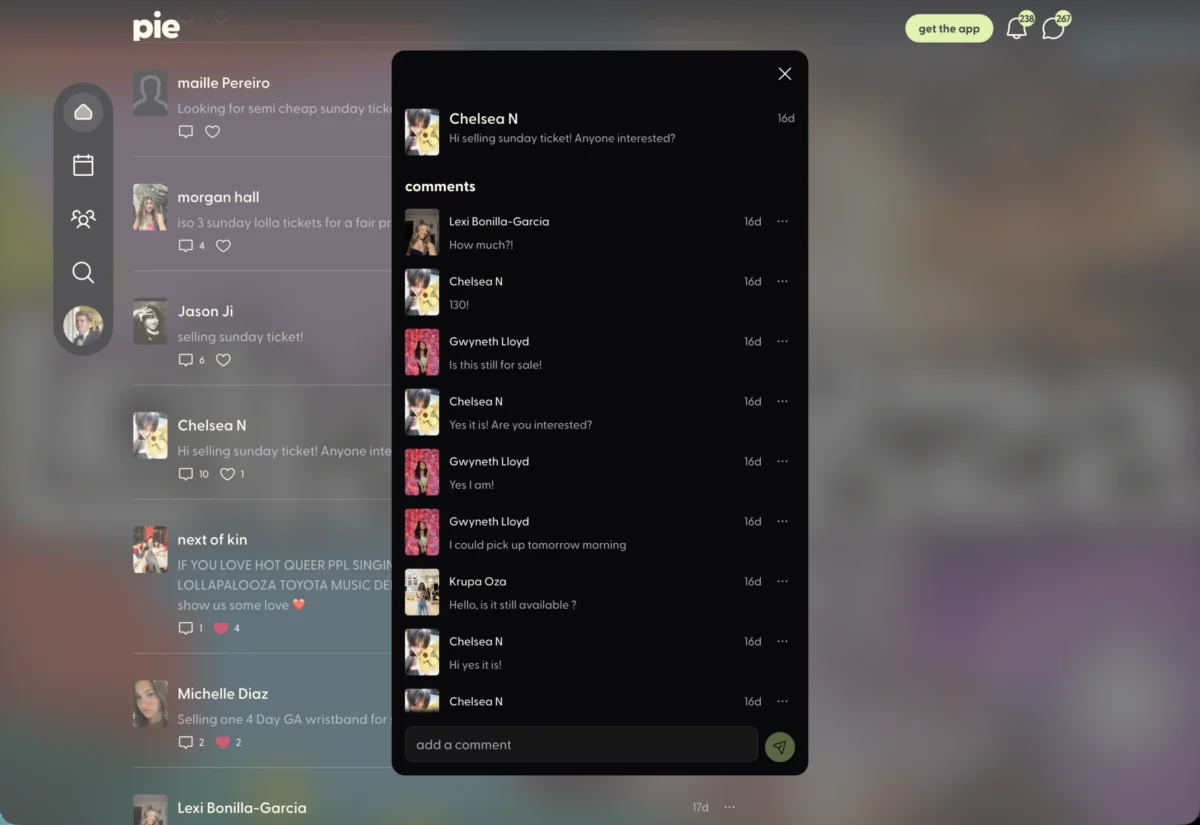
At its core, each Community Home features its own community feed, serving as a central hub for all group-related updates, discussions, and shared content. This feed is designed to be dynamic and inclusive, moving beyond a top-down administrative model. A key differentiator is that anyone within the group, not just administrators, can share events to the feed. This democratic approach is intended to foster more natural networking and peer-to-peer engagement, empowering all members to contribute to the group’s vibrancy and activity.
Beyond the feed, Community Homes are equipped with essential group management tools. These include robust admin and membership controls, allowing organizers to define roles, manage access, and curate the group’s composition. Each community also boasts a shareable homepage, making it easy for existing members to invite new ones and for prospective members to discover and learn about the group. Furthermore, integrated event-planning resources streamline the process of organizing and promoting gatherings, ensuring that the logistical aspects don’t overshadow the social purpose.
This comprehensive suite of features positions "Community Homes" as a superior alternative to existing solutions. While group texts are convenient for immediate communication, they lack structure, permanence, and discoverability. Facebook Groups offer some community features but are often embedded within a broader, distracting, and sometimes "toxic" social media environment, as Nadya Okamoto, Pie’s co-founder and CMO, suggests. Similarly, platforms like Meetup are excellent for event discovery but may not foster the same depth of ongoing community interaction that Pie aims to provide. By consolidating these functionalities into a dedicated, purpose-built environment, Pie seeks to create a digital space that truly facilitates and enhances real-world social bonds.

Investor Confidence and Market Traction
Pie’s innovative approach to combating social isolation has garnered significant attention and financial backing from prominent investors. The startup is supported by leading venture capital firms including Forerunner, Lightspeed, and Accel, signaling strong confidence in its market potential and strategic vision. Additionally, angel investors such as Twitter co-founder Ev Williams have invested in Pie, lending further credibility and expertise to the venture. This robust financial backing provides Pie with the resources necessary to scale its operations, enhance its features, and expand its reach.
Currently, Pie has grown to an impressive user base of approximately 300,000 individuals. While the app is available globally, it has demonstrated stronger traction in key metropolitan areas, including Chicago, New York, and Los Angeles. These cities, known for their diverse populations and active social scenes, provide fertile ground for Pie’s community-centric model. The concentrated user bases in these markets allow for more effective network effects and the organic growth of varied social groups, from niche hobbyists to broad interest communities. The sustained growth and engagement observed in these areas further validate Pie’s value proposition and its ability to meet a tangible social need.
Leadership and Vision: A "Reddit for IRL" Without the Toxicity
The strategic evolution of Pie has been further bolstered by the addition of key leadership. Nadya Okamoto, known for founding the popular "Zoomies" run club in New York, has joined Pie as a co-founder and Chief Marketing Officer (CMO). Okamoto’s direct experience in building and nurturing a successful real-world community provides invaluable insight and authenticity to Pie’s mission. Her background perfectly aligns with the app’s goal of fostering tangible connections, embodying the very spirit of the social clubs Pie aims to support.
Okamoto articulates Pie’s unique positioning in the social media landscape, drawing a clear distinction from existing platforms. She describes Pie as more akin to "the original promise of Facebook and Reddit — if it wasn’t anonymous and toxic." This statement highlights Pie’s commitment to creating a positive, safe, and authentic environment for interaction, in contrast to the often-criticized aspects of anonymity and negativity prevalent on some large social networks. Her emphasis underscores Pie’s core philosophy: "Rather than leading with events, which is what so many other great platforms do, I think events are more a product of having a great community-building ecosystem on the app." This vision solidifies Pie’s dedication to prioritizing the relationships and shared identities within a group, viewing events as natural extensions of those bonds rather than isolated occurrences.

Broader Impact and Implications for the Social Landscape
The launch of "Community Homes" by Pie carries significant implications for both its users and the broader social technology landscape.
For Users: The primary beneficiaries are individuals seeking to forge deeper, more meaningful real-world connections. In an era marked by increasing digital fatigue and concerns about social isolation, Pie offers a structured yet flexible solution. It empowers users to move beyond superficial online interactions, providing a dedicated space where shared interests can blossom into genuine friendships and sustainable communities. This could be particularly impactful for newcomers to cities, individuals with niche hobbies, or those simply looking to expand their social circles in a curated and intentional manner. The shift from event-focused to community-focused interaction can lead to a more fulfilling social life, fostering a sense of belonging that many traditional social media platforms struggle to provide.
For the Social App Landscape: Pie’s innovation could serve as a catalyst for change across the industry. By demonstrating the efficacy of a community-first, IRL-focused approach, Pie challenges the dominant paradigms of engagement that often prioritize endless scrolling and passive consumption. Other social platforms, witnessing Pie’s traction and the clear demand for authentic connection, may be compelled to integrate similar features or rethink their strategies to better facilitate real-world community building. This could lead to a broader industry trend towards more intentional social design, where digital tools are leveraged to enhance, rather than replace, human connection.
Potential Challenges and Future Outlook: While promising, Pie’s journey is not without its challenges. Scaling community moderation to maintain a positive and safe environment as the user base grows will be crucial. Ensuring discoverability for diverse communities without overwhelming users, and effectively competing with the network effects of established platforms, will require sustained innovation and strategic execution.
Ultimately, Pie’s "Community Homes" feature represents a forward-thinking response to a pressing societal need. By providing dedicated digital infrastructure for real-world communities, Pie is not just launching a new feature; it is advocating for a renewed emphasis on human connection, fostering an ecosystem where shared interests lead to genuine belonging, one community at a time. This initiative holds the potential to redefine how people connect in the modern era, leveraging digital tools to bridge the gap between online interaction and tangible, enriching real-life experiences.
About the Author