Washington D.C. – The Internal Revenue Service (IRS) and the U.S. Department of the Treasury have jointly proposed new regulations designed to clarify the operational framework for "Trump Accounts," a novel savings initiative aimed at providing eligible young citizens with a head start on their financial futures. The proposed rules, announced on August 20, 2026, seek to encourage investment in low-fee mutual funds and exchange-traded funds (ETFs), enabling participants to benefit from tax-deferred compound earnings over extended periods.
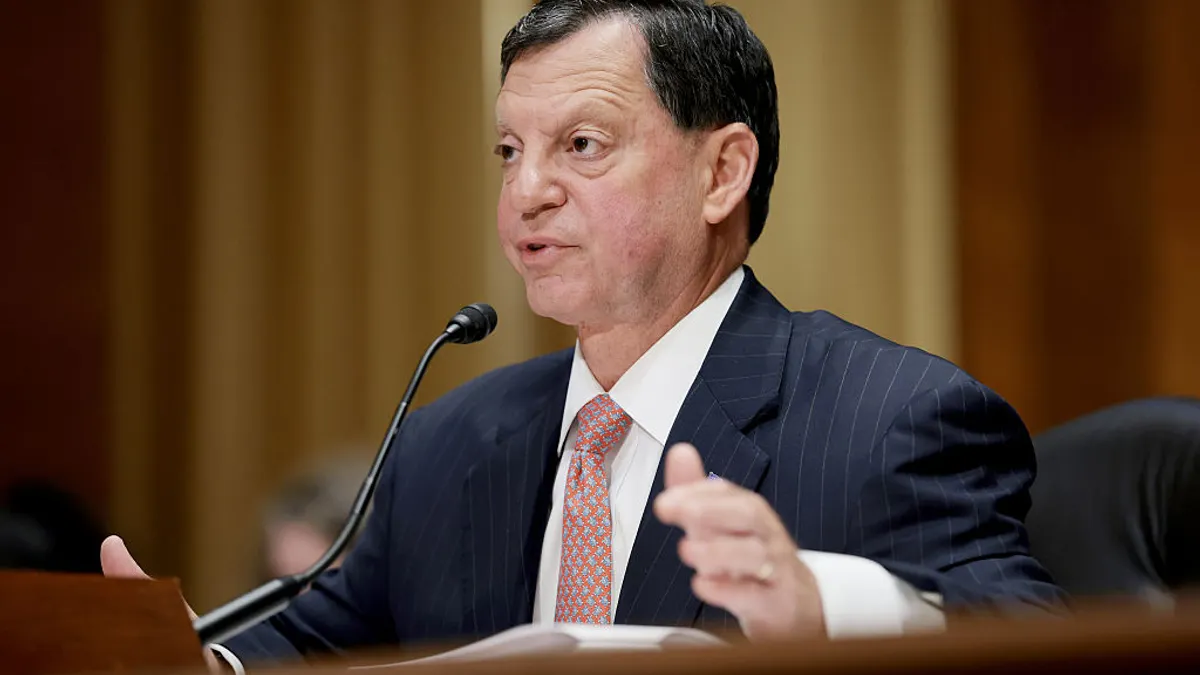
IRS CEO Frank Bisignano articulated the core objective of these regulations, stating in a released statement, "These proposed regulations will provide clarity for trustees and beneficiaries of Trump Accounts, thus encouraging eligible participants to invest in low-fee mutual funds and ETFs that will grow on a tax-deferred basis potentially over their entire lives." This initiative is part of a broader governmental effort to address growing concerns about long-term financial preparedness among younger generations.
Genesis and Structure of Trump Accounts
Also referred to as 530A accounts, the Trump Account program was established under legislation signed into law by President Donald Trump. The program specifically targets U.S. citizen children born between January 1, 2025, and January 1, 2029. As a foundational incentive, each eligible child will receive an initial contribution of $1,000 from the federal government, operating as a pilot program. This initial seed funding is intended to demystify the process of investing and to provide an immediate tangible benefit, encouraging early engagement with the savings mechanism.
The legislation underpinning Trump Accounts was developed in response to increasing anxieties surrounding the future retirement prospects of younger Americans. Data from the period leading up to these regulations indicated a widening gap in perceived financial security. For instance, a 2026 survey conducted by Zety revealed that a significant portion of Generation X, often considered the bridge between Baby Boomers and Millennials, expressed pessimism about their retirement outlook. Specifically, 19% of Gen Xers indicated they did not expect to fully retire, while another 19% planned to continue working beyond the age of 68, citing rising living costs as a primary concern. This demographic’s financial stress was further underscored by their proactive measures: 34% reported increasing their savings or contributions, and 16% were actively adjusting their investment strategies, according to the same report.
Navigating the Regulatory Landscape
The proposed regulations aim to simplify the administrative and investment aspects of Trump Accounts, thereby enhancing their attractiveness to both beneficiaries and their guardians or trustees. By providing clear guidelines, the IRS and Treasury anticipate that financial institutions will be better equipped to offer compliant and accessible investment products. The emphasis on low-fee mutual funds and ETFs is a strategic choice, designed to maximize the long-term growth potential of the invested capital by minimizing the impact of management fees. This focus aligns with established financial planning principles that advocate for cost-effective investment vehicles to achieve superior compounding returns.
The IRS’s announcement highlights the crucial role of tax deferral in the growth of these accounts. Funds invested within Trump Accounts are intended to grow without immediate taxation, allowing earnings to accumulate and generate further earnings. This compounding effect, when applied over the extended timelines available to young beneficiaries, can lead to substantial wealth accumulation. As Bisignano noted, the goal is to enable these children to "enjoy years of compound earnings for their future college, retirement and other needs."
Broader Context of Financial Wellness
The introduction of Trump Accounts and the associated regulatory proposals occur against a backdrop of widespread financial anxiety across the American workforce. A comprehensive 2026 Employee Financial Wellness Survey conducted by PwC revealed that 59% of respondents reported experiencing significant stress related to their finances. Furthermore, a concerning 52% of these individuals felt inadequately prepared to plan for long-term financial goals.

PwC’s research also pointed to a critical need for accessible and non-judgmental financial guidance. The report emphasized that "Employees who are stressed about their finances are more likely to be embarrassed to ask for financial guidance." This sentiment suggests that traditional avenues for financial advice may not be reaching those who need them most. The survey further indicated a growing openness among some employees to leverage technology, with a slight majority finding AI tools more effective for financial planning assistance.
In this environment, the Trump Account initiative can be viewed as a proactive step by the government to establish a secure and straightforward entry point into long-term savings and investment for a specific demographic. By providing a government-backed framework and initial capital, the program aims to overcome some of the barriers, such as lack of knowledge or initial capital, that often hinder individuals from starting their financial planning journey.
Employer Engagement and ERISA Considerations
While the Trump Account program is primarily designed for individual children, its broader implications for employer-sponsored retirement plans and the overall financial ecosystem are being assessed. Industry observers have noted that employer adoption of Trump accounts is not yet widespread. A key factor contributing to this is the potential exclusion of these accounts from the Employee Retirement Income Security Act (ERISA). ERISA provides a robust framework of protections for participants in employer-sponsored retirement plans, including fiduciary responsibilities for plan sponsors and disclosure requirements. The absence of ERISA coverage for Trump Accounts may lead employers to exercise caution in integrating them into their broader benefits offerings, particularly concerning fiduciary liability.
The distinction between government-initiated savings programs and employer-sponsored plans is significant. Employer plans, such as 401(k)s, are subject to stringent regulatory oversight designed to safeguard employee retirement assets. The Trump Account, being a direct federal initiative for individuals, operates under a different set of rules. This difference in regulatory oversight could influence how employers perceive their role, if any, in promoting or facilitating participation in these accounts.

Future Outlook and Potential Impact
The long-term success of the Trump Account initiative will depend on several factors, including the effectiveness of the proposed regulations in fostering clear investment pathways, the continued commitment of the federal government to the program, and the evolving financial literacy and engagement of young Americans and their families. The initial $1,000 contribution is designed as a catalyst, but sustained growth will necessitate ongoing contributions, either from individuals, families, or potentially through future legislative enhancements.
The IRS’s stated goal is to empower a new generation with the tools and opportunities to build financial resilience. By encouraging early and consistent investment, the program aims to mitigate the financial challenges that have plagued previous generations, such as those highlighted by the Gen X retirement concerns. The success of this pilot program could serve as a blueprint for future financial empowerment initiatives, potentially influencing how savings and investment are approached for younger demographics in the years to come.
The proposed regulations are now open for public comment, a standard procedure that allows stakeholders, including financial institutions, consumer advocacy groups, and the general public, to provide feedback. This input will be crucial in refining the final rules and ensuring that the Trump Account program is both effective and equitable, ultimately contributing to the long-term financial well-being of the nation’s youth. As IRS CEO Bisignano concluded, the overarching vision is to equip American children with the means to "start investing now and enjoy years of compound earnings for their future college, retirement and other needs," thereby fostering a more financially secure future for all.
About the Author