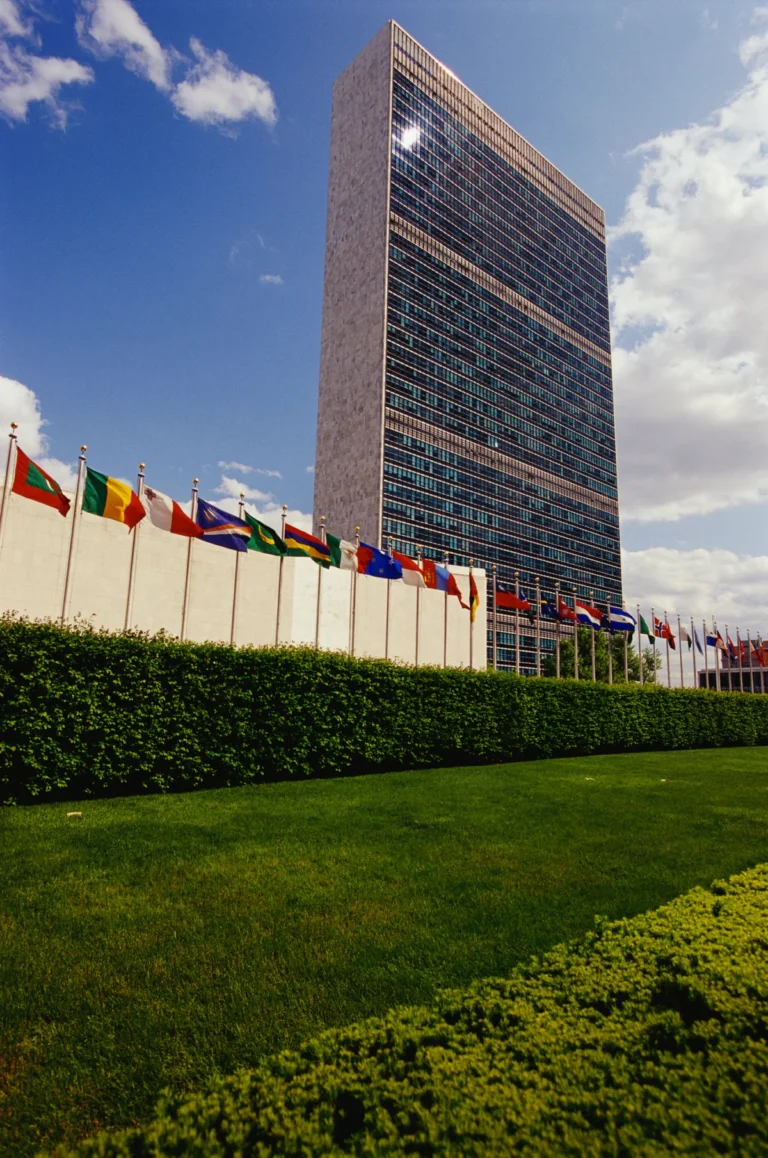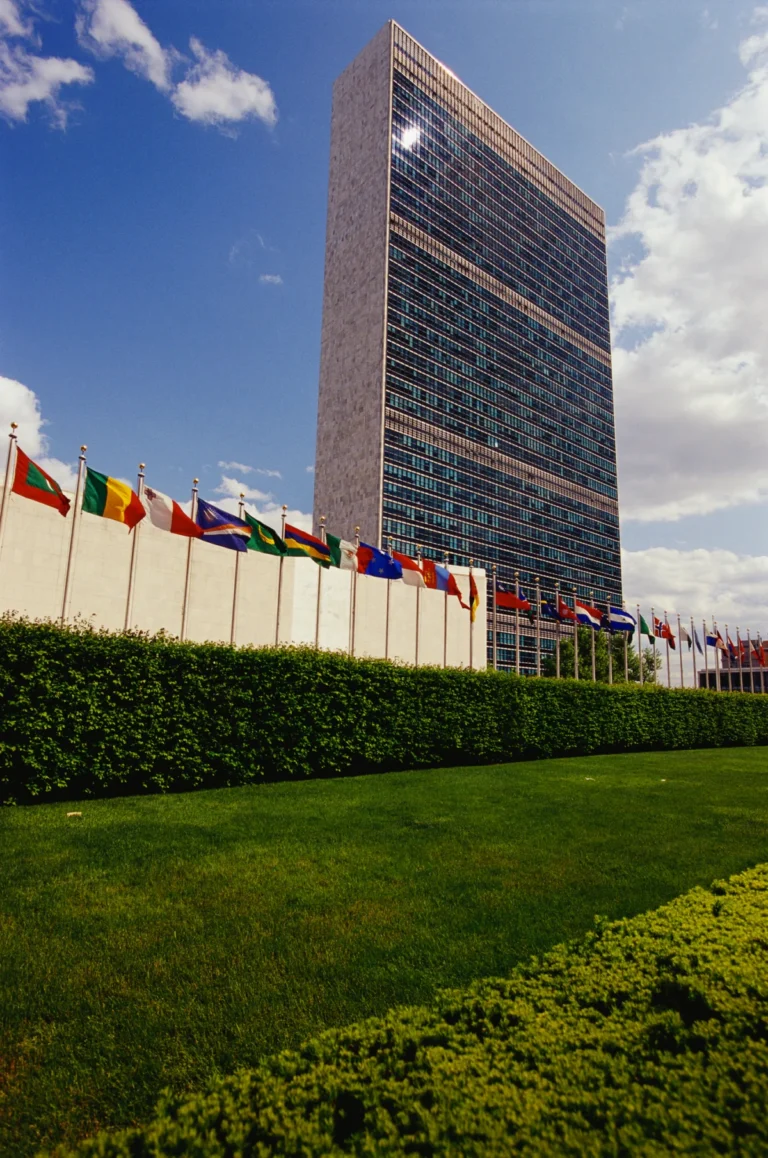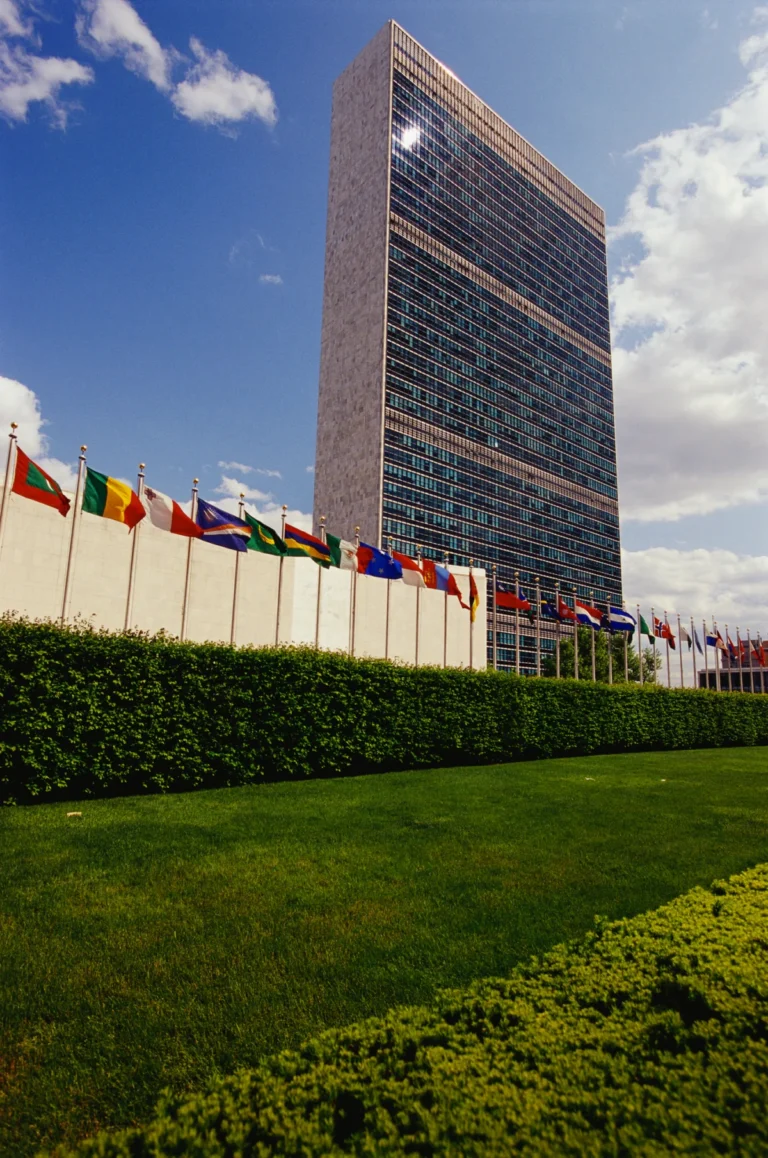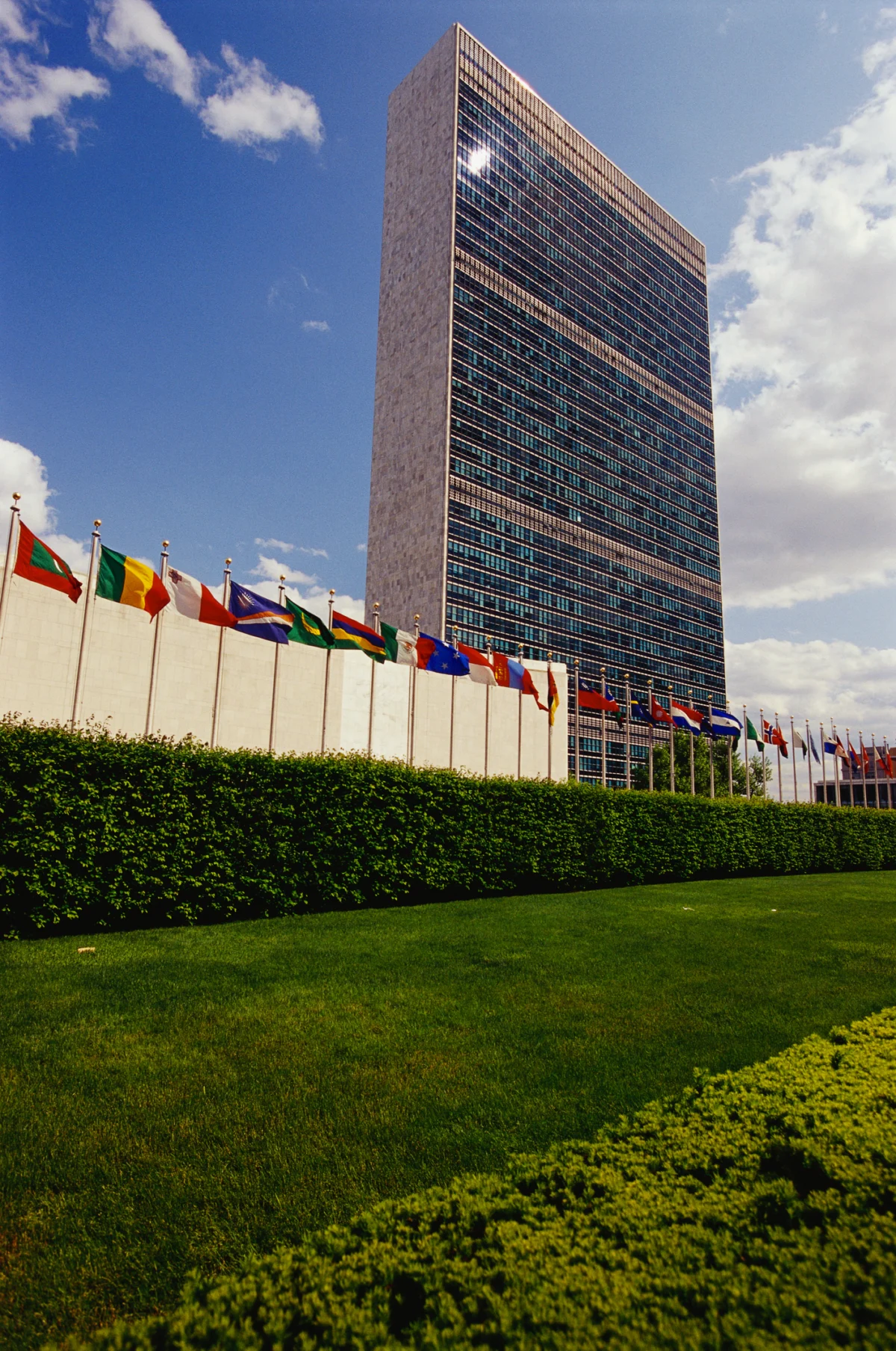
In a high-level diplomatic gathering on the sidelines of the United Nations General Assembly, John Denton, the Secretary General of the International Chamber of Commerce (ICC), delivered a stark warning regarding the fragile state of global food systems. Addressing a room of senior officials that included the European Union’s High Representative for Foreign Affairs and Security Policy, Josep Borrell, as well as foreign ministers from more than 25 nations and top United Nations humanitarian leaders, Denton emphasized that international trade is not merely a commercial endeavor but a vital humanitarian instrument. His remarks centered on the urgent need to restore stable trade routes in the Black Sea, arguing that the disruption of these corridors creates a ripple effect of instability that threatens the survival of the world’s most vulnerable populations.
The address comes at a pivotal moment for global logistics. Since the expiration of the Black Sea Grain Initiative (BSGI) in July 2023, the international community has struggled to find a sustainable mechanism to ensure the safe passage of agricultural exports from Ukraine, one of the world’s primary breadbaskets. Denton’s speech served as both a retrospective on the successes of 2022 and a call to action for the immediate future, highlighting that the window for preventive action is rapidly closing as storage capacities in conflict-affected regions approach their limits.
The Success and Suspension of the Black Sea Grain Initiative
To understand the urgency of Denton’s message, it is necessary to examine the impact of the Black Sea Grain Initiative. Brokered in July 2022 by the United Nations and Turkey, the agreement was designed to alleviate a global food crisis exacerbated by the blockade of Ukrainian ports. Before the conflict, Ukraine accounted for roughly 10% of the world’s wheat market, 15% of the corn market, and nearly 50% of the global sunflower oil trade.
According to data cited by the ICC and verified by UN monitoring bodies, the BSGI enabled the export of nearly 33 million tonnes of grain and food products over its year-long duration. This volume was instrumental in stabilizing global commodity markets. By the time the initiative was in full swing, the UN Food and Agriculture Organization (FAO) Food Price Index had begun a steady decline from its record peaks in March 2022.
The initiative did more than move physical goods; it restored market confidence. Shipping companies, insurers, and commodity traders—represented globally by the ICC—require a degree of predictability to operate in high-risk zones. The BSGI provided the political and legal framework necessary for the private sector to re-engage with Ukrainian exports. Denton noted that the ICC’s involvement as a member of the UN Global Crisis Response Group allowed for a "practical perspective" to be integrated into the diplomacy, ensuring that the humanitarian corridors were operationally viable for the vessels required to move such massive quantities of cargo.
Convergence of Risks: A Multi-Front Food Security Crisis
While the Black Sea remains a focal point of concern, Denton’s address pointed to a "convergence of risks" that threatens to create a "perfect storm" for global food security. He identified three primary drivers of current industry anxiety: the ongoing blockade of Ukrainian ports, disruptions in the Strait of Hormuz, and the looming environmental impact of El Niño.
The Strait of Hormuz is a critical artery for global trade, particularly for energy and fertilizers. Any instability in this region compounds the costs of agricultural production worldwide. Simultaneously, the return of El Niño conditions—a climate pattern characterized by the warming of surface waters in the eastern Pacific Ocean—is expected to disrupt traditional weather patterns. Historically, El Niño has led to severe droughts in Southeast Asia and Australia, and excessive rainfall in parts of the Americas, all of which threaten the yields of staple crops like rice, sugar, and soy.
Denton argued that the full effects of these disruptions are "lagging indicators." While global markets may seem relatively stable in the immediate term, the reduction in fertilizer availability and the shift in climate patterns will manifest in reduced harvests and tighter supplies in the coming months. This delayed impact is why the ICC is advocating for "early, coordinated preventive action" rather than waiting for a full-scale crisis to materialize.
The Six-Week Countdown: Storage Capacity and Harvest Cycles
One of the most pressing technical details highlighted by Denton is the impending storage crisis in Ukraine. As the harvest season progresses, the lack of viable export routes means that grain is accumulating in inland silos and temporary storage facilities. ICC networks on the ground in Ukraine have reported that storage capacity is likely to be reached within the next six weeks.
If grain cannot be moved out of the country, there will be no room to store the incoming harvest. This leads to a catastrophic waste of food and a financial ruin for farmers who cannot sell their products. Furthermore, if farmers cannot clear their current stock and secure revenue, they will lack the capital to purchase seeds and fertilizers for the next planting season, ensuring that the food shortage persists into the following year.
The ICC’s message to the UNGA delegates was clear: the logistics of global food security are governed by the rigid timelines of nature and infrastructure. A delay in diplomatic resolution today translates directly into a lack of bread on tables six months from now in regions such as East Africa and the Middle East, which rely heavily on Black Sea imports.
Strategic Implications and the Role of the Private Sector
The ICC, representing over 45 million companies in over 100 countries, views the reopening of the Black Sea as a commercial necessity with profound humanitarian implications. Denton emphasized that any proposed solution must be "commercially workable and operationally practical." This refers to the complex web of maritime insurance, banking transactions, and shipping logistics that must function in harmony for trade to flow.
Inferred reactions from the diplomatic community suggest a shared concern but a struggle with implementation. EU High Representative Josep Borrell has frequently stated that the weaponization of food is "unacceptable," and the EU has worked to expand "Solidarity Lanes"—rail and road routes through Europe—to help move Ukrainian grain. However, these land routes are significantly more expensive and have lower capacity than maritime transport.
UN humanitarian leaders, including representatives from the World Food Programme (WFP), have noted that the cost of their operations increases significantly when grain prices rise or when they are forced to source food from more distant markets. The WFP previously sourced a significant portion of its wheat for emergency aid from Ukraine because of its proximity to Africa and the Middle East and its competitive pricing.
A Call for Preventive Diplomacy
The core of Denton’s address was a philosophical and practical shift in how the international community views trade. By framing trade as a "humanitarian tool," the ICC is calling for a de-politicization of essential supply chains. The lesson from the 2022 experience, according to Denton, is that "preventing a food crisis is far easier than responding to one."
The ICC’s proposal involves a renewed commitment to international cooperation that mirrors the multi-stakeholder approach of the original Black Sea Grain Initiative. This involves not just governments and the UN, but also the shipping industry, insurers, and the agricultural sector. Denton reaffirmed that the ICC stands ready to work with all international partners to ensure that the scale of exports required in the months ahead can be met.
As the high-level side event concluded, the consensus among participants was that the status quo is unsustainable. The convergence of geopolitical conflict, climate volatility, and logistical bottlenecks requires a sophisticated, rapid-response strategy. The ICC’s intervention at the United Nations underscores the reality that in a globalized economy, the security of a shipping lane in the Black Sea is directly linked to the stability of a household budget in the Global South. The next six weeks will be a critical test of whether international diplomacy can move at the speed of global commerce to avert a deepening humanitarian disaster.
About the Author