The Society for Human Resource Management (SHRM) is set to revolutionize its flagship annual conference, rebranding it as SHRM HR-X Live! and introducing a novel approach centered on credentialing and personalized attendee pathways. The inaugural SHRM HR-X Live! is scheduled to convene from June 27-30, 2027, in Chicago, marking a significant evolution for the organization’s most prominent gathering. This strategic shift aims to enhance the relevance and impact of the HR profession in an era of rapid technological advancement and evolving workplace dynamics.
A New Paradigm for HR Engagement
At the heart of SHRM HR-X Live! lies the "HR Excellence (HR-X) framework," a sophisticated system designed to categorize attendees based on their professional roles, decision-making responsibilities, and developmental levels. Upon registration, participants will be assigned to one of four distinct "dimensions." This categorization is not merely a logistical tool; it will actively shape an attendee’s experience throughout the conference, guiding them toward tailored content and networking opportunities.
Eddie Burke, director of media affairs at SHRM, elaborated on the initiative, stating that the dimension-based approach ensures that attendees are grouped with peers facing similar challenges and operating at comparable levels of responsibility. "At SHRM HR-X Live!, connection isn’t left to chance," Burke quoted from the organization’s official website. "Your dimension and level place you alongside HR professionals confronting similar challenges and making decisions at a comparable level, and working toward the same capabilities. That turns networking from an exchange of business cards into something more valuable: a cohort." This emphasis on curated peer interaction is a deliberate move to foster deeper, more meaningful professional connections beyond superficial exchanges.
The Credentialing Component: Demonstrating Mastery
A significant departure from previous iterations, SHRM HR-X Live! will feature "credentialed sessions" that culminate in a practical demonstration of learning. Attendees will participate in interactive capstone labs designed to assess their ability to apply HR principles within a "human + AI environment." Successful completion of these labs will yield a playbook of actionable tools and strategies, effectively serving as a tangible credential that validates acquired skills and knowledge. This innovative approach moves beyond passive learning, requiring active engagement and practical application, which aligns with the increasing demand for demonstrable competencies in the modern workforce.
The decision to emphasize credentialing is a direct response to a perceived need for HR professionals to clearly articulate their value and expertise in a rapidly changing professional landscape. In recent years, the HR function has faced increasing scrutiny regarding its strategic importance and its ability to adapt to emerging challenges, particularly the widespread integration of artificial intelligence. This credentialing model aims to provide HR professionals with a concrete means to showcase their advanced capabilities, thereby bolstering their standing within organizations and the broader professional community.
Historical Context and Strategic Evolution
The transformation of SHRM’s annual conference reflects a broader strategic evolution within the organization, driven by a proactive stance on the future of work. SHRM President and CEO Johnny Taylor has been vocal about the potential threats to the HR profession, notably describing it as "verging on extinction" in the age of artificial intelligence during an address at the previous year’s conference, SHRM26. This candid assessment underscores the urgency felt by SHRM to equip its members with the skills and frameworks necessary to navigate and lead through this transformative period.
The rebranding and restructuring of the conference also align with SHRM’s recent adjustments to its stance on diversity, equity, and inclusion (DEI) initiatives. Following a period of reevaluation, the organization dropped "equity" from its DEI platform in 2024, shifting its focus to "inclusion." This adjustment was reflected in the renaming of its Inclusion conference to "Blueprint." For 2026, the November conference has had "for Inclusion and Diversity" added to its name, indicating a continued, albeit recalibrated, commitment to these critical areas. The HR-X Live! framework, by segmenting attendees based on functional alignment, can be seen as an extension of this refined approach to tailoring professional development to specific needs and contexts within the HR field.

Anticipated Impact and Industry Reactions
The introduction of SHRM HR-X Live! is poised to have a significant impact on how HR professionals engage with professional development and networking. By moving away from a one-size-fits-all model, the conference aims to deliver a more personalized and impactful learning experience. The credentialing aspect, in particular, could set a new standard for professional validation within the HR domain, potentially influencing how organizations evaluate and develop their HR talent.
While specific reactions from industry stakeholders have not yet been formally documented, the innovative nature of the SHRM HR-X Live! model is likely to be met with a mix of anticipation and critical evaluation. HR leaders and practitioners will be keen to see how effectively the dimension-based pathways translate into tangible learning outcomes and how the credentialing process is perceived in terms of its rigor and value. The emphasis on a "human + AI environment" also signals SHRM’s commitment to addressing the critical intersection of technology and human capital management, a theme that is expected to dominate HR discourse for the foreseeable future.
Supporting Data and Industry Trends
The pivot by SHRM is supported by a growing body of data indicating a significant shift in the skills required for HR professionals. A recent survey by Deloitte found that 78% of HR leaders believe the HR function needs to be redesigned to meet future workforce demands, with a strong emphasis on technology literacy and data analytics. Furthermore, a report by Gartner highlighted that by 2025, 70% of all organizations will be using AI to augment human capabilities in the workplace, necessitating a workforce equipped to manage and collaborate with AI systems.
The average attendance at SHRM’s annual conference has historically been in the tens of thousands, attracting a diverse group of HR professionals from various industries and organizational sizes. Previous conferences have featured high-profile speakers, including former presidents and A-list celebrities, underscoring the event’s significance as a major platform for thought leadership and professional networking. The transition to SHRM HR-X Live! represents an intentional effort to deepen the substance of these interactions and align the conference content more directly with the evolving skill sets and strategic imperatives facing the HR profession.

The Path Forward: From SHRM26 to HR-X Live!
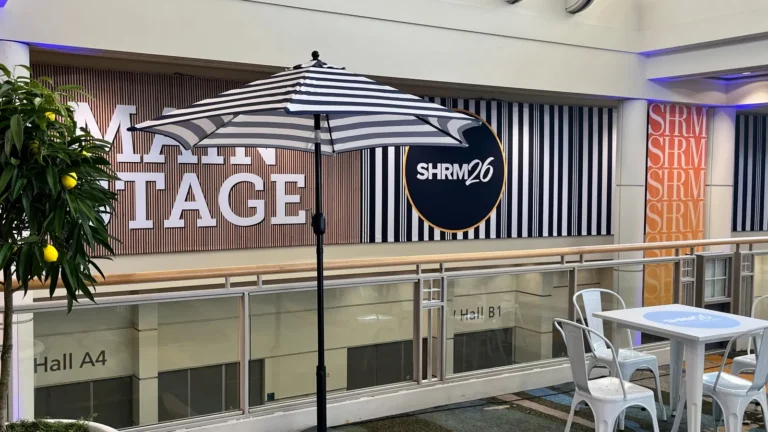
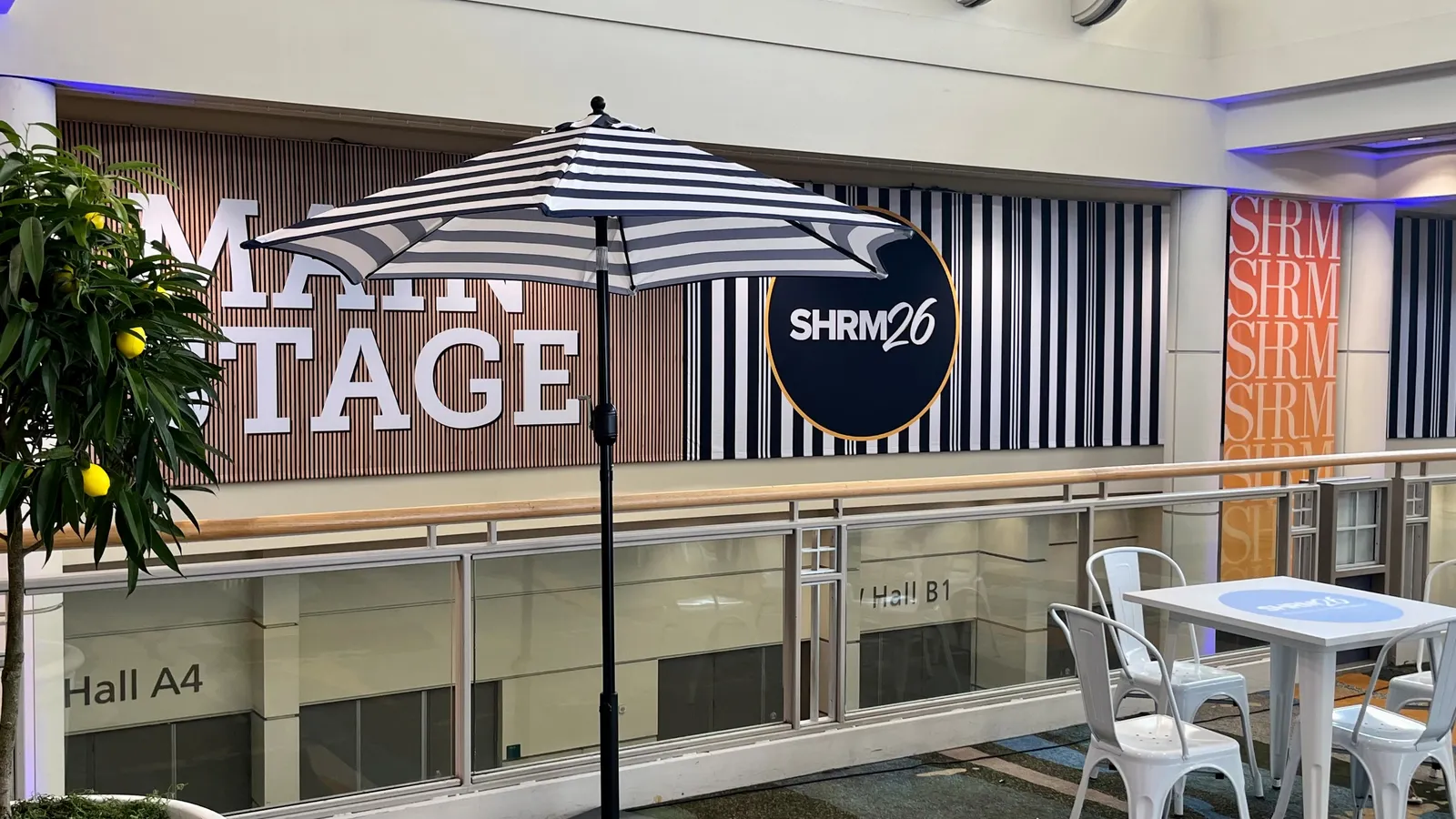
The journey from the traditional SHRM annual conference to the new SHRM HR-X Live! format represents a thoughtful response to the dynamic challenges and opportunities within the human resources field. SHRM26, held in Orlando, Florida, in June 2026, served as a precursor to this transformation, with signage at the Orange County Convention Center already hinting at the impending changes. The underlying message from SHRM has been clear: the HR profession must adapt, innovate, and demonstrate its indispensable value in an increasingly complex and technologically driven world.
The upcoming SHRM HR-X Live! in Chicago is poised to be a landmark event, not just for its scale and attendance, but for its commitment to redefining professional development and credentialing in HR. By leveraging the HR-X framework, SHRM aims to empower HR professionals with the targeted knowledge, practical skills, and robust networks necessary to lead their organizations into the future of work, ensuring that the HR function not only survives but thrives in the age of artificial intelligence and continuous disruption. The success of this new model will likely be measured by its ability to equip attendees with the confidence and competencies to navigate these evolving landscapes, solidifying HR’s role as a strategic partner in organizational success.
About the Author