The retail giant Target Corporation is entering a pivotal transition period as newly appointed CEO Michael Fiddelke assumes leadership in 2026, inheriting a company grappling with a multi-year sales slump and a fractured brand identity. Following a period of intense cultural and political scrutiny, the Minneapolis-based retailer is attempting to pivot away from the controversies surrounding its diversity, equity, and inclusion (DEI) initiatives to focus on fundamental retail excellence. Fiddelke’s strategy emphasizes a restoration of Target’s "commercial culture," prioritizing price competitiveness and an enhanced in-store experience. However, industry analysts and community leaders remain divided on whether a focus on aesthetics and affordability can successfully bridge the gap created by the company’s perceived retreat from its previous ethical commitments.
The Financial Landscape: Declining Sales and Market Pressures
Target’s recent financial disclosures underscore the urgency of its strategic shift. For the fiscal year ending in early 2026, the company reported a total sales decline of nearly 2 percent, with revenue settling at $104.78 billion. The most recent quarterly data, covering the crucial holiday corridor from November to January, showed a 1.5 percent drop in sales to $30.45 billion. This downward trend has been attributed to a combination of factors, including a cooling of consumer confidence and the impact of federal trade policies, specifically the tariffs implemented by the Trump administration, which have increased the cost of goods.
Outgoing CEO Brian Cornell, who transitioned to the role of executive chairman in February 2026, acknowledged that the company’s performance was hampered by a "challenging external environment." Beyond macroeconomics, Target has faced internal criticism regarding the state of its physical locations. Industry observers and shoppers alike have noted a decline in store standards, citing messy aisles and lackluster merchandise selections. This reputational decline made the company particularly vulnerable to consumer boycotts, as research suggests that such movements are most effective when a brand is already experiencing a loss of consumer trust.
A Chronology of Corporate Commitment and Controversy
Target’s current predicament is rooted in a series of strategic shifts that began in 2020. Following the murder of George Floyd in Minneapolis, Target was among the first major U.S. corporations to align itself with the racial justice movement. The company pledged to become an "anti-racist" organization and committed more than $2 billion to support Black-owned businesses and organizations focused on racial equity by 2025.
However, this proactive stance eventually invited a significant counter-response. By 2023 and 2024, right-wing activists began targeting "corporate wokeness," focusing their ire on Target’s Pride Month collections and its broader DEI infrastructure. The backlash intensified during the 2024 election cycle, as political rhetoric surrounding transgender rights and diversity programs became a central theme of the Republican platform.
In the wake of Donald Trump’s re-election in November 2024, Target, along with other major brands like Walmart and McDonald’s, began to publicly distance itself from the "DEI" label. This retreat was seen by many as a surrender to political pressure, sparking a secondary wave of backlash—this time from the progressive and Black communities who felt the retailer was abandoning its stated values in a moment of political convenience.
The Dual Front of Consumer Boycotts
The company has found itself trapped between two opposing consumer movements. While conservative boycotts in 2023 impacted short-term sentiment, the counter-boycott launched in March 2025 by Reverend Jamal Harrison Bryant, senior pastor of New Birth Missionary Baptist Church, posed a more direct threat to Target’s core urban and suburban demographic. Bryant called on Black shoppers to abandon the retailer in response to its decision to scale back DEI goals.
In an unexpected turn, Reverend Bryant announced the conclusion of his boycott campaign in March 2026. His decision was based on Target’s disclosure that it had successfully fulfilled 97 percent of its $2 billion commitment to Black-owned businesses and had pledged an additional $100 million in community investments. Bryant stated that while the company had changed its terminology—rebranding its efforts under a "Belonging" program—the substantive financial support remained intact.
However, the resolution is not universal. The Racial Justice Network, a Minneapolis-based advocacy group led by Nekima Levy Armstrong, has maintained its boycott. The organization argues that Target’s retreat from explicit DEI language and its handling of local community crises represent a failure of corporate character that cannot be resolved through financial pledges alone.
The Minneapolis Crisis and Ethical Complications
Adding to the company’s challenges is a localized controversy in its home city of Minneapolis. In early 2026, the Department of Homeland Security conducted a series of immigration enforcement actions in the region. While many local businesses took public stances to protect their immigrant employees and neighbors, Target’s response was criticized as tepid. The company signed a general letter calling for "peaceful cooperation" but faced allegations that it allowed federal agents to use its store parking lots as staging areas for raids.
This incident has become a flashpoint for critics who argue that Target’s "Belonging" program is a hollow substitute for genuine community advocacy. For many in the Minneapolis area, the perceived complicity with federal immigration authorities was a stark departure from the "anti-racist" identity the company had projected only a few years prior. This tension highlights the difficulty corporations face when trying to navigate the "neutral" middle ground in a highly polarized political climate.
Strategic Pivot: The Fiddelke Recovery Plan
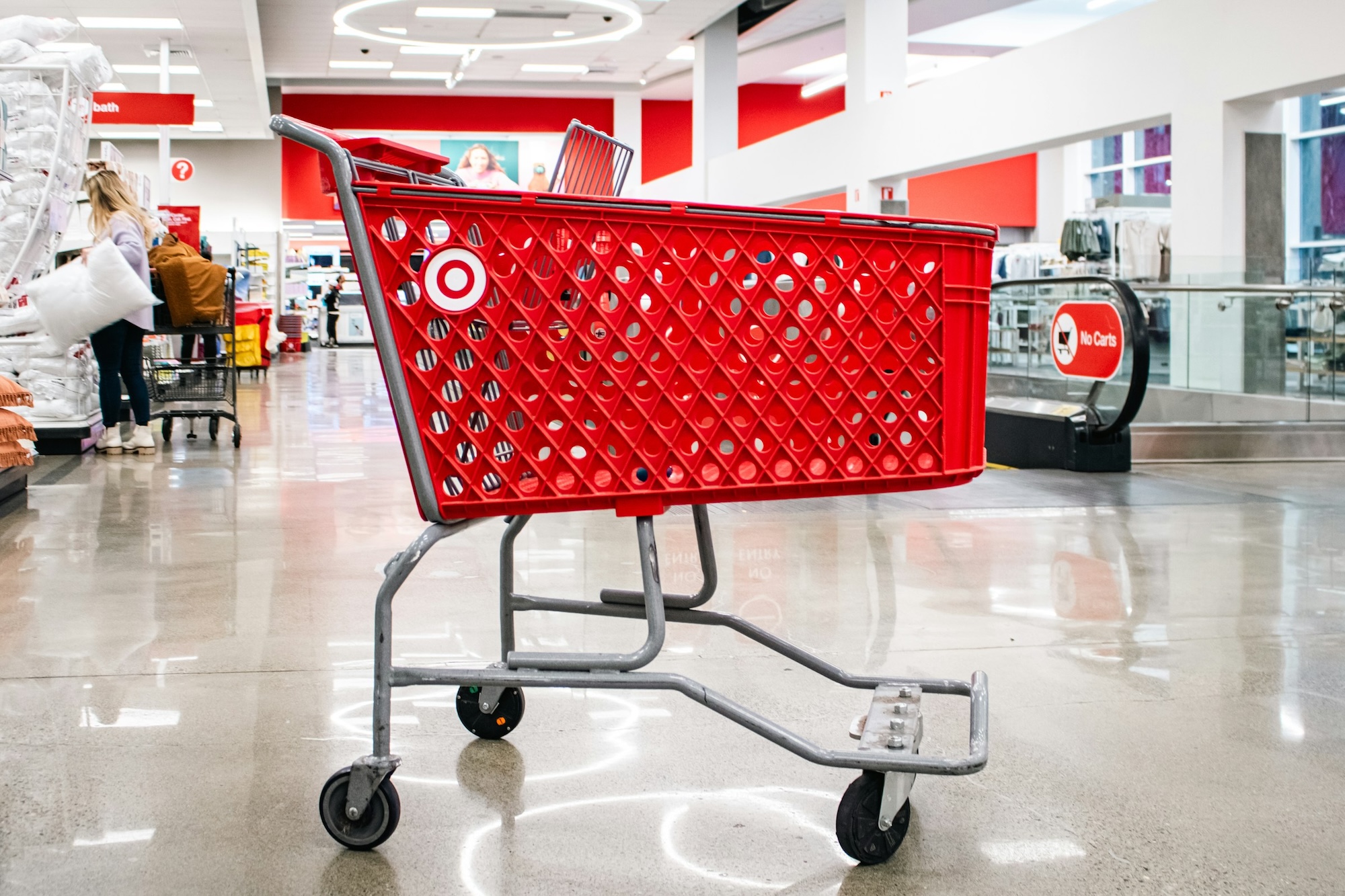
Under Michael Fiddelke, Target is doubling down on a "back-to-basics" approach. The 2026 recovery plan is built on three primary pillars:
- Operational Excellence: Addressing the "messy store" narrative by reinvesting in frontline labor and store maintenance to ensure a cleaner, more organized shopping environment.
- Price Aggression: Implementing broad price cuts across essential categories to compete with Walmart and Amazon, targeting budget-conscious families affected by inflation and tariffs.
- Aspirational Partnerships: Moving away from politically sensitive merchandise in favor of "lifestyle" collaborations. A cornerstone of this strategy is the new partnership with Roller Rabbit, a brand known for its vibrant, upbeat aesthetic. This move is designed to recapture the "Tar-jay" magic—the idea that Target is a destination for affordable, high-design goods.
Fiddelke’s strategy mirrors the recovery of Bud Light, which, after facing its own DEI-related boycott in 2023, sought to regain market share by pivoting to the "de-politicized" arena of college sports and traditional American marketing themes.
Broader Implications for Corporate America
The Target saga serves as a case study for the risks and rewards of corporate social responsibility (CSR) in the mid-2020s. The company’s experience suggests that while DEI commitments can build significant brand equity with certain demographics, they also create a "moral floor" that consumers expect the company to maintain. When a corporation is perceived to abandon these principles under political pressure, it risks alienating its most loyal customer bases.
Furthermore, the Target situation illustrates the evolving nature of consumer activism. The fact that sales continued to struggle even as the company attempted to move toward the center suggests that "corporate neutrality" may no longer be a viable safe harbor. In an era where consumer choices are increasingly viewed through a political lens, Target’s attempt to focus solely on "commercial culture" will be a significant test of whether a major brand can successfully separate its business operations from its social footprint.
As the 2026 midterm elections approach, the remaining boycotts against Target may take on added political significance. The company’s performance over the next four quarters will be closely watched by the retail industry as a bellwether for whether the "anti-woke" backlash or the "pro-equity" counter-movements hold more sway over the American pocketbook. For now, Fiddelke’s Target is betting that a clean floor and a good price will be enough to make shoppers forget the cultural battles of the recent past. Whether consumers are ready to turn that page remains the $104 billion question.
About the Author