
The burgeoning artificial intelligence revolution, while promising unprecedented technological advancements, is casting a long shadow over the future of the workforce, prompting urgent discussions about economic displacement and potential solutions. Mounting evidence suggests that AI’s rapid evolution is not just a theoretical concern for job security but an increasingly tangible reality. In the United States, a stark 35% decline in entry-level job postings since 2023, according to Revelio Labs, signals a significant shift in the employment landscape. This downturn coincides with widespread layoffs across major technology firms, often attributed to the integration of AI-driven efficiencies, and even prominent figures within the AI industry are issuing stark warnings about the disruptive potential of this technology.
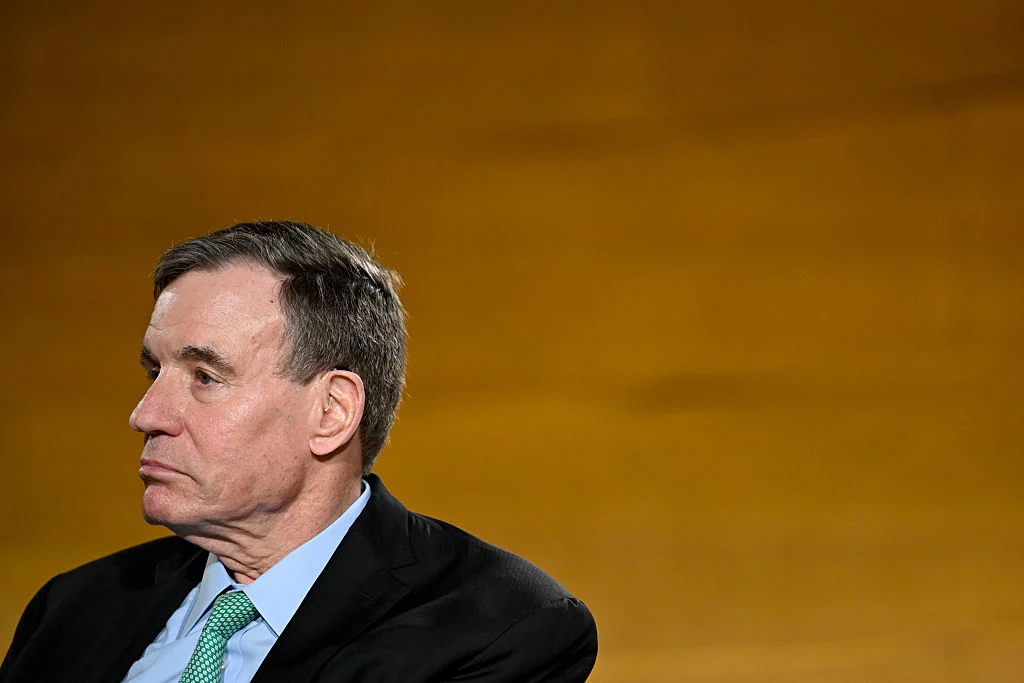
The gravity of this situation was palpable at the recent Axios AI Summit in Washington D.C., where Senator Mark Warner (D-VA) shared insights from private conversations that underscore the profound impact AI is already having on traditional career paths. Warner recounted a recent interaction with a venture capitalist who has drastically reduced software investments to near zero, citing the advanced capabilities of AI models like Anthropic’s Claude as a primary driver. This sentiment was echoed by a major law firm that informed Warner it is no longer hiring first-year associates, as AI systems are now proficient in handling a significant portion of the tasks traditionally assigned to junior legal professionals. These anecdotes highlight a growing sentiment that AI is not merely augmenting human capabilities but, in some instances, replacing them, particularly at the entry level.
Growing Fears and a Proposed Solution
Despite the palpable anxiety surrounding AI-induced job losses, some data from AI companies suggests that widespread job displacement has not yet begun on a mass scale. However, the fear is potent and is beginning to influence policy discussions, particularly concerning who should bear the financial responsibility for mitigating the potential fallout. Senator Warner has put forth a forward-thinking proposal aimed at addressing this looming challenge: taxing the data centers that form the backbone of the AI boom. The revenue generated from such a tax, he suggests, could be earmarked to support workers navigating this unprecedented economic transition. While legislative action is still in its nascent stages, the urgency of Warner’s proposal is amplified by a growing public outcry against both AI’s potential for job displacement and the proliferation of data centers.
Public Opposition to Data Centers Intensifies
Across the United States, a wave of public opposition to data center development is gaining momentum. This sentiment has manifested in concrete policy proposals, such as a bill recently introduced by Senator Bernie Sanders (D-VT) and Representative Alexandria Ocasio-Cortez (D-NY), which calls for a moratorium on new data center construction. The immediate concerns driving this opposition are often related to environmental and community impacts, including noise pollution, increased energy consumption, and the potential strain on local power grids and water resources. However, beneath these overt objections lies a deeper, simmering resentment. Communities are increasingly voicing their resistance to hosting infrastructure that powers a technology many fear will render their livelihoods obsolete, creating a complex dichotomy of perceived benefits and tangible local costs.
Warner’s Counterpoint: Avoiding a Strategic Misstep
Senator Warner, however, has indicated that he will not be supporting the proposed data center moratorium. He articulated his reasoning at the Axios AI Summit, warning that such a move could inadvertently cede technological leadership to international rivals. "A data center moratorium simply means China is gonna move quicker, and this is one where we can’t lose," Warner stated, emphasizing the strategic importance of maintaining the U.S.’s edge in AI development. He believes that the trajectory of AI and data center development is an irreversible force, akin to releasing a genie from its bottle. While acknowledging the necessity of stringent regulations to ensure data centers do not unfairly burden local communities with water and power costs, Warner believes there are more constructive avenues for communities to benefit from this technological surge.
Extracting a "Pound of Flesh" for Community Benefit
Warner’s core argument centers on the notion that the AI industry, particularly those entities most directly benefiting from its advancement, has an obligation to contribute to solutions for the societal challenges it creates. "I’ve thought for a long time there’s an obligation from the industry to help figure this out and help pay for it," Warner told TechCrunch. He posed a critical question regarding the locus of this financial responsibility: "Who should pay? Should it be the chip makers, Jensen [Huang, Nvidia’s CEO]? Should it be the large language model companies? Should it be the Goldman Sachs of the world who are using these tools to cut back on a number of first-year associates?" Ultimately, Warner concluded that "the easiest place to extract the pound of flesh is probably going to be from the data centers."
This "pound of flesh" could translate into tangible community benefits. Warner envisions data center tax revenue being directed towards crucial initiatives such as retraining programs for new nurses or funding for AI upskilling initiatives. The overarching goal, he stressed, is to ensure "tangible benefit to communities" as they grapple with the economic upheaval instigated by AI advancements. This approach seeks to strike a balance between fostering the continued growth of essential data infrastructure and acknowledging the industry’s responsibility to support the populations most affected by its transformative power.
Precedent and Public Sentiment
The concept of leveraging data center tax revenue for community development is not without precedent. Senator Warner pointed to an example in Henrico County, Virginia, where tax revenue generated by a local data center was instrumental in initiating a new affordable housing project. This case illustrates a potential model for creating a symbiotic relationship between data center development and community well-being. Warner underscores that establishing a clear and tangible link between data centers and community benefits will be paramount to averting widespread public backlash. "Otherwise," he warned, "the pitchforks are coming out."
The prevailing public mood strongly supports Warner’s assertion. Recent polling data from NBC News reveals that AI currently holds a lower public approval rating than Immigration and Customs Enforcement (ICE), with a significant 46% of registered voters expressing a negative view of AI, compared to only 26% holding a positive one. This sentiment is translating into political action. In Virginia, a state that hosts one of the world’s largest data center markets and where data center buildouts have historically received substantial tax breaks costing the state and localities nearly $2 billion annually in lost revenue, a proposal is circulating to repeal these incentives. Warner anticipates that similar legislative efforts may emerge in other states, reflecting a growing public demand for accountability from the AI and data center industries. He acknowledges that both AI and data centers are "easy to demonize" in the current climate, underscoring the need for proactive and equitable solutions.
The Broader Implications of an AI-Driven Economy
The convergence of technological advancement and economic disruption presents a critical juncture for policymakers, industry leaders, and the workforce. The declining entry-level job market, coupled with significant layoffs in the tech sector, paints a stark picture of the immediate challenges posed by AI. The debate over taxing data centers, as championed by Senator Warner, represents a nascent attempt to proactively address these issues by creating a funding mechanism for worker retraining and community support.
The timeline of these developments is accelerating. Since 2023, the significant drop in entry-level job postings and the increased pace of layoffs suggest a rapid integration of AI into business operations. The warnings from AI leaders themselves, such as those from Anthropic, indicate that the current wave of AI development is distinct from previous technological shifts in its potential for widespread impact. The proposal for a data center moratorium, championed by Senators Sanders and Ocasio-Cortez, highlights the growing public concern over the tangible impacts of AI infrastructure, pushing the conversation beyond abstract job displacement fears to immediate environmental and community considerations.
The analysis of these trends suggests a potential bifurcation of the labor market. While highly specialized roles in AI development and management may see increased demand, a substantial portion of the workforce, particularly those in roles susceptible to automation, may face significant challenges. The implications extend beyond individual job security to broader economic stability and social equity. If not managed thoughtfully, the transition to an AI-driven economy could exacerbate existing inequalities.
The counterarguments to Warner’s proposal, while not explicitly detailed in the provided text, would likely focus on the potential stifling of innovation and investment. Critics might argue that increased taxation on data centers could deter companies from building or expanding their AI infrastructure in the U.S., potentially leading to a loss of competitiveness. However, Warner’s emphasis on ensuring tangible community benefits suggests a nuanced approach that seeks to balance innovation with social responsibility.
The role of large technology companies and venture capital in this transition is also a critical area for further examination. The venture capitalist’s decision to cease software investments and the law firm’s reduction in junior associate hiring are indicative of a fundamental shift in business strategy driven by AI. Understanding how these entities can contribute to solutions, beyond direct taxation, will be crucial. This could involve investing in workforce development programs, supporting educational initiatives, or collaborating on research into the societal impacts of AI.
Ultimately, the conversation initiated by Senator Warner and amplified by public sentiment is about establishing a framework for a more equitable AI future. The debate over data center taxation is a proxy for a larger discussion about corporate responsibility, economic transition, and the societal contract in an era of rapid technological change. The success of such initiatives will hinge on finding solutions that foster innovation while ensuring that the benefits of AI are shared broadly and that the costs of disruption are not borne disproportionately by vulnerable segments of the population. The "pitchforks" Warner fears may well be a signal that the public is demanding a more proactive and responsible approach to navigating the transformative power of artificial intelligence.
About the Author





