Every successful content strategy commences with a concise selection of fundamental terms. Before engaging with sophisticated keyword research tools, marketers and strategists must first articulate a handful of phrases that accurately encapsulate their business offerings or the precise queries their target audience is making. These foundational phrases, known as seed keywords, are frequently underestimated in their capacity to drive significant marketing outcomes. This comprehensive guide delves into the definition of seed keywords, their critical importance in modern SEO, methodologies for their discovery, the most effective tools available, and a strategic framework for transforming an initial list of seeds into a robust and actionable content plan.
Understanding the Genesis: What Are Seed Keywords?
Seed keywords are broad, typically one or two-word phrases that represent the central themes and core topics within which a business operates or an audience seeks information. They are not the culmination of research but rather its starting point, akin to planting seeds from which an entire ecosystem of content can flourish. For instance, a company specializing in project management software might identify "project management," "task tracking," and "team collaboration" as its primary seed keywords. From these broad anchors, a vast array of more specific, long-tail keywords, supporting blog posts, and comprehensive pillar pages can be meticulously developed.
Essentially, seed keywords are the most direct and simplest articulation of a subject matter that resonates with a target audience. They typically possess broad search intent and a high search volume, making them ideal anchors around which to build a content universe. It is crucial to distinguish seed keywords from target keywords. Seed keywords serve as the raw, unrefined material, while target keywords are the meticulously chosen and optimized phrases around which individual web pages are specifically designed to rank. Organizations that bypass the crucial seed keyword identification phase often find themselves with a disparate collection of content that lacks a cohesive thematic structure. By establishing seed keywords upfront, teams ensure alignment among writers, strategists, and subject matter experts before any content creation commences, fostering a unified and purposeful approach.
The Strategic Imperative: Why Seed Keywords Matter for Content Strategy
Seed keywords form the bedrock of a well-structured topic cluster model. A topic cluster typically comprises a central pillar page, designed to address a broad theme, supported by numerous individual pages that delve into more specific, long-tail queries. Without a clearly defined seed keyword to anchor the pillar page, the entire cluster lacks a central point of focus and authority. A robust set of seed keywords enhances an entire content program in several significant ways:
- Establishes Thematic Authority: By focusing content creation around core seed keywords, businesses can systematically build authority in specific subject areas. This signals to search engines that the site is a comprehensive and reliable resource for those topics.
- Improves Search Engine Ranking: Well-defined topic clusters, originating from strong seed keywords, allow search engines to understand the depth and breadth of a website’s expertise, leading to improved rankings for a wider range of related queries.
- Enhances User Experience: When users find a wealth of interconnected, relevant content on a website, their engagement increases. This leads to lower bounce rates, longer session durations, and a more positive overall user experience, all of which are positive ranking factors.
- Streamlines Content Planning and Creation: A clear understanding of seed keywords provides a roadmap for content creation, making it easier to identify content gaps, prioritize topics, and assign resources effectively.
- Facilitates Internal Linking: The topic cluster model inherently encourages strategic internal linking between pillar pages and supporting content, which is a critical SEO best practice that helps search engines crawl and index content more efficiently.
One can conceptualize content strategy as a tree. The published blog posts and articles represent the leaves and branches, visible and dynamic. However, the seed keywords are the roots – unseen but fundamentally responsible for what can grow and how strong the entire structure becomes. Understanding how buyer journey keywords intersect with this model is crucial, as search intent evolves across different stages of the customer’s decision-making process.

The Art and Science: How to Find Seed Keywords
The discovery of seed keywords is a blend of meticulous research and active listening. The most effective seed keywords emerge from a deep understanding of how customers communicate their needs and problems, rather than relying solely on internal product descriptions or marketing jargon. The following systematic process can yield highly impactful seed keywords:
Step 1: Begin with Your Innate Knowledge
The initial phase involves introspection. Jot down five to ten phrases that describe your business from your customer’s perspective. Avoid marketing taglines or internal jargon. Instead, consider what a potential customer, experiencing a problem your business solves, would type into a search engine at any hour. For example, a company offering accounting software for freelancers would likely find that their customers are not searching for "financial management SaaS" but rather for more practical queries such as "how to invoice clients" or "freelance tax tips." These practical, problem-oriented phrases are prime candidates for seed keywords.
Pro Tip: Engage with your sales team. The vocabulary and phrases prospects use during discovery calls are invaluable insights into customer language and provide a strong foundation for seed keyword research.
Step 2: Leverage First-Party Data
Your existing customer data is a treasure trove of linguistic insights. This includes information gleaned from CRM notes, sales call transcripts, chat logs, support tickets, and on-site search queries. These sources reveal the precise language your buyers use before they become customers. By analyzing this "customer language," you can identify seed keywords that genuinely reflect real buyer vocabulary and uncover entire content gaps that may have been previously unknown to the marketing team. If your website features an internal search function, meticulously review the logs of every query. Each search represents a point of data indicating what visitors are looking for but cannot find, and these queries are excellent starting points for seed keyword identification.
Step 3: Analyze Competitor Content and Rankings
Examine the topics your top competitors are ranking for and the content they are producing. This is not an exercise in direct imitation but rather in mapping the competitive landscape. Advanced SEO tools such as Ahrefs and Semrush provide the capability to analyze competitor domains and identify the broad topic categories that drive the most organic traffic. This analysis can reveal emerging trends and underserved areas within your industry.

Step 4: Harness Google’s Built-in Suggestions
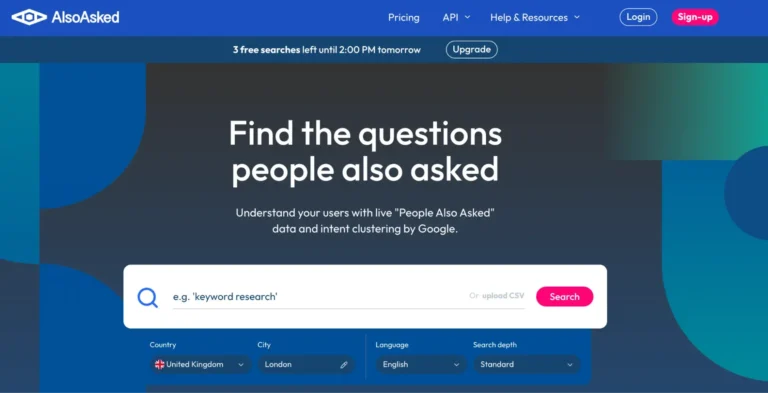
Google itself offers a wealth of information through its search features. As you type broad topics into the search bar, pay close attention to the autocomplete suggestions, the "People also ask" boxes, and the related searches listed at the bottom of the search results page. These features are directly informed by the world’s largest search dataset and provide valuable clues for seed keywords. Furthermore, observing "SERP features" such as featured snippets or image packs can indicate topics with well-defined informational intent, making them strong candidates for seed keywords.
Step 5: Validate with Search Volume Data
While seed keywords are broad, they must possess sufficient search volume to warrant the creation of an entire topic cluster. However, the volume should not be so high as to make ranking practically impossible for your current domain authority. Utilize keyword research tools to assess the monthly search volume and keyword difficulty for each potential seed keyword. The objective at this stage is not to identify the absolute highest-volume terms but rather to find terms where there is a realistic opportunity to compete and build supporting content. A thorough understanding of what keywords potential customers are using is fundamental to making informed judgments in this phase.
Step 6: Group Seeds into Thematic Clusters
Once you have compiled a list of 15 to 30 candidate seed keywords, begin to identify patterns and commonalities. Group words that relate to the same buyer problem or product category together. Each distinct group represents a potential topic cluster. For example, seeds such as "content calendar," "editorial planning," and "blog scheduling" all belong to the same overarching theme. Instead of creating three separate pillar pages, it is more effective to develop one robust pillar page supported by several specialized blog posts, each targeting a specific variation of the core topic.
Step 7: Stress-Test with AI
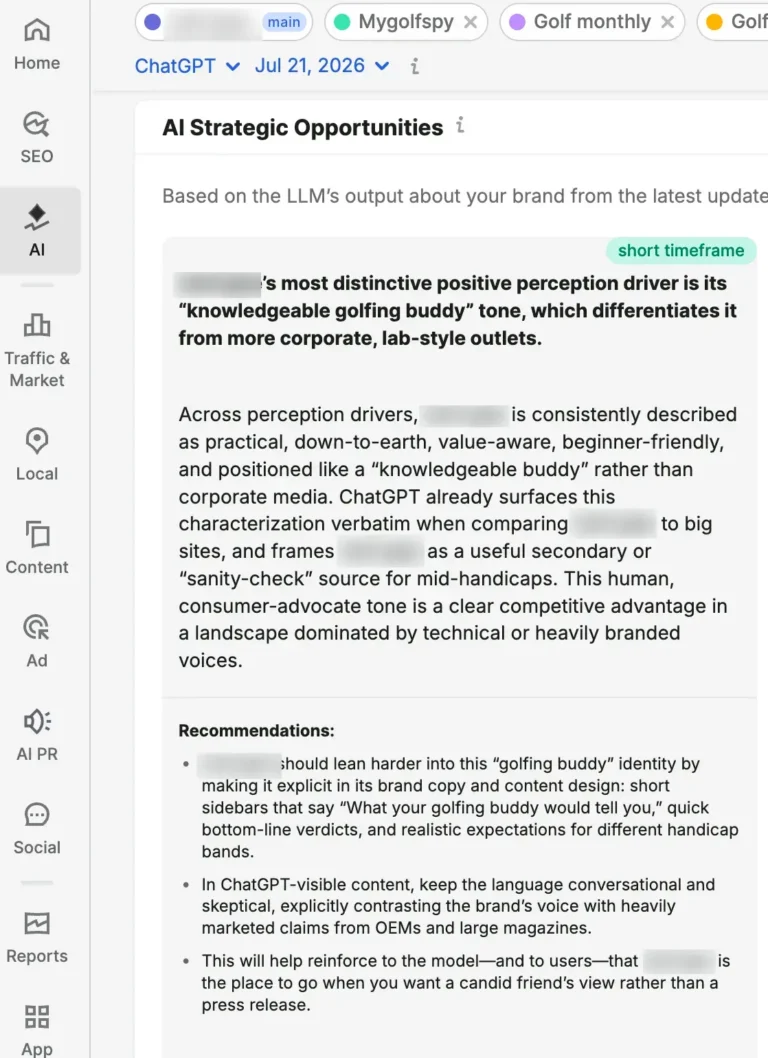
In the current digital landscape, leveraging Artificial Intelligence can provide an additional layer of validation. Run your shortlisted seed keywords through a large language model and prompt it to generate related queries, common questions, and adjacent topics. This process can uncover novel angles and identify which seed keywords possess the greatest potential for rich long-tail variations. This AI-assisted step is not about relinquishing strategic control but about using AI as a sophisticated tool to stress-test your list and identify potential blind spots before committing significant resources to content development.
Essential Tools for Seed Keyword Discovery
The selection of the most effective seed keyword tools depends on the specific stage of your research process. Some tools excel at initial ideation, while others are better suited for keyword expansion, cluster mapping, or data validation. Here is a comparative overview of leading options:
1. Google Search Console
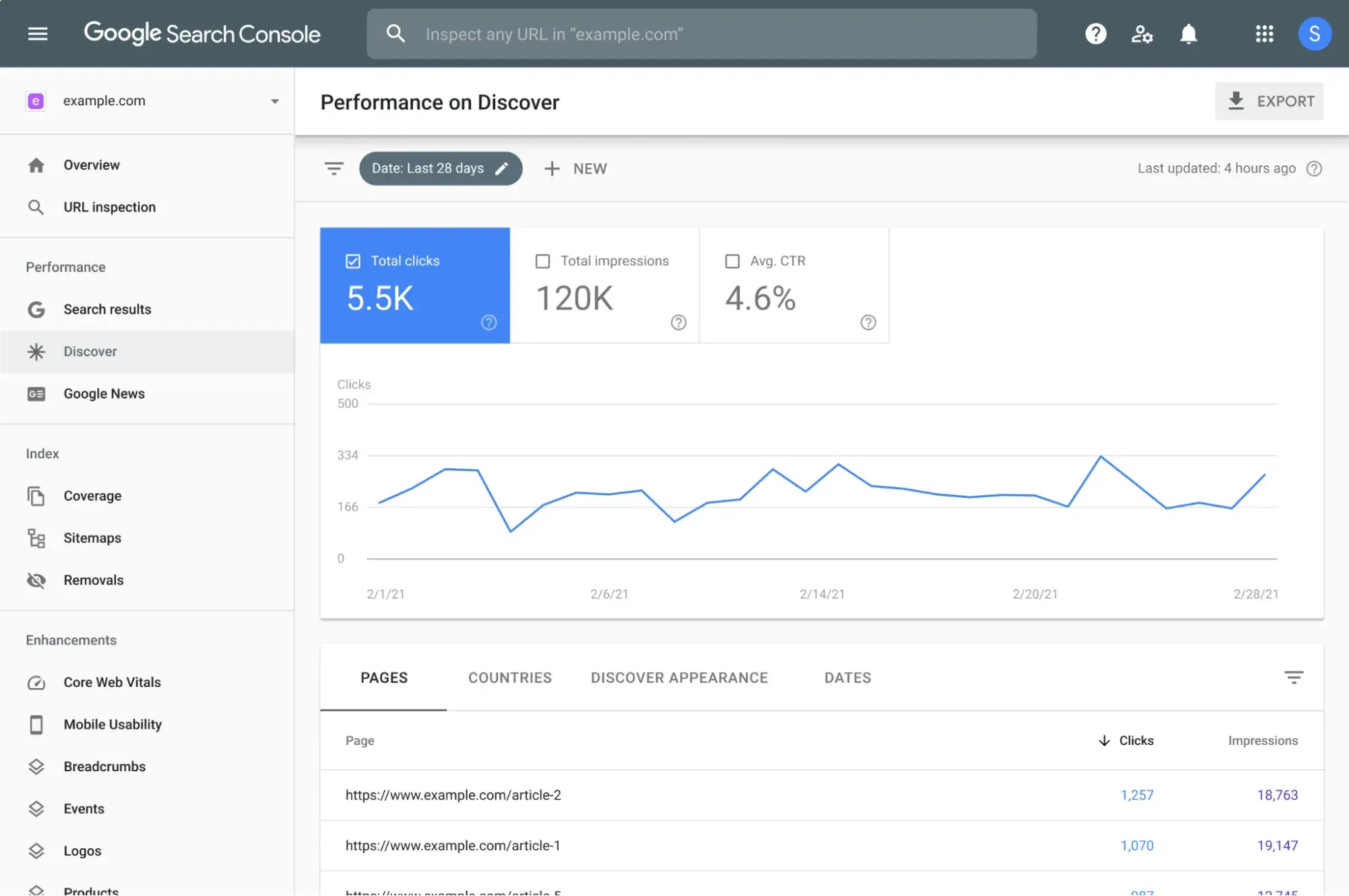
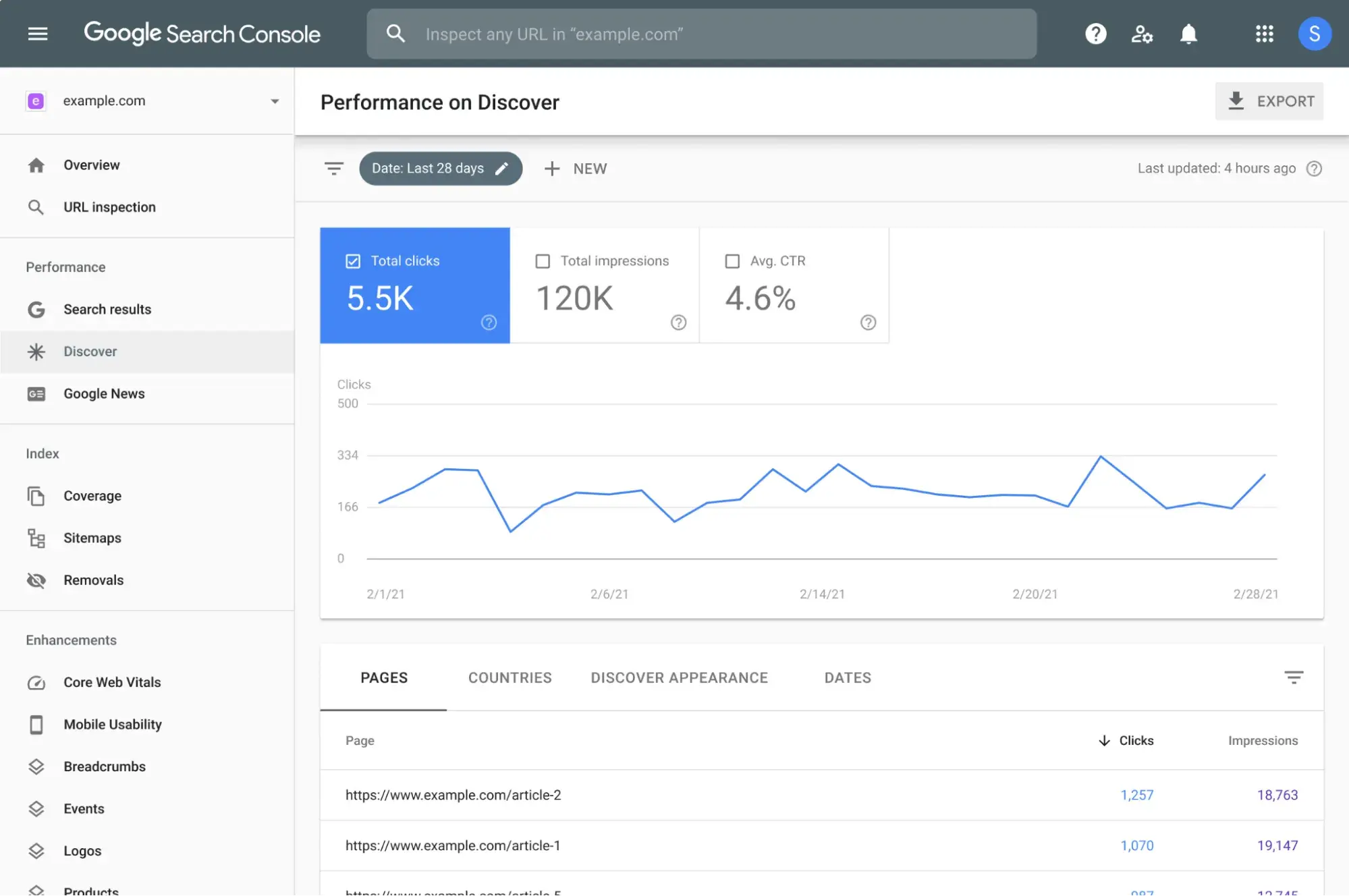
For websites that are already live and generating traffic, Google Search Console is an invaluable resource. It reveals the exact queries users are employing to find your pages. By filtering results by impressions rather than just clicks, you can identify topics for which your site is already gaining visibility but has not yet fully optimized. These "near-miss" queries are excellent candidates for seed keywords, indicating a strong existing interest.
- Best for: Businesses with established online presence seeking to expand around proven thematic areas.
2. Ahrefs Keywords Explorer
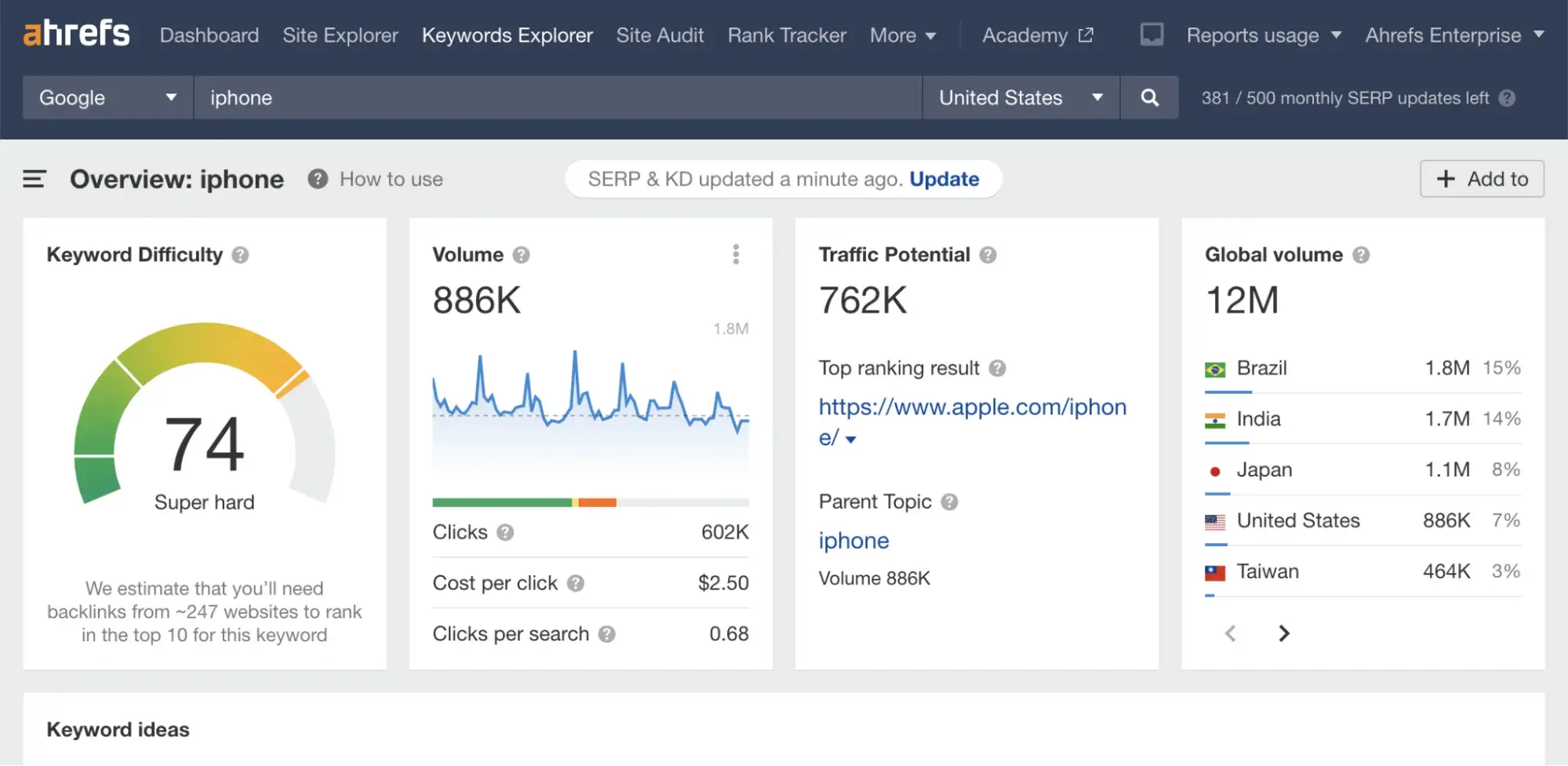
Ahrefs allows you to input a broad seed term and instantly access critical data such as keyword difficulty, monthly search volume, click potential, and a categorized list of related terms grouped by parent topic. This tool is highly effective for validating initial seed ideas and quickly estimating the potential size of a topic cluster before committing resources. The "parent topic" feature is particularly useful, as it automatically groups related keywords, significantly accelerating the process of cluster planning.
3. AnswerThePublic
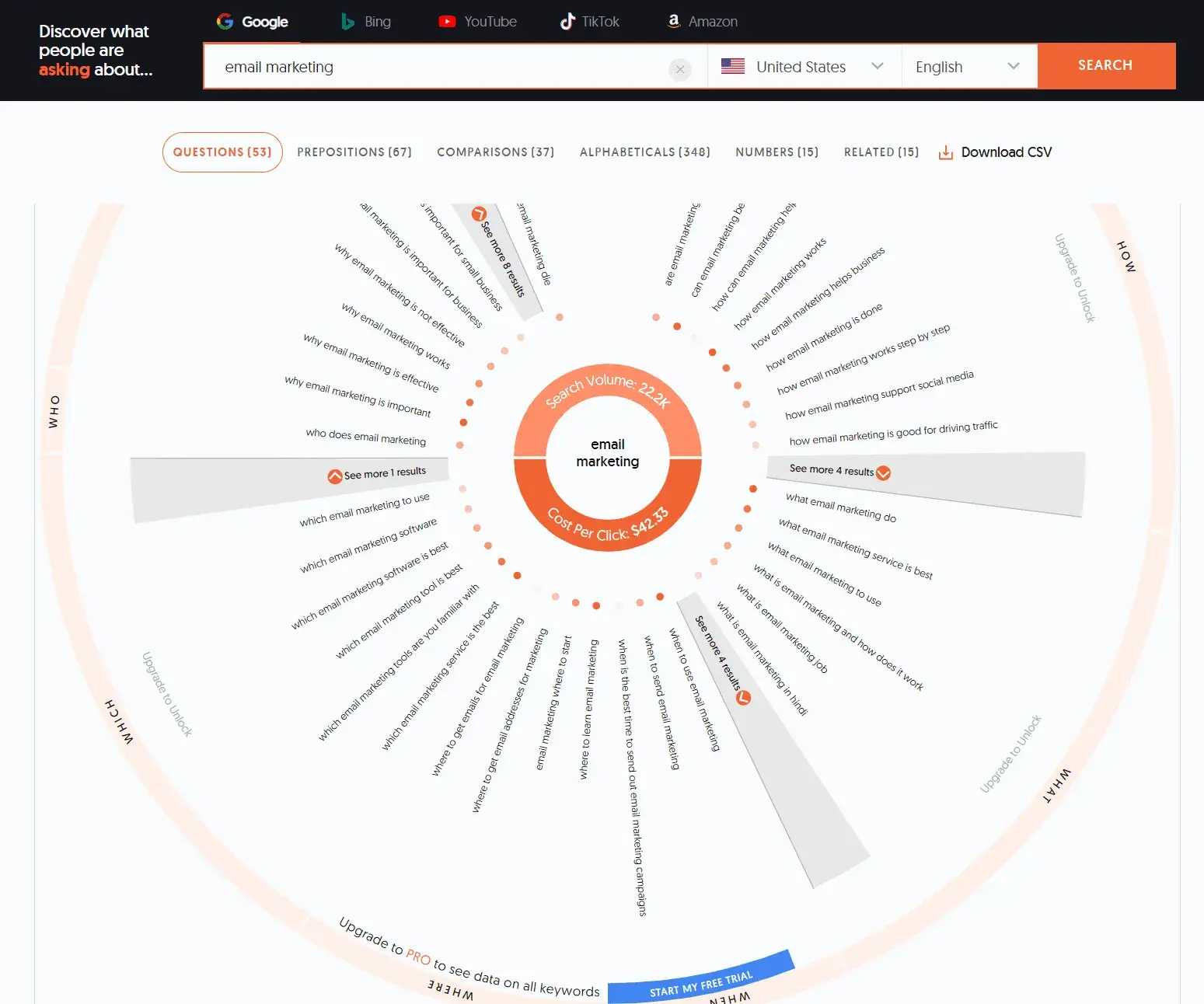
AnswerThePublic offers a visually engaging way to explore the questions, prepositions, and comparisons that users search for around a given seed keyword. It is one of the most efficient tools for rapidly transforming a single seed keyword into a comprehensive list of long-tail content angles.
- Best for: Content ideation sessions and the development of detailed FAQ sections.
4. Google Keyword Planner
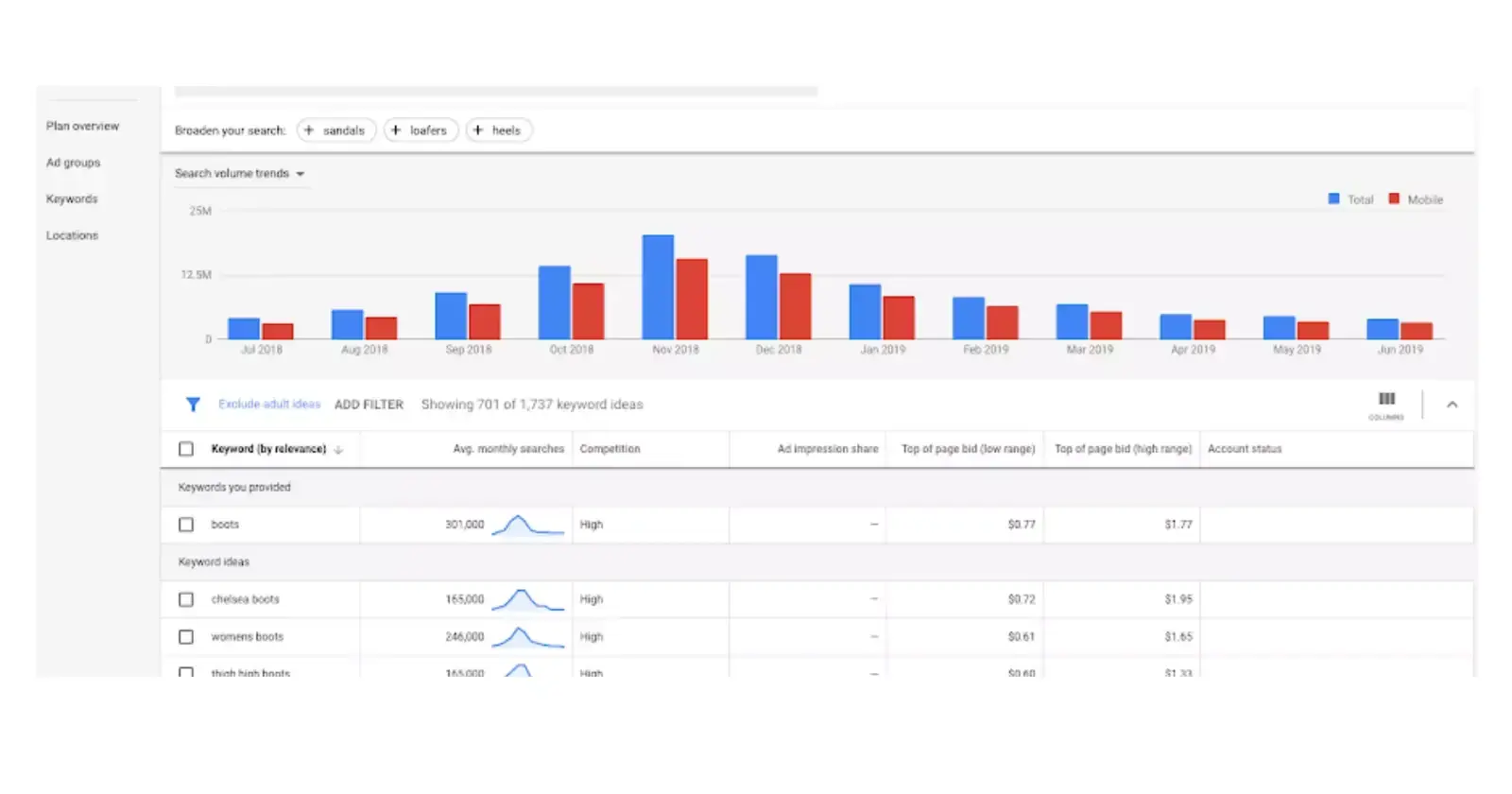
Accessible for free with a Google Ads account, Keyword Planner provides monthly search volume ranges and competition data. While not as granular as some paid tools, it is more than adequate for validating whether a seed keyword possesses meaningful search demand.
- Best for: Budget-conscious teams or those in the early stages of research where financial constraints are a primary consideration.
5. Semrush Keyword Magic Tool
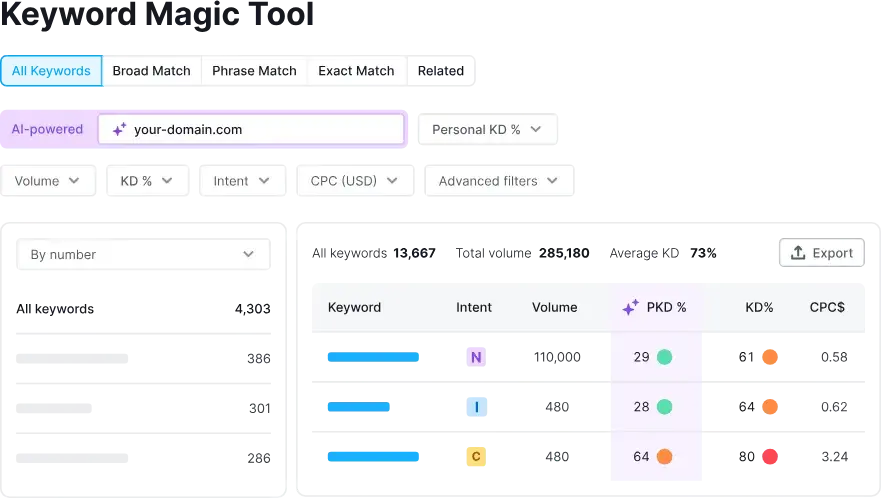
Semrush’s Keyword Magic Tool is particularly adept at facilitating keyword clustering. By entering a seed keyword, you can organize the results by topic, question type, or user intent. This organization closely mirrors the architecture of a topic cluster, making it easier to map out your content. The intent filter is especially valuable, allowing for the clear differentiation between informational seeds suitable for blog content and transactional seeds that are better suited for landing pages.
6. HubSpot’s SEO and Content Tools
For businesses already operating within the HubSpot ecosystem, the integrated AI content tools within Content Hub streamline the entire workflow. These tools connect keyword research directly to content creation, enabling users to track the health of topic clusters, identify content gaps, and publish content without the need to constantly switch between different platforms. This integration significantly reduces friction between the research phase and the actual publishing process.
- Best for: HubSpot users who desire a unified platform for keyword research and content production.
For those seeking a structured approach to managing their keyword research efforts, a free keyword research template is available, which can be downloaded and adapted to align with specific business goals and identified opportunities.
From Seeds to Strategy: Building Your Content Plan
A list of seed keywords, while crucial, is merely the raw material for a content plan. The transformation into a structured, publishable strategy requires a systematic approach:
1. Select Anchor Seeds
Avoid the temptation to pursue every seed keyword simultaneously. Instead, identify three to five seed keywords that represent your most critical buyer problems or product categories. These will serve as the foundation for your pillar page topics, with each pillar page targeting a broad theme that can be further explored through multiple long-tail keywords. Long-tail keywords, which are typically three or more words in length, express more specific search intent and are often easier to rank for, especially for websites with lower domain authority.
2. Map Cluster Content for Each Seed
For each selected anchor seed, generate a list of 10 to 20 related long-tail keywords using your chosen keyword research tools. These long-tail variations will form the supporting pages within your topic cluster. A typical topic cluster consists of one comprehensive pillar page and numerous supporting pages, each optimized for a specific long-tail keyword. For example, a men’s jeans retailer would consider all the potential queries and thought processes a customer might have when visiting their site, such as "best jeans for athletic build," "dark wash slim fit jeans," or "how to wash raw denim."
3. Assign Intent to Every Cluster Page
It is essential to recognize that not every keyword within a cluster is best suited for a blog post. Some may be more appropriate for landing pages, product comparison pages, or FAQ entries. Categorizing keywords by search intent before writing content ensures that the created material aligns with user needs and leads to better conversion rates. Common intent categories include:
- Informational: Queries seeking knowledge or answers.
- Navigational: Searches for a specific website or brand.
- Transactional: Searches indicating an intent to purchase.
- Commercial Investigation: Searches comparing products or services before a purchase.
4. Establish Internal Linking Architecture
A robust internal linking strategy is vital for topic clusters. Pillar pages should link out to all of their supporting pages, and conversely, supporting pages should link back to the pillar page. This interconnected structure signals to search engines that the content forms a cohesive unit and reinforces the pillar page’s authority on the overarching topic. Tracking and improving SEO strategy involves monitoring key metrics related to cluster performance.
5. Implement a Publishing Cadence and Governance Process
A content plan remains ineffective if it is not actively managed and updated. Assign clear ownership for each topic cluster, establish a sustainable publishing cadence that your team can consistently maintain, and schedule quarterly reviews to audit performance and adapt to shifts in search demand. Brand consistency across content is paramount; teams that maintain cohesive messaging and topic ownership tend to build authority more rapidly than those that publish sporadically.
Pro Tip: Consistency in brand messaging and ownership across content clusters compounds over time. Teams that maintain a unified voice and clear responsibility for their topics build authority faster.
6. Track Rankings at the Cluster Level
Instead of solely monitoring individual keyword rankings, it is more effective to track the performance of the entire topic cluster. If a pillar page ranks well but its supporting pages are not indexed, it may indicate an issue with the internal linking structure or crawl budget. Conversely, if supporting pages rank but the pillar page does not, it suggests a need to strengthen the pillar content or consolidate less authoritative posts.
Pro Tip: AI-powered search is fundamentally changing how answers are presented. Optimizing for "answer engines" is becoming as critical as optimizing for traditional rankings. Seed keywords that frequently trigger featured snippets or AI Overviews are particularly valuable and should be prioritized.
Frequently Asked Questions About Seed Keywords
How Many Seed Keywords Should I Start With?
It is advisable to begin with three to five seed keywords. This number is sufficient to develop meaningful topic clusters without overextending resources. Once these initial clusters are established and demonstrating performance, you can gradually incorporate additional seeds. Starting with too many seeds can lead to superficial coverage across all topics rather than deep authority in any single area.
Can Branded Terms Be Seed Keywords?
Yes, branded terms such as your company name or product names can serve as valid starting points for clusters focused on your brand. However, non-branded seed keywords generally offer greater strategic value as they capture potential buyers who may not yet be aware of your brand. It is often best to treat branded and non-branded seed keywords as separate, distinct workstreams.
What is the Difference Between Seed Keywords and Long-Tail Keywords?
Seed keywords are broad, foundational phrases that initiate the keyword research process. Long-tail keywords, on the other hand, are specific, multi-word phrases derived from seed keywords. They express more precise search intent and are typically easier for websites with newer or smaller domain authority to rank for. Seed keywords serve as the genesis for generating long-tail keywords.
How Often Should I Refresh My Seed Keywords?
A quarterly review of your seed keyword list is recommended. Market dynamics, product offerings, and buyer language are constantly evolving. A seed keyword that was highly effective a year ago may now face increased competition or declining search interest. Conducting a seed keyword refresh at the beginning of each quarter, cross-referencing search volume trends with product direction shifts, is a prudent practice.
Do Seed Keywords Vary by Market or Language?
Absolutely. Seed keywords are intrinsically linked to the language real buyers use, and this language can vary significantly by region, culture, and linguistic background. A seed keyword effective in American English may not translate directly to British English, let alone to languages like Spanish or Japanese. For international SEO efforts, it is essential to develop separate seed keyword lists for each target market rather than attempting a direct translation from a single language.
Advancing Your SEO Research
Seed keywords are the indispensable starting point for any successful content strategy, but the digital landscape is in a state of rapid evolution. The increasing prominence of AI-powered search is fundamentally altering how information is surfaced, making optimization for "answer engines" as crucial as traditional ranking efforts. The seeds you cultivate today will directly influence the growth and authority of your content program. By adopting a disciplined approach and starting with a focused set of core terms, you can systematically build topic clusters that establish enduring authority and drive meaningful results over time.
About the Author