The intricate web of systems designed to ensure the safety of our food supply is facing unprecedented challenges, prompting serious concerns about public health and the fundamental protections consumers rely upon. Wharton associate professor of business economics and public policy, Corinne Low, argues emphatically that food safety is an quintessential public good – a critical service that individuals and families are inherently unable to provide for themselves. This perspective underscores a growing apprehension that systemic vulnerabilities, including reduced staffing, weakened inspection protocols, and alterations to disease surveillance mechanisms, are leaving consumers increasingly susceptible to foodborne illnesses. Low’s analysis extends to the societal ramifications when this crucial responsibility is inadvertently pushed onto parents, highlighting the inherent inadequacy of relying solely on companies to self-regulate their safety standards. The cumulative effect of these trends raises profound questions regarding the role of government, the responsibilities of businesses, and the non-negotiable protections that citizens should be able to confidently expect.
The Inherent Nature of Food Safety as a Public Good
To understand the current crisis, it is imperative to first grasp why food safety falls under the definition of a public good. Unlike private goods, which are both excludable (people can be prevented from consuming them) and rivalrous (one person’s consumption diminishes another’s), public goods are non-excludable and non-rivalrous. Once a food supply is deemed safe, it benefits everyone, regardless of whether they "pay" for that safety directly, and one person’s consumption of safe food does not reduce another’s access to it. The market, left to its own devices, typically under-provides public goods due to the "free-rider problem," where individuals benefit without contributing. In the context of food, companies might have an incentive to cut corners on safety to reduce costs, knowing that the public health consequences are diffuse and the benefits of robust safety measures are shared across competitors. This market failure necessitates governmental intervention and oversight to ensure an acceptable baseline of safety for all.
A Historical Perspective: From Muckrakers to Modern Acts
The realization that food safety is a public good demanding government regulation is not new; it evolved from a series of public health crises and social movements. Prior to the early 20th century, the American food supply was largely unregulated, leading to widespread adulteration, unsanitary practices, and frequent outbreaks of illness. This era was famously depicted by Upton Sinclair’s 1906 novel The Jungle, which exposed the horrific conditions in the meatpacking industry and galvanized public opinion.
This public outcry led directly to landmark legislation: the Pure Food and Drug Act and the Federal Meat Inspection Act, both passed in 1906. These acts laid the foundation for federal oversight, establishing agencies like what would become the Food and Drug Administration (FDA) and the Food Safety and Inspection Service (FSIS) within the U.S. Department of Agriculture (USDA). For decades, these agencies operated primarily on a reactive model, responding to outbreaks and violations after they occurred.
The late 20th and early 21st centuries saw a shift towards more proactive strategies, particularly after significant outbreaks like the 1993 Jack in the Box E. coli crisis. This culminated in the Food Safety Modernization Act (FSMA) of 2011, signed into law by President Obama. FSMA represented the most sweeping reform of U.S. food safety laws in more than 70 years, shifting the focus from responding to contamination to preventing it. It mandated preventative controls, increased inspection frequency, gave the FDA new authority to recall contaminated food, and strengthened oversight of imported foods. However, the effective implementation of FSMA has been heavily reliant on adequate funding and staffing, which have faced persistent challenges.
Contemporary Challenges: A Tripartite Threat to Food Safety
Corinne Low’s analysis pinpoints three critical areas where the foundational integrity of food safety systems is being eroded: reduced staffing, weakened inspections, and changes to disease surveillance. These are not isolated issues but interconnected vulnerabilities that collectively heighten consumer risk.
Staffing Shortfalls and Budgetary Constraints
One of the most immediate and impactful threats comes from the chronic understaffing of regulatory agencies. Both the FDA and USDA-FSIS, tasked with overseeing vast and complex food supply chains, frequently struggle with insufficient personnel. The FDA, for instance, is responsible for regulating approximately 80% of the U.S. food supply, including everything from produce and seafood to processed foods, yet its food safety division often operates with a fraction of the inspectors needed to adequately monitor the millions of food establishments under its purview.
Budgetary constraints imposed by successive administrations and legislative bodies have often led to hiring freezes, attrition, and a diminished capacity to train and retain experienced inspectors. This means that many facilities receive infrequent, if any, inspections, particularly those deemed lower-risk. According to reports from consumer advocacy groups and government watchdogs, the average food manufacturing facility under FDA jurisdiction might only be inspected once every several years, significantly increasing the window during which potential hazards can develop unnoticed. The USDA-FSIS, which oversees meat, poultry, and egg products, maintains a more continuous presence in processing plants, but even they face pressures to reduce inspector numbers in favor of industry self-monitoring programs, raising concerns about impartiality and thoroughness.
Weakened Oversight and Inspection Regimes
Beyond the sheer numbers of inspectors, the nature and frequency of inspections themselves have evolved, sometimes in ways that critics argue compromise safety. The shift towards risk-based inspections, while conceptually sound in prioritizing resources, can leave certain sectors or facilities with less scrutiny if they are not flagged as high-risk. Moreover, there has been a growing reliance on industry self-audits and third-party certifications, particularly in segments of the supply chain. While these can supplement government oversight, they are not a substitute. The inherent conflict of interest when a company pays for its own audit, or when audit firms compete for business, can create pressure to overlook minor infractions or provide less rigorous assessments.
Examples of weakened oversight manifest in various ways. Recalls of contaminated food products, which have shown fluctuating trends but remain a persistent concern, often reveal systemic failures in processing plants that went undetected during routine inspections. For instance, data from the U.S. Public Interest Research Group (PIRG) has frequently highlighted that the number of Class I recalls (those involving dangerous products that could cause serious health problems or death) remains substantial, indicating that hazards are still reaching consumers despite existing regulatory frameworks. The increasing complexity of global supply chains further complicates oversight, as ingredients and products can originate from countries with less stringent food safety standards, challenging the capacity of U.S. regulators to ensure safety from farm to fork.
Diminished Disease Surveillance Capabilities
The third critical pillar identified by Low is the erosion of disease surveillance capabilities. The ability to quickly detect, investigate, and respond to foodborne illness outbreaks is paramount to limiting their spread and preventing further illness. This crucial function relies heavily on robust public health infrastructure at federal, state, and local levels.
The Centers for Disease Control and Prevention (CDC) plays a central role through programs like PulseNet, a national laboratory network that connects foodborne illness cases to detect outbreaks. However, state and local public health departments, which are the frontline responders, have faced significant budget cuts over the past two decades. These cuts have led to reduced staffing for epidemiologists, laboratory technicians, and environmental health specialists – precisely the personnel needed to collect samples, conduct interviews, trace contamination sources, and implement control measures during an outbreak.
When surveillance systems are weakened, outbreaks take longer to identify, allowing more people to fall ill. The delayed detection means that contaminated products remain on shelves longer, and the precise source of contamination becomes harder to pinpoint. This not only increases the public health burden but also makes it more difficult for regulators to implement effective preventative measures for future incidents. The economic costs associated with delayed detection, including medical treatments, lost productivity, and extensive recalls, escalate dramatically.
The Human and Economic Toll: A Burden Shifted to Consumers
The collective failure of these systemic protections translates directly into tangible harm for the public. The statistical reality of foodborne illness in the United States is staggering. According to the CDC, approximately 48 million Americans (1 in 6) get sick from foodborne diseases each year. Of these, 128,000 are hospitalized, and 3,000 die. These figures represent not just abstract numbers but countless individual stories of suffering, medical emergencies, and preventable loss of life.
Beyond the immediate health impacts, the economic cost of foodborne illness is immense. The USDA’s Economic Research Service (ERS) has estimated the annual cost of major foodborne illnesses in the U.S. to be tens of billions of dollars, factoring in medical expenses, lost wages, and productivity losses. This economic burden is often borne disproportionately by individuals and families, particularly those without comprehensive health insurance or paid sick leave.
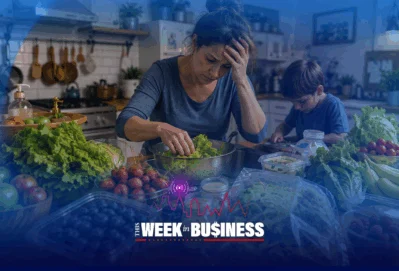
When the system designed to protect them falters, the burden of food safety is effectively shifted onto consumers and, particularly, parents. Low highlights the untenable expectation that individuals can adequately compensate for systemic failures. How can a parent, navigating a grocery store aisle, be expected to independently verify the safety protocols of every food producer? Relying on individual diligence to prevent widespread public health threats is not only impractical but also fundamentally unfair. It requires a level of expertise, time, and resources that most people do not possess, and it absolves government and industry of their shared responsibility. Trusting companies to regulate themselves, without robust, independent oversight, has repeatedly been shown to be insufficient, leading to tragic consequences when profit motives are prioritized over public health.
Industry Perspectives and Government Responses
The landscape of food safety is also shaped by the perspectives and actions of the industry and governmental bodies themselves.
Industry Efforts and Limitations
Food manufacturers and retailers often emphasize their significant investments in food safety technologies, internal quality control programs, and adherence to regulatory standards. Many large companies employ sophisticated hazard analysis and critical control point (HACCP) systems, conduct extensive testing, and engage in supply chain audits. Industry associations frequently advocate for science-based regulations and share best practices among members. However, the effectiveness of these efforts varies widely across companies, with smaller businesses often lacking the resources of larger corporations. Furthermore, the inherent drive for efficiency and cost reduction can sometimes create tension with comprehensive safety measures. While many companies are genuinely committed to safety, the absence of strong, independent government oversight can create a vacuum that allows less scrupulous actors to compromise standards.
Official Stances and Challenges
Government agencies like the FDA and USDA consistently affirm their commitment to food safety. They often highlight ongoing efforts to implement FSMA, develop new detection technologies, and collaborate with international partners to enhance global food safety. However, officials frequently acknowledge the significant challenges they face, primarily resource constraints and the ever-evolving complexity of the food supply chain. They often advocate for increased funding and legislative support to fulfill their mandates effectively. The balance between regulatory burden on industry and consumer protection is a constant point of debate, with different administrations often leaning towards varying levels of intervention.
Advocacy Voices
Consumer advocacy groups, public health organizations, and academic experts like Professor Low consistently serve as critical watchdogs, pushing for stronger regulations, increased funding for oversight agencies, and greater transparency from both government and industry. They argue that food safety should not be viewed as a cost to be minimized but as a fundamental investment in public health and economic stability. These groups often highlight specific instances of regulatory shortcomings and champion policies aimed at bolstering consumer protection.
Broader Implications for Public Trust and Policy
The erosion of food safety systems carries profound implications beyond the immediate health and economic costs. It strikes at the heart of public trust in governmental institutions and the social contract that underpins a functioning society. When citizens cannot rely on their government to ensure the basic safety of something as fundamental as food, it can lead to a broader loss of faith in public institutions.
This erosion of trust has ripple effects. It can foster cynicism, reduce compliance with other public health directives, and create an environment where misinformation thrives. For a democratic society, maintaining public trust in the government’s ability to protect its citizens is paramount.
Looking forward, the challenges to food safety demand a renewed commitment to policy innovation and sustained investment. This includes:
- Increased and Stable Funding: Ensuring that regulatory agencies like the FDA, USDA-FSIS, and public health departments at all levels receive adequate and consistent funding to hire, train, and retain sufficient staff, invest in modern technology, and conduct robust inspections and surveillance.
- Strengthening Oversight Mechanisms: Re-evaluating the balance between industry self-regulation and independent government oversight, potentially increasing the frequency and thoroughness of government inspections, and enhancing accountability for third-party certifiers.
- Investing in Public Health Infrastructure: Rebuilding and fortifying state and local public health departments, ensuring they have the resources for rapid outbreak detection, investigation, and response, and strengthening national surveillance networks like PulseNet.
- Adapting to New Challenges: Developing proactive strategies to address emerging food safety threats, such as those posed by climate change (e.g., increased pathogen survival, altered agricultural practices), novel food production methods, and the growing complexity of global food trade.
- Enhancing Transparency and Communication: Providing clear, accessible information to consumers about food safety risks, recalls, and regulatory actions, empowering them with knowledge while maintaining systemic protections.
In conclusion, Corinne Low’s assertion that food safety is a public good is a critical reminder that its provision cannot be left to chance or solely to market forces. The current trajectory of reduced staffing, weakened inspections, and diminished surveillance capabilities represents a concerning regression from decades of progress in public health. Reversing this trend requires a conscious and sustained commitment from government, in collaboration with industry and consumer advocates, to reinvest in the robust systems necessary to protect the food supply – a fundamental protection that every citizen should be able to count on without question.
About the Author