The rapid proliferation of artificial intelligence has created a profound rift between the architects of the technology and the public they intend to serve. While Silicon Valley executives continue to project a future of boundless productivity and personalized digital assistance, a growing body of evidence suggests that society is increasingly resistant to this vision. This disconnect is not merely a matter of marketing or public relations; it is a fundamental disagreement over the value, safety, and societal impact of generative AI. Recent surveys and cultural flashpoints indicate that the industry’s attempts to diagnose public skepticism have largely missed the mark, failing to account for deep-seated anxieties regarding job security, interpersonal relationships, and the environmental footprint of the massive infrastructure required to power these models.
The Widening Chasm Between Vision and Reality
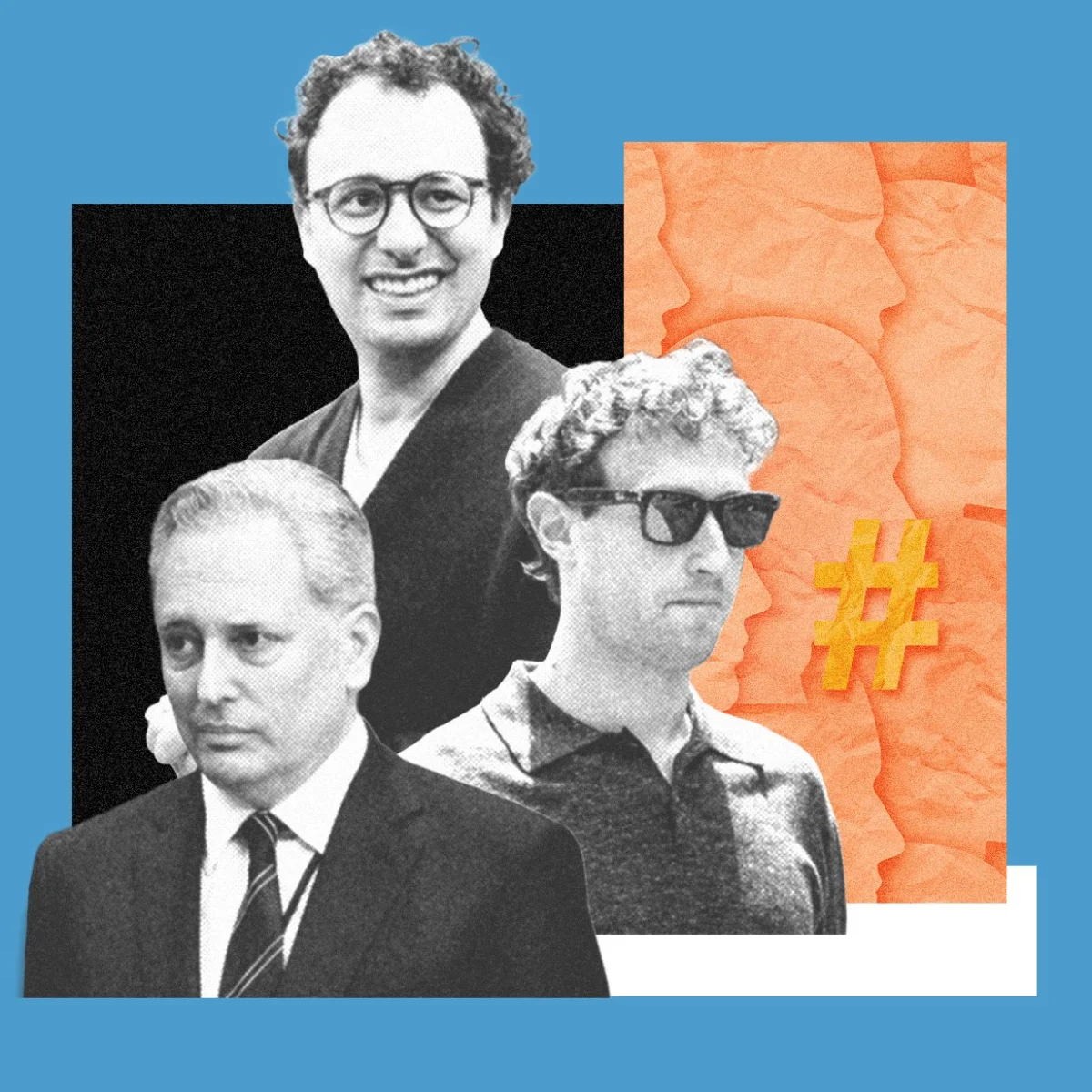
Silicon Valley is currently grappling with a reality that contradicts its foundational optimism: a significant portion of the global population is not looking forward to the AI-integrated future. For leaders like Meta CEO Mark Zuckerberg and Anthropic CEO Dario Amodei, the challenge has been to identify why a technology they view as revolutionary is being met with such widespread disdain. However, their public statements suggest a lack of alignment with the actual drivers of public sentiment. While executives often view the backlash as a temporary hurdle that can be cleared with better communication, data suggests the resistance is rooted in tangible concerns that go far beyond "misunderstandings" of the technology.
This sentiment has even permeated mainstream advertising and pop culture. In a recent commercial for Liquid Death and Garage Beer, former Philadelphia Eagles star Jason Kelce highlighted the visceral nature of the anti-AI movement. The advertisement, which encouraged people to send bottles of urine to AI data centers, tapped into a growing national frustration. Creative leads behind the campaign described the data center backlash as a rare unifying force in a polarized American landscape. This cultural satire reflects a deeper dissatisfaction with the physical and societal costs of the AI boom, signaling that the industry is no longer just fighting a battle of ideas, but a battle for public permission.
A Timeline of the Generative AI Backlash
To understand the current state of public distrust, one must look at the progression of generative AI from a niche curiosity to a pervasive societal force.
- November 2022: The launch of ChatGPT by OpenAI marks the beginning of the mainstream generative AI era. Initial public reaction is characterized by wonder and experimentation.
- Early 2023: Concerns begin to surface among educators regarding academic integrity, while artists and writers start protesting the use of copyrighted material for model training.
- Mid-2023: The Hollywood strikes (WGA and SAG-AFTRA) bring the issue of AI job displacement to the forefront of national conversation, framing AI as a tool for corporate cost-cutting rather than human empowerment.
- Late 2023: Reports on the immense water and energy consumption of data centers begin to circulate, shifting the narrative toward the environmental cost of "the cloud."
- 2024: Major tech companies, including Meta and Google, integrate AI directly into search engines and social media feeds, often without an "opt-out" for users. This leads to a surge in "AI slop" complaints and a measurable decline in user trust.
Quantifying the Anxiety: What the Data Shows
The scale of public concern is reflected in recent empirical data. According to a Pew Research Center survey published in late 2024, more than half of Americans under the age of 30 report being more concerned than excited about the advancement of AI. This figure represents a 24 percent increase in skepticism over the last five years. The concern is not limited to the youth; across all age groups, more than 70 percent of respondents believe that AI will inevitably lead to a net loss of jobs.
Beyond economic fears, the data reveals a broader spectrum of societal anxieties:
- Interpersonal Relationships: A significant portion of the public believes AI will diminish the ability of young people to form meaningful, authentic human connections.
- Intellectual Property: There is overwhelming support for regulations that would require tech companies to compensate creators whose work is used to train AI models.
- Critical Thinking: Educational experts and parents alike express fear that reliance on AI tools will erode the critical thinking and problem-solving skills of the next generation.
- Data Sovereignty: Polling from the Searchlight Institute suggests that hearing different "pro-AI" messages makes little difference in public opinion. The skepticism is not about the message; it is about the messenger and the perceived lack of accountability.
Silicon Valley’s Messaging Crisis: Zuckerberg and Amodei
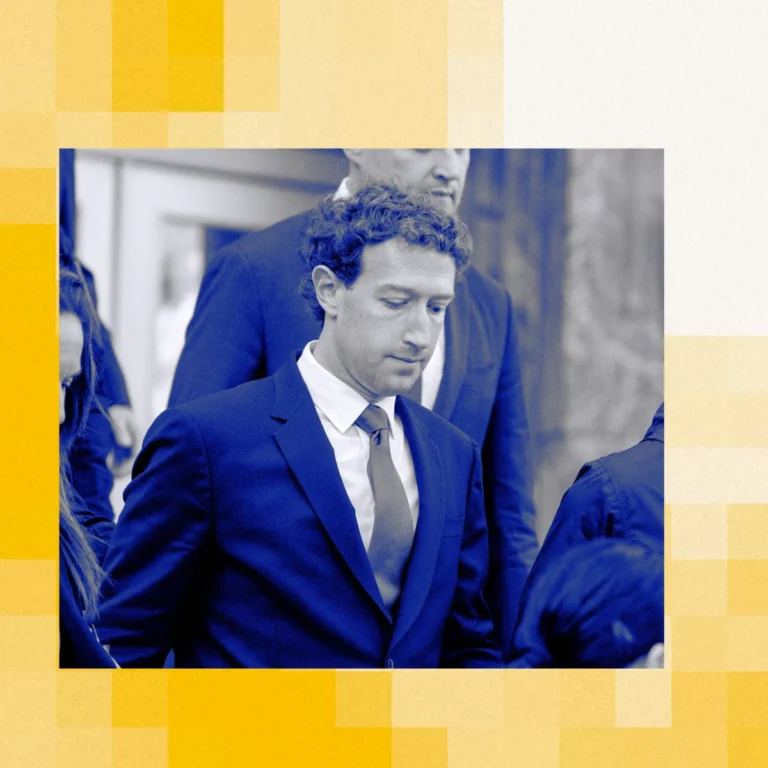
In response to this mounting pressure, tech leaders have taken different—and sometimes conflicting—approaches to defend their work. Mark Zuckerberg recently published a 6,500-word essay outlining a vision where every individual has a personalized AI assistant. This assistant would theoretically know the user intimately, assisting with everything from career development to parenting. Zuckerberg’s argument is that the "best-case scenario" involves giving everyone unfettered access to highly capable, open-source AI.
However, critics point out that this vision relies on a level of corporate trust that Meta has struggled to maintain following years of privacy scandals. The idea of an AI "raising children" or "knowing you intimately" strikes many as a dystopian intrusion rather than a helpful utility. Furthermore, Zuckerberg has aimed critiques at his peers, such as Dario Amodei, suggesting that the "doom-and-gloom" narratives coming from some AI labs are fueling public fear.
Amodei, for his part, has acknowledged that the industry is facing a "crisis of trust." In a public response to his critics, he argued that the tech industry has spent decades "cooking up new ways to screw people over," and AI is simply the latest iteration of this trend. While Amodei’s assessment of the trust deficit appears more grounded in reality, he maintains that the primary reason for the backlash is that AI companies have not yet delivered on "big promises," such as curing cancer. This suggests that even the more self-aware leaders in the Valley believe that a "killer app" or a medical breakthrough will eventually silence the critics.
The Physical Front Line: Data Centers and Community Resistance
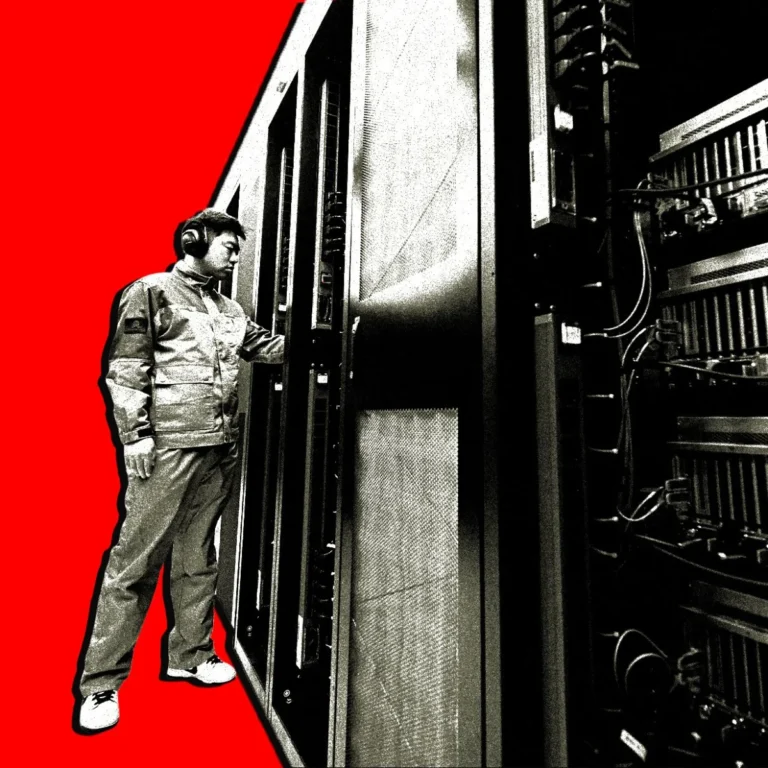
While the philosophical debate rages in Silicon Valley, a more tangible conflict is unfolding in local communities across the United States. Data centers, once invisible hubs of the internet, have become the physical manifestation of public resentment toward AI. These massive facilities require enormous amounts of electricity and water for cooling, often straining local grids and resources.
Tech companies have attempted to mitigate this by promising "responsible water usage" and "clean energy commitments." However, these promises are often met with skepticism by local residents who see little direct benefit from these facilities. The "Not In My Backyard" (NIMBY) sentiment has evolved into a broader political movement against the "data center-ification" of rural and suburban landscapes. For many, the data center represents a corporate entity that consumes local resources to produce a product—AI—that they fear will eventually replace their jobs.
Broader Impact and Implications
The persistent gap between tech executives and the public has significant implications for the future of AI adoption. If the industry fails to address the underlying causes of the backlash, it may face several critical hurdles:
1. Regulatory Stranglehold: As public sentiment turns against AI, lawmakers are more likely to pass restrictive legislation. This could include mandatory compensation for data usage, strict limits on data center energy consumption, and liability for AI-generated misinformation.
2. The "Trust Tax": Companies may find that even if they build superior products, users will refuse to engage with them due to a lack of trust. This "trust tax" could slow the adoption of AI in sensitive sectors like healthcare and finance, where human oversight is currently preferred.
3. Talent Retention and Recruitment: Rank-and-file employees at AI firms are increasingly reporting that they feel the weight of the public backlash in their personal lives. If working in AI becomes socially stigmatized—similar to the way some viewed the tobacco or oil industries in previous decades—tech companies may struggle to recruit the best and brightest minds.
4. Economic Volatility: Investors are beginning to worry that the industry is failing to comprehend the depth of the adoption problem. If the public refuses to use AI products at the scale required to justify the billions of dollars in infrastructure investment, the "AI bubble" could face a sharp correction.
Conclusion: The Path Toward Reconciliation
The current state of AI sentiment suggests that Silicon Valley cannot simply "message" its way out of this crisis. The backlash is a rational response to a technology that has been introduced with significant disruption and minimal public consultation. To earn the trust of a skeptical world, the industry must move beyond utopian essays and promises of future miracles.
Direct engagement with community concerns, transparent data practices, and a genuine commitment to job protection and creator compensation are likely the only paths forward. Until Silicon Valley leaders stop viewing the public’s fears as a branding problem to be solved and start seeing them as legitimate concerns to be addressed, the disconnect will only continue to grow. The future of AI may depend less on the capabilities of the models themselves and more on the industry’s ability to prove that its technology can exist in harmony with human values and societal stability.
About the Author