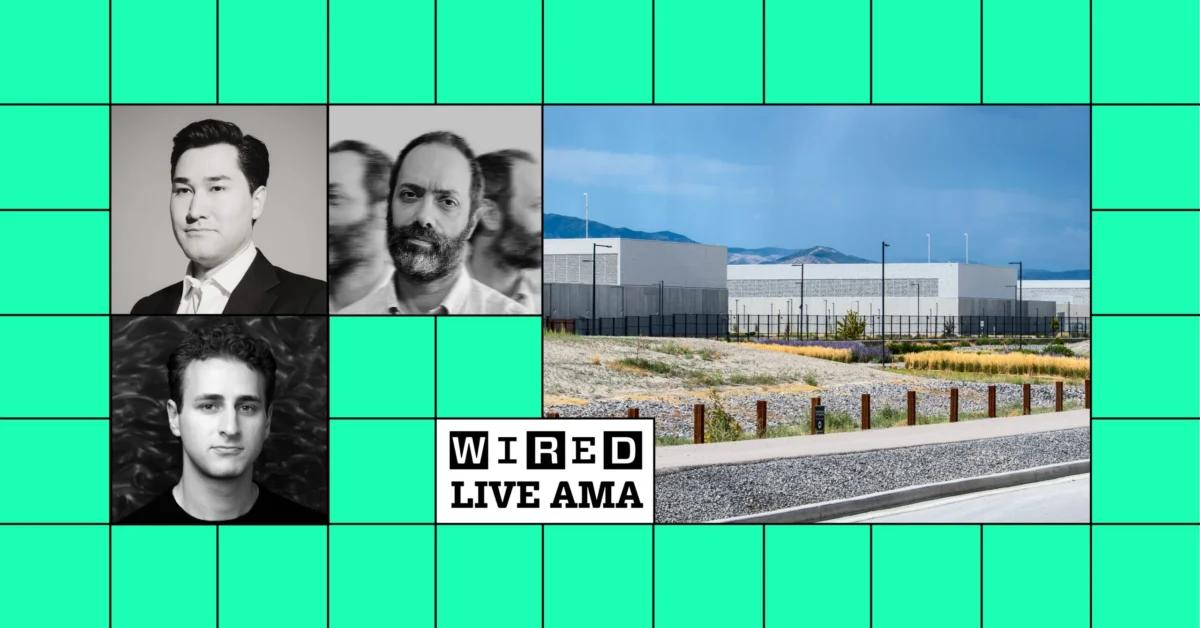
The rapid expansion of data center infrastructure has transformed these once-obscure industrial warehouses into a primary flashpoint for American political, economic, and environmental debate. As the technological backbone of the artificial intelligence (AI) revolution, data centers have transitioned from silent utility structures into significant consumers of national resources, prompting a wave of localized and national scrutiny. With the 2026 midterm elections approaching, the proliferation of these facilities is emerging as a rare issue that activates voters across the political spectrum, uniting diverse groups over concerns regarding energy grid stability, water conservation, and land use. To address the complexities of this industrial surge, WIRED has announced a comprehensive livestream AMA (Ask Me Anything) scheduled for September 10 at 12:00 PM ET / 9:00 AM PT, featuring a panel of experts tasked with deconstructing the multifaceted impact of the data center boom.
The Transformation of the Digital Landscape
For decades, data centers operated largely out of the public eye. Often located in industrial parks or rural areas with favorable tax incentives, these buildings housed the servers necessary for the early internet and the subsequent shift to cloud computing. However, the emergence of generative AI and large language models (LLMs) has fundamentally altered the scale and density of these facilities. Unlike traditional cloud storage, AI training requires immense computational power provided by high-performance Graphics Processing Units (GPUs), which generate significantly more heat and require vastly more electricity and sophisticated cooling systems.
This shift has led to the rise of "hyperscale" data centers—facilities that span hundreds of thousands of square feet and consume enough power to support mid-sized cities. As tech giants like Amazon, Google, Microsoft, and Meta race to secure the infrastructure necessary to dominate the AI market, the physical footprint of the internet is becoming impossible to ignore. What was once a technical necessity has become a visible and audible neighbor for millions of Americans, sparking a debate that touches on the very core of how the nation balances technological progress with local sustainability.
Energy Consumption and Grid Reliability
The most pressing concern surrounding data center expansion is the unprecedented demand on the United States electrical grid. According to the International Energy Agency (IEA), data centers accounted for approximately 460 terawatt-hours (TWh) of electricity consumption globally in 2022, a figure that is projected to potentially double by 2026. In the United States, which houses the largest concentration of data centers in the world, the strain is already being felt in key markets.
In Northern Virginia, often referred to as "Data Center Alley," the concentration of these facilities is so high that local utilities have struggled to keep pace with transmission requirements. Dominion Energy, the primary utility provider in the region, has previously warned that the sheer volume of new connection requests could outpace the construction of new power lines and substations. This has led to a broader national conversation about grid reliability. As data centers demand 24/7 "baseload" power, there is growing tension between the tech industry’s demand for energy and the national transition toward renewable energy sources. While many tech companies have pledged to be carbon-neutral or carbon-negative by 2030, the immediate reality often requires keeping older coal and natural gas plants online longer than planned to meet the surge in demand.
Environmental Impact: Water Usage and Noise Pollution
Beyond electricity, the environmental footprint of data centers extends to local water supplies and acoustic environments. Most high-density data centers utilize evaporative cooling systems to prevent servers from overheating. In arid regions like Arizona and Utah, where data center construction has surged, the use of millions of gallons of potable water daily has drawn sharp criticism from environmental advocates and local residents facing long-term drought conditions.
Furthermore, the physical presence of these facilities has introduced a new form of industrial disturbance: noise pollution. Large-scale cooling fans and backup generators produce a constant, low-frequency hum that can carry for miles. In residential areas adjacent to data center hubs, homeowners have reported sleep disturbances and decreased quality of life, leading to organized protests and legal challenges. This "acoustic footprint" has become a central rallying cry for grassroots movements, transforming data center zoning from a routine administrative task into a high-stakes political battleground.
A Chronology of the Data Center Boom
To understand the current tension, it is necessary to trace the evolution of data center development over the last quarter-century:
- 2000–2010: The Colocation Era. Data centers were primarily small-scale facilities used for "colocation," where businesses rented space for their own servers. They were largely concentrated in major urban hubs like New York City, Chicago, and Silicon Valley.
- 2011–2018: The Cloud Migration. The shift toward cloud computing (AWS, Azure, Google Cloud) led to the construction of larger, centralized hubs. Tax incentives in states like Virginia, Iowa, and Oregon began to shift the geography of data centers toward suburban and rural landscapes.
- 2019–2022: The Pandemic Acceleration. The global shift to remote work and digital services increased data demand exponentially. Companies began "land grabbing" for future data center sites, securing power and water rights in anticipation of further growth.
- 2023–Present: The AI Explosion. The release of ChatGPT and the subsequent AI arms race led to a massive spike in infrastructure spending. "AI-ready" data centers, which require significantly higher power density, became the industry standard, leading to the current friction with local communities and energy regulators.
The Political Landscape and the 2026 Midterms
The backlash against data centers is unique because it does not adhere to traditional party lines. Conservative voters in rural areas often object to the industrialization of farmland and the perceived overreach of "Big Tech," while progressive voters in urban and suburban areas focus on the environmental impact and the strain on public utilities. This convergence of interests has made data center regulation a potent issue for the 2026 midterm elections.
Candidates at the local and state levels are increasingly being forced to take a stance on "Data Center Legislation." In states like Maryland and Georgia, lawmakers have introduced bills to curb tax breaks for data centers or to mandate stricter environmental standards. Nationally, the debate is shifting toward federal oversight of the energy grid and the role of the Federal Energy Regulatory Commission (FERC) in managing the competing demands of industrial growth and consumer energy costs.
Political analysts suggest that the "data center issue" could influence key swing districts where industrial development is clashing with residential expansion. As voters demand more transparency regarding how much power and water these facilities use—and who pays for the necessary infrastructure upgrades—politicians are finding that the "jobs and tax revenue" argument is no longer a guaranteed winner.
Industry and Community Perspectives
The debate features several key stakeholders with often-conflicting priorities:
The Tech Industry: Companies argue that data centers are the essential "factories" of the 21st-century economy. They point to the billions of dollars in capital investment and the tax revenue they provide to local municipalities, which often funds schools and public services. Industry leaders emphasize their commitment to "green" energy, noting that tech companies are among the largest corporate buyers of renewable energy in the world.
Environmental Advocates: Organizations like the Sierra Club and various water-rights groups argue that the "green" claims of tech companies are often offset by the reality of increased fossil fuel use to maintain grid stability. They call for stricter regulations on water discharge and more transparent reporting of carbon footprints.
Local Residents: Community groups, such as "Citizens for Responsible Development," focus on the immediate impacts: noise, traffic during construction, and the visual blight of massive warehouses and high-voltage transmission lines. Their primary goal is often "siting" reform—ensuring that these facilities are built in truly industrial zones rather than near homes or sensitive ecological areas.
Broader Implications and the Path Forward
The outcome of the current data center debate will have profound implications for the future of the United States. If the country cannot find a way to accommodate the infrastructure needs of the AI industry while protecting its natural resources and energy grid, it risks falling behind in the global technological race. Conversely, if development continues unchecked, it may lead to a permanent degradation of local environments and a public backlash that could result in draconian regulations.
As the September 10 AMA approaches, the discussion is expected to pivot toward potential solutions. These include the development of "liquid cooling" technologies that use less water, the siting of data centers near nuclear power plants for carbon-free baseload energy, and the implementation of more rigorous federal standards for data center efficiency.
The WIRED livestream will provide a critical platform for these discussions, allowing the public to engage directly with experts who are navigating the intersection of technology, policy, and the environment. As data centers continue to reshape the American landscape, understanding the forces behind their growth—and the resistance to it—is essential for any citizen concerned with the future of the digital and physical world.
How to Participate in the Discussion
The upcoming livestream AMA on September 10 at 12:00 PM ET / 9:00 PM PT is open to the public, with a specific focus on answering questions submitted by the community. Experts on the panel will cover topics ranging from the technical requirements of AI hardware to the legal challenges of zoning and the economics of the power grid.
Subscribers to WIRED will have full access to the event and subsequent replays, while the broader public is encouraged to submit questions through the official comment sections provided by the organizers. This event serves as a precursor to the deeper investigative reporting expected as the 2026 election cycle begins to take shape, placing data center infrastructure at the heart of the national conversation.
About the Author