The marketing landscape is in a state of unprecedented flux, with a staggering 70% of marketers reporting that the industry has transformed more in the last three years than in the preceding half-century. This seismic shift necessitates a parallel evolution in the tools marketers rely on, particularly marketing automation platforms. For years, Pardot, now known as Marketing Cloud Account Engagement, has been a cornerstone of B2B marketing operations. However, a perceived stagnation in its development has prompted a significant number of businesses to seek more agile and contemporary alternatives. This article delves into the reasons behind this exodus, examines the leading platforms chosen by migrating businesses, and offers expert insights on navigating a successful transition.
The Driving Force Behind the Pardot Migration
The core impetus for businesses evaluating alternatives to Pardot stems from a confluence of factors, primarily centered around its perceived lack of ongoing development and the looming threat of discontinuation. Tom Ryan, a seasoned Pardot consultant and founder of MarCloud, a firm specializing in marketing automation migrations, observes a clear trend. "There’s no development on the platform," Ryan states emphatically. "There’s a clear migration path. To me, it feels like it’s just a case of ‘when’ not ‘if’ it will be discontinued." This sentiment is echoed by many users who fear investing further in a platform that may eventually become obsolete.

Beyond the existential concerns, persistent technical and functional limitations are driving dissatisfaction. Ryan highlights revenue attribution and reporting as significant pain points. "Revenue attribution is incredibly difficult if you do not know how to do it," he explains. "Users need to wrestle with the Pardot-Salesforce sync." The complexity of accurately tracking the return on marketing investment through Pardot is a common frustration, particularly for teams aiming for sophisticated attribution models.
Reporting capabilities also present a considerable challenge. "The reports are not customizable in Pardot, and therefore, people cannot get the reports they need," Ryan elaborates. "Clear reporting in general is very difficult for people to achieve, without consultant-level knowledge." This lack of flexibility forces businesses to either accept suboptimal reporting or incur additional costs for expert assistance to extract meaningful insights. The inherent difficulties in data synchronization between Pardot and Salesforce, its parent CRM, further exacerbate these reporting and attribution challenges, leading to data silos and a less cohesive view of marketing performance.
Charting the Course: Key Criteria for Evaluating Pardot Alternatives
As businesses actively seek replacements for Pardot, a structured evaluation process is crucial. Experts emphasize several key criteria that should guide this decision-making:

CRM Integration: The Foundation of Marketing Automation
A seamless integration with a Customer Relationship Management (CRM) system is paramount for effective marketing automation. Platforms that offer native, robust CRM capabilities or a deep, bi-directional sync with popular CRMs like Salesforce are highly sought after.
- HubSpot and Zoho: Both platforms stand out for offering comprehensive CRM functionalities integrated directly into their marketing automation suites. This is particularly appealing to businesses looking to consolidate their technology stack or those contemplating a move away from Salesforce entirely.
- Salesforce Marketing Cloud Next: This platform, designed as Salesforce’s successor to Pardot, operates natively on Salesforce’s Data Cloud. This eliminates the need for separate system synchronization, directly addressing the data silo issues that plague Pardot. However, its suitability depends on a team’s commitment to the broader Salesforce ecosystem.
- Marketo and ActiveCampaign: For teams committed to retaining Salesforce as their CRM, Marketo and ActiveCampaign offer native, two-way Salesforce integrations. ActiveCampaign also provides its own lightweight CRM, offering a flexible consolidation option for some businesses.
Automation Capabilities: Driving Engagement and Efficiency
The core function of marketing automation lies in its ability to streamline and automate repetitive tasks, nurture leads, and personalize customer journeys. Alternatives are evaluated on the sophistication and flexibility of their automation engines.
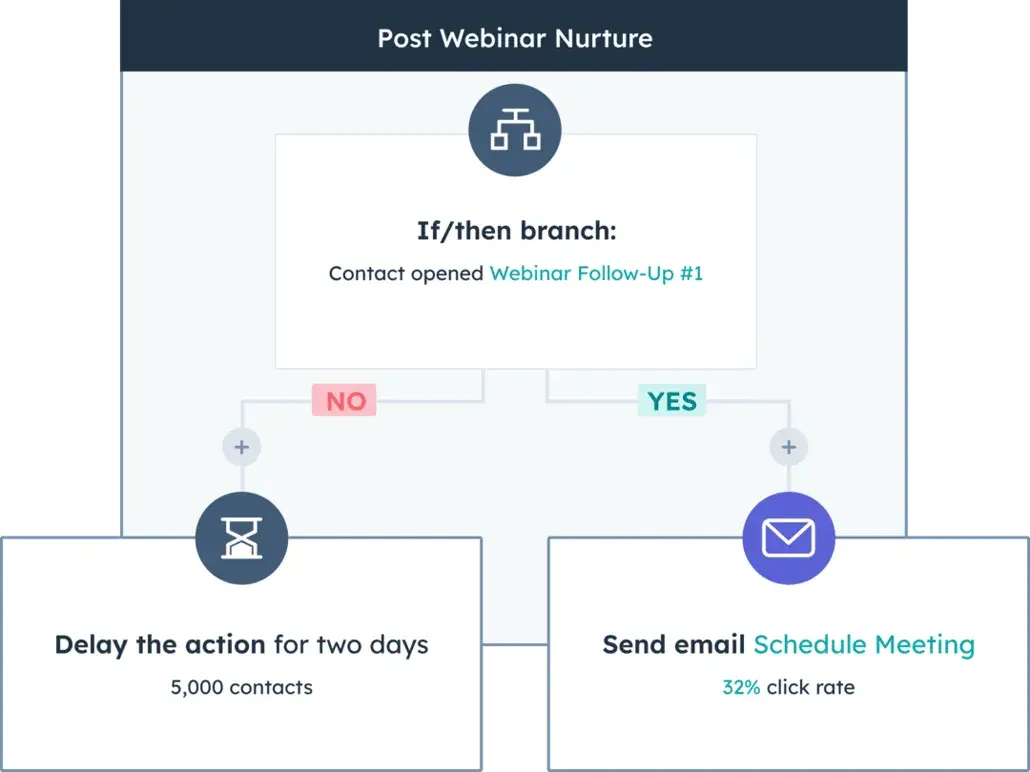
- Workflow Builders: The ease of creating multi-step nurture campaigns, triggered by various data points such as behavior, lifecycle stage, or CRM data, is a key differentiator.
- AI-Powered Features: The integration of artificial intelligence for tasks like lead scoring, predictive analytics, and personalized content delivery is increasingly becoming a standard expectation.
- Scalability: The platform’s ability to scale with a company’s growth, handling increasing contact volumes and campaign complexity without performance degradation, is critical for long-term viability.
Integrations and Ecosystem:
Beyond CRM, the ability to integrate with other essential marketing and sales tools (e.g., email marketing platforms, social media management tools, analytics dashboards, webinar platforms) is vital for a cohesive marketing technology stack.
User Experience and Ease of Use:
A platform’s intuitiveness and user-friendliness directly impact adoption rates and the time-to-value. A steep learning curve can hinder productivity and necessitate extensive training.
Reporting and Analytics:
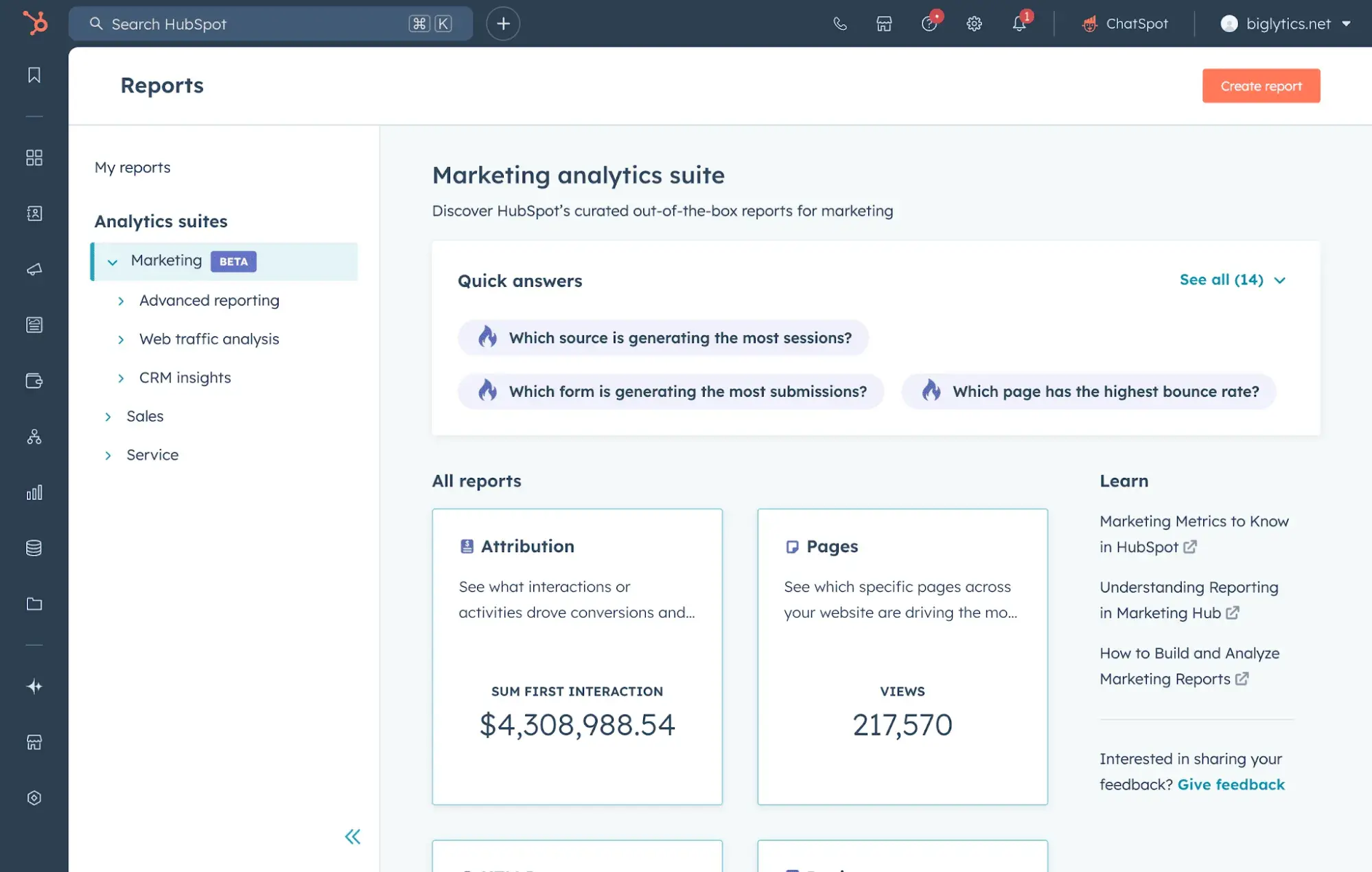
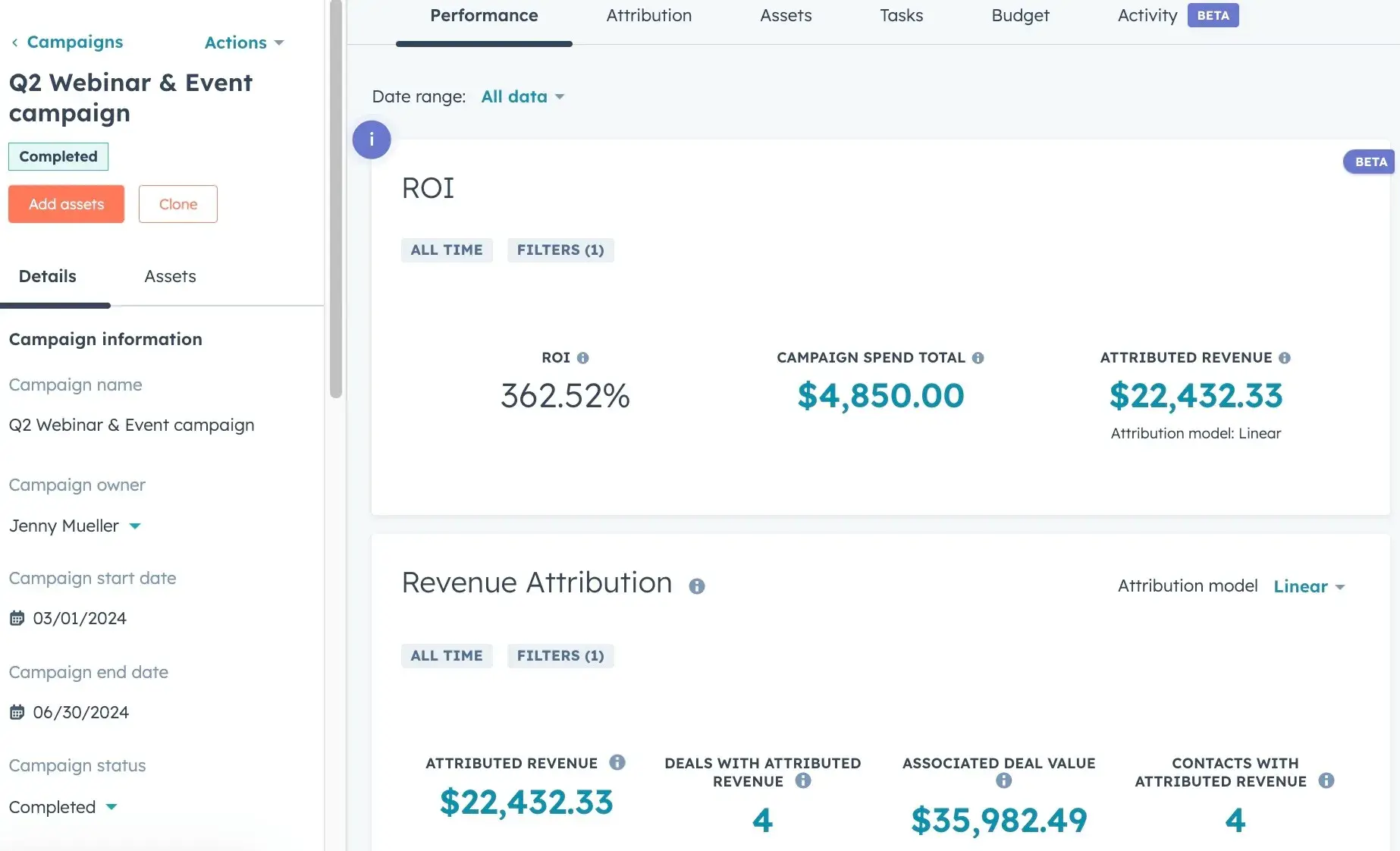
Robust, customizable reporting and analytics are essential for measuring campaign performance, understanding customer behavior, and demonstrating ROI. The ability to generate clear, actionable insights without requiring advanced technical expertise is a significant advantage.
Pricing and Value:
The cost of a marketing automation platform, including tiered pricing structures, implementation fees, and potential hidden costs, is a crucial consideration. Businesses seek solutions that offer a strong return on investment.
Leading Pardot Alternatives in the B2B Arena
The market offers a diverse range of marketing automation platforms, each with its unique strengths. Based on expert analysis and user trends, several platforms have emerged as popular destinations for businesses migrating from Pardot:
1. HubSpot Marketing Automation: The All-in-One Solution
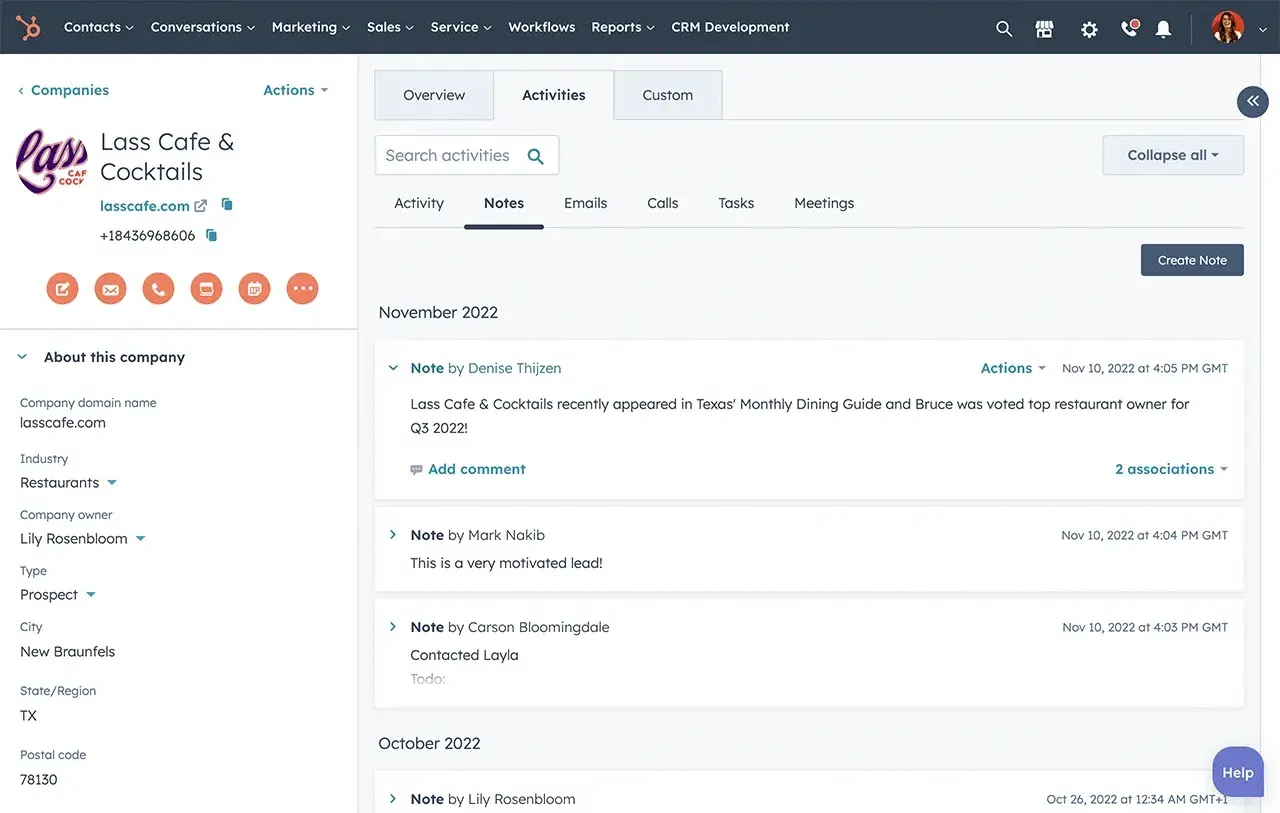
HubSpot Marketing Automation is frequently cited as the most common destination for Pardot users. Ryan notes, "Pardot to HubSpot makes the most sense. There’s a lot of architectural similarities between Pardot and HubSpot via the connector. So there’s a familiarity there, and you get so much more."
- Key Features: HubSpot offers sophisticated multi-step nurture workflows, a user-friendly drag-and-drop interface for campaign creation, and a powerful, integrated CRM. Its strength lies in consolidating marketing, sales, and service data under one roof, directly addressing Pardot’s siloed design.
- CRM Integration: HubSpot provides the option to either replace Salesforce CRM with HubSpot CRM or leverage a native two-way sync to maintain data alignment between the two platforms.
- User Feedback: G2 reviews consistently highlight HubSpot’s ease of use, email marketing capabilities, and automation features as its primary strengths. Common drawbacks mentioned include a learning curve and occasional missing features for highly specialized use cases.
- Pricing: HubSpot offers a free plan for up to two users, with paid plans starting at $10 per month per seat, making it an accessible option for businesses of all sizes.
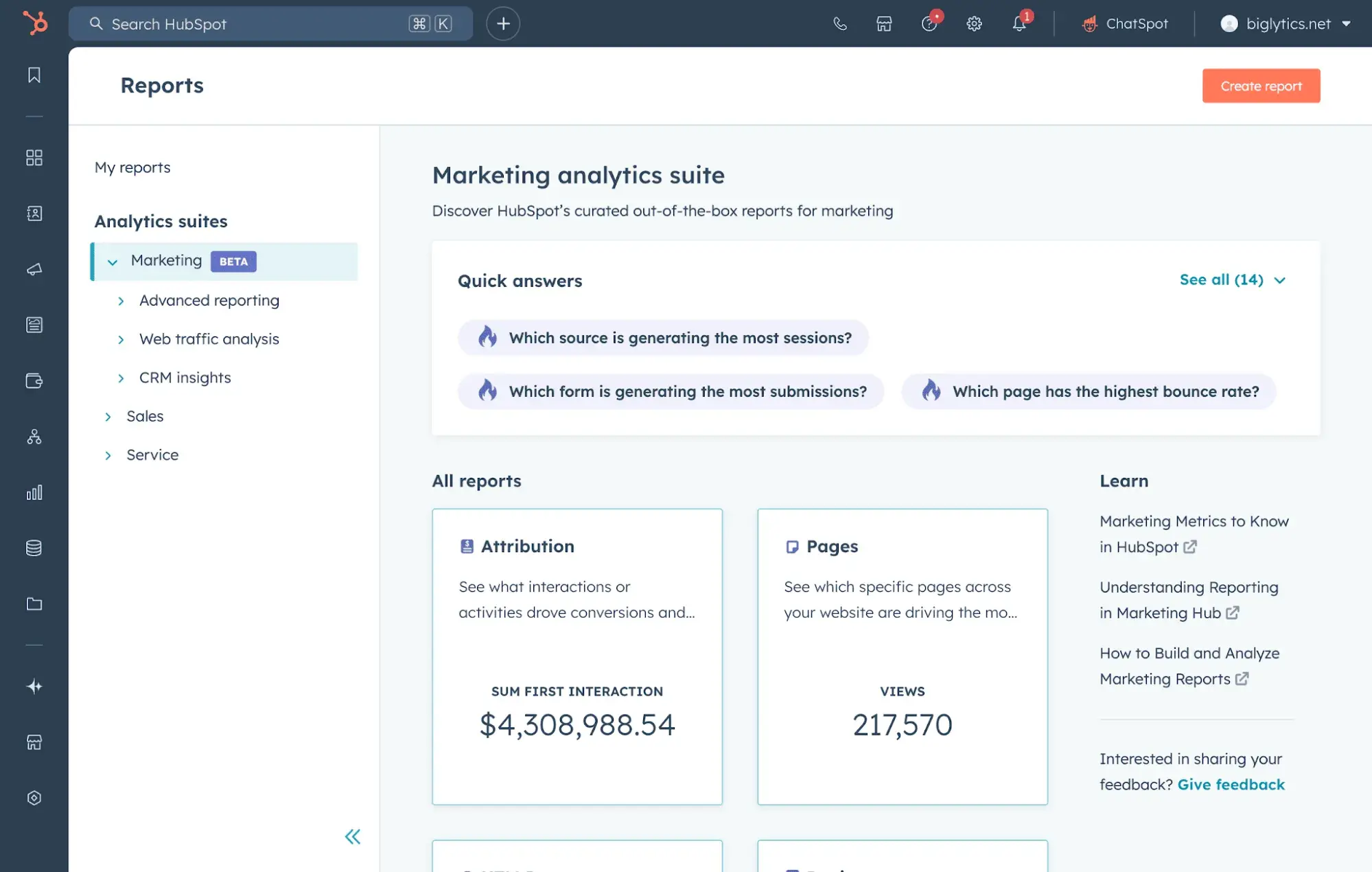
2. Salesforce Marketing Cloud Next: The Salesforce Ecosystem Path
For organizations deeply invested in the Salesforce ecosystem, Marketing Cloud Next represents Salesforce’s strategic direction for its marketing automation users.
- Key Features: Built natively on Salesforce’s Data Cloud, this platform aims to provide a more integrated and scalable solution than Pardot. It is designed for large enterprises with complex needs and a significant existing investment in Salesforce products.
- CRM Integration: As a native Salesforce product, it offers unparalleled integration with other Salesforce clouds and functionalities.
- User Feedback: Reviews for Agentforce Marketing (which encompasses Marketing Cloud Next) show a divergence of opinion regarding usability, with some praising its ease of use and others citing complexity and a steep learning curve.
- Pricing: The Growth Edition begins at $1,500 per organization per month, positioning it as a premium enterprise solution.
- Implications: While Salesforce is directing customers to Marketing Cloud Next, Ryan points out that this often triggers a broader technology review. "So it isn’t necessarily that people are blindly going towards Marketing Cloud Next," he observes. "Quite a lot of customers are going. The most common direction is HubSpot." This suggests that even within the Salesforce ecosystem, alternative solutions are being favored.
3. Adobe Marketo Engage: Enterprise-Grade Automation
Marketo is a robust, enterprise-level marketing automation platform well-suited for organizations that have outgrown Pardot’s capabilities.
- Key Features: Marketo offers advanced automation features, sophisticated lead management, and robust analytics. It is known for its powerful functionality but also for its complexity, often requiring dedicated resources for implementation and ongoing management.
- CRM Integration: Marketo provides a native, bi-directional sync with Salesforce, catering to businesses that wish to maintain their existing CRM infrastructure.
- User Feedback: Strengths cited include its automation capabilities and feature set. However, users frequently point to a steep learning curve, unintuitive design, and overall complexity as drawbacks.
- Pricing: Adobe does not publicly disclose Marketo’s pricing, requiring businesses to engage in a custom quote process. This typically indicates a higher price point, aligned with enterprise-level solutions.
- Analysis: Marketo’s emphasis on features over immediate ease of use makes it a strong contender for complex B2B marketing operations with dedicated teams and budgets for customization.
4. ActiveCampaign: AI-Forward Simplicity
ActiveCampaign positions itself as an AI-forward marketing automation platform that also includes a lightweight CRM.
- Key Features: It offers multi-channel automation, a native two-way Salesforce sync, and an AI-powered "active intelligence" feature that allows users to interact with the platform using natural language.
- CRM Integration: The platform provides a native Salesforce sync, appealing to users who want to maintain Salesforce but consolidate their marketing automation. It also includes its own CRM for those looking to consolidate further.
- User Feedback: Users commend its ease of use and automation capabilities. However, recurring complaints center on the learning curve and limited reporting features.
- Pricing: Plans start at $15 per month and scale rapidly based on contact volume, making it a cost-effective option for smaller teams but potentially escalating quickly for larger organizations.
- Analysis: ActiveCampaign’s AI capabilities and natural language interface offer a distinct advantage for users seeking a more intuitive experience compared to Pardot’s more technical approach. However, its rapid scaling costs warrant careful consideration for growing businesses.
5. Zoho Marketing Automation: Budget-Friendly Consolidation
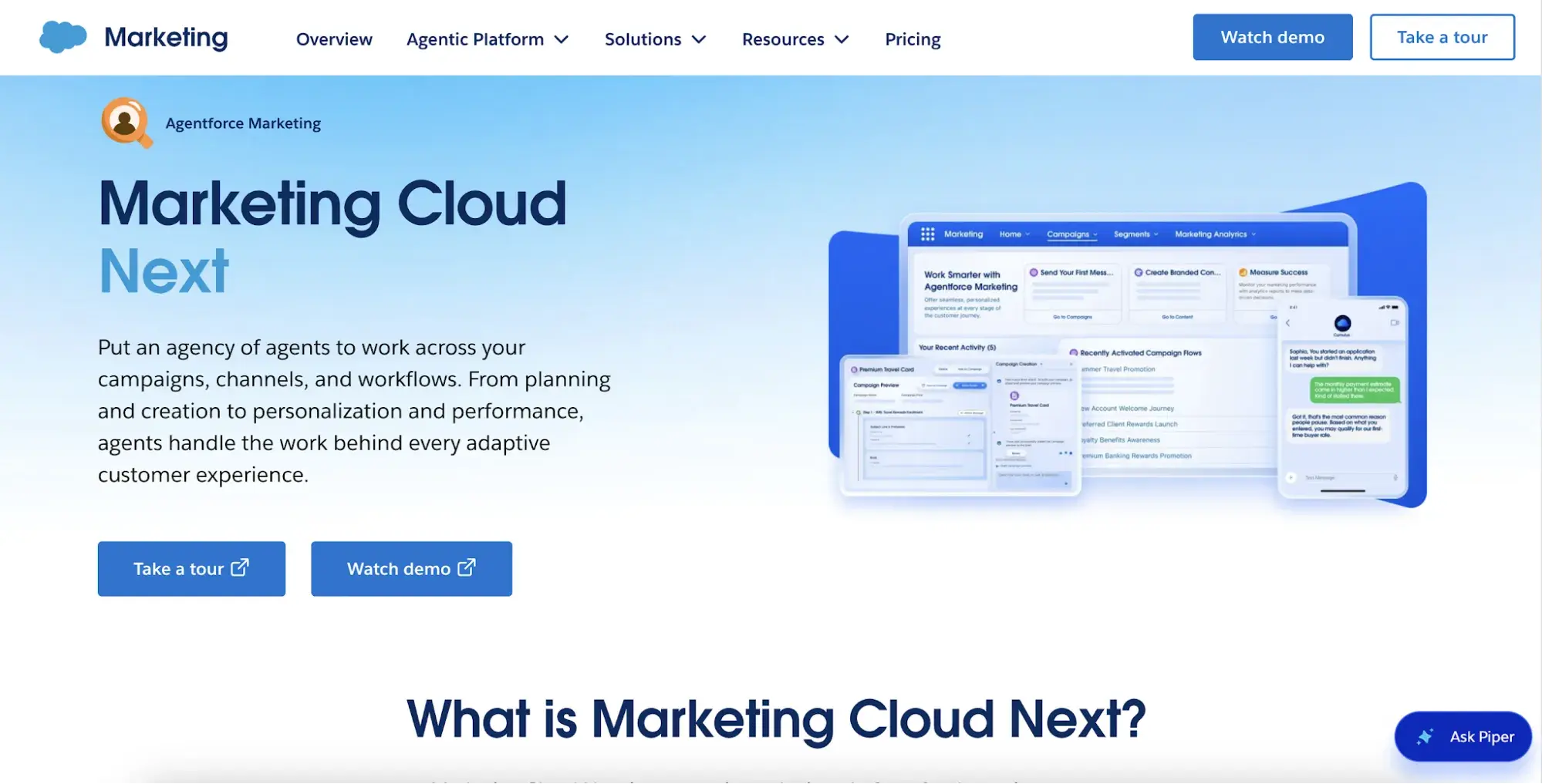
Zoho Marketing Automation provides a comprehensive suite of tools that natively sync with Zoho CRM and other Zoho applications.
- Key Features: The platform leverages customer data for lead scoring, campaign generation, and personalized outreach. It is designed to be an integrated solution within the broader Zoho ecosystem.
- CRM Integration: It offers native synchronization with Zoho CRM, making it an ideal choice for businesses already utilizing Zoho’s CRM or considering a full suite of Zoho products.
- User Feedback: While users praise its marketing automation capabilities, reports of issues with customer service and reporting limitations are notable.
- Pricing: Plans start at $19 per month for 1,000 contacts, positioning Zoho as a budget-friendly alternative for small to medium-sized businesses with straightforward data requirements.
- Analysis: Zoho’s primary appeal lies in its affordability and its ability to provide a cohesive marketing and CRM solution for smaller businesses, particularly those looking to move away from Salesforce entirely without incurring significant costs.
Navigating the Migration: Expert Guidance for a Smooth Transition
Migrating from a platform like Pardot to a new marketing automation system is a complex undertaking. Tom Ryan emphasizes that underestimating the "translation factor" is one of the most common pitfalls. This involves more than just moving data; it requires understanding how functionalities and concepts differ between platforms.
Understanding Campaign Attribution Modeling Differences
"A Salesforce campaign is a completely different object from a HubSpot campaign," Ryan explains, highlighting the need for careful translation. Businesses must consider where campaign attribution modeling will reside in the new system and whether existing Salesforce campaign hierarchies are worth replicating. Decisions need to be made regarding whether attribution will be managed within the new marketing automation platform, the CRM, or a combination of both. This requires a strategic assessment of how marketing efforts will be tracked and measured moving forward.
Prioritizing Migration Efforts
Ryan advises organizing migration priorities into three key buckets:
- Data Migration: Ensuring all relevant contact, company, and historical data is accurately transferred to the new platform. This includes segmenting and cleaning data before migration.
- Workflow and Automation Translation: Recreating and adapting existing nurture campaigns, automation rules, and engagement programs in the new system. This is where the "translation factor" is most critical, as direct porting is often not possible.
- Reporting and Analytics Reconfiguration: Setting up new reporting dashboards and ensuring that key performance indicators (KPIs) can be accurately tracked and analyzed in the new environment.
With meticulous planning and thorough discovery, Pardot migrations can be completed in as little as one month, though a typical timeline often spans two to three months.
Addressing Common Migration Concerns
- Lead Scoring and ABM Models: Both lead scoring and Account-Based Marketing (ABM) models typically need to be rebuilt on the new platform. Pardot’s out-of-the-box scoring model does not transfer directly. However, existing scores and grades can be retained for segmentation purposes, offering an opportunity to refine and enhance these models based on past learnings. Similarly, Engagement Studios and ABM automations do not port easily, necessitating careful planning to ensure prospects continue their journeys seamlessly in the new system.
- Maintaining Salesforce CRM: Businesses can successfully transition away from Pardot while retaining Salesforce for sales operations. Pardot is billed as a distinct component within the Salesforce suite, allowing for its removal without impacting other Salesforce products like Sales Cloud.
- Budgeting for the First Year: A crucial aspect of migration planning is budgeting. Companies should account for the platform’s list price based on their current size, projected growth in users and contacts, and potential tier upgrades. Additionally, onboarding and implementation fees, which some platforms mandate in the first year, should be factored in.
The Future of Marketing Automation: Adaptability and Integration
The mass migration away from Pardot underscores a fundamental truth in the modern business environment: adaptability and continuous innovation are no longer optional but essential for survival. The marketing industry’s rapid evolution demands tools that can keep pace, offering not just functionality but also flexibility, robust analytics, and seamless integration. The platforms emerging as leading Pardot alternatives—HubSpot, Salesforce Marketing Cloud Next, Marketo, ActiveCampaign, and Zoho Marketing Automation—each cater to different needs and budgets, but they share a common thread: a commitment to evolving alongside the dynamic marketing landscape.
For businesses currently utilizing Pardot, the decision to migrate represents a strategic investment in future growth and efficiency. By carefully evaluating alternatives, understanding the complexities of migration, and leveraging expert guidance, organizations can successfully transition to platforms that empower them to meet the challenges and seize the opportunities of today’s ever-changing marketing world.
About the Author