The digital landscape is currently undergoing its most significant transformation since the inception of the commercial search engine, as traditional Search Engine Optimization (SEO) begins to share the stage with a new discipline known as AI Optimization (AIO). This shift marks a move away from the "ten blue links" model that has dominated the internet for two decades, transitioning toward a system where Large Language Models (LLMs) like ChatGPT, Claude, and Perplexity synthesize information to provide direct, cited answers to user queries. For content creators and businesses, this represents a fundamental change in how organic traffic is generated, as the "click-through" journey is increasingly replaced by "answer-engine" discovery.
The Evolution of Discovery: From Keywords to Conversational Synthesis
For over twenty years, the hierarchy of the internet was governed by Google’s PageRank and subsequent algorithmic updates. The process was linear: a user entered a keyword, scanned a list of results, and visited multiple websites to piece together an answer. However, the release of OpenAI’s ChatGPT in November 2022 catalyzed a rapid departure from this behavior. ChatGPT reached 100 million monthly active users within just two months, the fastest growth for a consumer application in history.
By early 2025, the search paradigm has shifted toward natural language processing. Users no longer type fragmented keywords; they ask complex, multi-layered questions. AI models respond by retrieving real-time web data and summarizing it into a single, cohesive response. This evolution has birthed AIO, the practice of ensuring content is not just indexable by search engines, but "citable" by AI models. Unlike SEO, which prioritizes backlink profiles and keyword density, AIO focuses on semantic relevance, factual density, and the ability of a model to extract clear, authoritative answers from a source.
The Strategic Pivot of Global Search Leaders
The most significant validation of this shift came from Google itself. In response to the growing dominance of conversational AI, the company launched "AI Mode," a feature now available in over 180 countries. This interface provides AI-generated summaries at the top of the search results page, often pushing traditional organic listings below the fold.
Market analysts have noted the fiscal success of this transition. In the first quarter of 2025, Google reported a 10% increase in search-related revenue, reaching $50.7 billion, largely attributed to the integration of AI features that improve user engagement. While Google initially faced scrutiny regarding the accuracy of AI-generated answers, the technology has become a permanent fixture of its ecosystem. For digital publishers, the implication is clear: appearing in the AI-generated summary is becoming more valuable than ranking in the traditional top three search positions.
Technical Mechanics of AI Optimization
AIO differs from traditional SEO in its underlying logic. Traditional search algorithms are largely deterministic, relying on signals like site speed, mobile responsiveness, and domain authority. AI models, conversely, are probabilistic. They evaluate content based on how well it satisfies the "intent" of a query and how easily the information can be parsed into a summary.
Industry experts have identified several core pillars of a successful AIO strategy:
1. Factual Density and Verifiable Data
AI models demonstrate a measurable preference for content grounded in specific statistics and numbers. In an era of misinformation, models are trained to value "hard" data points over generalities. Content that includes specific figures—such as "150,000 active users" rather than "a large user base"—is significantly more likely to be cited as a credible source.
2. Semantic Structure and Natural Language
Traditional keyword stuffing is detrimental to AIO. Because models process language semantically, content must be structured to answer natural language questions. This includes using H2 and H3 subheadings formatted as questions (e.g., "What are the benefits of WordPress for SaaS?") and providing concise, direct answers immediately following the heading.
3. Community-Driven Authority
Data suggests that AI models heavily weight information found on community platforms such as Reddit and Quora. These sites are perceived as repositories of authentic human experience. When a brand or expert is consistently mentioned in these forums, it creates a "halo effect" that increases the likelihood of the AI citing that brand in its responses.
4. Technical Schema and JSON-LD
The use of structured data markup, specifically JSON-LD (JavaScript Object Notation for Linked Data), remains a critical bridge between traditional and AI search. This code helps models understand the relationship between different pieces of information on a page, such as identifying a list of steps in a "How-To" guide or the specific features of a product.
The Analytics Gap: Measuring the Invisible Click
One of the primary challenges facing the AIO industry is the lack of native analytics. Unlike Google Search Console, which provides granular data on impressions and clicks, platforms like ChatGPT and Perplexity do not yet offer comprehensive dashboards for website owners. This has led to the emergence of a new sector in the MarTech (Marketing Technology) industry.
Professional SEO tools such as Ahrefs and SE Ranking have recently introduced AI tracking features, with subscription costs ranging from $95 to over $300 per month. These tools work by programmatically querying AI models and recording when specific websites are cited. For smaller creators, the trend has shifted toward "no-code" automation. Using platforms like Make.com, savvy publishers are building custom scenarios that test their visibility across multiple LLMs daily, storing the results in databases to track performance trends over time.
Chronology of the AI Search Revolution
- November 2022: OpenAI releases ChatGPT, introducing the public to conversational AI.
- January 2023: Microsoft integrates GPT-4 into Bing, marking the first major "AI Search" experiment.
- May 2023: Google announces the Search Generative Experience (SGE) at its I/O conference.
- Early 2024: Perplexity AI gains significant market share, positioning itself as the first "Answer Engine."
- Late 2024: Google rolls out "AI Mode" globally to 180+ countries, making AI summaries the default for millions of queries.
- Q1 2025: Financial reports show a 10% surge in search revenue linked to AI integration, cementing the technology’s future in the industry.
Broader Impact and Industry Implications
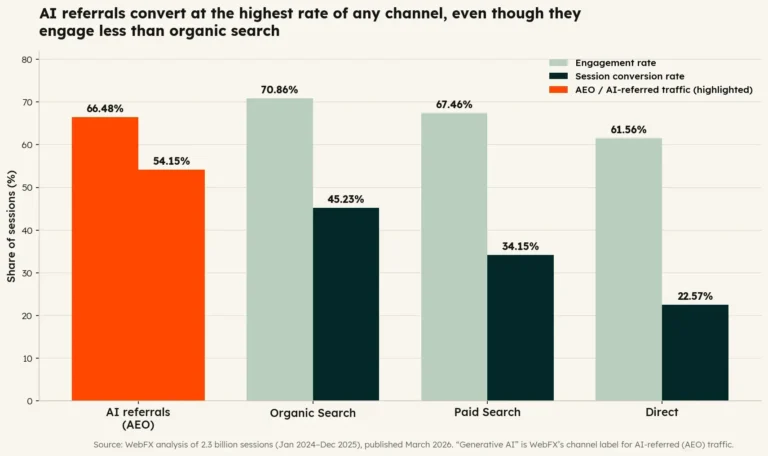
The rise of AIO has sparked a debate regarding the future of the "Open Web." Some critics argue that AI models "scrape" value from content creators by providing answers without requiring a click to the original source. However, proponents of AIO point to the higher quality of traffic generated by AI citations. When a user does click a link provided by an AI, they are often deeper in the "conversion funnel," having already been briefed on the relevance of the content by the model.
Furthermore, AIO is leveling the playing field for niche experts. While traditional SEO often favors large corporations with massive backlink-building budgets, AIO favors the most accurate and well-structured answer. A small, independent blog that provides a superior, data-backed explanation of a technical topic can now outrank a multi-billion-dollar corporation in AI-generated responses.
Future Trajectory: Personalization and Monetization
As we look toward the remainder of 2025 and beyond, two trends are expected to dominate the AIO landscape: personalization and commercial integration. AI models are becoming increasingly adept at remembering user preferences, meaning that AIO will eventually need to account for "individualized" visibility. A model might recommend a specific tool to a user based on their previous queries, making brand identity more important than ever.
Additionally, the monetization of AI citations is on the horizon. Platforms are exploring models where cited sources might receive a share of subscription revenue or where "sponsored citations" could appear in a manner similar to Google Ads.
In conclusion, AI Optimization is no longer a fringe theory but a core requirement for digital survival. The transition from search engines to answer engines is well underway, and those who adapt their content to meet the probabilistic demands of AI models will capture the next generation of organic traffic. The competitive advantage currently lies with early adopters who recognize that in the new era of search, being the "best" answer is the only way to remain visible.
About the Author