The Trump Administration, through the Department of Labor’s Occupational Safety and Health Administration (OSHA), has unveiled new guidance aimed at equipping American workplaces with critical knowledge and resources to combat the escalating opioid crisis. This initiative, a cornerstone of the broader "Great American Recovery Initiative," underscores a significant federal commitment to addressing addiction and fostering recovery across the nation’s workforce. The guidance, detailed in a recent fact sheet, offers practical strategies for employers and employees alike to recognize and respond to drug overdoses, with a particular focus on the life-saving potential of opioid reversal medications like naloxone.
Published on September 25, 2026, the announcement arrives at a critical juncture, as data continues to highlight the pervasive impact of substance use on the American labor force. The administration’s proactive stance reflects a growing understanding that workplace safety and employee well-being are inextricably linked to public health challenges, particularly the opioid epidemic that has devastated communities nationwide. This latest effort represents a multi-pronged approach, integrating public health strategies with occupational safety protocols to create a more resilient and informed workforce.
The "Great American Recovery Initiative": A Federal Response to a National Crisis
The "Great American Recovery Initiative" was launched earlier in 2026 by the Trump Administration, signaling a comprehensive federal strategy to tackle the multifaceted challenges posed by addiction. This initiative moves beyond traditional law enforcement approaches, emphasizing treatment, recovery support, and prevention. The inclusion of workplace safety in this broader framework acknowledges that addiction does not discriminate and can profoundly affect individuals in any profession, impacting productivity, safety, and overall economic health.
The guidance from OSHA is a direct outgrowth of this initiative. It aims to empower employers to create environments where employees feel supported and equipped to handle emergencies related to opioid overdose. This includes providing information on how to recognize the signs of an overdose, the proper administration of reversal medications, and the importance of having these life-saving tools readily accessible.

White House Drug Czar Sara Carter articulated the urgency behind these measures, stating, "Because fentanyl has infiltrated the illicit drug landscape and acts as a chemical weapon against our people, it is critically important that the American workforce is familiar with drug overdose recognition and reversal. I am grateful to the Department of Labor for informing employers and workers about life-saving overdose reversal treatments like naloxone." Her statement underscores the administration’s view of the current opioid crisis as a national security and public health imperative, demanding immediate and decisive action.
Preparedness Strategies for the Modern Workplace
The core of OSHA’s guidance lies in actionable preparedness strategies designed for immediate implementation by businesses of all sizes. These recommendations are rooted in the principle that timely intervention can be the difference between life and death in the event of an overdose.
Key preparedness strategies outlined in the fact sheet include:
- Availability of Reversal Medications: Employers are strongly encouraged to keep opioid reversal medications, such as naloxone (also known by brand names like Narcan) or nalmefene, on hand. These medications are designed to rapidly reverse the effects of an opioid overdose, restoring normal breathing. The fact sheet emphasizes that these medications are safe and effective when administered promptly.
- Strategic Placement of Overdose Kits: Similar to first-aid kits, overdose reversal kits should be treated as essential emergency supplies. The guidance recommends placing them in visible and easily accessible locations throughout the workplace. This ensures that in an emergency, these kits can be located and deployed without delay.
- Worker Education and Awareness: A critical component of the strategy involves educating employees on how to identify the signs and symptoms of an opioid overdose. These can include slowed or stopped breathing, pinpoint pupils, unresponsiveness, and blue lips or fingernails. Comprehensive training empowers bystanders to act swiftly and appropriately.
- Training in Medication Administration: Beyond identification, the guidance stresses the importance of training designated personnel, or even all interested employees, on the safe and correct administration of opioid reversal medications. This training ensures that the medication is used effectively and that individuals administering it are confident and competent in their actions.
The inclusion of nalmefene, a longer-acting opioid antagonist, alongside naloxone, suggests a forward-looking approach that considers different pharmacological options for overdose reversal. This level of detail in the guidance reflects the evolving nature of the opioid crisis and the need for adaptable response strategies.
The Growing Challenge: Substance Use in the American Workforce
The impetus for this guidance is underscored by alarming statistics regarding substance use among American workers. A July 2025 report from clinical laboratory Quest Diagnostics revealed that nearly 1 in 5 workers tested positive for drug use based on hair analysis. This figure, derived from an extensive dataset encompassing hair and urine tests for common substances including marijuana, cocaine, opiates, amphetamines, and methamphetamine, paints a stark picture of the prevalence of substance use across the U.S. workforce.

Of particular concern, the Quest Diagnostics report identified opiate use as being highest among healthcare workers. This finding is significant, given the direct access healthcare professionals may have to controlled substances and the inherent stressors of their demanding profession. It highlights the need for targeted interventions and support systems within high-risk occupational sectors.
The widespread presence of fentanyl in the illicit drug supply has further amplified the dangers associated with opioid use. Fentanyl is an exceptionally potent synthetic opioid, many times more powerful than morphine or heroin, and it is often mixed with other drugs without the user’s knowledge, dramatically increasing the risk of accidental overdose. The administration’s emphasis on fentanyl in its public statements reflects the heightened urgency driven by this particularly dangerous substance.
Legal and Ethical Considerations for Employers
Beyond the immediate safety concerns, the issue of substance use in the workplace also carries significant legal and ethical implications for employers. The guidance implicitly addresses these by promoting a supportive and informed approach, which can mitigate legal risks and foster a more positive work environment.
A notable case that serves as a cautionary tale for employers occurred previously when a software company was compelled to pay $80,000 to settle a disability discrimination lawsuit filed by the U.S. Equal Employment Opportunity Commission (EEOC). The company was accused of firing an employee who had taken leave to undergo inpatient treatment for substance abuse. The employee had a documented history of opiate addiction and was participating in a doctor-supervised medication-assisted treatment program. The EEOC contended that the termination violated the Americans with Disabilities Act (ADA) because the worker was regarded as disabled, thus triggering protections under the law.
This lawsuit underscores the critical importance of understanding and adhering to disability discrimination laws, particularly when dealing with employees seeking treatment for addiction. By providing resources and support for employees struggling with substance use, rather than resorting to punitive measures that could lead to legal challenges, employers can navigate these sensitive issues more effectively and ethically. The OSHA guidance, by promoting a culture of awareness and preparedness, can indirectly help employers fulfill their legal obligations and demonstrate a commitment to employee well-being.

Broader Implications and Future Outlook
The "Great American Recovery Initiative" and the accompanying OSHA guidance represent a significant step in integrating public health and workplace safety. The proactive stance of the Trump Administration in providing resources and education for overdose prevention signals a broader shift in how the nation addresses addiction.
The long-term implications of this initiative could be far-reaching. By empowering workplaces to become centers for overdose preparedness, the administration aims to create a ripple effect, potentially reducing overdose deaths and increasing access to recovery support. Furthermore, fostering a more informed and supportive workplace environment can help reduce the stigma associated with addiction, encouraging individuals to seek help without fear of reprisal.
The success of this initiative will likely depend on several factors: the widespread adoption of the guidance by employers, the continued availability and affordability of opioid reversal medications, and ongoing public awareness campaigns. As the opioid crisis continues to evolve, so too must the strategies employed to combat it. The "Great American Recovery Initiative," through its focus on workplace safety and preparedness, offers a robust framework for a more resilient and recovery-oriented future for the American workforce.
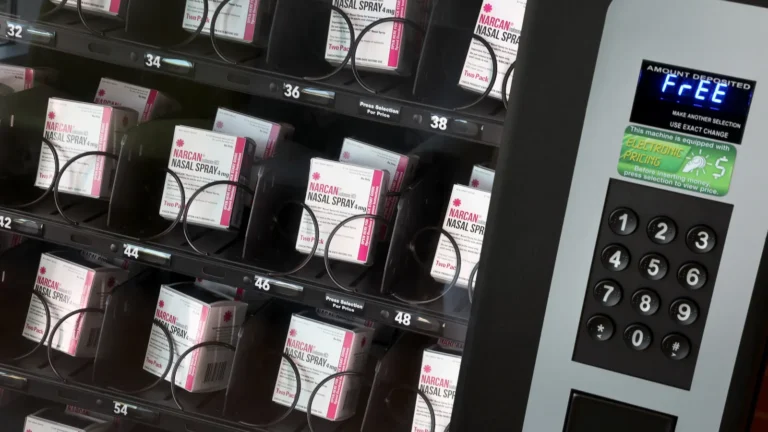
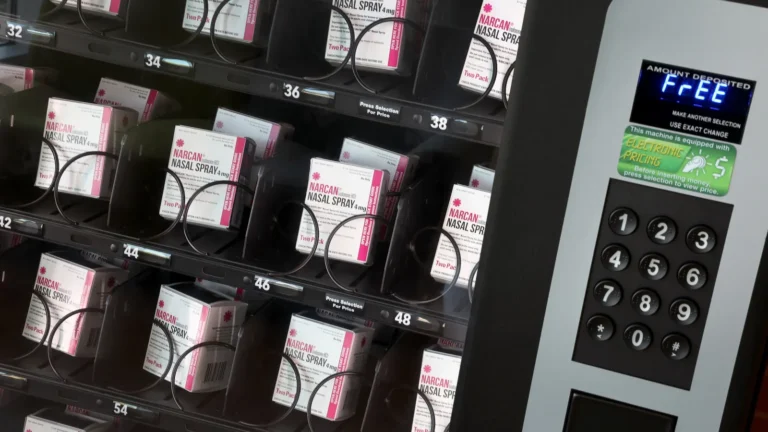
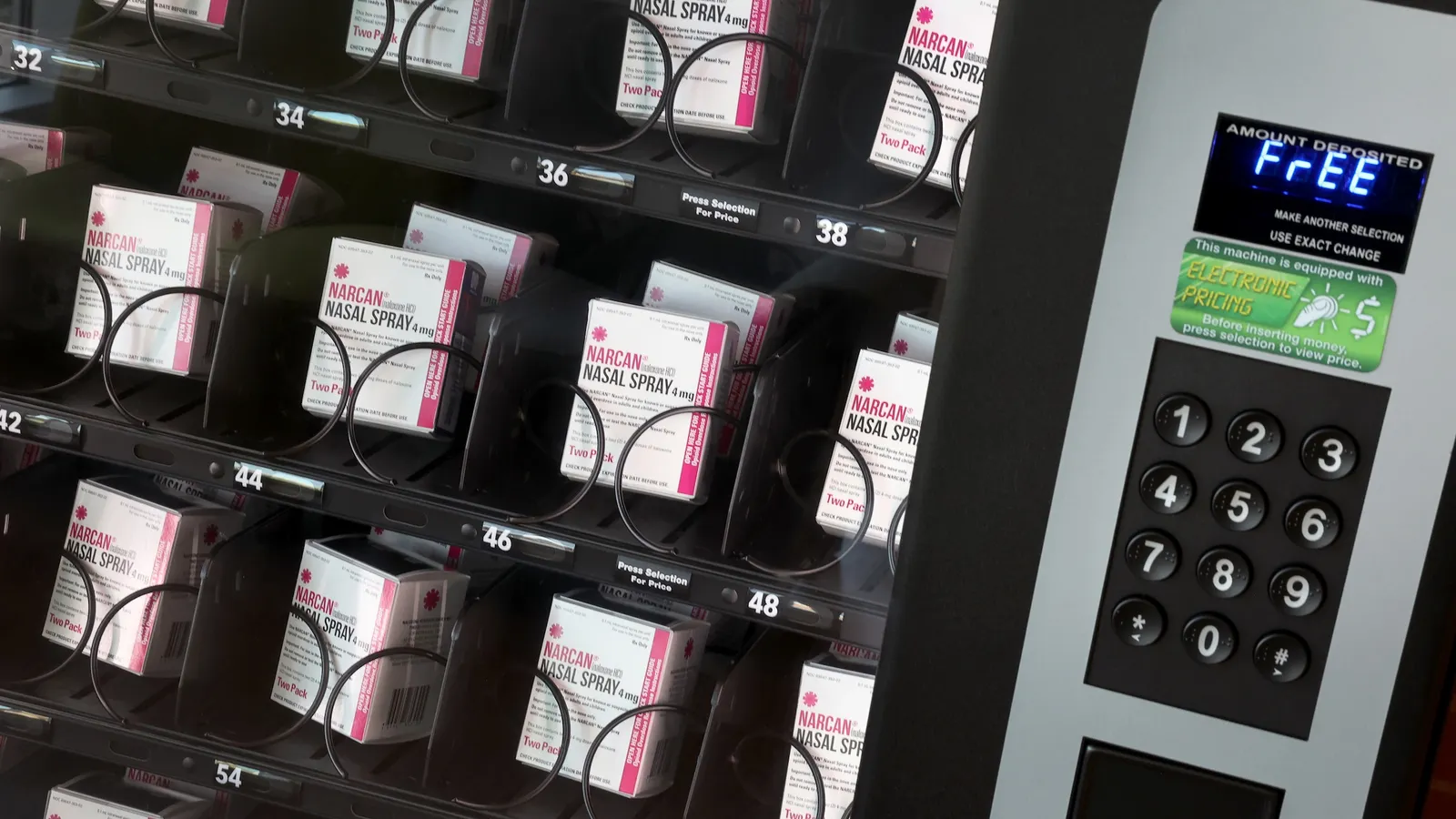
The visual accompaniment to this story, featuring Narcan nasal spray available in a vending machine, serves as a potent symbol of the increasing accessibility and normalization of overdose reversal tools. The fact that such life-saving medication is being made available in public, accessible locations like vending machines underscores a societal shift towards proactive intervention and harm reduction. This trend, mirrored in the OSHA guidance for workplaces, reflects a growing consensus that addressing the opioid crisis requires a multifaceted approach that prioritizes prevention, immediate response, and long-term recovery support. The administration’s efforts, therefore, are not just about policy; they are about fostering a culture of care and preparedness that extends into every corner of American life, including the workplace.
About the Author