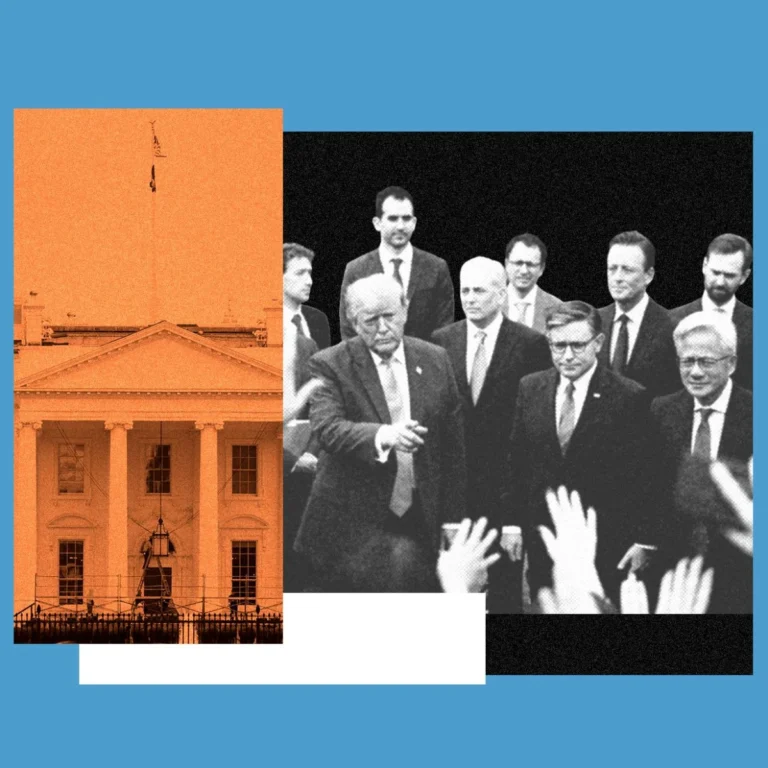
In a significant development impacting the landscape of employment and immigration law, federal agencies have unveiled proposed regulatory changes and settled high-profile allegations, underscoring the evolving priorities and enforcement actions within the U.S. Department of Justice and Department of Homeland Security. The U.S. Citizenship and Immigration Services (USCIS), an agency within the Department of Homeland Security (DHS), has put forth a proposed rule that could dramatically increase the cost for entities seeking to employ foreign workers through the H-1B visa program. Concurrently, the consulting giant Deloitte has agreed to a substantial settlement with the U.S. Department of Justice, resolving claims that its diversity, equity, and inclusion (DEI) initiatives did not align with federal antidiscrimination mandates. These developments, alongside other notable financial figures and legal actions, paint a clear picture of the intricate legal and financial considerations businesses must navigate in the current regulatory environment.
Proposed H-1B Fee Hike and the Rationale Behind It
The proposed rule by DHS and USCIS mandates a steep fee of $103,265 for every cap-subject H-1B visa petition. This substantial increase represents a significant departure from current fee structures and is poised to place a considerable financial burden on companies reliant on the H-1B program to secure specialized talent. The H-1B visa is a non-immigrant visa that allows U.S. employers to temporarily employ foreign workers in specialty occupations that require theoretical or technical expertise in specialized fields such as IT, finance, and engineering. The program is capped annually, making it highly competitive.
While the exact justification for this dramatic proposed fee increase has not been fully detailed in the initial announcements, such proposals often stem from a desire to offset operational costs for immigration services, fund program integrity measures, or potentially to curb the perceived overuse of certain visa categories. Historically, fee adjustments by USCIS are intended to cover the cost of processing applications and to support the agency’s broader mission. However, a jump of this magnitude is likely to spark considerable debate and concern within the business community, particularly among industries that heavily utilize foreign talent to fill critical roles. Critics may argue that such a fee could stifle innovation, hinder global competitiveness, and disproportionately impact smaller businesses that may struggle to absorb such increased costs.

Deloitte’s $21.5 Million DEI Settlement: A Closer Look
In a separate but equally impactful development, Deloitte, a global professional services firm, has agreed to pay $21.5 million to resolve allegations brought forth by the U.S. Department of Justice. The core of the DOJ’s claim was that Deloitte’s diversity, equity, and inclusion (DEI) practices, specifically a leadership development program, failed to comply with federal antidiscrimination requirements. While the specifics of the program and the exact nature of the alleged non-compliance are detailed within the settlement agreement, such cases often involve concerns that certain programs, while intended to promote diversity, may inadvertently lead to discrimination against other groups, thus violating federal statutes like Title VII of the Civil Rights Act of 1964 or the False Claims Act, depending on the nature of the allegations.
The settlement agreement signifies the DOJ’s continued focus on ensuring that corporate diversity initiatives adhere to legal frameworks and do not result in unlawful discrimination. For Deloitte, this settlement resolves a significant legal challenge and serves as a reminder of the careful scrutiny applied to DEI programs. Companies implementing such initiatives are often advised to ensure their programs are designed and executed in a manner that promotes equal opportunity for all individuals, regardless of protected characteristics. The substantial financial penalty underscores the potential repercussions of failing to meet these legal standards.
The New York Times and the EEOC: A Dispute Over Records
Adding to the week’s notable legal and administrative actions, The New York Times has requested a U.S. district court to set a strict deadline for the U.S. Equal Employment Opportunity Commission (EEOC) to fulfill a series of documents requested under the Freedom of Information Act (FOIA). The Times is reportedly seeking records related to an investigation into alleged racial bias within the EEOC itself. The newspaper is pushing for the court to mandate that the EEOC provide these documents within 20 days.
This legal maneuver highlights the ongoing tension between government transparency, as mandated by FOIA, and the administrative processes of federal agencies. The EEOC, tasked with enforcing federal laws prohibiting employment discrimination, is itself facing scrutiny. The swift timeline requested by The New York Times suggests a desire for timely disclosure of information that could shed light on internal matters within a key enforcement agency. The outcome of this court request could have implications for how quickly and effectively FOIA requests directed at federal bodies are processed.

Broader Economic and Legal Trends in Focus
These high-profile cases are emblematic of broader trends impacting businesses and their legal departments. The proposed H-1B fee increase signals a potential shift in immigration policy, with a greater emphasis on the cost of foreign labor. This could have ripple effects across various sectors, influencing hiring strategies and potentially leading to increased investment in domestic talent development. The Deloitte settlement, on the other hand, reinforces the importance of meticulous design and implementation of DEI programs, ensuring they are compliant with all relevant antidiscrimination laws. As corporate social responsibility and diversity initiatives become increasingly central to business operations, legal and HR departments must remain vigilant about compliance.
Supporting Data and Context
The financial figures associated with these events provide crucial context:
- Projected Healthcare Costs: A new study from professional services firm Aon projects that the average healthcare cost per employee could reach over $19,000 in 2027. This projection, a rise of approximately 9.5% year over year, underscores the escalating financial pressures on employers regarding employee benefits. Such rising costs can influence compensation packages and may indirectly impact hiring decisions, especially as companies weigh the total cost of employment.
- Wells Fargo Disability Discrimination Case: In a separate legal matter, a worker will still receive $18.23 million in claims against Wells Fargo. This follows an initial jury award of $22.1 million, which was subsequently trimmed by the 4th U.S. Circuit Court of Appeals. The case involves claims of disability discrimination, indicating the significant financial liabilities that can arise from employment-related litigation. While this case predates the current week’s major announcements, it serves as a stark reminder of the potential financial consequences of employment discrimination lawsuits.
Implications for Businesses
The confluence of these events presents a complex operating environment for businesses. The proposed H-1B fee hike necessitates a strategic re-evaluation of global talent acquisition strategies. Companies may need to explore alternative sourcing methods, invest more heavily in training and upskilling their domestic workforce, or factor these increased costs into their operational budgets. The Deloitte settlement serves as a potent warning to all organizations that DEI initiatives must be carefully crafted and legally sound. Failure to do so can result in substantial financial penalties and reputational damage.
The ongoing scrutiny of government agencies, as seen in The New York Times’ FOIA request, also highlights the importance of transparency and accountability across all sectors, including those responsible for enforcing labor and immigration laws. Businesses that interact with these agencies should be prepared for rigorous oversight and ensure their own practices are beyond reproach.

In conclusion, the past week has been marked by significant regulatory proposals and legal resolutions that will undoubtedly shape the future of human resources, immigration law, and corporate compliance in the United States. The proposed substantial increase in H-1B visa petition fees and the considerable settlement paid by Deloitte for alleged DEI non-compliance are critical developments that demand immediate attention and strategic planning from businesses nationwide. These events, coupled with other financial data points and ongoing legal disputes, emphasize the dynamic and increasingly complex legal and economic landscape that employers must navigate.
About the Author