In a significant diplomatic and economic maneuver, the United States on Thursday issued a 30-day waiver to New Delhi, permitting India to purchase crude oil from Moscow. This temporary exemption comes as the escalating conflict in Iran severely disrupts global energy supplies, forcing a recalibration of international sanctions policies. The decision marks a notable shift, particularly after the U.S. had previously imposed, then revoked, 25% "penalty" tariffs on India for its continued acquisition of Russian crude. The immediate aftermath saw a dramatic surge in global oil benchmarks, reflecting the acute anxieties pervading the international energy markets.
Geopolitical Tensions Reshape Global Oil Dynamics
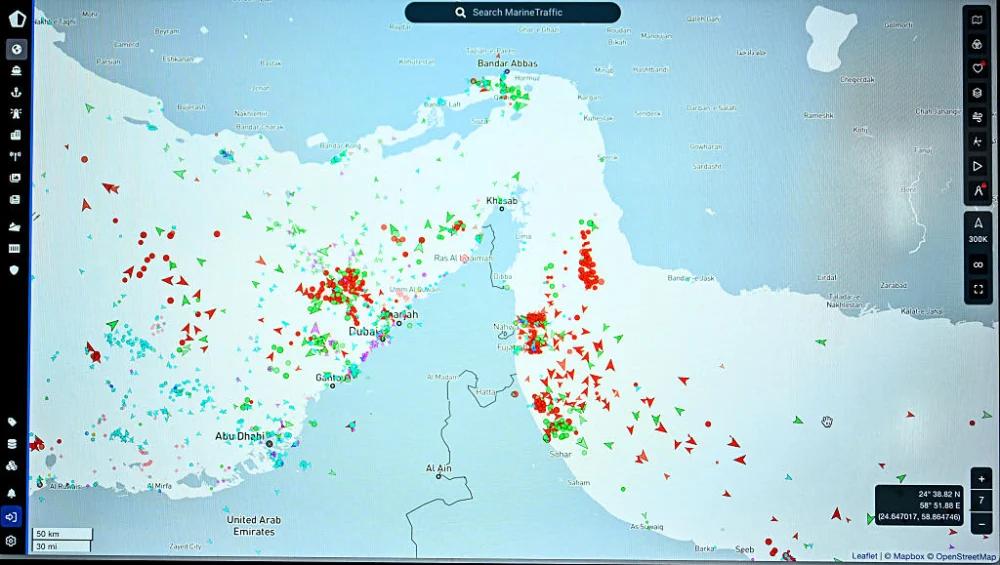
The current geopolitical landscape, dominated by the intensifying conflict in the Middle East, has placed unprecedented strain on established energy supply chains. The Strait of Hormuz, a critical maritime choke point through which approximately 20% of the world’s crude oil transits, has become a focal point of this crisis. Iranian warnings and a sharp increase in insurance premiums for shippers have brought commercial traffic in the Strait to a virtual standstill, directly threatening a substantial portion of global oil flows. This disruption has had an immediate and profound impact on oil prices, sending shockwaves through commodity markets worldwide.
On Thursday, West Texas Intermediate (WTI) crude, the U.S. benchmark, surged by an impressive 8.51%, or $6.35, to close at $81.01 per barrel. This marked its most substantial single-day gain since May 2020, a period characterized by extreme market volatility. Concurrently, global benchmark Brent crude rose by 4.93%, or $4.01, settling at $85.41 per barrel. The abrupt spike underscored the market’s sensitivity to supply shocks, particularly those emanating from the strategically vital Middle East. While prices saw a slight moderation on Friday, with Brent and WTI crude dipping over 1% to trade at $84.42 and $79.92 per barrel respectively, the underlying fragility of the supply situation remains a dominant concern for traders and policymakers alike. The U.S. crude prices alone have climbed approximately 20% this week, directly attributable to the escalating conflict.
India’s Pivotal Role in the Energy Landscape
India, a nation with immense energy requirements, plays a crucial role in global oil markets. As the world’s fourth-largest refiner, third-largest oil importer, and fifth-largest exporter of petroleum products, its procurement decisions have far-reaching implications. For much of the past year, India had been navigating complex geopolitical pressures, particularly from the United States, regarding its energy trade with Russia. Following the imposition of sanctions on Moscow, Washington had pressured allies and partners to reduce their reliance on Russian energy. India initially complied to some extent, replacing a portion of its Russian oil purchases with supplies from Middle Eastern producers.
However, the current crisis in the Gulf has fundamentally altered this calculus. With traditional Middle Eastern supply routes now compromised by the conflict and associated risks, India has found itself in a precarious position, necessitating a pivot back to Russian crude to ensure its energy security. Experts confirm this strategic shift. Muyu Xu, a senior research analyst for crude at energy data tracker Kpler, noted, "I’ve heard that Indian refiners have been actively seeking prompt Russian crude supplies since last weekend." Xu further indicated that, based on "market chatter," New Delhi is likely to have acquired a significant volume of Russian oil, estimated between 6-8 million barrels, over the past two to three days alone. This rapid procurement highlights India’s urgent need to secure alternative supplies in the face of regional instability.

U.S. Policy Maneuvers and Strategic Intent
The U.S. decision to grant a temporary waiver for India’s Russian oil purchases is a pragmatic response to an evolving global crisis. It reflects a delicate balancing act between maintaining pressure on Russia and mitigating the severe economic repercussions of a major supply disruption from the Middle East. U.S. Secretary of the Treasury, Scott Bessant, clarified the immediate scope of the waiver in a post on X, stating that this "short-term measure will not provide significant financial benefit" to Russia, as it primarily facilitates transactions for oil already stranded at sea. This suggests the waiver is less about enabling new, large-scale Russian exports and more about easing bottlenecks in existing supply chains that have been further complicated by the Middle East conflict.
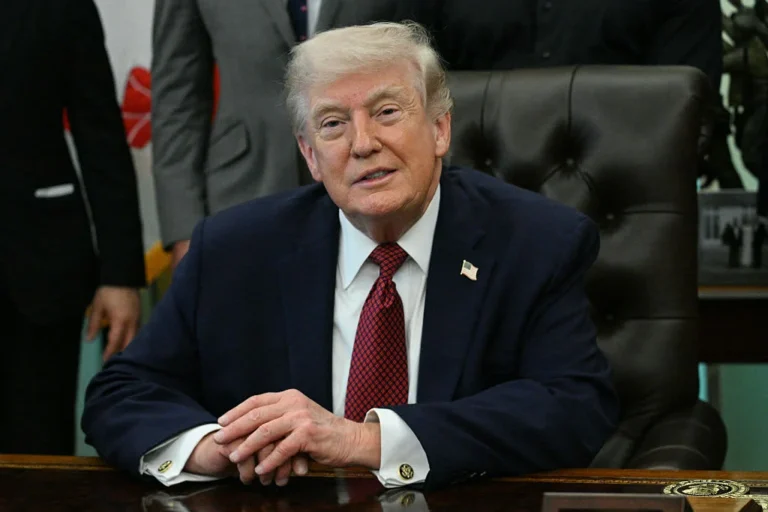
Beyond the waiver, the U.S. government is actively implementing broader strategies to curb rising oil prices and stabilize the market. These measures include offering political risk insurance for tankers transiting the Gulf, an initiative aimed at reducing the financial burden and risk for shipping companies operating in the volatile region. President Donald Trump, addressing the situation, affirmed the administration’s commitment, stating on Thursday, "Further action to reduce pressure on oil is imminent and … in the long-term, the actions we’re taking will dramatically increase the stability of the region and oil prices." These statements underscore a multi-pronged approach by Washington, seeking to address both immediate supply concerns and the long-term structural issues contributing to market volatility. The U.S. finds itself in a challenging position, needing to support its allies’ energy needs while simultaneously pursuing its foreign policy objectives.
The Crippling Impact of the Strait of Hormuz Standoff
The Strait of Hormuz’s strategic importance cannot be overstated. This narrow waterway connects the Persian Gulf to the open ocean and serves as the only sea passage from the Persian Gulf to the open ocean for oil and natural gas. With an estimated 20% of global oil flows passing through it daily, any disruption here has immediate and profound global implications. The current standoff, characterized by Iranian warnings and a dramatic surge in insurance costs for shippers, has brought commercial transit to a near halt. This situation creates a severe bottleneck, effectively cutting off a vital artery of global energy trade.
Energy experts are vocal about the gravity of the situation. Vandana Hari, CEO of energy research firm Vanda Insights, critically assessed the U.S. waiver, describing it as Washington continuing to put "band aids on a gunshot wound." Hari argued that the 30-day waiver is "not nearly enough" to address the fundamental issues stemming from the loss of nearly 20 million barrels per day of crude from Gulf producers. She expressed pessimism about a quick resolution, stating that chances of the Hormuz blockade being lifted rapidly are "extremely dim," and consequently, she anticipates Brent crude to continue "creeping higher than the $80s." Supporting this grim outlook, Kpler’s Muyu Xu confirmed, "Our data shows that no laden crude tankers have transited the Strait of Hormuz since last weekend, including vessels that may be bound for India." This cessation of traffic underscores the severity of the supply disruption, creating a domino effect across the global energy value chain.
Implications for India’s Energy Security
For India, the unfolding crisis presents a significant challenge to its energy security. The nation’s vast population and burgeoning economy demand a stable and affordable supply of crude oil. Prateek Pandey, head of APAC oil and gas research at energy intelligence firm Rystad Energy, provided an assessment of India’s immediate resilience during an appearance on CNBC’s "Inside India" on Thursday. Pandey noted that India currently possesses "access to about 100 million barrels" of crude, which is sufficient to cover approximately 45 days of its domestic demand. This buffer provides some short-term relief, suggesting that Indian refineries will not face immediate operational impacts over the next three to four weeks.

However, Pandey cautioned that "there will be concerns" if the disruption in the Middle East persists beyond this initial period. The long lead times associated with sourcing crude from alternative, more distant destinations compound these worries. For instance, cargoes from countries like Venezuela can take almost a month to reach Indian ports, making them less viable for addressing immediate supply gaps. This highlights India’s vulnerability to prolonged instability in key energy-producing regions and the urgent need for a diversified and resilient energy procurement strategy. The situation underscores the strategic importance of programs like "Inside India," which offers weekly roundups of news from the subcontinent, providing crucial insights into such economic and geopolitical developments.
The Evolving U.S.-India Energy Relationship
The current waiver for Russian crude is not an isolated event but part of a dynamic and sometimes contentious energy relationship between the U.S. and India. In August of the previous year, India faced the imposition of substantial U.S. tariffs, totaling 50% on certain goods, including a specific 25% penalty directly targeting its purchases of Russian oil. This move was a clear signal from Washington regarding its stance on trade with Moscow. However, the rapidly changing geopolitical landscape and India’s critical energy needs led to a pragmatic reversal. Last month, these penalties were officially removed, albeit with conditions. The revocation was contingent upon India reducing its imports from Russia and increasing its purchases of American energy, a strategic move by the U.S. to reorient India’s energy sourcing. Washington also issued a stern warning that the penalty could be reinstated if India resumed significant buying of Russian oil.
The current waiver, therefore, represents a temporary suspension of this condition, necessitated by extraordinary circumstances. Muyu Xu of Kpler noted that as of now, he has "not yet seen any increase in US crude arrivals into India," suggesting that the previous conditional deal had not yet translated into a significant shift in India’s purchasing patterns. Xu added that any pickup in New Delhi buying American oil following the trade deal would likely be reflected in the April or May data, as shipping and delivery times dictate a lag in statistical reporting. This ongoing evolution of the U.S.-India energy partnership reflects the complex interplay of economic interests, national security imperatives, and global geopolitical pressures, making it a crucial area to monitor for future policy shifts.
Broader Economic and Geopolitical Repercussions
The ripple effects of the Iran war and the subsequent disruptions in the Strait of Hormuz extend far beyond India’s immediate energy security. Globally, the surge in oil prices poses a significant threat to economic stability, potentially fueling inflation, increasing transportation costs, and dampening post-pandemic recovery efforts. Energy-importing nations worldwide, particularly those in Europe and Asia heavily reliant on Middle Eastern crude, face similar challenges in securing supplies and managing costs. The volatility underscores the fragility of global supply chains and the interconnectedness of international markets.
Moreover, the crisis highlights the persistent vulnerability of global energy security in an era marked by heightened geopolitical conflicts. It forces nations to re-evaluate their energy strategies, emphasizing diversification of suppliers, investment in renewable energy sources, and the development of strategic reserves. The U.S. waiver to India, while a short-term solution, could also signal a broader pragmatic shift in how major powers navigate sanctions regimes when global economic stability is at stake. This delicate dance between geopolitical objectives and economic realities will continue to shape international relations, potentially leading to long-term shifts in energy alliances and the re-mapping of global supply routes as nations seek greater resilience against future shocks. The situation remains highly fluid, with global markets and diplomatic channels closely monitoring every development in the Middle East.
About the Author