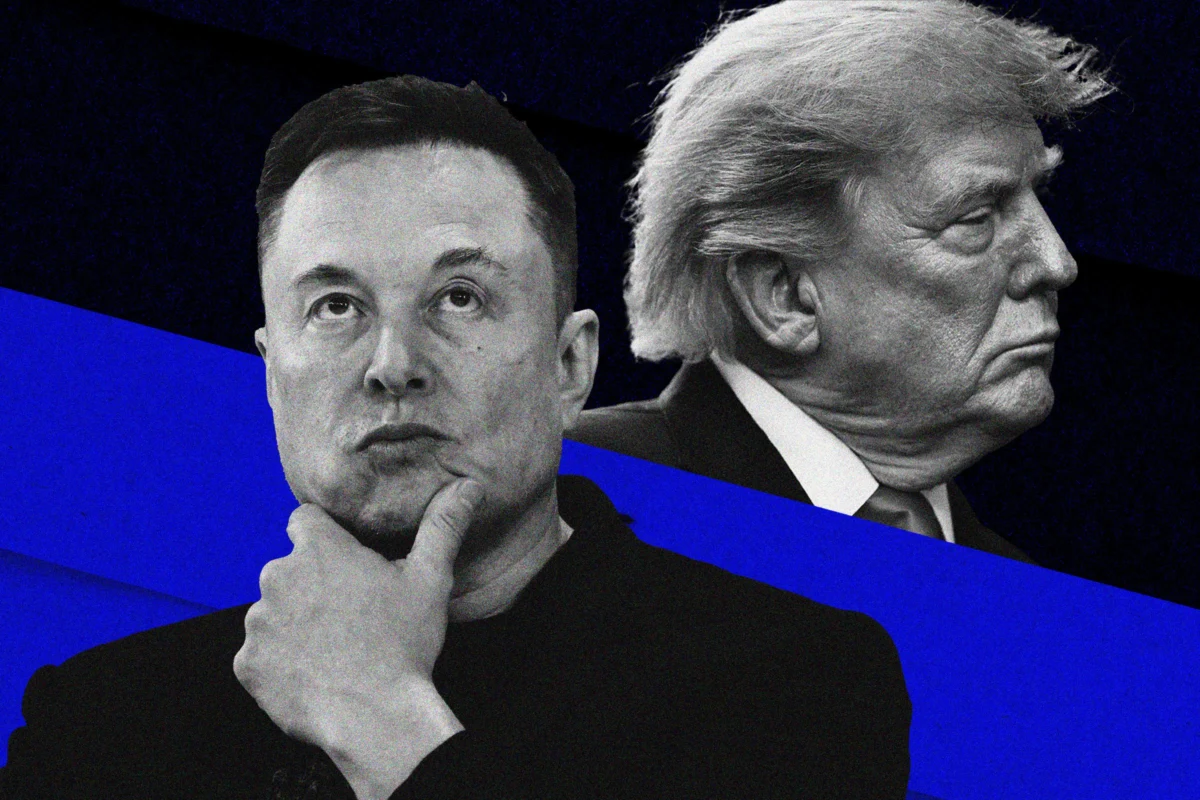
The United States government has formally intervened in a high-stakes legal battle between Elon Musk’s social media platform, X, and the European Union, signaling a significant escalation in transatlantic tensions over digital regulation. The U.S. Department of Justice (DOJ), supported by the Department of State, filed an application with the European Union’s General Court in Luxembourg to support Musk’s effort to annul a $137 million (€120 million) fine. This move represents a robust defense of American technology companies against what Washington characterizes as regulatory overreach by the European Commission. The intervention seeks to challenge the first major financial sanction issued under the EU’s landmark Digital Services Act (DSA), a regulatory framework designed to police illegal content and transparency on the world’s largest digital platforms.
The U.S. government’s involvement is predicated on the argument that the European Commission’s enforcement actions threaten the economic interests and innovation potential of American firms. According to the DOJ’s filing, the fine against X sets a dangerous precedent that could adversely affect a wide array of U.S.-based technology giants, including Meta, Google, and Microsoft, all of which are categorized as Very Large Online Platforms (VLOPs) under the DSA. By intervening, the U.S. aims to ensure that the application of European law does not unfairly discriminate against American "engines of innovation" that contribute substantially to the global economy.
The Basis of the European Commission’s Fine
The conflict centers on a €120 million penalty imposed by the European Commission in December following a comprehensive two-year investigation into X’s operational practices. The Commission’s findings concluded that X had systematically breached transparency obligations mandated by the Digital Services Act. A primary point of contention was the platform’s "blue checkmark" verification system. Under Musk’s leadership, the blue checkmark transitioned from a verification of identity for notable figures to a paid subscription service. The EU ruled that labeling these paid accounts as "verified" was deceptive to users, as it implied a level of authentication that no longer existed.
Furthermore, the Commission identified significant deficiencies in X’s advertising transparency. The DSA requires platforms to maintain a publicly accessible and complete repository of advertisements to allow for independent oversight of political and commercial messaging. The EU investigation found X’s repository to be inaccessible and incomplete. Additionally, the platform was cited for failing to provide adequate data access to independent researchers, a requirement intended to allow experts to study systemic risks such as the spread of disinformation and the impact of algorithms on public discourse. While X recently proposed a plan to rectify these data access issues—which the Commission accepted in July—the financial penalty for past non-compliance remains a point of intense legal dispute.
Chronology of the Dispute and Legal Escalation
The friction between the European Union and X began shortly after Elon Musk’s acquisition of the platform in late 2022. The timeline of the escalation reflects a deepening divide over the boundaries of digital governance:
- October 2022: Elon Musk completes the acquisition of Twitter, rebranding it as X and implementing sweeping changes to content moderation and verification.
- December 2022: The European Commission warns X about the necessity of complying with the upcoming Digital Services Act.
- August 2023: The Digital Services Act officially comes into force for Very Large Online Platforms, including X, Meta, and Google.
- December 2023: The European Commission opens formal proceedings against X to assess whether the platform breached the DSA in areas related to risk management, content moderation, and advertising transparency.
- February 2024: Elon Musk and X launch a legal appeal against the preliminary findings, characterizing the EU’s interpretation of the law as "tortured" and the investigation as "superficial."
- July 2024: The Commission issues its preliminary findings, focusing on the deceptive nature of the blue checkmarks and data transparency failures.
- December 2024: The European Commission officially imposes the €120 million fine.
- Current Action: The U.S. Department of Justice files its application to intervene in X’s appeal at the EU General Court, marking a formal diplomatic and legal entry into the case.
U.S. Arguments and the Defense of American Innovation
The U.S. Department of Justice has been vocal in its criticism of the European Commission’s tactics. Assistant Attorney General Brett A. Shumate of the Justice Department’s Civil Division stated that the U.S. will not tolerate "regulatory overreach" intended to control American companies. The U.S. position is that the DSA is being applied in a manner that disproportionately targets American firms while exempting or placing lighter burdens on European competitors.
The U.S. legal brief emphasizes that platforms like X, Facebook, Instagram, YouTube, and LinkedIn are not merely social media sites but are critical components of the U.S. economic infrastructure. The DOJ argues that the EU’s aggressive enforcement could stifle innovation by imposing prohibitive administrative and financial burdens. This sentiment has been echoed by high-ranking U.S. officials across the political spectrum. President Donald Trump has previously described European tech penalties as "overseas extortion," suggesting that such regulations are designed to extract wealth from successful American enterprises. Similarly, Vice President JD Vance has characterized the DSA’s content moderation requirements as a form of "authoritarian censorship" that conflicts with American principles of free speech.
The Role of the Digital Services Act (DSA)
The Digital Services Act represents the most significant overhaul of digital regulation in the European Union in two decades. Its primary goal is to create a safer digital space where the fundamental rights of users are protected. For VLOPs—defined as platforms with more than 45 million monthly active users in the EU—the act mandates:
- Systemic Risk Management: Platforms must analyze and mitigate risks such as the spread of illegal content, disinformation, and negative effects on mental health.
- Content Moderation Transparency: Detailed reporting on how content is flagged and removed.
- Ad Transparency: Maintaining a public database of all ads shown on the platform, including who funded them and who was targeted.
- Data Access: Providing vetted researchers with access to internal data to monitor platform compliance and societal impact.
The EU maintains that these rules are essential for maintaining democratic integrity and consumer safety. However, the U.S. intervention suggests that the implementation of these rules is being viewed through a protectionist lens by Washington, potentially sparking a broader trade dispute.
Broader Implications for Transatlantic Relations
The legal clash over X has profound implications for the future of U.S.-EU relations. Historically, the two powers have sought to coordinate on technology policy through forums like the Trade and Technology Council (TTC). However, the divergence in regulatory philosophies is becoming harder to ignore. While the EU prioritizes "digital sovereignty" and the protection of citizens through stringent regulation, the U.S. generally favors a more market-driven approach that prioritizes the growth and freedom of its technology sector.
The U.S. government has hinted that continued "discriminatory" regulation could result in retaliatory measures. Last year, the U.S. administration discussed the possibility of imposing tariffs on countries that implement digital services taxes or regulations that specifically target American tech firms. This "tit-for-tat" dynamic threatens to destabilize the broader economic partnership between the two regions.
Furthermore, the outcome of this case will set the tone for how other American companies respond to the DSA. If Musk is successful in annulling the fine with U.S. support, it may embolden other tech giants to challenge EU mandates. Conversely, if the EU General Court upholds the fine and denies the U.S. the right to intervene, it will solidify the European Commission’s authority as the "global policeman" of the internet, regardless of the nationality of the companies involved.
Global Context: A Trend of Increasing Regulation
The dispute between X and the EU is not an isolated event but part of a global trend toward stricter social media oversight. Governments worldwide are grappling with the influence of digital platforms on public discourse and national security. In Australia, for instance, the government has proposed an "under-16" social media ban and expanded information-gathering powers to hold platforms accountable. Musk has criticized these Australian moves as "invasive" and a violation of international law.
Legal experts, such as Julia Hörnle, a professor of internet law at Queen Mary University of London, argue that regulators are generally within their rights to order disclosures related to a company’s operations within their specific jurisdiction. However, the scale and reach of the DSA’s requirements for American-headquartered companies remain a unique point of international legal friction.
Conclusion and Future Outlook
The Luxembourg-based General Court now faces a critical decision: whether to grant the U.S. government the right to intervene in the case. Should the court allow the U.S. to participate, it will transform a corporate legal appeal into a full-scale diplomatic confrontation between the world’s two largest democratic economic blocs.
The $137 million fine, while substantial, is secondary to the legal principles at stake. For Elon Musk, the case is a defense of his vision for X as a "digital town square" free from what he perceives as bureaucratic meddling. For the European Union, it is a test of whether the DSA has the teeth necessary to enforce its standards on the world’s most powerful tech moguls. For the United States government, it is a strategic move to protect its most valuable economic assets from foreign regulatory control. As the legal proceedings unfold, the result will likely redefine the boundaries of national sovereignty in a borderless digital world.
About the Author