The Pacific Coast of North America is currently the site of a profound ecological transformation, as vast underwater kelp forests are being replaced by desolate expanses known as urchin barrens. This shift, which began in earnest over a decade ago, has decimated local biodiversity and threatened the multi-million dollar commercial fishing industries that rely on healthy kelp ecosystems. In response, a specialized sector of aquaculture known as sea urchin ranching has emerged. By removing overpopulated, starving urchins from the wild and fattening them in land-based facilities for the luxury seafood market, researchers and entrepreneurs are attempting to create a self-sustaining economic model for environmental restoration.
The Genesis of the Kelp Crisis: A Decade of Decline
The current imbalance in the Pacific marine ecosystem can be traced back to a series of catastrophic biological and climatic events starting in 2013. The primary catalyst was the outbreak of Sea Star Wasting Disease (SSWD), a mysterious mass mortality event that decimated populations of the sunflower sea star (Pycnopodia helianthoides). As one of the primary predators of sea urchins, the disappearance of the sunflower star removed a critical check on the urchin population.

Following the collapse of the predator population, the region was hit by a "marine heatwave" between 2014 and 2016, often referred to by meteorologists as "The Blob." The unusually warm water temperatures were nutrient-poor, severely weakening the growth of bull kelp and giant kelp. While the kelp struggled to survive the heat, the purple sea urchin (Strongylocentrotus purpuratus) thrived. Without sea stars to hunt them and with kelp forests already stressed by temperature spikes, urchin populations exploded, increasing by as much as 10,000 percent in some regions of Northern California and Oregon.
The result was the formation of "urchin barrens"—areas where the seafloor is carpeted with thousands of urchins that have consumed every available scrap of kelp. In Northern California alone, it is estimated that more than 96 percent of the bull kelp canopy has vanished since 2014. These barrens are not merely temporary shifts in the landscape; they represent a stable, degraded state of the ecosystem that can persist for decades if left unmanaged.
The Biological Paradox of the "Zombie" Urchin
A significant challenge in managing these populations is the unique biology of the sea urchin. When urchins deplete their food source, they do not die off. Instead, they enter a state of physiological dormancy. In these "urchin barrens," the animals stop growing and their reproductive organs—the orange, edible sections known as "uni" in the culinary world—shrink to almost nothing.

These "zombie" urchins can survive for years in a state of starvation, waiting for any new kelp spores to settle so they can immediately consume them. Because these urchins contain no marketable uni, they hold no value for traditional commercial divers, who typically focus on harvesting healthy, large red urchins from intact forests. This lack of commercial value has historically meant that there was no economic incentive to remove the millions of purple urchins preventing kelp recovery.
The Mechanics of Urchin Ranching
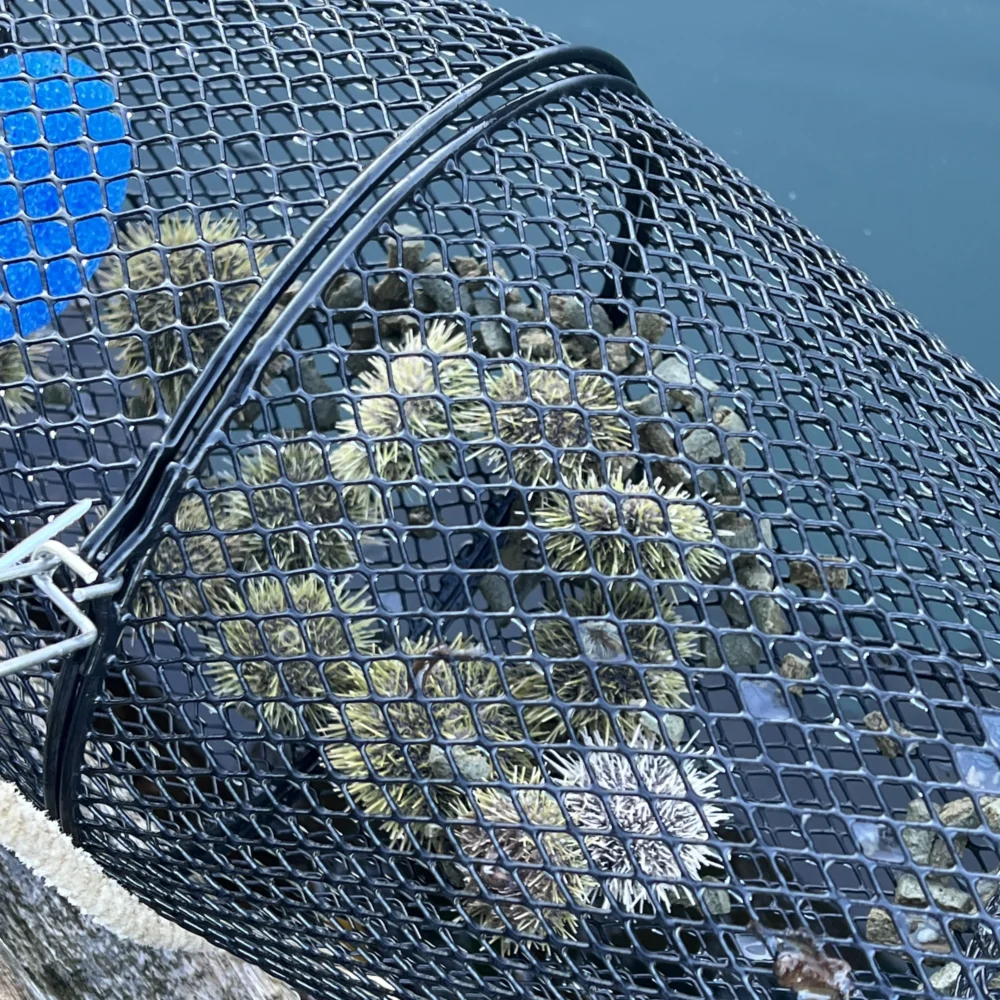
Urchin ranching provides a solution to this biological and economic stalemate. The process involves divers manually collecting starving purple or green urchins from barrens and transporting them to onshore aquaculture facilities. Once housed in tanks, the urchins are fed a high-quality, sustainable diet to stimulate the growth of their gonads (the uni).
At The Cultured Abalone Farm on the California coast, this process has been refined over the last six years. Andie Van Horn, the farm-to-fork manager at the facility, notes that the operation was born out of a desire to create a high-value food product that simultaneously addresses an environmental crisis. The ranching cycle typically lasts about ten weeks. During this period, the urchins are kept in flow-through systems that utilize natural seawater, maintaining the pH, salinity, and temperature of the local ocean environment without the need for intensive chemical management.

The choice of feed is critical to the success of the ranch. While various formulations have been tested, researchers have found that natural kelp remains the most effective diet for producing the flavor and color profiles demanded by high-end consumers. To ensure the ranching process does not further deplete wild kelp, facilities like The Cultured Abalone Farm use specialized vessels that "mow" only the top layer of the kelp canopy, a method that allows the kelp to regrow rapidly, much like pruning a terrestrial plant.
Innovations in Sustainable Feed and Symbiotic Systems
In Oregon, OoNee Sea Urchin Ranch is pushing the boundaries of the ranching model by researching specialized feed and integrated systems. Aaron Huang, CEO of OoNee, explains that the flavor of the uni is a direct reflection of what the urchin eats. High-quality cold-water kelp produces a sweeter, more tender product.
To maximize efficiency and sustainability, OoNee is experimenting with an Integrated Multi-Trophic Aquaculture (IMTA) system. Because urchins are "messy eaters" that leave behind significant organic waste, the ranch utilizes sea cucumbers to act as natural cleaners. The sea cucumbers consume the urchin waste, and their own byproduct can be used to fertilize seaweed, creating a closed-loop system that mimics a natural reef ecosystem. This approach reduces the overhead costs of tank maintenance and provides additional revenue streams through the sale of sea cucumbers and seaweed.

Comparative Market Analysis: Red vs. Purple Urchins
The commercial uni market has traditionally been dominated by the red sea urchin (Mesocentrotus franciscanus), which is larger and has long been the standard for sushi-grade seafood. However, red urchins are becoming increasingly rare as their habitat disappears.
The emergence of ranched purple urchins is beginning to shift consumer perceptions. While smaller than the red variety, ranched purple urchins are often cited by chefs for having a more delicate, sweet flavor profile. "Once people try them together, typically the feedback is that the purples are sweeter and more tender," Van Horn says.
Market analysts suggest that the urchin industry could follow the trajectory of the oyster industry, where consumers have moved from seeking just "large" oysters to appreciating a variety of sizes, species, and "merroir" (the unique flavor imparted by the specific water and feed of a region). By positioning the purple urchin as a premium, eco-friendly alternative, ranchers are creating a market that can fund large-scale removal efforts.

Measuring Ecological Impact and Restoration Success
The ultimate goal of urchin ranching is not just seafood production, but the restoration of the kelp forest. However, the scale of the problem is immense. Biologists estimate that in some areas, urchin densities must be reduced to just one urchin per square meter to allow kelp to successfully re-establish.
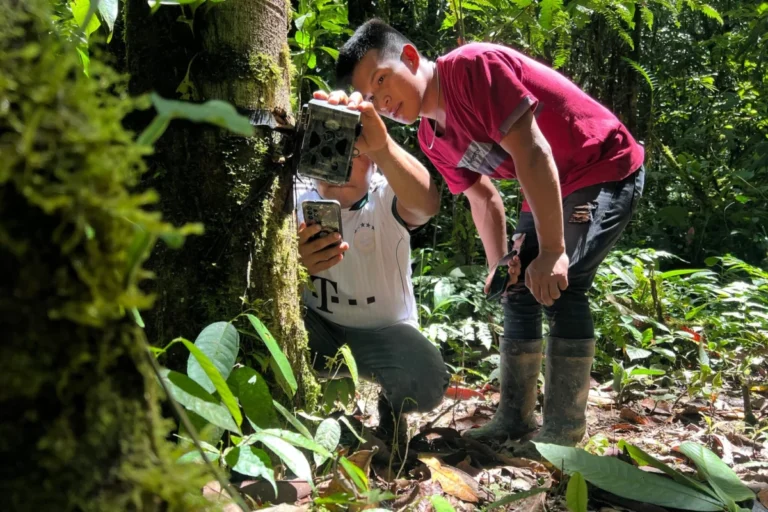
To measure success, ranching operations are partnering with scientific organizations. The Cultured Abalone Farm works with students from the University of California, Santa Barbara, and Santa Barbara City College to conduct underwater surveys in the Santa Barbara Channel. These surveys track whether the removal of urchins for ranching leads to a measurable return of the kelp canopy.
Similarly, OoNee partners with Reef Check, a global citizen-science organization. Volunteer divers monitor urchin populations in the areas where collection occurs. Preliminary observations in Oregon have shown that even localized removal efforts can lead to the "greening" of the seafloor as kelp spores finally find the opportunity to grow without being immediately grazed.

Brenda Konar, a marine biologist at the University of Alaska Fairbanks, emphasizes that humans are essentially stepping into a missing ecological niche. "You’ve replaced the sea otter. You’ve replaced the sea star. You’re now the top predator," Konar explains. She argues that if the production scale is large enough, the system can eventually be pushed back to its historical norm.
Economic and Social Implications
Beyond the environmental benefits, urchin ranching offers a new economic pillar for coastal communities. As traditional fisheries face pressure from climate change and overfishing, restorative aquaculture provides a way to maintain maritime livelihoods.
Aaron Huang notes that the industry appeals to a new generation of workers who want to engage with nature in a "traditional" yet innovative way. The work requires a high degree of skill, from scientific monitoring and aquaculture management to professional diving. This "blue economy" approach aligns with broader global trends toward sustainable development and the protection of marine resources.

Furthermore, the rise of "restorative consumption" allows consumers to play a direct role in environmental protection. Just as eating invasive lionfish in the Caribbean helps protect coral reefs, consuming ranched purple urchins directly supports the removal of an overpopulated species from a stressed ecosystem.
Future Outlook: Scaling the Solution
While urchin ranching is a promising tool, experts agree it is not a "silver bullet." The sheer volume of urchins along the thousands of miles of the Pacific Coast requires a multi-faceted approach that includes the reintroduction of natural predators, such as sea otters, and manual culling in areas where ranching is not logistically feasible.
However, the ranching model is unique because it is the only strategy that generates its own funding through the sale of a premium product. As the technology for land-based aquaculture improves and the global demand for uni continues to rise—driven by the expanding middle class in Asia and the popularity of Japanese cuisine in the West—the potential for scaling these operations is significant.

The ongoing work in California, Oregon, and Alaska serves as a global blueprint for how market-driven conservation can address the consequences of climate-induced ecological shifts. While it may take decades for the Pacific kelp forests to return to their pre-2013 glory, the development of urchin ranching ensures that the process of restoration is not just an environmental necessity, but a viable, sustainable industry. As Brenda Konar concludes, "In the meantime, you’re going to be feeding a lot of people."
About the Author