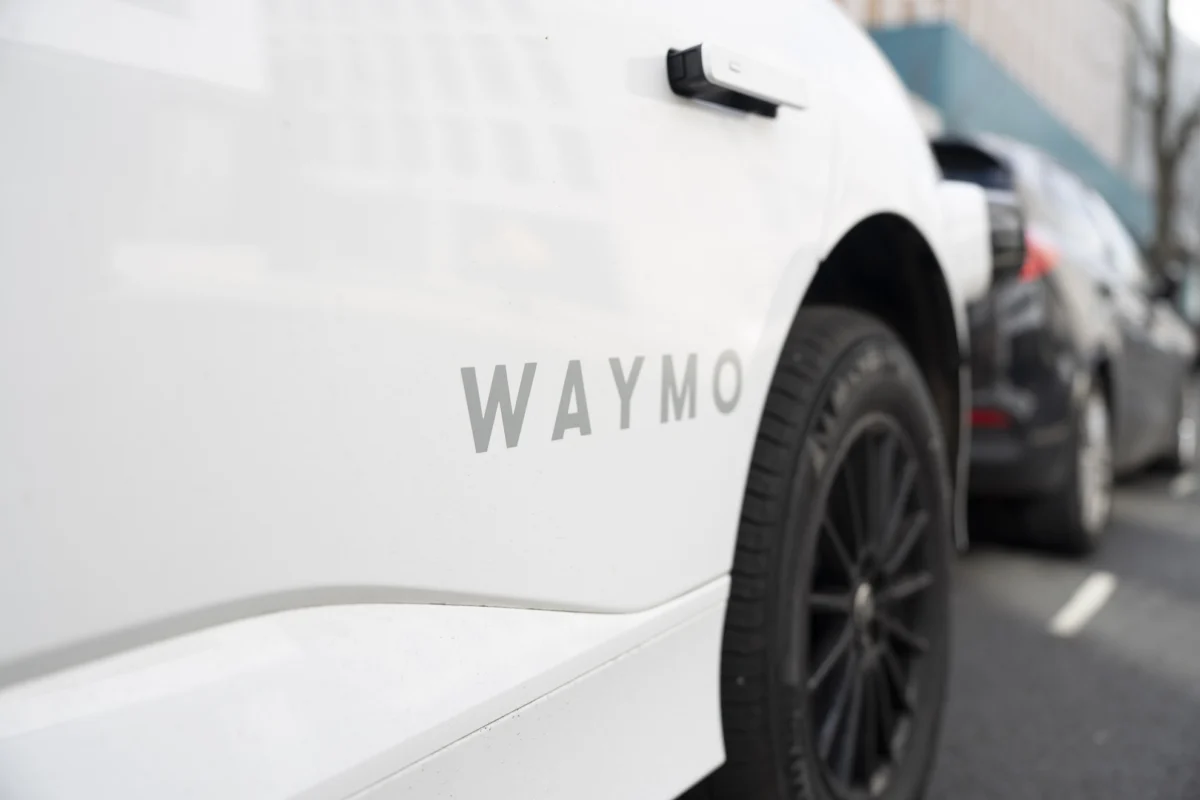
Waymo, the autonomous driving technology company owned by Alphabet, has commenced testing its self-driving vehicles on the public roads of London. This significant milestone marks a crucial step towards the company’s ambitious plan to launch a commercial robotaxi service in the UK capital by 2026. The ongoing tests are designed to gather extensive data and refine the autonomous driving system’s performance in one of the world’s most complex urban environments.
Pioneering Autonomous Mobility in a Global Metropolis
The commencement of public road testing in London represents the culmination of months of meticulous preparation by Waymo. The company had previously announced its intentions in October, signaling a strategic expansion into the European market. Initial phases of Waymo’s London operations involved Waymo employees manually driving the vehicles to meticulously map the city’s intricate road networks, traffic patterns, and unique urban challenges. This foundational work is essential for building a robust and reliable autonomous driving system capable of navigating diverse scenarios.
Currently, Waymo’s fleet of all-electric Jaguar I-Pace vehicles, equipped with its sophisticated self-driving technology, are operating with a human safety operator at the wheel. This precautionary measure ensures immediate intervention if necessary, allowing Waymo engineers to closely monitor the system’s behavior and gather critical real-world data. The presence of a safety driver is a standard practice during the initial stages of testing in new, complex territories, underscoring Waymo’s commitment to safety and rigorous validation.
Dmitri Dolgov, Waymo’s co-CEO, expressed optimism about the progress in a recent LinkedIn post. He highlighted the "core driving AI generalizing very well" and stated that "autonomous testing now underway with specialists behind the wheel as we master local nuances and validate performance on UK roads – a key step toward rider-only deployment." This statement emphasizes the company’s focus on adapting its technology to the specific characteristics of London’s driving environment, including its unique road layouts, pedestrian behavior, and unpredictable traffic flows.
Strategic Investment and European Expansion
Waymo’s commitment to London extends beyond just testing. The company is actively investing in the region by establishing multiple Autonomous Vehicle (AV) service centers across the city and creating local employment opportunities. This localized approach is vital for building operational infrastructure, managing vehicle maintenance, and fostering community engagement. Furthermore, Waymo has indicated that it is collaborating with emergency services. This proactive engagement is crucial for ensuring the safe integration of autonomous vehicles into the existing transportation ecosystem and for building trust with regulatory bodies and the public.
This strategic expansion into Europe, with London as its potential first international commercial market, signifies Waymo’s global ambitions. The company’s success in U.S. cities like Phoenix, San Francisco, Los Angeles, and Austin has provided a strong foundation for international growth. The establishment of engineering hubs, such as the one in Oxford following the acquisition of Latent Logic, further demonstrates a long-term vision for technological development and integration within the UK’s thriving tech landscape.
A Phased Approach to Commercial Deployment
Following its established operational playbook, Waymo is expected to proceed with a phased approach to its London launch. This typically involves an extended period of driverless testing without a safety operator, followed by an internal pilot program where Waymo employees will experience the robotaxi service firsthand. Only after these rigorous internal validations will the service be opened to the public. This methodical strategy aims to ensure a safe, reliable, and positive user experience from day one.
The timeline for Waymo’s full commercial launch in 2026 is contingent on the UK government’s finalization of its regulatory framework for autonomous vehicle operations. As governments worldwide grapple with the complexities of regulating AVs, the UK has been making strides in establishing a clear path forward. This regulatory clarity is a critical enabler for companies like Waymo to invest and deploy their services at scale.
Building on a Foundation of Innovation
Waymo’s presence in the UK is not entirely new. In 2019, the company acquired Latent Logic, a U.K.-based startup specializing in imitation learning for self-driving car simulations. This acquisition, which originated from Oxford University’s esteemed computer science department, significantly enhanced Waymo’s simulation capabilities, allowing for more realistic and efficient testing of its AI in virtual environments. The integration of Latent Logic’s expertise has undoubtedly contributed to the sophistication of Waymo’s autonomous driving system.
Waymo boasts a substantial fleet, with over 3,000 robotaxis previously reported by TechCrunch. Recent filings with the National Highway Traffic and Safety Administration (NHTSA) in the U.S. support these figures, and the fleet may have grown further with the addition of new vehicles, such as the minivan-like models manufactured by Zeekr. These vehicles are currently deployed across 11 U.S. cities, serving millions of passengers.
Navigating a Competitive Landscape
London is poised to become a significant battleground for autonomous vehicle services. Waymo is not the only player aiming to capture the market. U.K.-based startup Wayve, which utilizes a different, more end-to-end deep learning approach to autonomous driving, has also announced plans for a driverless robotaxi service in London, in partnership with Uber. This collaboration, alongside a similar pilot program planned for Tokyo by late 2026 involving Wayve, Uber, and Nissan, highlights the growing global momentum and competitive intensity in the robotaxi sector.
The competition in London underscores the rapid evolution of the AV industry and the significant investments being made by both established tech giants and agile startups. Waymo’s extensive experience and proven track record in commercial deployments provide a strong competitive advantage. However, the innovative approaches of companies like Wayve, and the established ride-sharing network of Uber, present formidable challenges.
The U.K. government’s proactive stance on AV regulation, coupled with London’s status as a global city with a dense population and complex transportation needs, makes it an attractive and strategically important market for AV deployment. Waymo’s entry into this dynamic landscape signifies a pivotal moment for the future of urban mobility, not just in London, but potentially across Europe. The success of these ventures will depend on technological prowess, regulatory alignment, public acceptance, and the ability to navigate a rapidly evolving competitive environment.
The development of autonomous vehicle technology represents a paradigm shift in transportation, promising enhanced safety, improved efficiency, and new mobility options. Waymo’s investment and testing in London are critical steps in realizing this future, bringing the promise of driverless rides closer to reality for millions of urban dwellers. The coming years will be crucial in observing how these advanced technologies integrate into the fabric of one of the world’s most iconic cities.
About the Author