The National Highway Traffic Safety Administration (NHTSA) has received initial responses from Waymo, the self-driving technology company, as part of its ongoing investigation into a low-speed collision involving a Waymo robotaxi and a child in Santa Monica, California. The investigation, initiated following the January 23 incident, is examining the operational parameters and safety protocols of autonomous vehicles, particularly in sensitive areas like school zones.
While the majority of Waymo’s submitted documents remain under wraps due to claims of "confidential business information," their submission signals a progressing inquiry. The NHTSA confirmed that additional responses will be published as they are reviewed, indicating a methodical approach to the investigation. This development follows a period where Waymo was granted an extension to compile its comprehensive replies, highlighting the complexity and scope of the information requested by the federal regulator.
The NHTSA’s inquiry is multifaceted, seeking detailed insights into Waymo’s methodology for determining and adhering to speed limits in school zones, a critical aspect given the vulnerability of pedestrians in such environments. The agency also requested information regarding any prior complaints or incidents involving Waymo robotaxis operating in proximity to schools, aiming to understand if this particular event was an anomaly or part of a broader pattern. Furthermore, the investigation delves into the intricate software systems that govern the autonomous driving capabilities of Waymo’s fleet, seeking to understand the decision-making processes that led to the collision.
Chronology of the Incident and Investigation
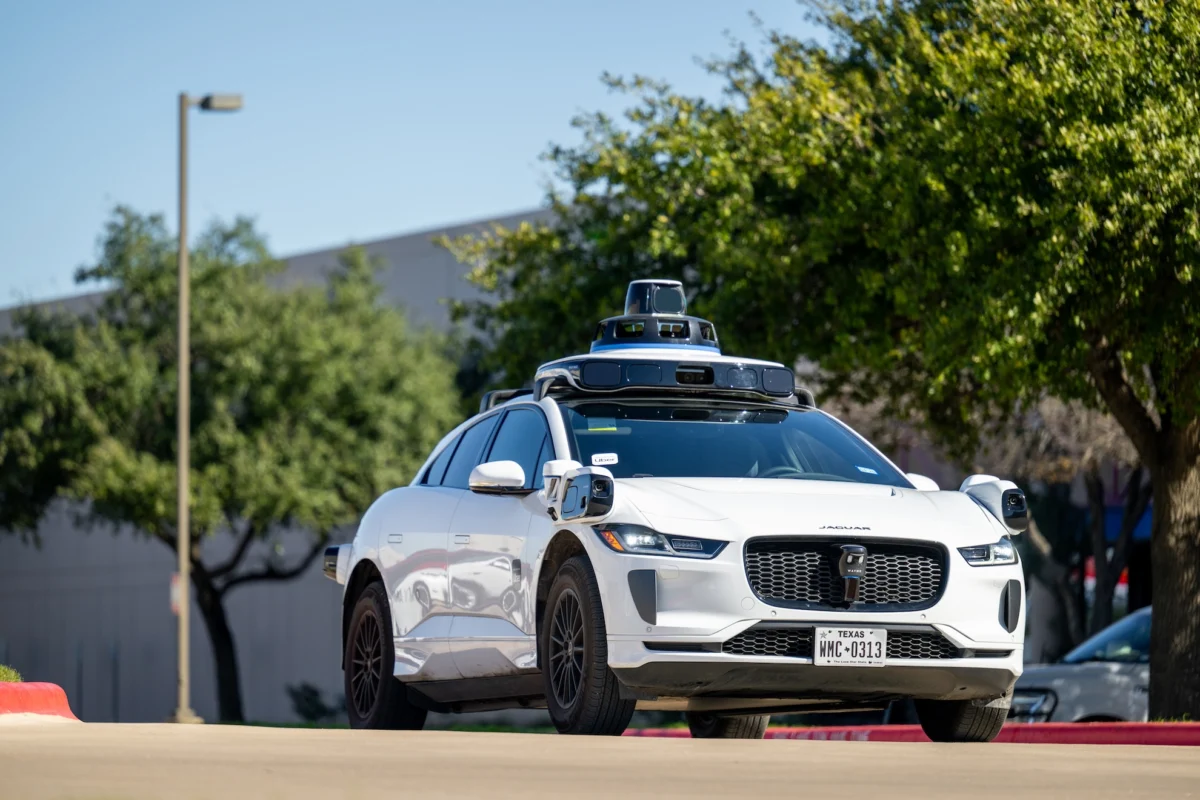
The incident that triggered this federal scrutiny occurred on January 23, 2024, near a school in Santa Monica. A Waymo Jaguar I-Pace, operating autonomously, was traveling at a reported speed of 17 miles per hour. As a 9-year-old girl entered the street, the robotaxi’s system initiated braking, reducing its speed to approximately six miles per hour just prior to impact. According to a preliminary report from the National Transportation Safety Board (NTSB), the collision occurred near the vehicle’s front-right headlight assembly.
The child, though impacted, was able to fall, then rise and walk to the curb. She sustained minor injuries and did not require immediate medical transportation, according to the NTSB report released in March. It is important to note that the NTSB’s investigation is a separate, though parallel, inquiry. The NTSB typically conducts in-depth investigations that can result in more comprehensive findings and recommendations after a period of up to 12 months.
The NHTSA formally announced its investigation into the incident just one week after it occurred. On March 23, the agency dispatched a detailed request for information to Waymo, comprising 12 primary questions, some of which included multiple sub-questions. The initial deadline for Waymo’s comprehensive response was set for May 8. However, documentation posted on the NHTSA’s website indicates that Waymo formally requested an extension on May 1.
In a letter dated May 1, Matthew Schwall, Waymo’s senior director of safety, articulated the company’s request for additional time. Schwall stated, "Our mutual goal is for Waymo to provide relevant information that facilitates ODI’s investigation, while avoiding extraordinary production and review burdens for Waymo and NHTSA ODI that would otherwise not benefit the agency’s investigation." This communication suggests an effort by Waymo to collaborate with the NHTSA while managing the resource-intensive nature of such investigations.
Waymo also sought clarification on certain aspects of the NHTSA’s questions in their May 1 letter. Subsequently, on July 8, Waymo submitted a second letter containing responses to some of the inquiries. The NHTSA ultimately granted Waymo additional time to provide answers for 10 of the 12 primary questions. Waymo has since confirmed to media outlets that it has completed its full submissions to the agency.
Scope of NHTSA’s Inquiry and Waymo’s Data
The NHTSA’s investigation seeks to establish a clear understanding of the safety protocols and decision-making algorithms employed by Waymo’s autonomous driving system, particularly in complex urban environments and near sensitive locations like schools. The agency’s questions are designed to probe the following key areas:
- Speed Limit Determination in School Zones: The NHTSA is interested in the precise methodology Waymo utilizes to identify and adhere to speed limits in school zones. This includes understanding how the vehicle’s systems perceive and interpret signage, posted limits, and any dynamic speed restrictions that may be in effect. The investigation likely aims to determine if Waymo’s system can reliably detect and comply with fluctuating speed limits common in school zones during specific hours.
- Operational Behavior Near Schools: The regulator is assessing whether Waymo has received any prior complaints or reports concerning the behavior of its robotaxis in the vicinity of educational institutions. This could encompass instances of sudden braking, erratic movements, or any other behavior that may have raised concerns among parents, educators, or residents.
- Software and System Documentation: A significant portion of the inquiry involves requests for detailed documentation of Waymo’s software. This likely includes information on the vehicle’s perception systems (how it "sees" the world), its prediction algorithms (how it anticipates the actions of others), its planning modules (how it decides to act), and its control systems (how it executes maneuvers). Understanding the architecture and functionality of this software is crucial for assessing its safety performance.
- Response to Unforeseen Events: The investigation will scrutinize how Waymo’s system is designed to react to unexpected pedestrian behavior, such as a child unexpectedly entering a roadway. This includes the efficacy of its braking systems, the reaction time of its software, and the overall safety margins built into its operational design.
The redaction of Waymo’s responses, citing confidential business information, is a common practice in such regulatory investigations. However, the act of submission itself signifies progress and the company’s engagement with the NHTSA’s oversight. This confidentiality is often invoked to protect proprietary algorithms, trade secrets, and competitive advantages, which are critical in the rapidly evolving autonomous vehicle industry.
Broader Implications for Autonomous Vehicle Safety
This investigation by the NHTSA underscores the critical importance of regulatory oversight in the development and deployment of autonomous vehicle technology. As robotaxis become increasingly integrated into urban transportation networks, ensuring their safety and reliability, particularly around vulnerable road users like children, is paramount.
The incident in Santa Monica, while resulting in minor injuries, serves as a tangible reminder of the challenges inherent in transitioning to a future with widespread autonomous transportation. While Waymo’s system did reduce speed significantly before the collision, the fact that an impact occurred highlights the need for continuous improvement and rigorous validation of these systems.
The NHTSA’s comprehensive questioning suggests a desire to not only understand the specifics of this incident but also to establish benchmarks and best practices for the entire industry. The findings from this investigation could have far-reaching implications, potentially influencing future regulations, safety standards, and public perception of autonomous vehicles.
The NTSB’s separate investigation will likely provide a more in-depth, technical analysis of the crash mechanics and the vehicle’s performance. The eventual release of their findings could offer crucial insights into the contributing factors of the collision.
In the broader context, the development and deployment of autonomous vehicles are being closely watched by regulators, policymakers, and the public. Companies like Waymo are at the forefront of this technological revolution, and their adherence to stringent safety protocols, transparency with regulators, and continuous innovation are vital for building public trust and ensuring the safe integration of this transformative technology into society. The ongoing NHTSA investigation is a critical step in this process, aiming to provide assurances that autonomous vehicles can operate safely and responsibly in all environments. The outcome of this probe will undoubtedly shape the future trajectory of autonomous vehicle regulation and deployment across the United States.
About the Author