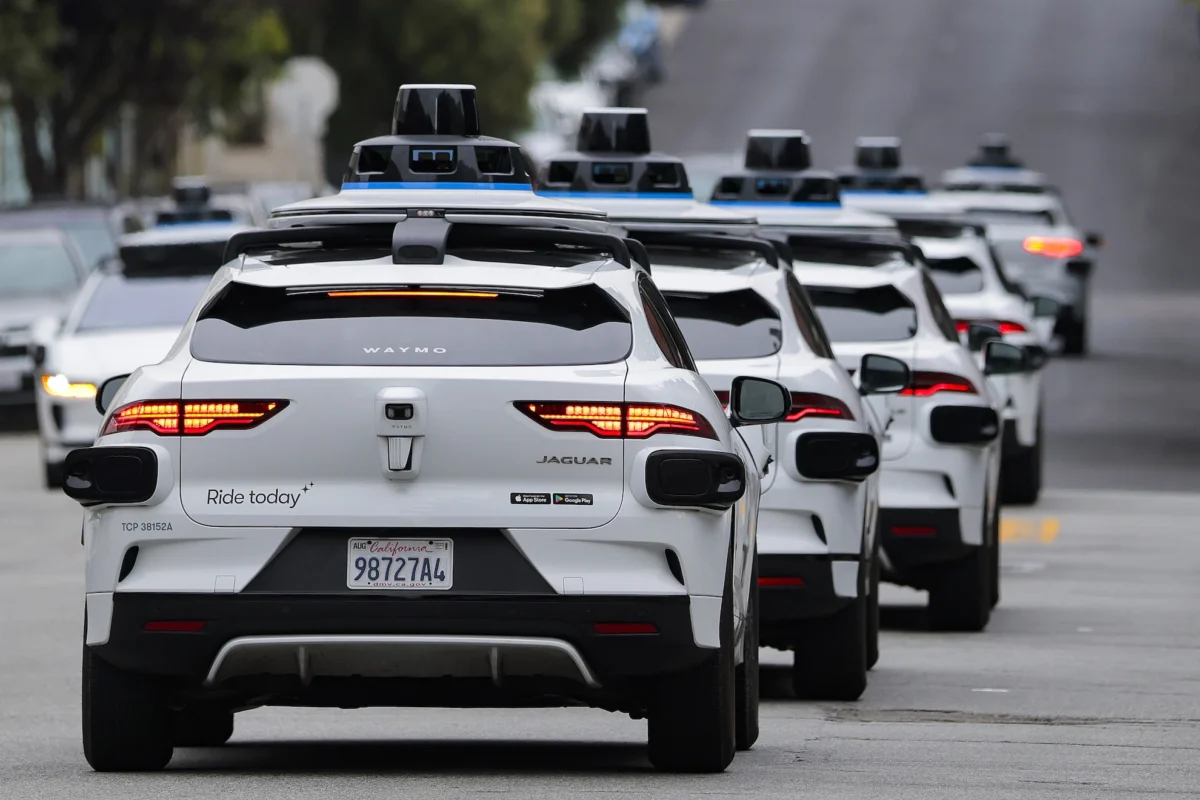
Waymo, the autonomous vehicle subsidiary of Alphabet, announced that its robotaxi service in San Francisco has resumed normal operations following a temporary pause necessitated by a significant power outage that affected approximately 7,000 Pacific Gas and Electric (PG&E) customers across the city. The incident, which occurred on July 18, 2026, prompted Waymo to make "temporary adjustments" to its operations to ensure safety and assess the local conditions.
The disruption began around midday PDT on July 18th. Initial reports indicated that Waymo had temporarily suspended its service, with social media posts circulating a notification to customers stating that the service was "temporarily paused" and that "freeway routes are unavailable." This immediate suspension raised concerns among riders who rely on the autonomous ride-hailing service for their transportation needs within the bustling city.
In response to inquiries from the press, a Waymo spokesperson confirmed the service adjustments, stating, "We are making temporary adjustments to our service while we monitor local conditions. We know riders depend on us, and we will return to normal operations as soon as possible." This statement underscored the company’s commitment to its users while acknowledging the unforeseen circumstances.
Further details emerged following the initial publication of the story. A Waymo spokesperson clarified that the company had "decided to pause service for approximately one hour to assess the scale of the power outage affecting a large portion of San Francisco and coordinate with local officials." This brief, one-hour hiatus allowed Waymo to conduct a thorough evaluation of the situation, ensuring that the resumption of service would be done responsibly and with a clear understanding of the ongoing power grid issues.
The power outage itself, attributed to a PG&E failure, impacted a substantial segment of San Francisco’s population, disrupting daily life for thousands of residents and businesses. The precise cause of the PG&E outage was not immediately detailed in initial reports, but such events can have cascading effects on critical infrastructure and services, including autonomous transportation networks that rely on stable power and communication systems.
This latest incident is not the first time that power outages have posed a challenge to Waymo’s operations in San Francisco. The city, a leading hub for autonomous vehicle testing and deployment, has experienced similar disruptions in the past. Notably, in December 2025, a blackout caused a number of Waymo vehicles to stall on city streets, leading to a suspension of service. Another instance occurred during a Fourth of July fireworks show, where a similar power disruption caused significant traffic issues and temporarily paralyzed the robotaxi fleet. These recurring events highlight the ongoing vulnerability of complex technological systems to infrastructure failures.
The recurring challenges faced by autonomous vehicle operators like Waymo during public infrastructure disruptions have amplified calls for more robust regulatory frameworks. San Francisco Mayor Daniel Lurie has been a vocal advocate for stricter oversight. Following previous incidents, Mayor Lurie has pushed for "tougher state regulations" to "adequately address how autonomous vehicles operate during major incidents, planned or not." This sentiment reflects a growing concern among city officials about the potential for autonomous vehicles to exacerbate existing problems during emergencies, rather than contributing to solutions. The city is keen to ensure that the integration of AVs into its transportation ecosystem is seamless and does not compromise public safety or mobility during critical events.
The implications of these service disruptions extend beyond the immediate inconvenience to riders. They raise pertinent questions about the resilience of autonomous vehicle technology in the face of real-world, unpredictable events. While AVs promise enhanced safety and efficiency, their reliance on sophisticated technology and continuous connectivity makes them susceptible to external factors like power outages, cybersecurity threats, and adverse weather conditions.
Background and Chronology of Events
The events of July 18, 2026, unfolded as follows:

- Morning/Early Afternoon (July 18, 2026): A significant power outage begins to affect parts of San Francisco. Initial reports suggest that approximately 7,000 PG&E customers were impacted.
- Midday (July 18, 2026): Waymo, monitoring the developing situation, observes the impact of the power outage on its operational environment.
- Approximately 12:30 PM PDT (July 18, 2026): Waymo decides to temporarily pause its robotaxi service in San Francisco. Notifications are sent to customers, informing them of the service interruption and the unavailability of freeway routes.
- During the Pause: Waymo’s operations team works to assess the scale and duration of the power outage, coordinating with local officials and ensuring the safety of its vehicles and any passengers onboard at the time of the suspension.
- Approximately 1:30 PM PDT (July 18, 2026): After a roughly one-hour assessment period, Waymo determines that conditions are suitable to resume operations.
- Afternoon (July 18, 2026): Waymo announces the resumption of its robotaxi service in San Francisco. The company states that it is making "temporary adjustments" as it continues to monitor local conditions, indicating a cautious approach to full normalization.
This timeline highlights the swift response by Waymo to a critical infrastructure failure, demonstrating both the company’s capacity for rapid adaptation and the inherent vulnerabilities of its service model.
Supporting Data and Context
San Francisco has been at the forefront of autonomous vehicle deployment for years. Waymo, along with competitors like Cruise (prior to its operational suspension), has been granted permits to operate fully driverless ride-hailing services in various parts of the city. The city’s dense urban environment, complex street network, and frequent technological innovations make it a critical testing ground for AV technology.
The operational scope of Waymo in San Francisco has been steadily expanding. As of early 2026, the company was authorized to offer fully driverless rides to the public across a significant portion of the city. This expansion means that a larger number of vehicles are actively navigating San Francisco’s streets daily, increasing the potential impact of any service disruptions. The reliance on these services by a growing segment of the population underscores the importance of their consistent availability.
The power outage affecting 7,000 PG&E customers is a significant event, though not unprecedented for a major metropolitan area. Such outages can stem from various causes, including equipment failures, severe weather events, or even cyberattacks. The ripple effect on the city’s infrastructure, including traffic management systems, communication networks, and essential services, can be profound. For an autonomous system like Waymo, the loss of stable power can directly impact its sensor arrays, computing systems, and communication links with its operational centers, necessitating a safe shutdown or pause.
Official Responses and Broader Implications
The recurring nature of these incidents has placed autonomous vehicle regulation at the forefront of discussions for San Francisco city officials and state regulators. Mayor Lurie’s calls for "tougher state regulations" point to a desire for a more proactive and comprehensive approach to AV oversight. This could include mandates for AV companies to demonstrate greater resilience to infrastructure failures, establish clearer protocols for operation during emergencies, and ensure better coordination with city emergency services.
The California Public Utilities Commission (CPUC), the state agency responsible for regulating investor-owned utilities and granting permits for autonomous vehicle deployment, plays a crucial role in this evolving landscape. As AV technology matures and its integration into public life deepens, the CPUC and other regulatory bodies will likely face increasing pressure to adapt existing regulations or create new ones to address the unique challenges posed by driverless vehicles.
The incident also raises broader questions about the societal implications of increasing reliance on autonomous systems. While these technologies offer significant potential benefits, their vulnerabilities to external disruptions highlight the need for robust contingency planning and a balanced approach to deployment. The resilience of critical infrastructure, including the power grid, becomes even more paramount when entire segments of the transportation network depend on its stability.
Furthermore, the public perception of autonomous vehicles is heavily influenced by such events. Repeated service disruptions, especially those that cause public inconvenience or safety concerns, can erode public trust and slow down the adoption of this transformative technology. For Waymo and other AV developers, demonstrating reliability and safety, particularly during unforeseen circumstances, is crucial for long-term success.
The resumption of Waymo’s service, albeit with "temporary adjustments," signals a return to a semblance of normalcy. However, the underlying issue of infrastructure vulnerability remains. As San Francisco and other cities continue to embrace autonomous transportation, a collaborative effort involving technology companies, utility providers, and regulatory bodies will be essential to ensure that these advanced systems can operate reliably and safely, even in the face of unexpected challenges. The lessons learned from this latest power outage will undoubtedly inform future regulatory discussions and technological development in the autonomous vehicle sector.
About the Author