Waymo’s commercial robotaxi service is experiencing a period of significant expansion, marked by a growing geographic footprint and a surge in ridership. However, a closer examination of the company’s operational strategy reveals a pronounced concentration of its autonomous vehicle fleet within a limited number of states, primarily California and Texas. This strategic focus, particularly on Texas, is being driven by the integration of a new Chinese-built minivan, the "Ojai," which Waymo anticipates will be crucial for scaling its operations, despite potential cost increases due to import tariffs.
The numbers paint a picture of rapid commercial growth, consistent with the deep pockets and resources of Waymo, a company that originated from Google and remains a majority-owned subsidiary of Alphabet. As of September 2024, Waymo’s commercial operations were confined to just three cities: Phoenix, Los Angeles, and San Francisco. Today, the company offers its robotaxi service across 15 U.S. cities, with the majority of these commercial launches occurring within the past year. This expansion has been accompanied by a dramatic increase in ridership, with Waymo now facilitating an average of 500,000 paid robotaxi rides weekly. This significant uptick in demand underscores the growing public acceptance and utility of autonomous ride-hailing services.
Fleet Concentration: California and Texas Lead the Way
Despite the widespread geographic reach of its services, the operational reality of Waymo’s fleet deployment reveals a more concentrated strategy. Approximately 80% of Waymo’s roughly 4,000 robotaxis are currently deployed in California and Texas. Texas, in particular, has emerged as a focal point for recent fleet growth. Waymo’s fleet in the Lone Star State has expanded by nearly half in the past three weeks, a surge attributed to the introduction of the new Chinese-manufactured minivan that the company is betting on for scalability. This rapid increase in Texas is supported by data from the Texas Autonomous Vehicle Fleet Tracker, which monitors state vehicle registrations. As of September 24, Waymo had registered 1,102 autonomous vehicles in Texas.
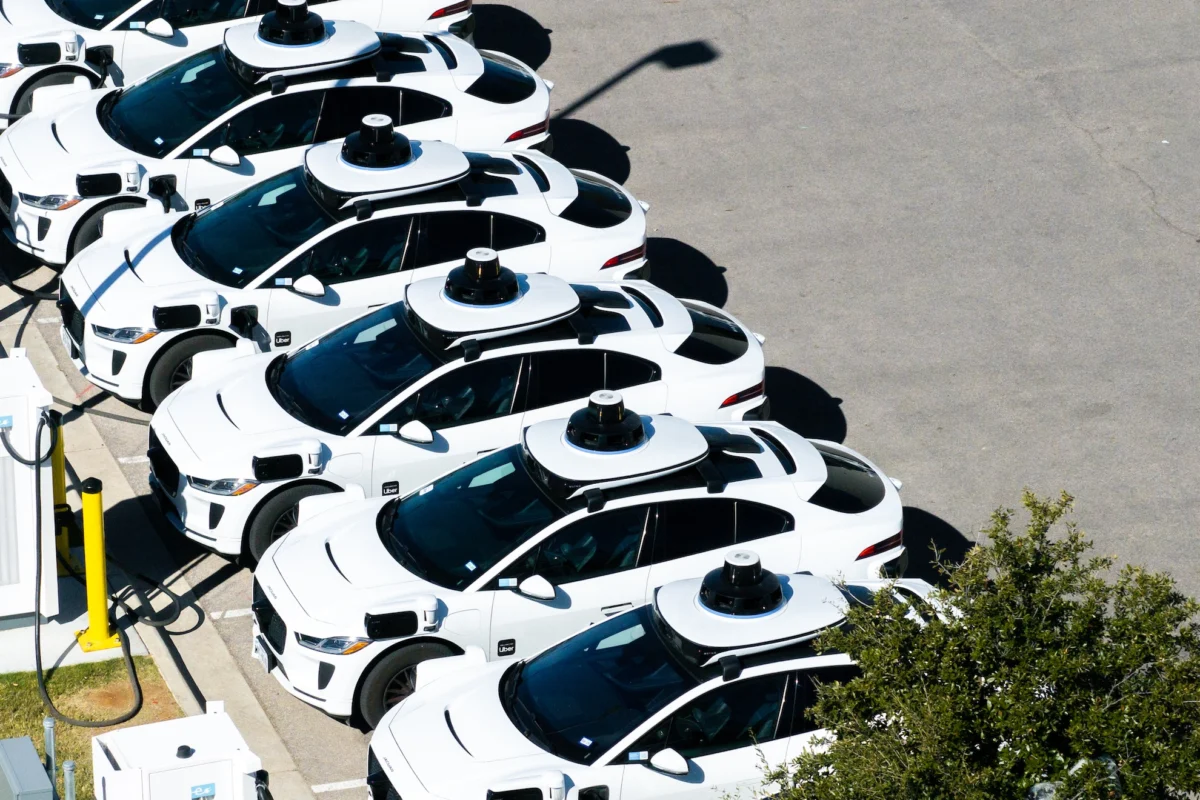
The remaining approximately 800 vehicles are distributed across other operational cities, including Arizona and Florida, which are also experiencing burgeoning growth in autonomous vehicle adoption. While many of these vehicles are the familiar white Jaguar I-Pace electric SUVs, a growing proportion consists of the new minivan model, branded by Waymo as the "Ojai."
The California Nexus: A Foundation for Growth
Waymo’s significant presence in California is largely unsurprising. The company is headquartered in Silicon Valley, a region that has been central to its early testing and development efforts. Furthermore, California’s demographic landscape often includes a segment of the population that is more inclined to adopt new technologies at their nascent stages, providing a fertile ground for pilot programs and early commercialization. The state’s regulatory environment has also been relatively progressive in enabling autonomous vehicle testing and deployment.
Texas: A Rapidly Expanding Frontier
The recent accelerated growth in Texas represents a more dynamic shift in Waymo’s operational strategy. State vehicle registrations and data from the Texas Autonomous Vehicle Fleet Tracker indicate a substantial increase in Waymo’s Texas fleet, growing by 49% in the three weeks leading up to September 24. This expansion signifies a strategic pivot towards capitalizing on the state’s growing market for autonomous transportation.
Waymo’s commercial foray into Texas began in March 2025 with an initial launch in Austin. This service was facilitated through a partnership with Uber, allowing riders to hail Waymo’s robotaxis directly through the Uber application. Since this initial deployment, Waymo has systematically expanded its robotaxi services to include other major Texas cities such as Dallas, Houston, and San Antonio, demonstrating a clear commitment to establishing a substantial presence across the state’s urban centers.
The growth trajectory of Waymo’s Texas fleet was relatively modest for much of the summer, increasing from approximately 600 vehicles in June to just over 700 by the end of August. However, September witnessed a dramatic surge, with the fleet size escalating significantly. This influx was directly fueled by the delivery of new Ojai minivans, which now constitute roughly one-third of Waymo’s operational fleet in Texas. Industry analysts anticipate this proportion will continue to increase as more Ojai units are integrated into the fleet.
The Ojai: A Scalability Solution from China
The Ojai robotaxi is engineered with the explicit objective of enabling Waymo to achieve mass-scale deployment. This redesigned minivan is equipped with Waymo’s sixth-generation self-driving system, a testament to its advanced autonomous capabilities. The interior is designed for durability and frequent use, reflecting the demands of a commercial ride-hailing service. Enhancements to the rider experience include an upgraded interface and the integration of Google’s Gemini AI, which functions as an in-car assistant to provide passengers with information and support during their journeys.
Underneath the advanced Waymo technology, the Ojai is fundamentally a minivan manufactured by Zeekr, a brand owned by China’s Geely Holding Group, which also holds ownership of Volvo. The Ojai is built upon Zeekr’s SEA-M platform, a versatile modular architecture designed specifically for vehicles intended for purposes such as robotaxis and delivery vans. In the manufacturing process, base Zeekr vehicles are shipped to the United States devoid of any integrated Chinese connected-car technology. Upon arrival, these vehicles are transported to Waymo’s facility in Arizona, where they are meticulously outfitted with Waymo’s proprietary self-driving system. This process ensures that the vehicles meet Waymo’s stringent autonomous driving requirements while leveraging the manufacturing efficiencies of a global automotive supplier.
Navigating Tariffs and Future Deployments
The strategic adoption of the Ojai is intended to drive down operational costs and, ultimately, guide Waymo toward profitability. However, the current U.S. trade policy introduces a significant hurdle: steep import tariffs on vehicles manufactured in China. These tariffs directly increase Waymo’s per-unit cost for every Ojai it imports into the country, potentially offsetting some of the anticipated cost savings from scaled production.
Despite these financial challenges, Waymo appears committed to absorbing these increased costs, signaling a strong belief in the Ojai’s long-term strategic value. Research firm MoffettNathanson, which monitors Ojai imports through detailed shipping records, reported in its September analysis that Waymo is on track to import 5,100 Ojai vehicles into the U.S. by the end of the current year. This substantial influx of new vehicles suggests a robust expansion plan.
The deployment of these incoming Ojai vehicles is expected to be multifaceted. Texas is certainly slated to receive a significant portion of this new fleet. However, Florida, where Waymo currently operates in three cities, and newer markets such as Las Vegas are also anticipated to experience a considerable influx of these new robotaxis. This diversified deployment strategy indicates Waymo’s intention to broaden its operational footprint and test the Ojai’s scalability in various market conditions and regulatory environments. The success of this strategy will be closely watched by the industry as a key indicator of Waymo’s ability to navigate global supply chains, geopolitical trade dynamics, and the relentless pursuit of profitability in the nascent autonomous ride-hailing sector.
The ongoing expansion of Waymo’s fleet, particularly with the introduction of the Ojai, represents a critical phase in the company’s evolution. While the breadth of its service offerings might suggest a uniform geographic distribution, the reality points to a deliberate and strategic concentration of resources in key markets. This approach allows Waymo to optimize operational efficiency, refine its technology in high-density urban environments, and build critical mass in areas with demonstrated demand and supportive regulatory frameworks. The company’s willingness to absorb import tariffs underscores the perceived strategic imperative of the Ojai platform for achieving its ambitious scaling objectives, even as it navigates the complexities of international trade and manufacturing. The coming months will reveal the efficacy of this strategy and its impact on the broader landscape of autonomous transportation.
About the Author