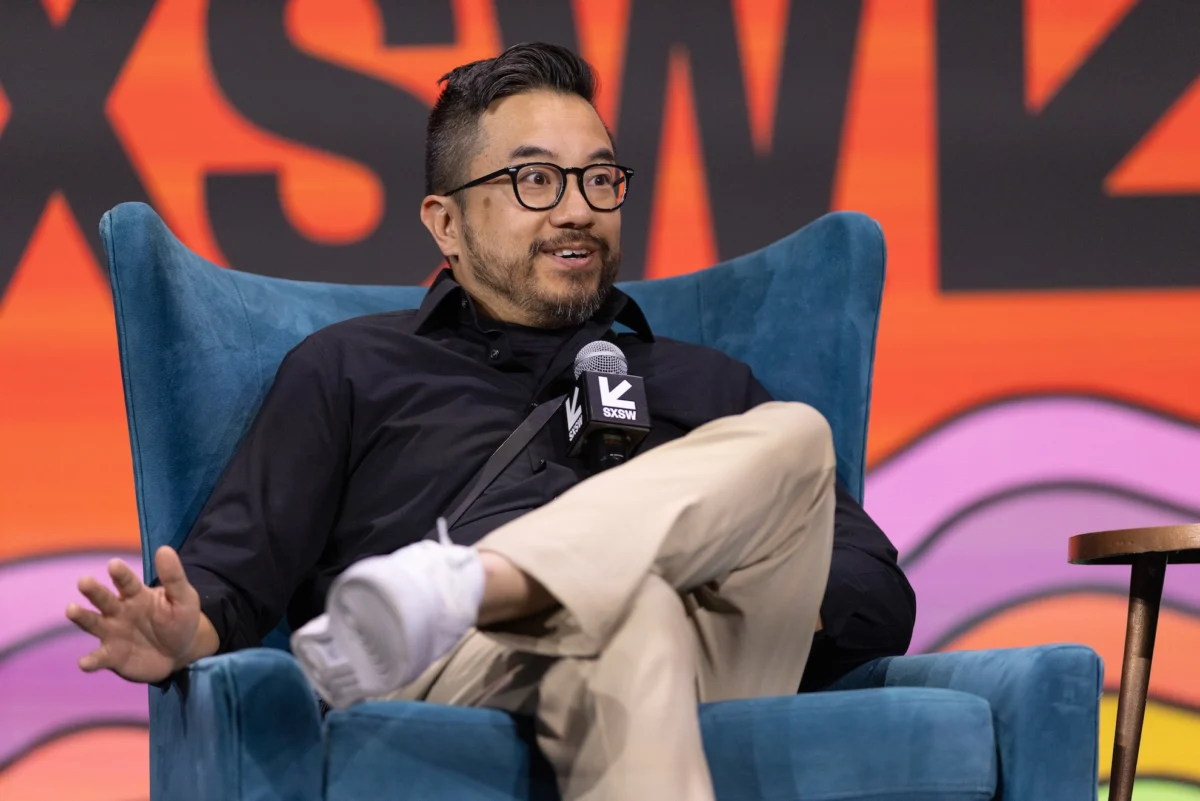
Y Combinator CEO Garry Tan ignited a fervent discussion within the tech community following his candid remarks at the South by Southwest (SXSW) festival, where he claimed to be experiencing "cyber psychosis" due to his intense engagement with AI agents. His statements, made during an onstage interview with fellow venture capitalist Bill Gurley, highlighted an extreme dedication to his work, characterized by minimal sleep and an almost euphoric state driven by AI-augmented productivity. This revelation, coupled with the release of his open-source "gstack" project – a set of curated prompts for AI coding – has not only gone viral but also triggered a polarizing debate about the future of software development, the ethics of hustle culture, and the role of high-profile figures in shaping tech trends.
The SXSW Revelation: "Cyber Psychosis" and AI-Driven Insomnia
The stage was set at SXSW, an annual convergence of technology, film, and music in Austin, Texas, known for being a launchpad for groundbreaking ideas and candid discussions. On a Saturday panel, Tan, at the helm of one of the world’s most influential startup accelerators, confessed to a state of near-constant wakefulness. "I sleep, like, four hours a night right now," he told Gurley, adding, "I have cyber psychosis, but I think a third of the CEOs that I know have it as well." While delivered with a jesting tone, the comment immediately resonated with many in the audience, drawing attention to the often-unspoken pressures of leadership in the fast-paced tech industry.
Tan clarified that this intense wakefulness was not induced by stimulants, as in his earlier entrepreneurial days, but by an intrinsic excitement generated by working with AI agents. He drew a stark contrast to his past experience, recalling his time building Posterous, a Y Combinator-backed blogging startup he eventually sold to Twitter in 2012. During that period, he admitted to relying on modafinil, a sleep-preventing drug popular within the "hustle culture" prevalent in Silicon Valley, to maintain productivity over two arduous years. He described that venture as requiring "$10 million in VC capital and 10 people." Now, he claims, "I don’t need modafinil with this revolution. Like, I’m up. I slept at 4 a.m. I woke up at 8 a.m. I wanted to sleep more, but I couldn’t because: Let’s see what’s going on with the 10 workers. I’ve got like three different projects going right now." This natural, AI-fueled insomnia, he suggested, was a testament to the transformative power of these new tools.
The Context of "Hustle Culture" and AI’s Role
Tan’s comments inadvertently reopened a broader discussion on "hustle culture," a pervasive ideology in the tech industry that glorifies extreme working hours, sleep deprivation, and relentless pursuit of success, often at the expense of personal well-being. For years, narratives of founders sleeping under desks or working 100-hour weeks have been romanticized, contributing to a culture where burnout is common. The use of cognitive enhancers like modafinil, often prescribed for narcolepsy, has been an open secret among some startup executives striving for an edge. Tan’s past admission of using such a drug provides a historical context to his current claim, framing his "cyber psychosis" as a new, perhaps more organic, manifestation of this relentless drive, now powered by the allure of AI.
The term "AI-induced psychosis," while used colloquially by Tan, carries a more serious connotation in the medical and ethical discourse surrounding artificial intelligence. Researchers and ethicists have explored potential psychological impacts of intense human-AI interaction, from cognitive biases to, in rare cases, more severe dissociative or delusional states. While Tan’s use of the phrase was likely hyperbolic to convey his excitement, it highlights a growing awareness of the deep psychological integration humans are developing with advanced AI systems. The rapid advancements in large language models (LLMs) and autonomous AI agents have accelerated this integration, making the line between human and machine collaboration increasingly blurred, and for some, intensely captivating.
Y Combinator itself, as a leading startup accelerator, plays a pivotal role in shaping the entrepreneurial mindset. Its programs are known for their intense pace and demand for rapid iteration, fostering an environment where founders are often pushed to their limits. Tan’s public embrace of this extreme productivity, now amplified by AI, sets a powerful precedent for the thousands of startups aspiring to emulate YC’s success.
Introducing Gstack: Tan’s Open-Source AI Prompt Framework
Just two days before his SXSW appearance, on March 12, 2026, Tan had publicly launched "gstack," his personal Claude Code (CC) setup, under an open-source MIT license on GitHub. This initiative, which he proudly shared on X (formerly Twitter), aimed to empower other developers by providing them with his "exact skill setup" for interacting with AI models, specifically Anthropic’s Claude.
Gstack is essentially a collection of "opinionated" Claude Code skills, which are reusable prompts stored in special skill.md files. These files are designed to instruct the AI on how to behave in specific roles or perform particular tasks. Initially, gstack included six such skills, but Tan has since rapidly expanded the repository, tweeting about new additions almost hourly. The GitHub repository currently lists 13 skills, demonstrating Tan’s ongoing, active development and deep immersion in the system.
Tan illustrated gstack’s practical application with an example: he uses one skill to have Claude act as a CEO, offering an opinion on a startup idea or feature. Another skill then directs Claude to write the feature as an engineer, while a third skill assigns Claude the role of a code reviewer, scrutinizing its own work for potential bugs and security vulnerabilities. Other skills in the gstack framework cover aspects like design, documentation, and further iterative development, effectively simulating a small, multi-functional engineering organization within the AI environment. This structured approach, according to Tan, allows for rapid prototyping and development cycles that were previously unimaginable. The open-source nature of gstack means developers globally can adopt, modify, and contribute to these workflows, fostering a collaborative ecosystem around AI-driven development practices.
Viral Reception and Immediate Backlash
The release of gstack was met with immediate and overwhelming attention. Tan’s initial tweet announcing its availability went viral on X, generating significant buzz and discussion. Concurrently, gstack quickly trended on Product Hunt, a popular platform for launching and discovering new tech products. The GitHub repository rapidly accumulated nearly 20,000 stars and over 2,200 "forks," indicating a massive engagement from the developer community eager to experiment with and adapt Tan’s setup. This surge in popularity underscored the high level of interest in practical applications of AI for coding and the influence of a figure like Garry Tan in the tech ecosystem.
However, the honeymoon period for gstack was short-lived. Shortly after the initial enthusiastic reception, Tan posted a follow-up tweet that triggered a wave of criticism and "hate." In this contentious post, he quoted a CTO friend who allegedly described gstack as "god mode," claiming it had "discovered a subtle cross-site scripting attack that I don’t even think my team is aware of." The friend reportedly predicted that "over 90% of new repos from today forward will use gstack."
This tweet sparked a significant backlash. Critics, many of whom are seasoned developers and founders, reacted strongly to what they perceived as an inflated claim. One founder posted on X, "(1) Garry should be embarrassed for tweeting this. (2) If it’s true, that CTO should be fired immediately." The sentiment was that the detection of a common vulnerability like a cross-site scripting (XSS) attack should be standard practice for any competent development team and not a miraculous discovery attributable solely to a set of AI prompts. The implication was that the CTO’s team was either negligent or the claim was exaggerated.
Vlogger Mo Bitar, in a widely watched take on gstack titled "AI is making CEOs delusional," succinctly summarized a common complaint: gstack was essentially "a bunch of prompts" in a text file. He argued that experienced developers already cultivate their own sophisticated prompt engineering techniques for working with AI coding assistants like Claude Code. Another comment on Product Hunt directly challenged Tan’s influence: "Garry, let’s be clear and honest: if you weren’t the CEO of YC, this wouldn’t be on PH." These criticisms underscored a belief that gstack’s virality was more a function of Tan’s prominent position than the inherent novelty or groundbreaking nature of the tool itself. The debate highlighted a tension between the open-source community’s emphasis on merit-based recognition and the undeniable impact of a leader’s platform.
Expert Analysis: Novelty vs. Sophistication
To ascertain the true merit of gstack amidst the polarized reactions, an inquiry was made to various "experts," including the very AI models it interacts with. The results offered a nuanced perspective.
When asked about gstack, Claude, the AI model at the core of Tan’s setup, predictably offered a glowing endorsement. It described gstack as "a mature, opinionated system built by someone who actually uses it heavily," adding that "It’s one of the better examples of Claude Code skill design out there." Given that Claude is the beneficiary of these prompts, its positive assessment, while informative, must be viewed through the lens of its inherent bias towards its own ecosystem.
ChatGPT, a rival LLM, offered a more balanced perspective. It opined that gstack constitutes "reasonably sophisticated prompt workflows, but they’re not ‘magical.’" Crucially, ChatGPT highlighted the underlying insight: "The real insight here is that AI coding works best when you simulate an engineering org structure. Not when you just ask: ‘build this feature.’" This analysis validates Tan’s approach of assigning distinct roles and responsibilities to the AI, suggesting that the value lies not just in the prompts themselves, but in the organizational simulation they enable.
Google’s Gemini, another prominent LLM, echoed this sentiment, calling the setup "sophisticated." Gemini further elaborated, stating that "gstack is essentially a ‘Pro’ configuration. It is less about making coding easier and more about making it correct." This implies that gstack’s strength lies in its ability to enforce a structured, rigorous development process through AI, rather than merely automating simple tasks.
The consensus from these AI models, despite their biases, leans towards acknowledging gstack’s sophistication as a workflow rather than a revolutionary technical breakthrough. Human experts in prompt engineering and software development often echoed the sentiment that while the individual components (prompts) might not be entirely novel to advanced users, the packaging and systematization of these prompts into an open-source, easily deployable framework is valuable, especially for those new to advanced AI-assisted coding. It provides a structured starting point, a "best practice" template, for leveraging AI effectively in a multi-role fashion, potentially lowering the barrier to entry for complex AI integrations in development workflows.
Broader Implications: The Future of Coding, Productivity, and Leadership
Garry Tan’s "cyber psychosis" and the gstack phenomenon serve as a potent microcosm for several larger trends and debates currently sweeping the tech industry.
The Evolution of Software Development: The gstack framework, regardless of its perceived novelty, highlights a significant shift in how developers might interact with AI. Moving beyond simple code generation, the concept of simulating an entire engineering organization with AI agents suggests a future where human developers become orchestrators, strategists, and auditors of AI-generated work, rather than just coders. This "AI-augmented development" could dramatically accelerate product cycles, potentially democratizing access to high-quality software creation for smaller teams or even individual "solopreneurs." The debate over gstack thus reflects a broader industry grappling with what effective human-AI collaboration in software engineering truly looks like, pushing the boundaries of autonomous development.
Productivity and Mental Health in the AI Age: Tan’s claim of "natural insomnia" due to AI excitement is a striking commentary on the potential for AI to unlock unprecedented levels of personal productivity. While exhilarating for some, it also raises concerns about the sustainability of such intense work patterns. If AI makes it possible for individuals to achieve the output of multiple people, will the pressure to constantly perform at that heightened level become the new norm? This could exacerbate existing issues of burnout and mental health challenges in the tech sector, making the distinction between healthy passion and unsustainable obsession increasingly difficult to discern. The casual reference to "cyber psychosis," while a joke, underscores a potential future where the lines between human and AI-driven thought processes become increasingly blurred, with unknown psychological consequences that demand careful study and mitigation strategies.
The Power of Open Source and Influencer Culture: Gstack’s immediate viral success, driven significantly by Tan’s platform as Y Combinator CEO, illustrates the immense power of influential figures in the open-source community. While open-source principles champion meritocracy and community contribution, the reality is that endorsement from a high-profile individual can instantly elevate a project, irrespective of its inherent innovation or uniqueness. This raises questions about how genuine innovation is recognized versus how influence can amplify visibility, shaping trends and resource allocation within the developer ecosystem. The "god mode" tweet controversy further exemplifies the delicate balance leaders must strike between promoting their work and maintaining credibility, particularly when discussing sensitive topics like security vulnerabilities.
Ethical Considerations and Responsible Innovation: The discussion around gstack also touches upon ethical considerations in AI development and deployment. The ability of AI to identify "subtle" security flaws, as claimed by Tan’s friend, highlights AI’s potential for enhancing cybersecurity. However, it also implicitly raises questions about the ethical responsibility of developers and organizations to ensure robust security practices independent of AI tools. Relying solely on AI for such critical functions without human oversight could introduce new vulnerabilities or biases. Furthermore, the broader conversation around "AI-induced psychosis" necessitates ongoing dialogue about the psychological impact of AI on users and creators, urging responsible development that prioritizes human well-being alongside technological advancement and safeguards against potential over-reliance.
In a follow-up X post on Monday, Tan reiterated his profound connection to AI-assisted coding, explaining, "I took modafinil just to stay awake longer to be able to turn the momentary crystalline structures I had in my brain into lines of code before sleep or human distraction turned it to grains of sand. I love coding but I love coding with AI even more. I speak it listens and we create. I see the structure and it is built. There is no more powerful an experience to me than that." This statement encapsulates the deeply personal and almost symbiotic relationship he describes with AI, a sentiment that resonates with many early adopters while simultaneously alarming others who foresee potential pitfalls.
Garry Tan’s remarks and the gstack project have undeniably carved out a significant space in the ongoing discourse about AI’s role in the future of work and human experience. Whether gstack is a truly revolutionary tool or a highly visible example of established practices, it has effectively put a spotlight on the accelerating pace of AI integration, the evolving demands on tech leaders, and the complex interplay between innovation, productivity, and human well-being in the modern era. The debate surrounding it is far from over, mirroring the larger questions the tech world continues to grapple with as AI permeates every facet of our digital lives. Tan, who did not respond to multiple requests for comment, remains at the center of this unfolding narrative.
About the Author