While the electric vehicle (EV) transition faces headwinds and a perceived slowdown in certain Western markets, East Africa is rapidly emerging as a vibrant hub for EV innovation, particularly within the crucial two-wheeled sector. Spearheading this regional surge is Zeno, a pioneering startup that this week announced a significant $25 million Series A funding round. This capital injection is earmarked for a critical expansion of its app-controlled battery-swap network and a substantial increase in the production of its proprietary Emara electric motorcycles, signaling robust investor confidence in the continent’s sustainable mobility future.
A Strategic Investment in a High-Growth Market
The $25 million Series A funding comprises $20.5 million in equity and an additional $4.5 million debt facility, demonstrating a blended approach to capital acquisition tailored for rapid scaling. The equity round was notably led by Congruent Ventures, a firm known for its focus on sustainable technology, with significant participation from Active Impact and Lowercarbon Ventures. The debt component was secured from Camber Road and Trifecta Capital, further solidifying Zeno’s financial runway. This latest funding builds upon a strong foundation, following a previous $9.5 million seed round led by Lowercarbon Ventures and Toyota Ventures, underscoring a consistent pattern of investor belief in Zeno’s vision and execution. Michael Spencer, co-founder and CEO of Zeno, confirmed these details, highlighting the strategic backing from both climate-focused and traditional venture capital entities.
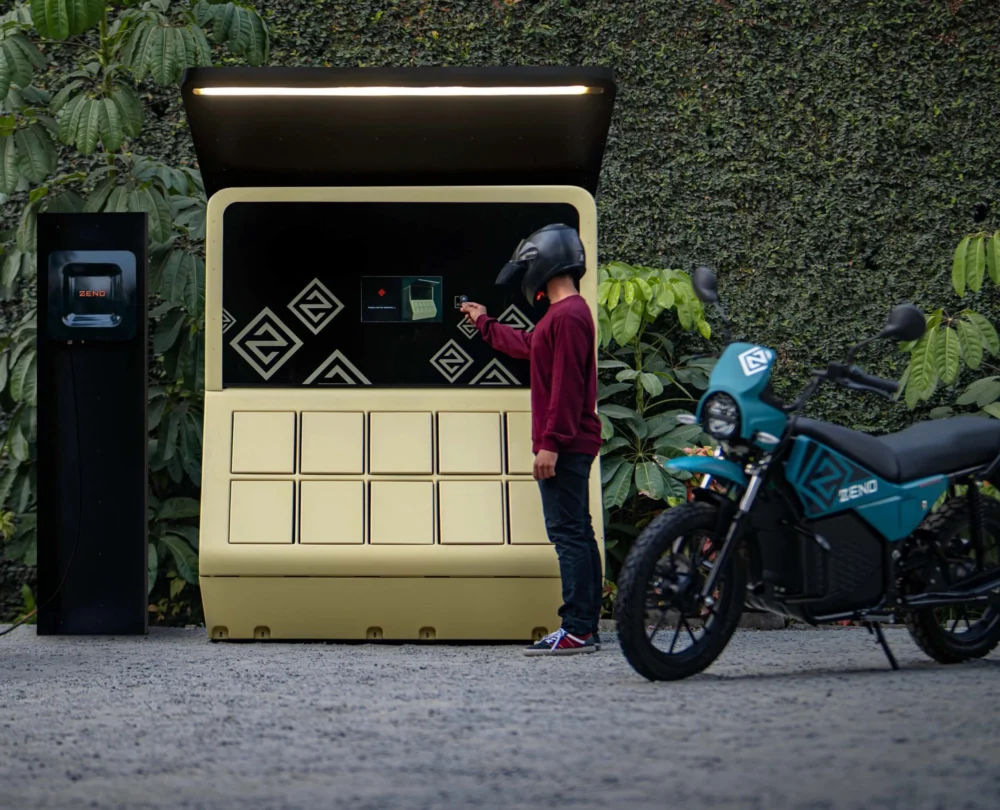
Since its emergence from stealth mode approximately a year and a half ago, Zeno has rapidly established a formidable presence in the East African market. The company has already manufactured over 800 of its robust Emara motorbikes and deployed more than 150 battery-swapping and charging locations across four key countries in the region. This rapid deployment illustrates Zeno’s agility and its deep understanding of the local operational landscape, critical factors for success in a geographically diverse and infrastructure-challenged environment. The capital infusion is expected to dramatically accelerate these figures, fulfilling the substantial demand that Zeno has already cultivated.
The Indispensable Role of Motorbikes in East Africa
Motorbikes, often referred to as "bodabodas" in many East African nations, are far more than mere vehicles; they are the circulatory system of the region’s economy and social fabric. Millions of operators rely on them for daily livelihoods, ferrying passengers, delivering goods, and providing essential last-mile connectivity where traditional public transport or road networks are insufficient. This ubiquity translates into an enormous addressable market for Zeno’s electric alternatives. The transition to electric motorbikes in this context is not just an environmental imperative but a significant economic opportunity for individual operators and the wider regional economy.
Zeno’s core value proposition revolves around significantly reduced operating costs. The company claims that its Emara motorbikes can offer up to 50% lower operating expenses compared to traditional internal combustion engine (ICE) bikes. This cost saving is a powerful incentive for operators, directly impacting their daily earnings and improving their economic stability. In a region where fuel price volatility can severely impact profitability, the predictable and often lower cost of electricity provides a compelling alternative. This economic advantage, combined with the growing awareness of environmental benefits, positions Zeno to tap into a profound shift in consumer preference. The company currently reports a waiting list of over 25,000 retail and fleet customers eager to acquire an Emara, indicating a palpable demand that far outstrips current production capabilities of 70 to 80 bikes per week. The Series A funding will directly address this bottleneck, enabling Zeno to scale production and fulfill this burgeoning market need.
Zeno’s Innovative Ecosystem: The Emara and Battery-Swap Network
The Zeno Emara motorbike is engineered specifically for the demanding conditions and operational requirements of East Africa. It boasts a range of approximately 100 kilometers (about 60 miles) on a single charge, sufficient for most daily routes of bodaboda operators. Crucially, the bike is designed to carry substantial loads, with a capacity of up to 250 kilograms (550 pounds), making it ideal for both passenger and cargo transport. From a performance standpoint, the Emara provides 8 kilowatts of peak power, comparable to a 150cc internal combustion engine. However, its electric powertrain delivers instant torque from a standstill, a critical advantage for navigating steep hills while fully laden – a common challenge in many parts of East Africa. This feature is particularly beneficial for bodaboda operators who routinely transport heavy loads or multiple passengers across varied terrain.
Zeno’s pricing strategy reflects the nuanced economic realities of its target market. The Emara sells for approximately $1,300 without a battery and about $2,000 with one. This tiered pricing model is central to its innovative battery-swap network. Customers who opt to purchase the bike without a battery can subscribe to a flexible monthly or pay-per-use plan for battery access. This model significantly lowers the upfront cost of the EV, making it more accessible to operators who might struggle with the higher initial investment of an EV that includes a battery.

The app-controlled battery-swap network is the technological backbone of Zeno’s ecosystem. This network allows riders to quickly exchange depleted batteries for fully charged ones at conveniently located swap stations. This eliminates range anxiety and the lengthy charging times associated with traditional EV charging, effectively mirroring the speed and convenience of refueling a petrol bike. Riders can also charge their batteries at home, offering flexibility. This modular approach to energy delivery is critical in regions with inconsistent power grids and varying access to reliable charging infrastructure. The more than 150 existing swap stations represent a significant investment in infrastructure, forming a critical component of Zeno’s strategy to embed itself within the region’s transportation and energy ecosystem. Beyond functionality, Zeno also offers a range of accessories and wraps, allowing buyers to customize their Emara rides, fostering a sense of ownership and personal expression similar to what is seen in other markets.
Broader Implications: Powering Homes and Communities
Zeno’s ambitions extend beyond merely electrifying transportation. A particularly innovative aspect of its strategy involves the development of a battery dock that homes and businesses can use to power lights and appliances. This initiative, currently in the prototyping phase with about a dozen customers testing the product, represents a significant diversification and a powerful potential for deeper integration into the regional infrastructure.
If successfully commercialized, this battery dock could position Zeno as a pivotal player in East Africa’s broader energy landscape. The region’s power grid is notoriously unreliable in many areas, characterized by frequent outages and limited access, particularly in rural communities. This energy deficit has created a fertile ground for companies offering modular power solutions. While some companies are focused on developing mini- and microgrids, Zeno’s approach leverages its existing battery technology and network to provide portable, modular power. This could offer a resilient and accessible energy solution for households and small businesses, improving quality of life and fostering economic activity by ensuring consistent power for lighting, communication, and small appliances. This strategy resonates with the concept of "leapfrogging," where developing economies bypass older, centralized infrastructure models and jump directly to more distributed, resilient, and sustainable solutions.
A Vision Inspired by Tesla, Tailored for Emerging Markets
Michael Spencer’s vision for Zeno is deeply rooted in his experience at Tesla, drawing inspiration from Elon Musk’s original master plan to deploy EVs and clean power at scale. However, Spencer astutely recognized that this ambitious plan had "more legs and more room to run with lower hurdles in emerging markets." This insight underscores a fundamental truth: while Western markets grapple with entrenched automotive cultures and existing infrastructure, emerging economies offer a unique opportunity to build sustainable systems from the ground up, often bypassing the legacy challenges faced by more developed nations. The relatively lower vehicle ownership rates and higher reliance on two-wheeled transport in East Africa present a fertile ground for a rapid and transformative EV adoption.
Investors are likely drawn to Zeno not only for its clear market opportunity and robust business model but also for its significant environmental and social impact potential. By reducing reliance on fossil fuels, Zeno contributes to cleaner air and a reduction in greenhouse gas emissions. Economically, empowering bodaboda operators with lower operating costs translates directly into increased disposable income, which can have a ripple effect on local economies, supporting families and stimulating small businesses. This blend of profitability and positive societal impact positions Zeno as a compelling investment in the growing sphere of impact investing.
Challenges and the Path Forward
While Zeno’s trajectory is impressive, scaling rapidly in East Africa presents its own set of challenges. Maintaining the extensive battery-swap infrastructure, managing supply chains for motorbike production, navigating diverse regulatory environments across multiple countries, and facing an increasingly competitive landscape are all critical hurdles. The demand for over 25,000 bikes indicates a need for exponential growth in production and infrastructure deployment, which will require significant operational sophistication and continuous capital investment.
However, Zeno’s current success, underpinned by its recent $25 million Series A, suggests a robust strategy and a capable team. By offering a compelling economic advantage, a practical technological solution tailored to local needs, and a vision that extends beyond transportation to broader energy access, Zeno is positioning itself not just as an EV company, but as a crucial enabler of sustainable development in East Africa. The company’s journey will serve as a bellwether for how emerging markets can lead the charge in the global transition to electric mobility and distributed clean energy, offering valuable lessons for developed nations still grappling with their own EV adoption challenges.
About the Author