For years, Semrush, a leading digital marketing software provider, approached its data studies with a reactive mindset, producing them sporadically based on opportune ideas and available resources, typically resulting in one or two major reports annually. This approach, common across many industries, began to show its limitations as the digital landscape became increasingly saturated and the need for sustained attention and authority grew. The company recognized a critical shift was necessary: to not only generate high-quality data insights but to embed them within a structured, repeatable program designed to drive consistent attention, attract valuable citations, boost website traffic, and maintain a top-of-mind presence within its target audience.
This realization marked a turning point for Semrush. The solution wasn’t a singular, groundbreaking study, but a fundamental re-imagining of how data could be leveraged as a strategic marketing asset. The company embarked on a mission to transform its data study initiatives from an ad-hoc activity into a formalized, perpetual program. This involved establishing clear ownership, developing a robust topic pipeline, streamlining production processes, and creating a dedicated distribution engine. This strategic pivot, guided by the insights of Semrush’s Content & Product Marketing Lead, offers a compelling blueprint for any organization looking to harness the power of data-driven thought leadership.
The Undeniable Value of Data-Driven Thought Leadership
In an era where artificial intelligence can rapidly synthesize and repurpose existing content, original data studies emerge as a potent differentiator. They offer something entirely novel – insights and evidence that did not exist prior to their creation. This uniqueness is crucial for establishing credibility and authority in a crowded digital space. By supporting opinions and strategic playbooks with verifiable data, organizations can achieve several critical marketing objectives:
- Enhanced Credibility and Authority: Original data lends weight to claims and positions the organization as a knowledgeable and trustworthy source.
- Increased Brand Visibility and Recognition: Compelling data studies attract media attention, backlinks, and social shares, significantly amplifying brand reach.
- Improved Search Engine Rankings: High-quality, cited content is a strong signal for search engines, leading to better organic visibility.
- Deeper Audience Engagement: Data that addresses genuine pain points or industry trends resonates with the target audience, fostering deeper connections.
- Lead Generation and Customer Acquisition: Ultimately, this enhanced visibility and credibility translate into tangible business results, driving qualified leads and customer conversions.
Semrush’s experience underscores this point. Since formalizing its data-driven thought leadership program, the company has consistently attracted thousands of unique visitors to its studies without relying on paid promotion. These efforts have also resulted in hundreds of registrations and a substantial influx of new customers, demonstrating the direct correlation between strategic data initiatives and business growth.
Architecting the Data Thought Leadership Program: A Step-by-Step Transformation
The journey from sporadic data releases to an always-on, strategic program was a deliberate evolution. Semrush moved away from producing massive, lengthy PDF reports and instead focused on creating a sustainable engine for generating valuable, actionable insights. This transformation can be broken down into several key stages:

Step 1: Formalizing the Priority and Securing Cross-Functional Buy-In
The genesis of any successful program lies in its official recognition and prioritization. For initiatives like data thought leadership, which often demand significant resources and cross-team collaboration, securing buy-in from all stakeholders is paramount. At Semrush, two critical elements facilitated this transition:
- Executive Sponsorship: Gaining the support of leadership is essential to allocate the necessary resources and signal the strategic importance of data studies. This ensures the initiative is not viewed as a peripheral activity but as a core component of the marketing strategy.
- Dedicated Ownership: Assigning a clear point person, or a dedicated team, responsible for the program’s success is non-negotiable. This individual or team champions the initiative, drives progress, and ensures accountability.
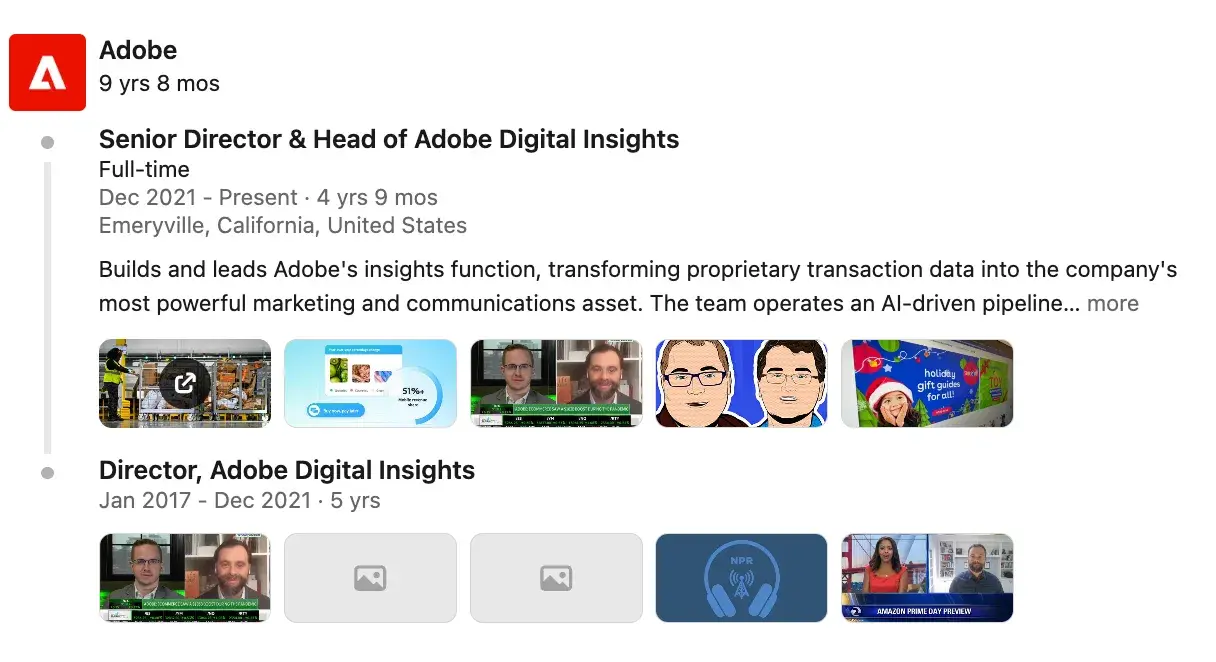
Often, this involves designating a "Directly Responsible Individual" (DRI) within the content or marketing team. Crucially, this DRI needs a counterpart in the data science department who possesses the bandwidth to provide support when required. Some forward-thinking companies have even established dedicated teams for this function. A notable example is Adobe’s Digital Insights team, spearheaded by Taylor Schreiner, which operates as a specialized unit focused on generating and disseminating data-driven intelligence. Beyond the core data and content teams, ensuring awareness and prioritization from ancillary departments such as design, campaigns, and email marketing is vital for comprehensive promotion and production support.
Step 2: Cultivating a Strategic Research Content Plan
To ensure data thought leadership delivers tangible business value, it must be strategically planned. This involves aligning research topics with prevailing industry trends, overarching business objectives, the product roadmap, and the evolving needs of customers. A mere compilation of interesting ideas is insufficient; the plan must be intrinsically linked to the organization’s strategic direction.
Semrush’s quarterly research planning process incorporates several key considerations:
- Market Trends: Identifying emerging patterns and shifts within the industry.
- Business Priorities: Aligning research with current company goals and strategic initiatives.
- Product Roadmap: Understanding future product developments and how data can support their positioning.
- Customer Needs: Addressing the pain points and knowledge gaps of the target audience.
- Competitive Landscape: Analyzing what competitors are researching and identifying unique angles.
- Brand Messaging and Positioning: Ensuring that each research topic reinforces the company’s core narrative and market perception.
The ultimate filter for topic selection is alignment with Semrush’s messaging and brand positioning. For instance, the company’s belief in the synergy between SEO and AI for organic growth directly informs its research agenda, reinforcing its value proposition. This strategic alignment strengthens the company’s narrative and enhances the impact of its campaign assets.
A powerful approach to identifying research topics involves direct engagement with customers. Through regular user interviews, Semrush identified a recurring question: "Why do you often get a citation, but not a brand mention?" This customer-centric inquiry led to a collaborative study with Kevin Indig, addressing the "ghost citation problem." Such deep dives into customer challenges are invaluable for uncovering the most pertinent questions that research should answer.

Step 3: Infusing Data with Practical Value and Actionability
A common pitfall in content marketing is the creation of data studies for their own sake, without a clear purpose or actionable takeaway. If a study fails to offer genuine practical value, uncover novel insights, or spark further inquiry, it may not be the most effective use of team resources. While proprietary data can earn valuable links and build trust, the increasing number of companies engaging in data research means that simply possessing unique data is no longer sufficient.
To overcome this, organizations must:
- Identify Underexplored Angles: Thoroughly research existing studies in the field to pinpoint gaps and areas that have yet to be investigated.
- Provide Actionable Insights: Ensure the findings empower the audience to take concrete steps, offering playbooks, actionable advice, or frameworks for decision-making.
The fundamental principle of impactful content applies equally to original research: the data itself is not the ultimate value; it is what the audience understands or can do with that data. Semrush prioritizes the "why, what, and how" for every piece of research published:
- The Why: Explaining the context and significance of the research question.
- The What: Presenting the key findings and data points clearly.
- The How: Providing practical applications, recommendations, and actionable steps for the audience.
Without this "so what" component, data risks becoming mere noise, failing to resonate or drive meaningful change.
Step 4: Streamlining the Production Process for Data Content
Establishing a clear, standardized production process and Standard Operating Procedures (SOPs) is an essential, albeit time-consuming, step. This is critical for ensuring timely delivery of studies, enabling rapid responses to emerging trends, and maintaining a competitive edge. A significant challenge Semrush previously faced was the slow pace of study development, leading to ideas languishing in backlogs for months and missed opportunities to be a first mover.
To mitigate this, Semrush implemented several strategies:
- Defined Workflows: Establishing clear steps for each stage of the research and publication process.
- Clear Briefs and Expectations: Ensuring all team members understand the objectives, scope, and desired outcomes of each study.
- Cross-Functional Collaboration: Fostering seamless communication and coordination between data scientists, content creators, designers, and marketing teams.
- Agile Methodologies: Adopting iterative approaches to allow for flexibility and rapid adjustments.
- Templates and Checklists: Standardizing elements of the process to improve efficiency and consistency.
The specific workflows often depend on the nature of the study. Semrush categorizes its research into four main types:
- Studies Requiring Data Science Expertise: These demand a formal intake process and a comprehensive brief to ensure clarity and efficient allocation of data science resources.
- Collaborations with Industry Experts: Partnering with external analysts or thought leaders, such as Kevin Indig, brings an independent perspective and broadens reach within relevant communities.
- Studies Executable by Marketers: These include surveys and lighter analyses that can be conducted without extensive engineering support, offering greater agility.
- Co-Branded Studies: While more resource-intensive, these collaborations with other companies are highly rewarding, fostering strategic relationships and expanding audience reach.
A prime example of successful co-branding is Semrush’s research with LinkedIn. This study combined Semrush’s AI-citation data with LinkedIn’s content and engagement metrics to analyze how AI tools resurface content and the underlying reasons. The synergy of data from both platforms allowed for a unique perspective that neither company could have achieved independently. This research became Semrush’s most viral piece to date, garnering extensive media coverage, significant promotion from LinkedIn, and widespread sharing by influencers and customers, leading to its repurposing into numerous other content formats.
Step 5: Building a Robust Distribution Engine
In today’s content-saturated environment, a well-defined distribution plan is as critical as the research itself. Often, this is where even the most insightful studies falter. It’s imperative to not only conceive original ideas but also to establish a repeatable process for getting them in front of the right audience.
Semrush’s successful distribution strategy includes:
- Pre-Launch Buzz Creation: Generating anticipation and interest before the study is officially released.
- Multi-Channel Promotion: Utilizing a diverse range of platforms, including social media, email newsletters, paid promotion, and partnerships.
- Content Repurposing: Transforming the core findings into various formats, such as blog posts, infographics, social media snippets, and webinars.
- Media Outreach and PR: Proactively engaging with journalists and influencers to secure coverage.
- Internal Promotion: Encouraging employees to share and promote the study within their networks.
The overarching goal is to ensure each study has a sustained life and impact far beyond its initial publication date.
Step 6: Measuring Success Without Obsession
The measurement of data thought leadership success often falls into one of two extremes: either too little is measured, or there is an excessive focus on quantifiable metrics. The reality lies in a balanced approach, recognizing that the impact of such initiatives can be multifaceted and sometimes subtle.

While direct attribution to bottom-line revenue can be challenging, data thought leadership yields significant indirect benefits:
- Brand Mentions and Citations: An increase in third-party references and backlinks signifies growing authority and visibility.
- Website Traffic and Engagement: Direct visits to study pages and associated content indicate audience interest.
- Lead Generation and Registrations: Downloads, webinar sign-ups, and form submissions represent qualified interest.
- Social Shares and Engagement: Likes, comments, and shares on social media platforms demonstrate audience resonance.
- Media Coverage: Mentions in reputable publications validate the study’s significance and reach.
While tracking downstream revenue, including new Monthly Recurring Revenue (MRR) and cross-sell MRR, is valuable where traceable, it should not be the primary objective. The impact of a robust data program compounds over time, and it requires patience and consistent effort to yield its full potential.
Final Thoughts: Cultivating Enduring Data-Driven Authority
Data thought leadership secures its position as a potent growth channel by evolving into a structured program. This entails clear ownership, a topic pipeline meticulously aligned with brand strategy, a repeatable production process, and a distribution plan that precedes launch. While not all these components are necessary from day one, starting with a single experiment, demonstrating its efficacy, and then systematically building the surrounding infrastructure is a pragmatic approach.
The most critical learning for Semrush has been the recognition that even unique content, such as original studies, can become commoditized as competitors identify its value. True differentiation and sustained relevance stem from a relentless focus on customer value, a deep understanding of the broader industry landscape, and the ability to connect the dots between your data and overarching trends. By embracing these principles, organizations can ensure their data-driven thought leadership not only captures attention but also builds enduring authority and drives meaningful business growth.
About the Author