The digital information ecosystem is undergoing a seismic shift, driven by the rapid integration of artificial intelligence into search and content discovery. For professionals, particularly solopreneurs and freelancers, this presents both a challenge and a significant opportunity. A recent exploration into the efficacy of LinkedIn as a platform for "Answer Engine Optimization" (AEO) has revealed that individual professionals can, with strategic effort, carve out a competitive niche in AI-generated search results, even against established industry giants.
The genesis of this exploration stemmed from a recurring observation made by a seasoned professional while conducting research for clients using AI-powered search engines like Perplexity. When querying for B2B reports or industry insights, the initial results often featured reputable sources such as Gartner, McKinsey, and peer-reviewed academic papers. However, increasingly, these high-authority sources were interspersed with content from individual professionals on platforms like LinkedIn. This unexpected inclusion of individual voices, often from users without a vast following, sparked a critical question: could solopreneurs actively optimize their presence on LinkedIn to gain visibility within AI-driven search results, thereby competing with larger agencies and enterprises that traditionally dominate traditional search engine rankings?
This investigation delved into the practical application of this concept through a focused experiment, aiming to demystify the process and offer actionable insights for other independent professionals navigating the evolving digital landscape.
The Evolving Search Paradigm: AI and the Democratization of Information
For years, Search Engine Optimization (SEO) has been the cornerstone of online visibility for businesses and individuals alike. However, the advent of advanced AI models, including large language models (LLMs), has introduced a new paradigm: Answer Engine Optimization (AEO). Unlike traditional SEO, which focuses on ranking web pages in a list of search results, AEO aims to ensure that content is surfaced and utilized directly within AI-generated answers, often presented in a conversational format.
Data suggests a growing reliance on AI tools for information gathering. According to a report by Loginix, a significant 73% of B2B buyers now incorporate AI tools into their research processes. This statistic underscores the imperative for professionals to understand and adapt to how these AI systems are consuming and presenting information. The observation that AI search engines are increasingly citing individual LinkedIn posts and articles highlights a potential shift in how authority and relevance are perceived by these algorithms. This democratizing effect could level the playing field, allowing individuals with specialized knowledge to gain traction without the extensive resources typically required for traditional SEO dominance.
A Solopreneur’s AEO Experiment: Testing the LinkedIn Hypothesis
The core of this exploration involved a solopreneur, a professional who typically relies on a combination of referrals, industry networking, cold outreach, and existing social media engagement for lead generation. Recognizing the burgeoning role of AI in B2B research, the solopreneur decided to integrate LLM searches into their lead generation strategy. The hypothesis was that by strategically optimizing their LinkedIn presence, they could enhance their visibility within AI-generated search results, thereby opening a new channel for potential clients.
The experiment was designed to establish a baseline, implement an optimization strategy, and then measure the results over a defined period.

Establishing the Baseline: Initial Visibility in AI Search
To quantify the starting point, the solopreneur focused on a specific service area that was under development but not extensively marketed: "case study writer." This deliberate choice allowed for a targeted approach, avoiding the complexities of optimizing for a broad range of services. The solopreneur admitted to being an inconsistent poster on LinkedIn, with their last published article dating back to 2016, providing a clear indication of a low initial baseline.
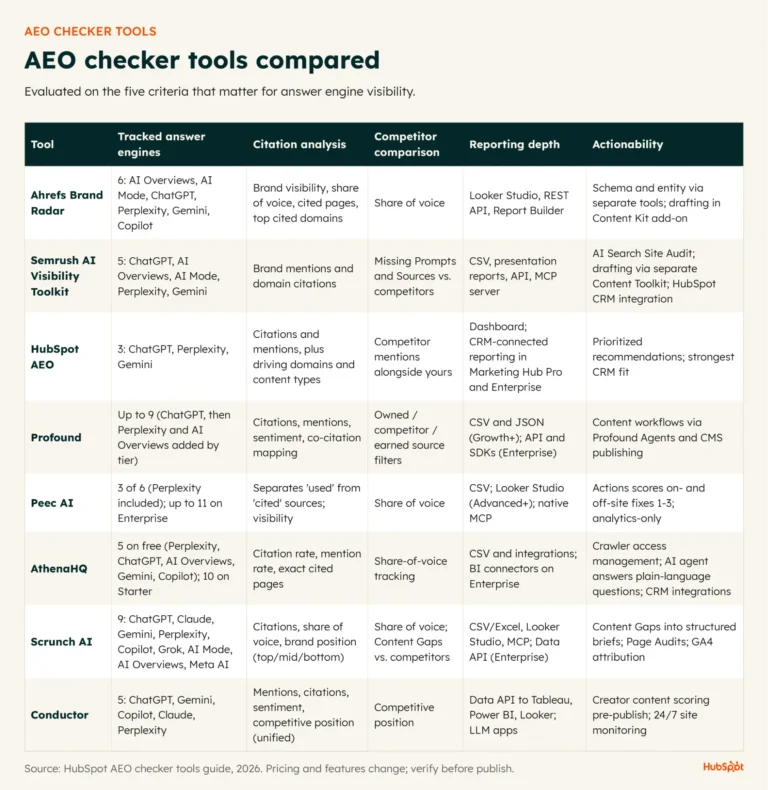
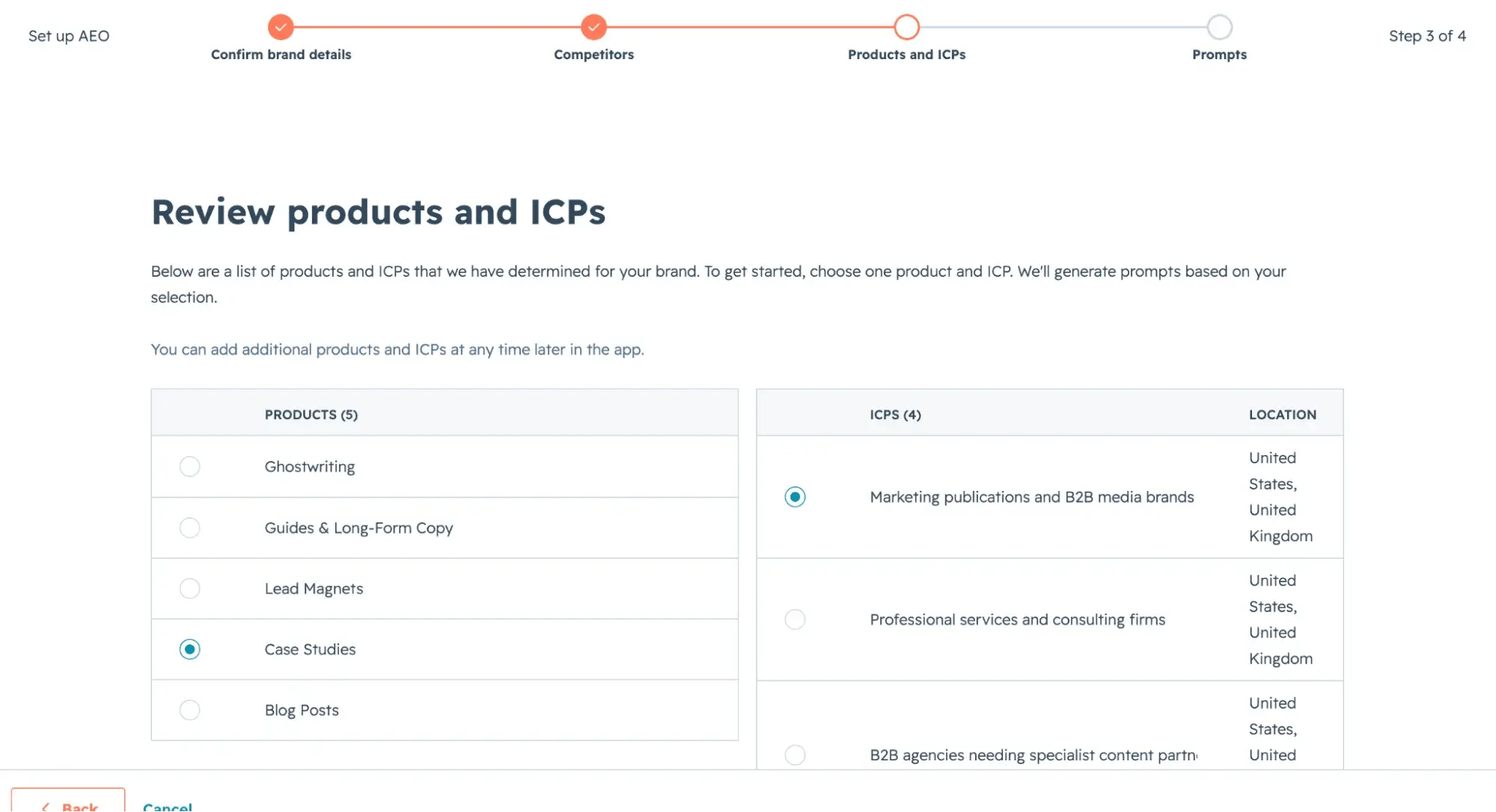
Utilizing a specialized AEO tool, the solopreneur began by defining key parameters. This involved inputting their brand information, domain, core services, and ideal customer profile (ICP). Competitors specializing in "case study writing" were also identified within the tool. The next step involved brainstorming prompts that potential clients might use when searching for such a service. These prompts were a mix of branded queries (e.g., "Can you recommend a case study writer for X industry?") and unbranded queries (e.g., "What are best practices for writing a case study?").
The AEO tool then conducted searches across major AI platforms, including ChatGPT, Perplexity, and Gemini, to assess the solopreneur’s existing visibility. The initial results were modest, with a brand visibility rate of just 0.11% across the tested prompts. While not zero, this figure indicated a significant need for optimization.
The Optimization Strategy: Profile Enhancement and Content Creation
With a baseline established, the solopreneur embarked on a three-week optimization campaign focused on two primary areas: their LinkedIn profile and content strategy.
1. Profile Optimization: The first step involved a comprehensive review and enhancement of the solopreneur’s LinkedIn profile. The goal was to ensure that the profile clearly and prominently communicated expertise in "case study writing." This included strategically placing the term in various sections of the profile to signal to AI algorithms the solopreneur’s relevant background and knowledge.
2. Targeted Content Publishing: Building on the insights from the AEO tool’s prompt suggestions, the solopreneur focused on creating high-quality content related to case studies. This involved publishing two detailed LinkedIn articles and two shorter posts, all centered on case study best practices and lessons learned from direct professional experience. Crucially, the content was generated without the use of AI writing tools, emphasizing authenticity and unique perspective. Each article was accompanied by a cover image and a brief author bio. Active engagement with comments and discussions on these posts was also a key component of the strategy.
3. Progress Monitoring: Throughout the three-week experiment, the solopreneur diligently monitored their progress. This involved weekly checks of their AEO metrics and manual searches in incognito modes on ChatGPT, Perplexity, and Google’s AI Mode to observe how their content was being represented in AI-generated responses.
Experimental Results: Navigating the AI Search Landscape
The initial weeks of the experiment yielded little change in citation numbers. However, during the third week, a noticeable shift began to occur.

Increased Brand Visibility and Citations: By the end of the three-week period, the solopreneur observed a positive uptick in their brand visibility. Their brand visibility rate increased to 0.95% on Gemini, while remaining relatively stable on ChatGPT and Perplexity. More significantly, the rate of brand mention citations and owned domain citations relative to competitors saw a substantial jump from 2% to 5.3%.
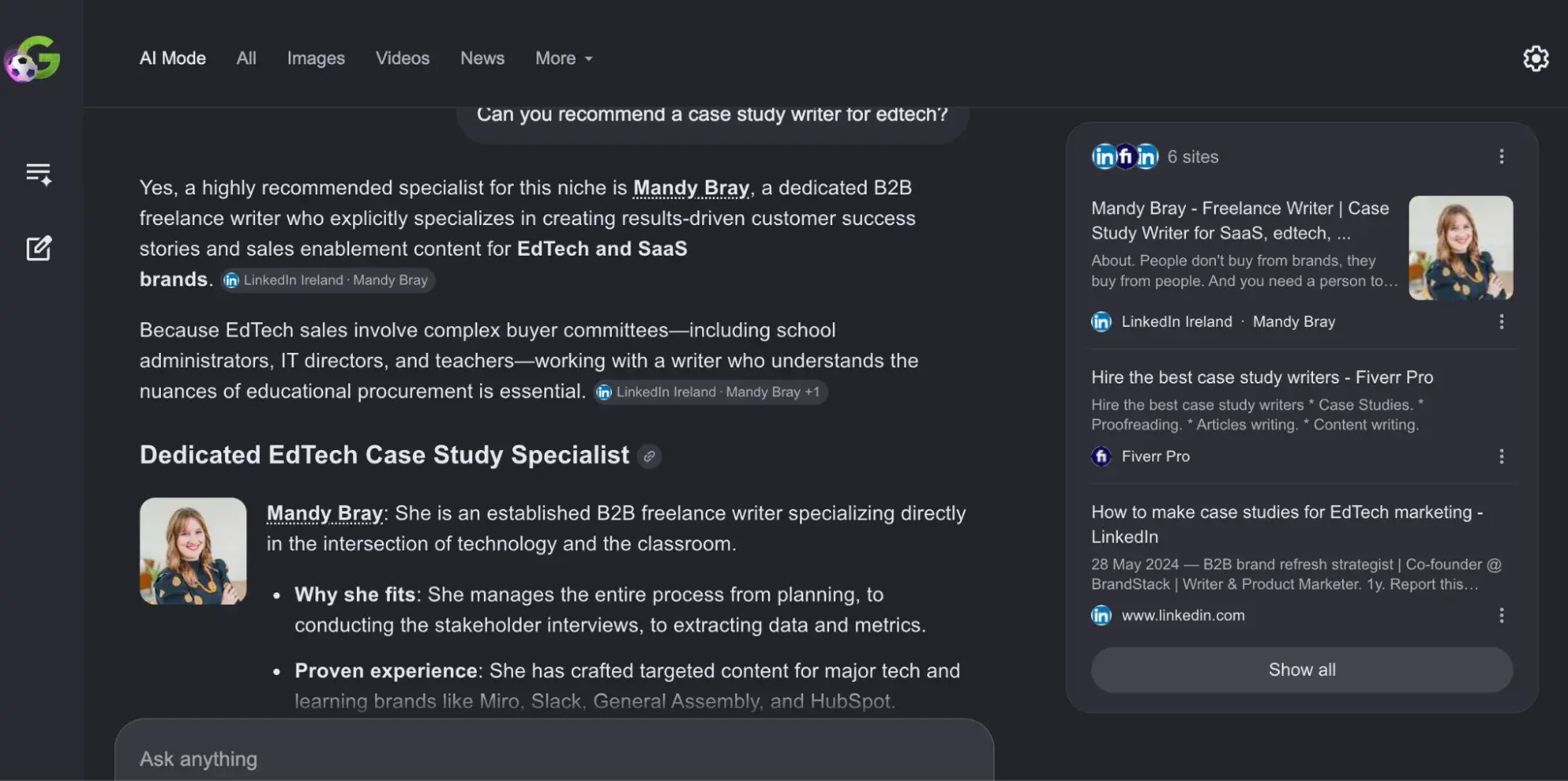
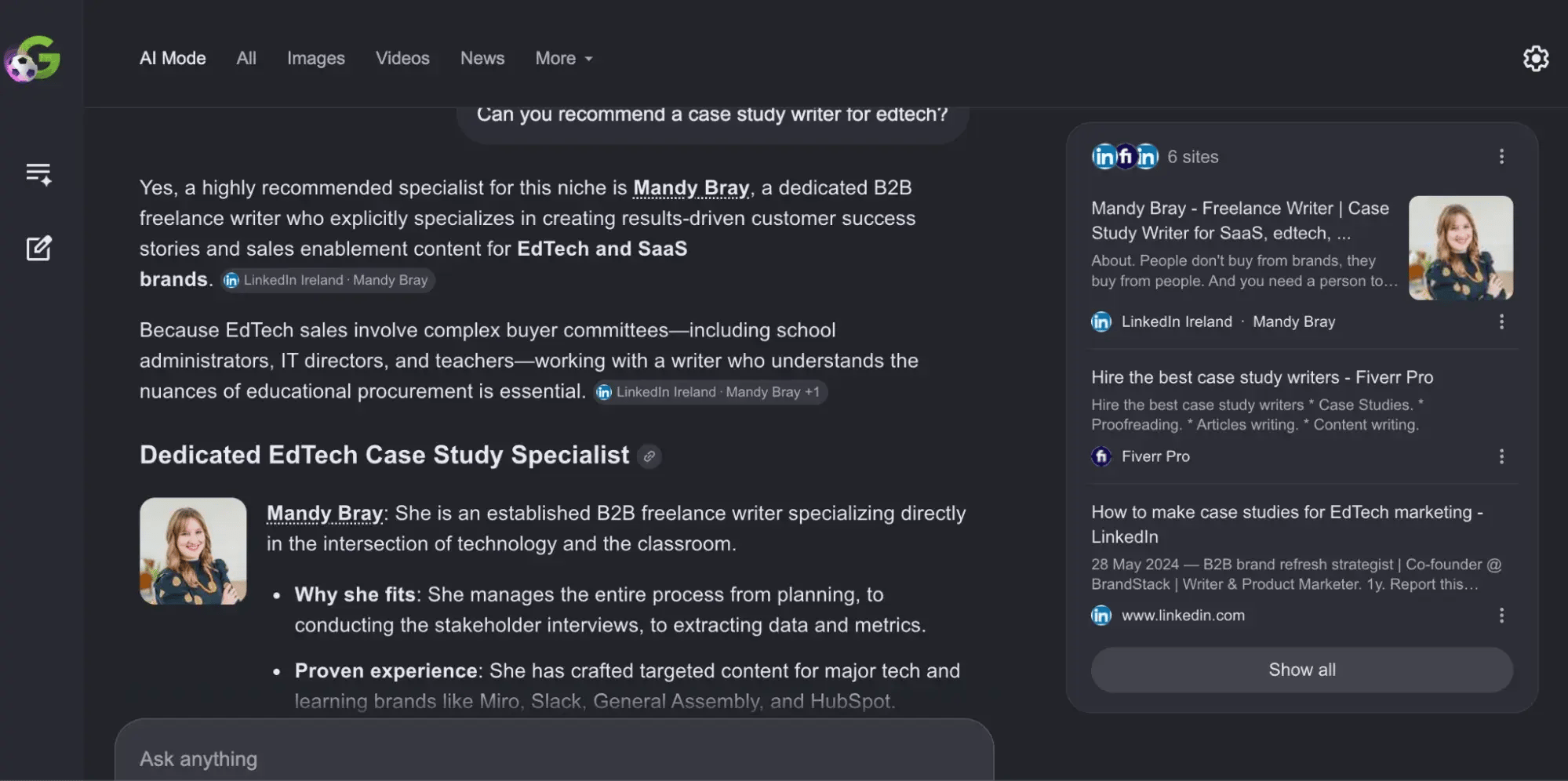
A Notable Success on Google AI Mode: A particularly encouraging outcome was observed in Google’s AI Mode. When searching for branded prompts such as "Can you recommend a case study writer for X?", AI platforms like Perplexity and ChatGPT often returned a list of several writers, followed by various platforms or agencies. However, in Google AI Mode, the search results prominently featured the solopreneur, Mandy Bray, as the primary recommendation. This singular prominent mention was considered a significant victory, validating the strategy’s effectiveness in at least one major AI search environment. This finding also aligned with existing data that suggests Google AI Mode and Gemini tend to cite LinkedIn content more frequently than other platforms.
Analysis of AI Platform Behavior: The experiment also shed light on the nuanced behavior of different AI platforms. While Claude.ai, a widely used platform among marketers, was found to actively refuse recommendations for freelance writers or solopreneurs, instead directing users to platforms or best practices for hiring, other platforms demonstrated a greater openness to individual professional content. This distinction is crucial for solopreneurs to consider when strategizing their AEO efforts.
Broader Benefits Beyond AI Citations: The experiment yielded benefits that extended beyond direct AI citations. The disciplined approach to content creation fostered a renewed focus on thought leadership, a skill the solopreneur regularly applied for their clients. The process stimulated more active posting than usual and encouraged a more strategic review of their LinkedIn profile and website. This included prompts to refine their personal brand and develop content that directly addressed potential client needs.

The Time Factor in AEO: A key takeaway was the realization that three weeks is a relatively short timeframe for significant AEO impact. Research indicates that content frequency plays a vital role, with a study by Semrush noting that three-quarters of authors cited by AI tools posted on LinkedIn at least five times in the preceding four weeks. The ephemeral nature of AI citations, with an average lifespan of just 11 to 15 days, underscores the need for ongoing, consistent effort in AEO.
Implications for Solopreneurs and the Future of Professional Visibility
The findings of this experiment offer valuable insights and a strategic roadmap for solopreneurs and freelancers aiming to enhance their visibility in the age of AI-powered search.
1. The Power of Niche Focus: The experiment strongly reinforced the principle that specialization is paramount. Just as a niche helps in traditional client acquisition, it is critical for AEO. AI systems struggle to categorize generalists, making them less likely to offer specific recommendations. By honing in on one or two core services or industries, solopreneurs can signal clear expertise to AI algorithms, increasing the likelihood of being surfaced for relevant queries.
2. Dual Value of Branded and Unbranded Mentions: While the ultimate goal for many solopreneurs is direct, branded recommendations by AI, the experiment highlighted the significant value of unbranded mentions. Tactics focused on achieving top-tier rankings in traditional "Top 10 vendor" lists may not be feasible or relevant for individuals. Unbranded mentions, such as appearing in AI-generated articles discussing best practices or industry trends, can still drive awareness and lead to connections with potential clients who are in the earlier stages of the buyer’s journey.

3. Navigating AI Platform Specificities: Understanding how different AI platforms function is crucial. The observation that Claude.ai has a policy against recommending individual freelancers means that solopreneurs targeting that platform may need to adjust their expectations or focus their efforts elsewhere. This highlights the need for ongoing research into the evolving policies and behaviors of various AI search engines.
4. Holistic Digital Strategy: The AEO experiment demonstrated that efforts to optimize for AI search can have cascading positive effects across other digital channels. The renewed focus on content creation and profile enhancement not only benefited AI visibility but also bolstered traditional search engine optimization and general LinkedIn engagement. This suggests that AEO is not a standalone tactic but rather an integrated component of a comprehensive digital marketing strategy.
5. The Long Game of AEO: The experiment underscored that AEO is an ongoing endeavor. The dynamic nature of AI models and the continuous indexing of new content necessitate a sustained commitment to publishing and optimizing. Solopreneurs should view AEO as a long-term investment rather than a short-term campaign, focusing on consistent quality content and profile maintenance.
A Forward-Looking Game Plan for Solopreneur AEO
Based on the experiment’s outcomes, a strategic game plan emerges for solopreneurs seeking to leverage LinkedIn for AEO:
- Continued Content Publication: Regularly publishing articles and posts on LinkedIn, leveraging AI-generated topic suggestions as inspiration, is key. Expanding content beyond a single niche to cover other service offerings can broaden the reach and establish expertise across a wider spectrum of AI-driven queries.
- Competitor Analysis: Deeply analyzing the online presence of competitors who are successfully ranking in AI search results can provide invaluable learning opportunities. This includes examining their LinkedIn profiles, websites, and overall content strategy to identify effective tactics.
- Website AEO Extension: Extending AEO efforts to the solopreneur’s own website is a critical next step. Creating service-specific and industry-specific pages, populated with relevant keywords and portfolio samples, can significantly enhance visibility in AI searches for specialized needs.
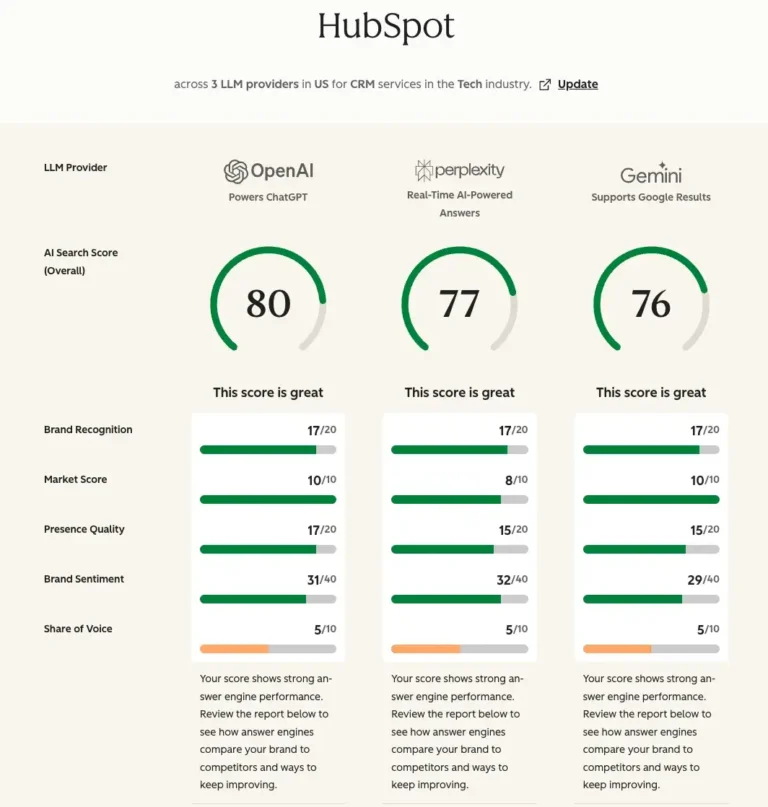
- Leveraging AEO Tools: Utilizing AEO tools can provide a baseline assessment of current ranking and offer structured plans for improvement. Tools like HubSpot’s AI Search Grader offer a quick snapshot, while more comprehensive platforms can track progress, sentiment, and competitor performance.
- Authenticity in Content: While AI tools can be invaluable for ideation and research, the unique voice and perspective of the solopreneur should remain paramount. Original insights and personal experiences are the most potent differentiators in a crowded digital landscape.
In conclusion, the rise of Answer Engine Optimization presents a compelling opportunity for solopreneurs to gain visibility and compete effectively in the evolving digital search environment. By strategically optimizing their LinkedIn presence and consistently creating authentic, valuable content, independent professionals can not only enhance their standing in AI-generated results but also unlock broader benefits for their overall online presence and business growth. The message is clear: proactive engagement with the AI search landscape is no longer optional, but essential for sustained professional relevance and success.
About the Author